
Permanent Magnet vs. Traditional Compressors: Which Saves More Money Long-Term?
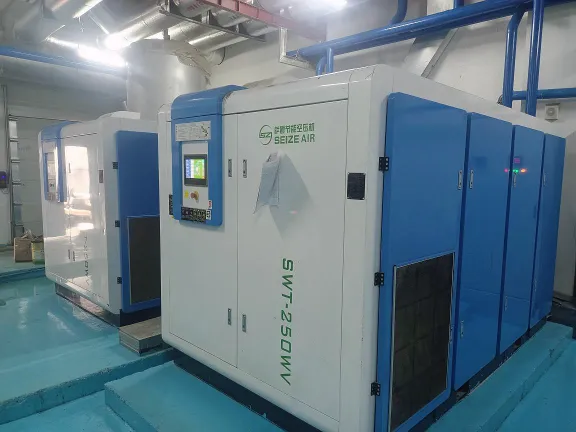
Introduction
Industrial facilities spend up to 70% of their electricity costs on compressed air systems. With rising energy prices, choosing the right compressor is critical. Permanent magnet two-stage screw air compressors promise superior efficiency, but how do they stack up against traditional models? Let’s break down the differences.
Energy Efficiency: The Core Battle
- Permanent Magnet Motors: Use neodymium magnets to generate a static magnetic field, requiring 20-30% less energy.
- Traditional Induction Motors: Rely on electromagnets, losing energy through rotor resistance and heat.
Example: A 100HP PM compressor can save $15,000/year in energy costs compared to an induction motor model.
Two-Stage vs. Single-Stage Compression
- Two-Stage: Achieves higher pressure with less heat, reducing wear on components.
- Single-Stage: Overworks the motor during peak demands, increasing breakdown risks.
Cost Comparison Over 5 Years
| Factor | PM Two-Stage Compressor | Traditional Compressor |
|---|---|---|
| Initial Cost | Higher ($50k–$80k) | Lower ($30k–$60k) |
| Energy Costs (5 yrs) | $75,000 | $120,000 |
| Maintenance (5 yrs) | $10,000 | $25,000 |
| Total Cost | $135,000 | $175,000 |
Durability and ROI
- PM compressors last 15–20 years due to reduced thermal stress.
- Traditional models often require replacements or major repairs after 8–12 years.
Industries That Benefit Most
- High-Demand Sectors: Mining, textiles, and plastics benefit from 24/7 reliability.
- Sustainability-Focused Companies: Meet ESG goals with energy-efficient systems.
Conclusion
While permanent magnet two-stage compressors have higher upfront costs, their long-term savings and durability make them the smarter investment. Businesses prioritizing efficiency and ROI should transition to this technology now.
Calculate your savings with our [Energy Savings Calculator] or speak to an expert at [SeizeAir].
? Phone: +86-15021218862
? Email: sales@seize-air.com
? Website: www.seizeair-en.com
 Seize Oil-Free Screw Blowers: The Ultimate Energy-Efficient Air Compressor Solution for Industry 4.0
 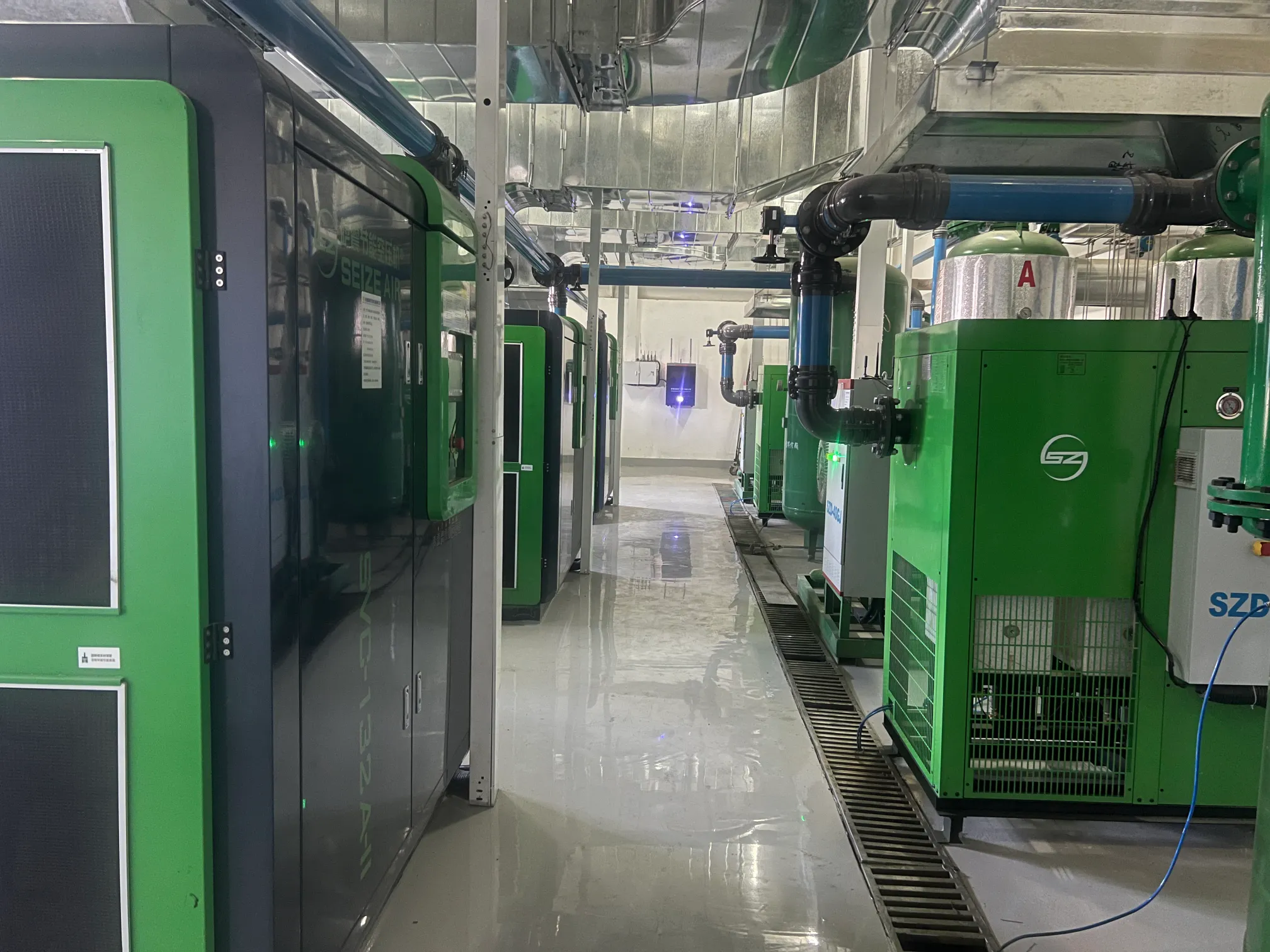 Maximize Energy Efficiency with Heat Recovery Systems for Energy-Saving Air Compressors
 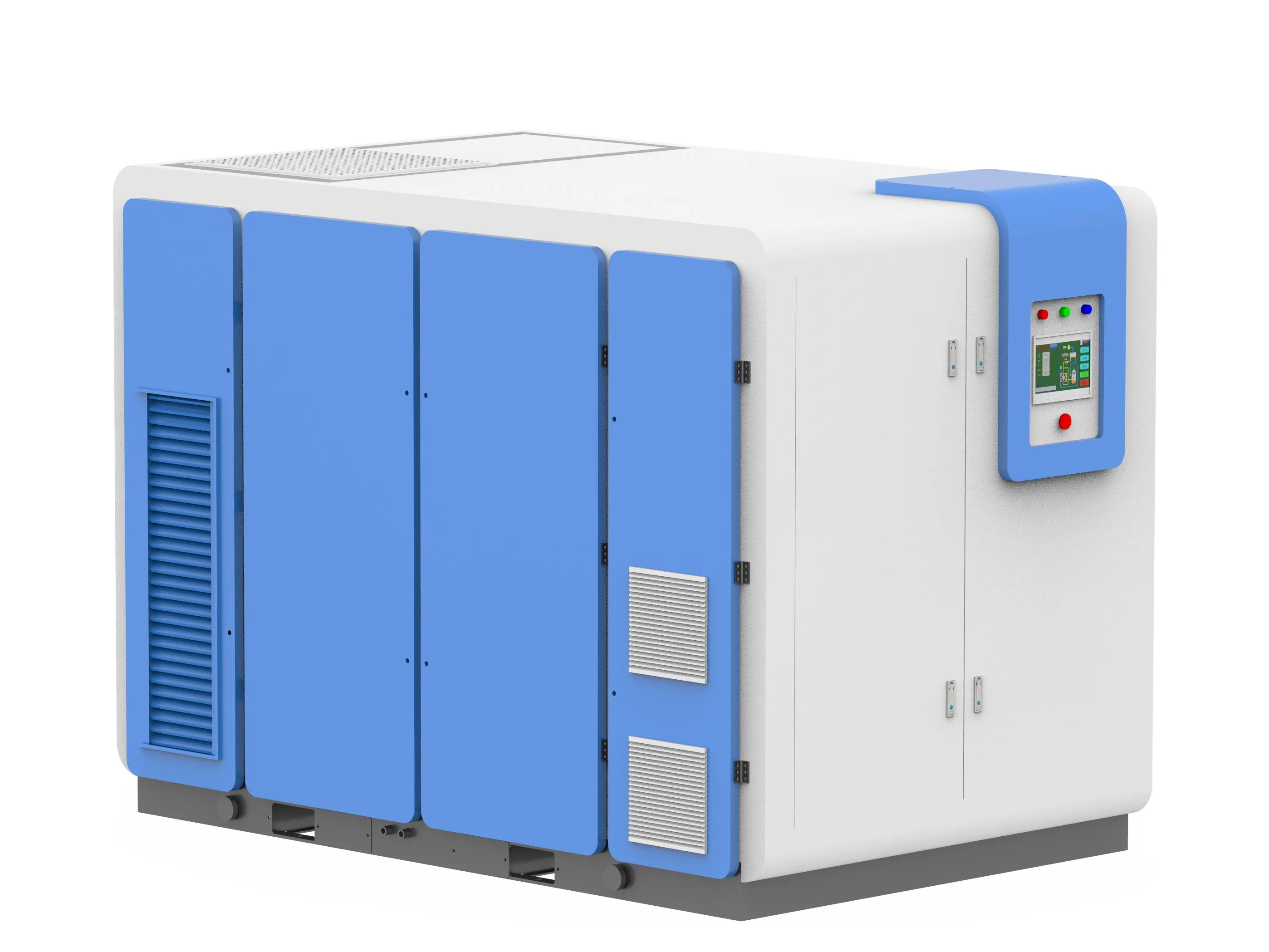 Top 7 Advantages of Centrifugal Blowers for Industrial Applications
 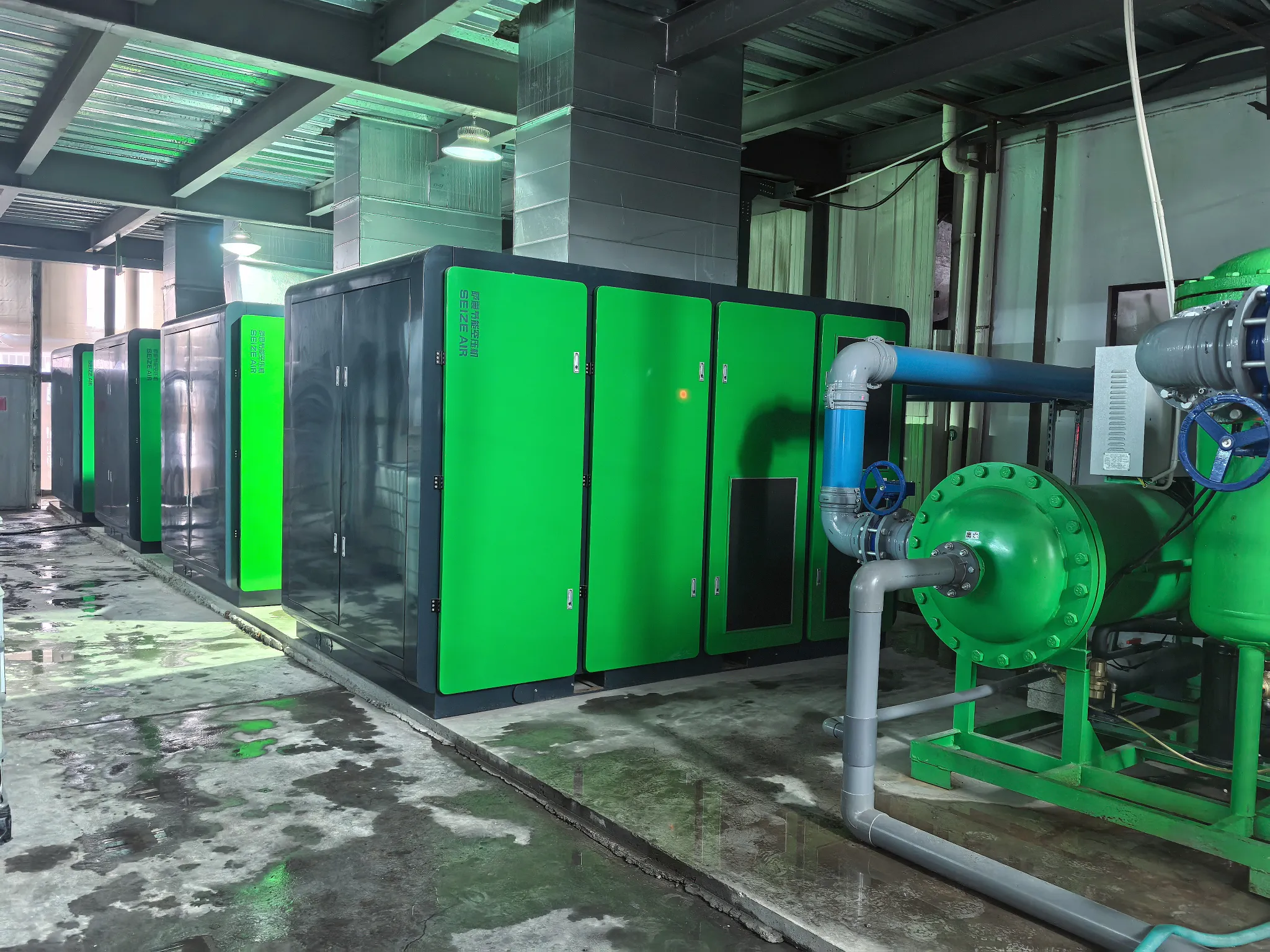 The Revolutionary Benefits of Permanent Magnet Variable Frequency Air Compressors: A Game-Changer for Modern Industries
 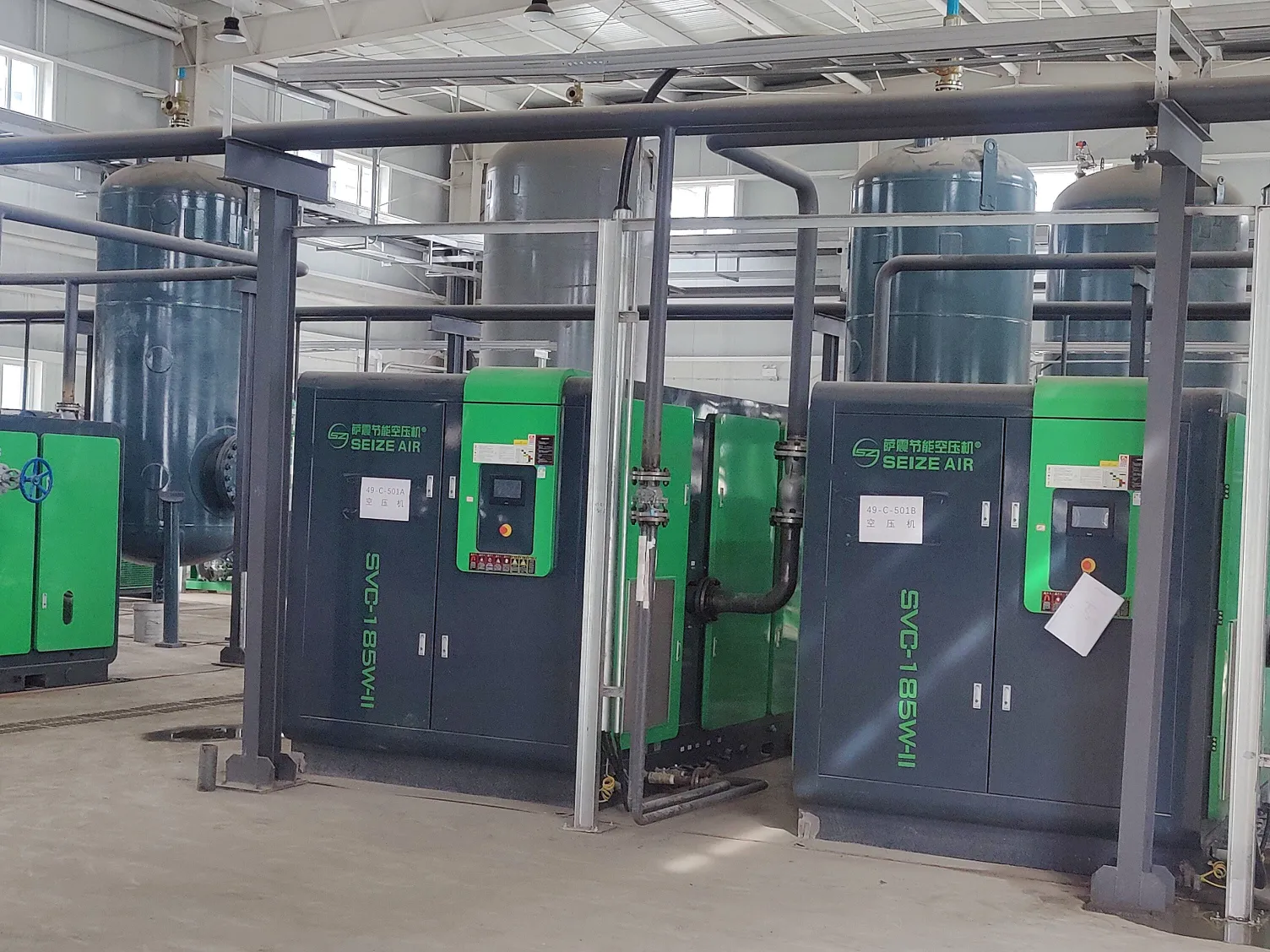 Variable Speed vs. Fixed Speed Air Compressors: Key Differences, Pros & Cons
 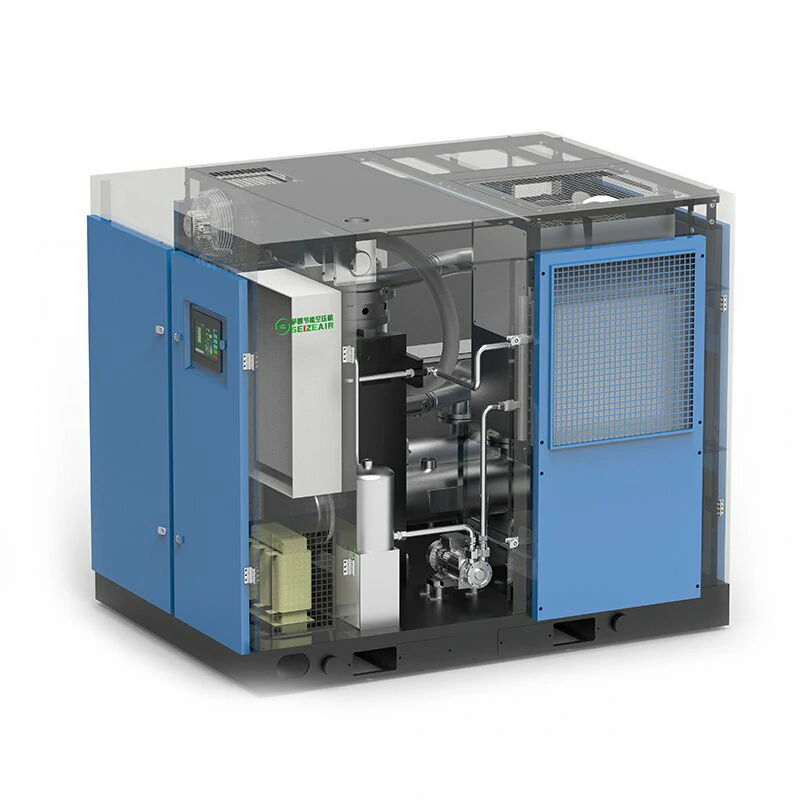 How to Choose Between Dry and Water-Lubricated Oil-Free Screw Compressors: A Comprehensive Comparison
 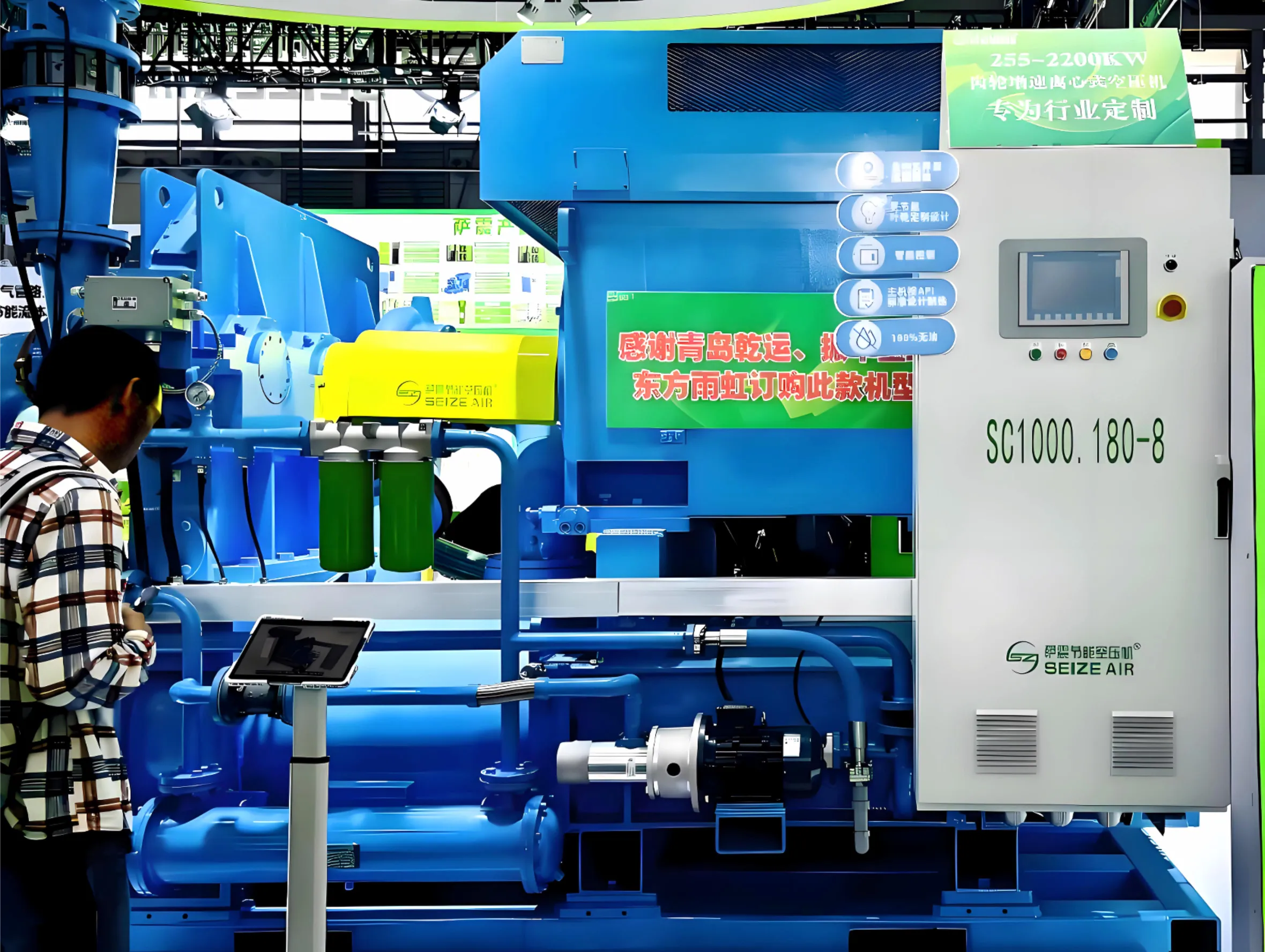 Centrifugal vs. Reciprocating Air Compressors: Why Centrifugal Wins for Industrial Applications
  How to Calculate Air Compressor Specific Energy Consumption (SEC) for Energy Savings: A Guide for Southeast Asia, Middle East, and Europe
  Single-Stage vs. Two-Stage Compression: Which Is Right for Your Needs?
 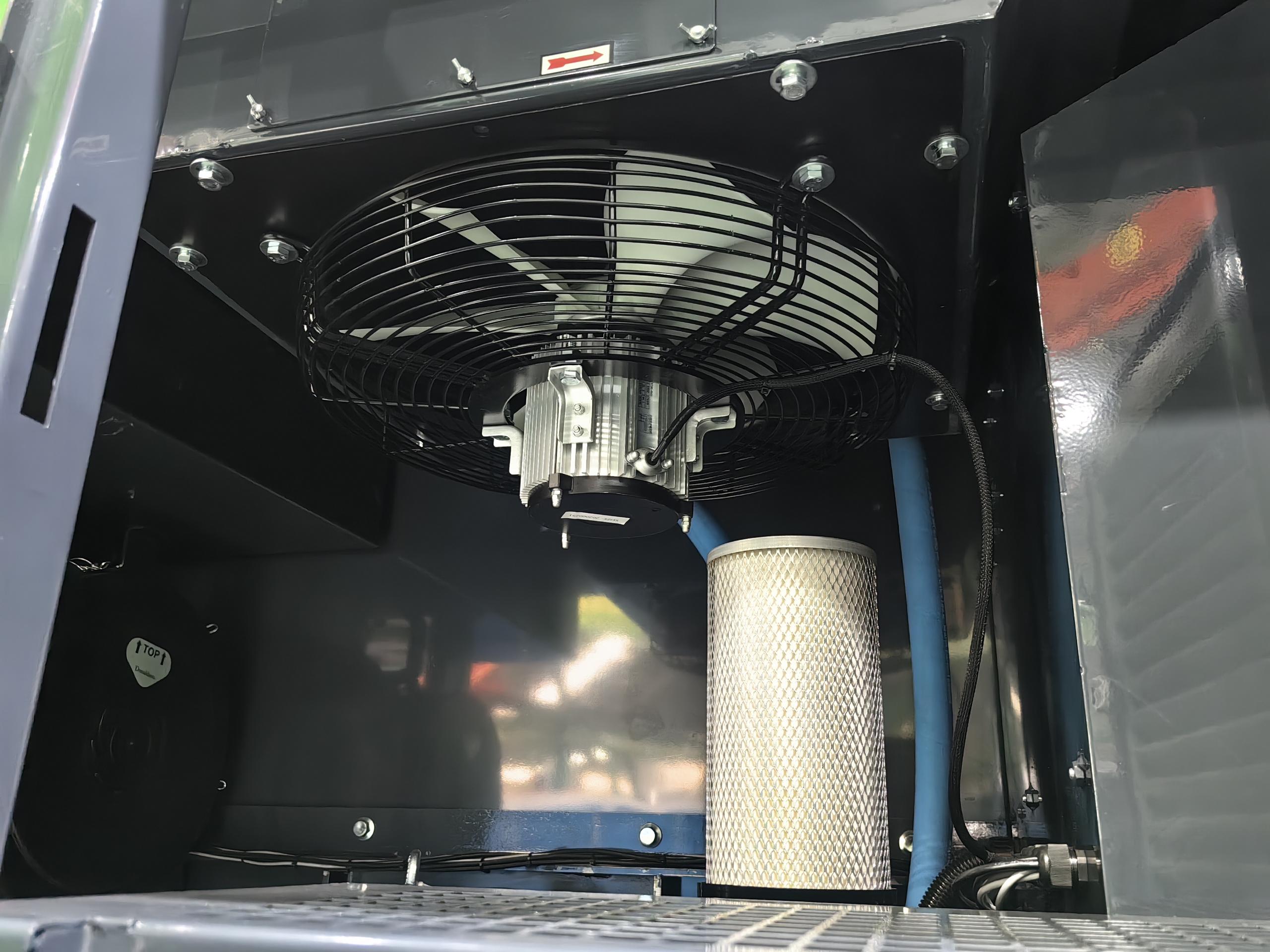 Maximize Your Savings: The Long-Term Cost Advantages of SEIZEAIR's Energy-Efficient Air Compressors
 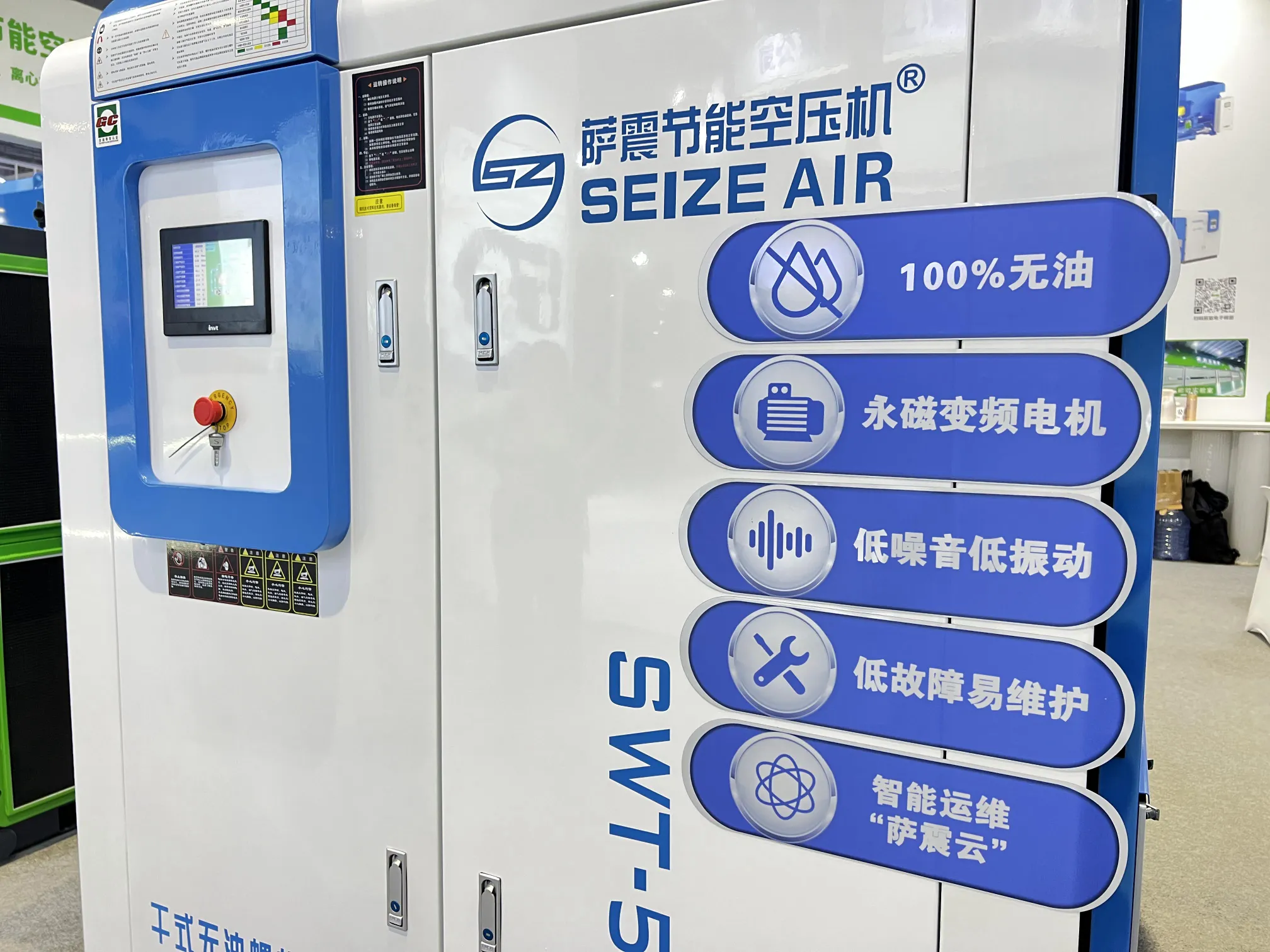 Energy Efficiency of Screw Compressors in Industrial Applications: Maximizing Savings and Sustainability
 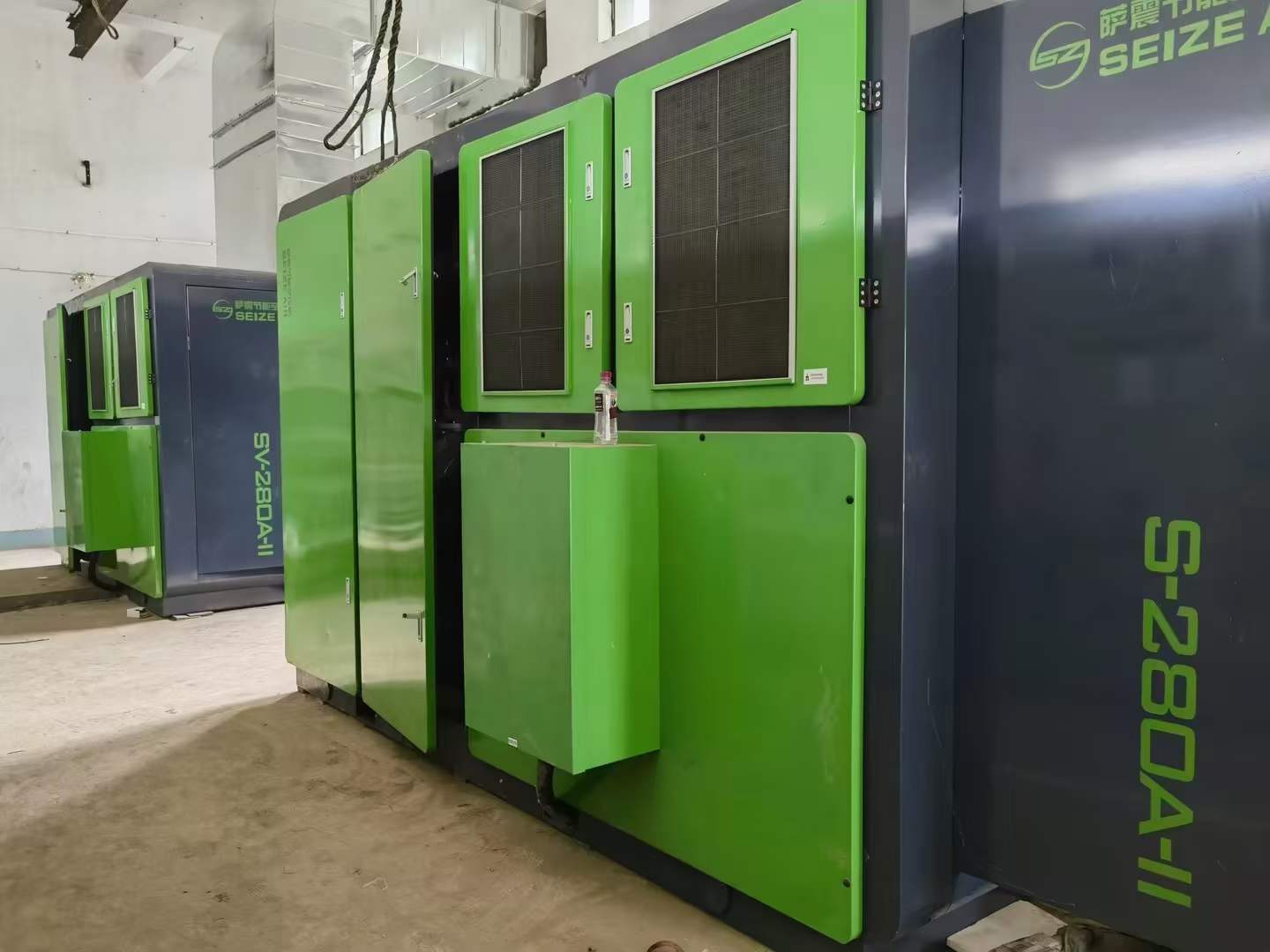 Piston vs. Screw Air Compressors: 5 Key Reasons to Choose Rotary Screw Technology
 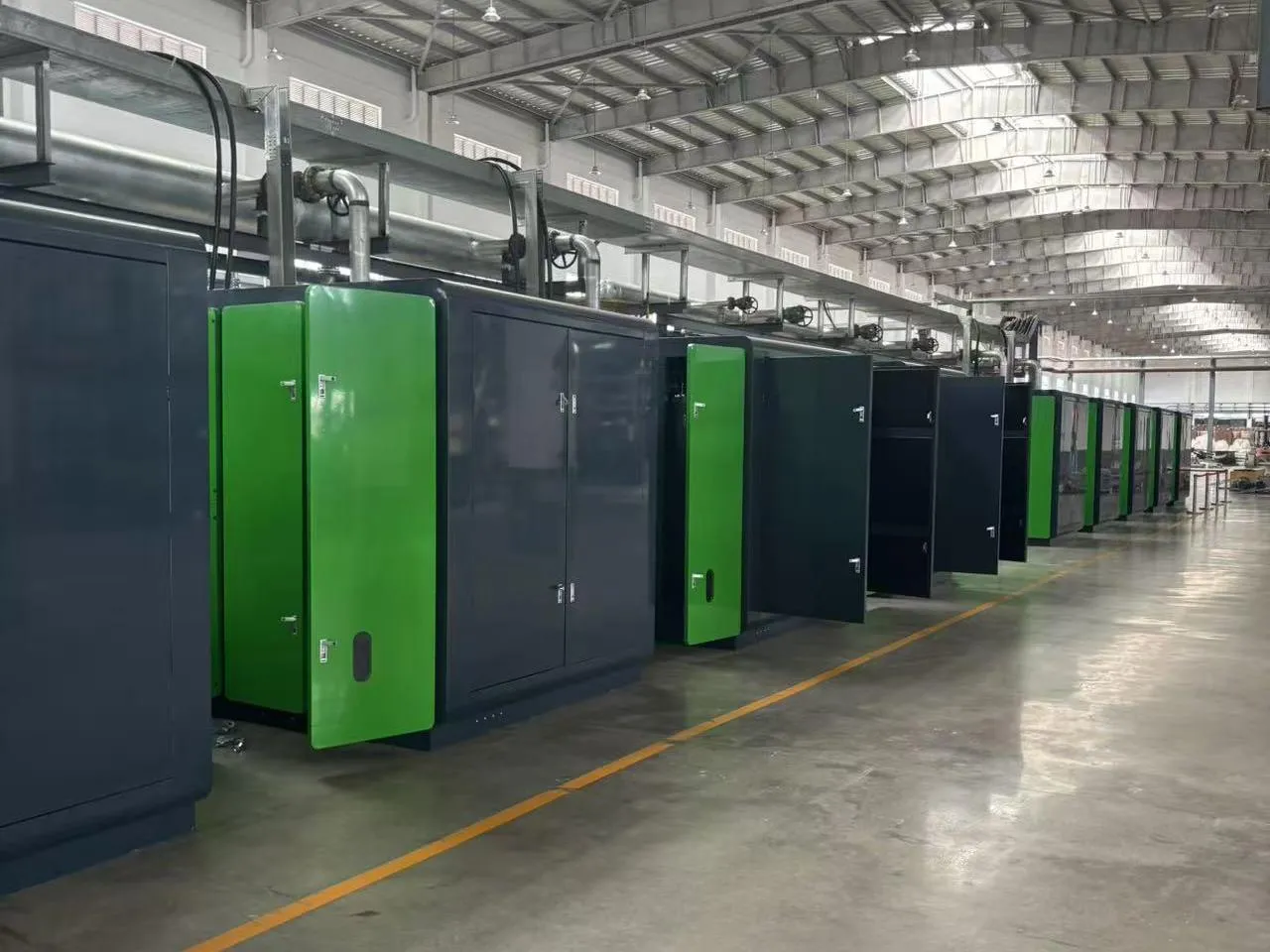 How Factories Slash Energy Costs with Energy-Efficient Air Compressors
 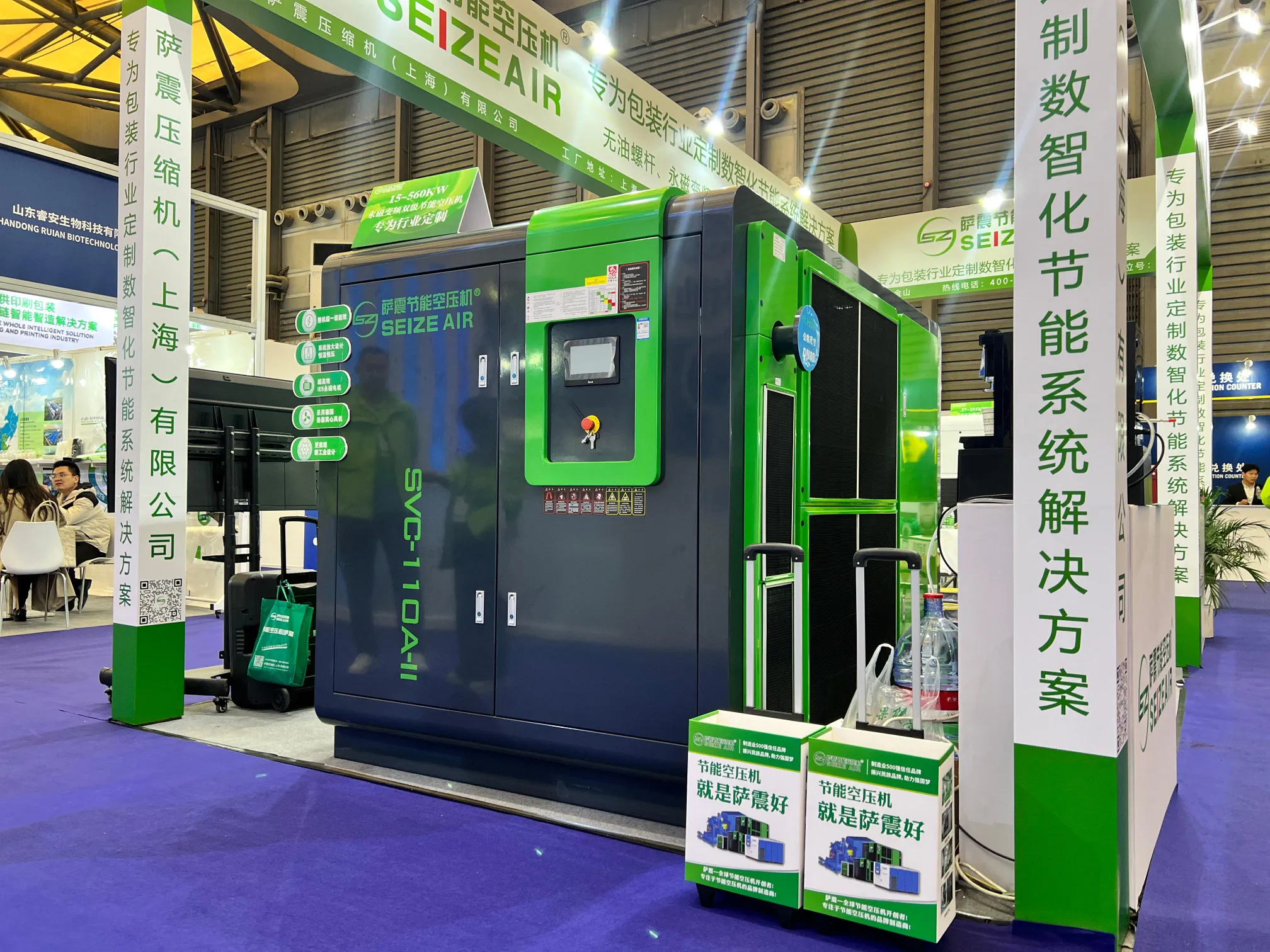 Why Piston Air Compressors Are Being Phased Out: A Consumer Perspective
  Technical Insights and Maintenance Tips for Water-Lubricated Compressors
 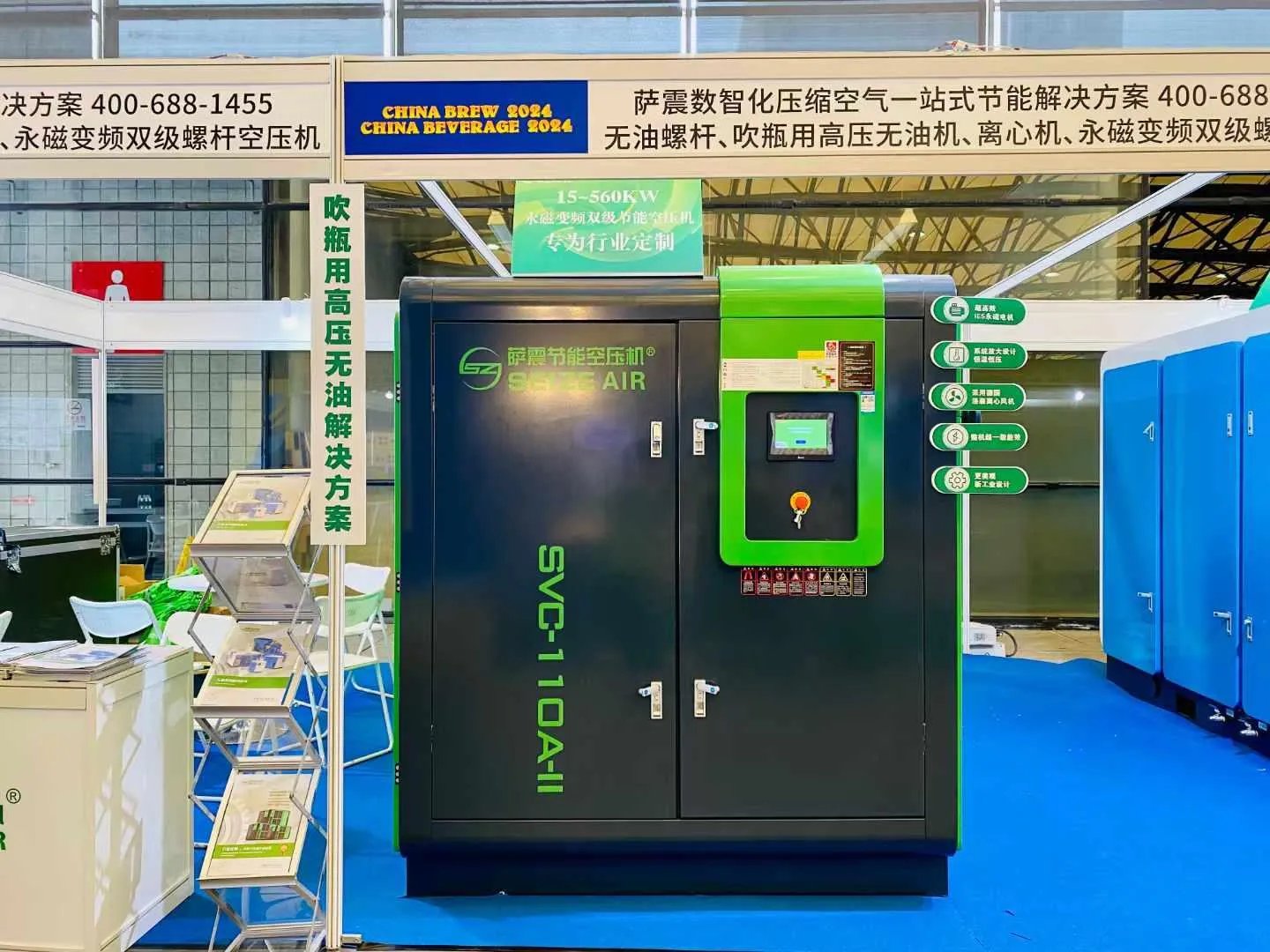 Why Oil-Free Screw Compressors Are the Future of Industrial Efficiency
 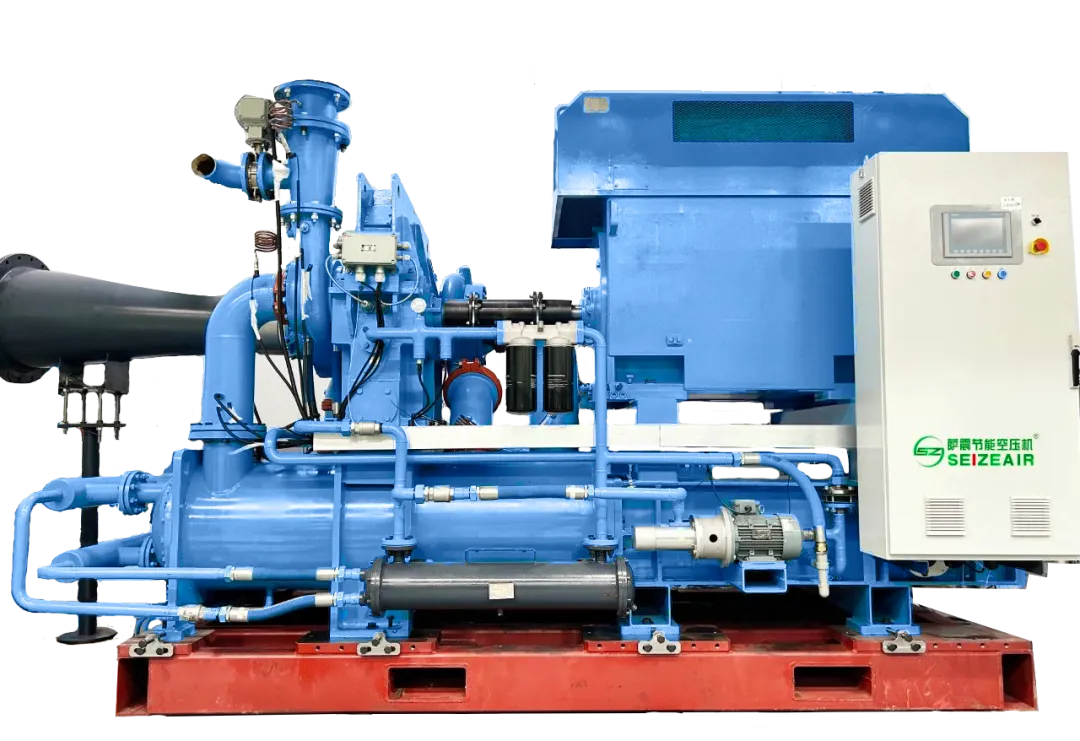 Industrial Air Compressor Solutions: Advanced Screw & Centrifugal Systems for Maximum ROI
 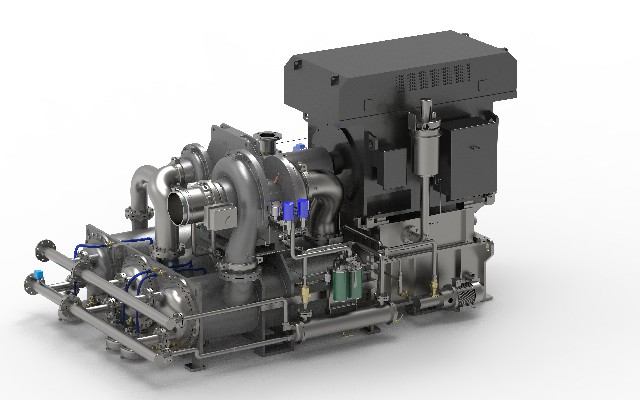 Energy-Efficient Compressors for Industrial Applications: Two-Stage Screw vs. Centrifugal Solutions
  Energy-Efficient Air Compressors Manufacturer in China | [Your Company Name] – Powering Sustainability Worldwide
  Coandă Effect in Air Compressor Research: Enhancing Efficiency and Innovation