
Why Piston Air Compressors Are Being Phased Out: A Consumer Perspective
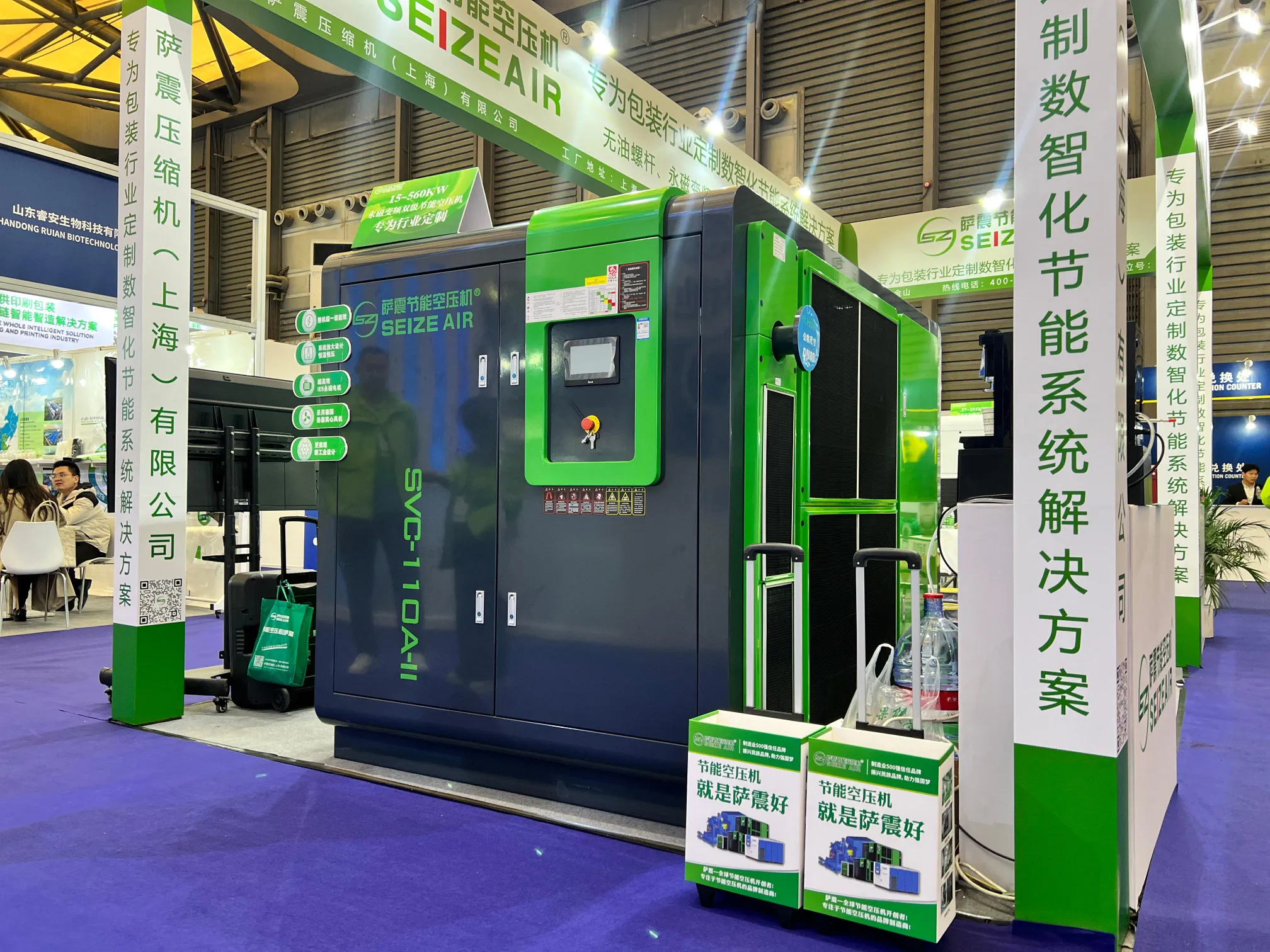
1. Energy Efficiency: The Rising Cost of Power
One of the biggest complaints about piston compressors is their energy inefficiency. These machines operate in an “on/off” cycle, which means they run at full power even during low-demand periods. For consumers, this translates to:
- Higher electricity bills: Piston compressors consume 20–30% more energy than rotary screw models.
- Wasted energy: Frequent cycling increases wear and tear while wasting power.
With energy costs rising globally, consumers are prioritizing compressors with variable speed drives (VSD) that adjust output to demand, slashing energy use by up to 50%.
2. Maintenance Headaches: Time and Money Down the Drain
Piston compressors require constant upkeep, making them a hassle for everyday users. Key pain points include:
- Regular oil changes: Many piston models need lubrication every 500–1,000 hours.
- Component wear: Valves, rings, and belts degrade quickly under high-pressure cycles.
- Downtime: Repairs often require disassembling the entire unit.
In contrast, oil-free and rotary screw compressors have fewer moving parts, reducing maintenance costs by 40–60%—a major selling point for time-strapped consumers.
3. Noise Pollution: A Dealbreaker for Home and Workspaces
Piston compressors are notoriously loud, often exceeding 85 decibels (dB). For consumers using them in garages, small workshops, or residential areas, noise is a critical factor.
- Disruption: Prolonged exposure to loud noise can lead to hearing damage and complaints from neighbors.
- Regulations: Many cities enforce noise limits, making piston models impractical.
Quieter alternatives like scroll compressors (60–70 dB) are now preferred for indoor or shared spaces.
4. Space and Portability: Compact Designs Win
Modern workspaces prioritize compact, lightweight tools. Traditional piston compressors are bulky and difficult to move, especially tank-based models. Consumers now favor:
- Portable designs: Wheeled or tankless compressors for job sites.
- Space-saving units: Vertical or modular systems for small workshops.
Rotary screw compressors, for example, offer higher CFM (cubic feet per minute) in smaller footprints, aligning with today’s minimalist workflows.
5. Environmental Concerns: The Shift to Sustainability
Eco-conscious consumers are ditching piston compressors due to:
- Oil leakage: Lubricated models risk contaminating workspaces and the environment.
- Carbon footprint: Higher energy use contributes to greenhouse emissions.
Oil-free and electric compressors are marketed as “greener” solutions, appealing to both individuals and corporations aiming for sustainability certifications.
6. Technological Advancements: Smart Features Take Over
The rise of smart technology has reshaped consumer expectations. Piston compressors lack features like:
- Digital controls: Precise pressure adjustments via touchscreen interfaces.
- Remote monitoring: Apps that track performance and send maintenance alerts.
- Automated systems: Integration with IoT-enabled tools.
Tech-savvy buyers are willing to pay a premium for these innovations, leaving piston models in the dust.
Conclusion: The Future of Air Compressors
Piston air compressors aren’t disappearing overnight, but their drawbacks—high costs, noise, and inefficiency—are pushing consumers toward smarter, quieter, and more sustainable alternatives. As technology evolves, businesses and hobbyists alike will continue to prioritize long-term value over short-term savings.
For those still using piston compressors, the question isn’t if to upgrade—it’s when.
Call to Action:
Ready to switch to a modern air compressor? [Explore energy-efficient models here] or [Contact us] for a personalized recommendation!
? Phone: +86-15021218862
? Email: sales@seize-air.com
 Seize Oil-Free Screw Blowers: The Ultimate Energy-Efficient Air Compressor Solution for Industry 4.0
 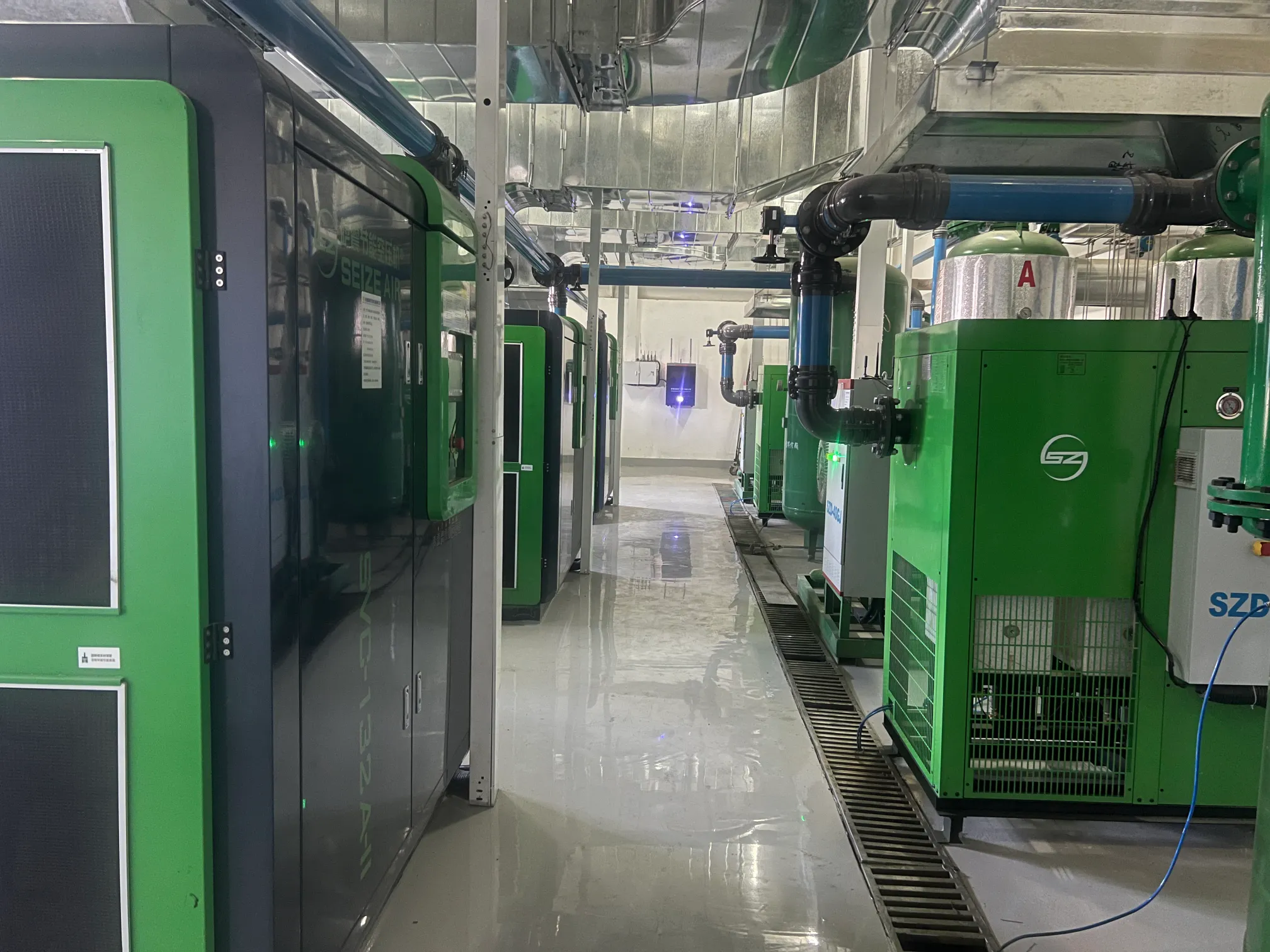 Maximize Energy Efficiency with Heat Recovery Systems for Energy-Saving Air Compressors
 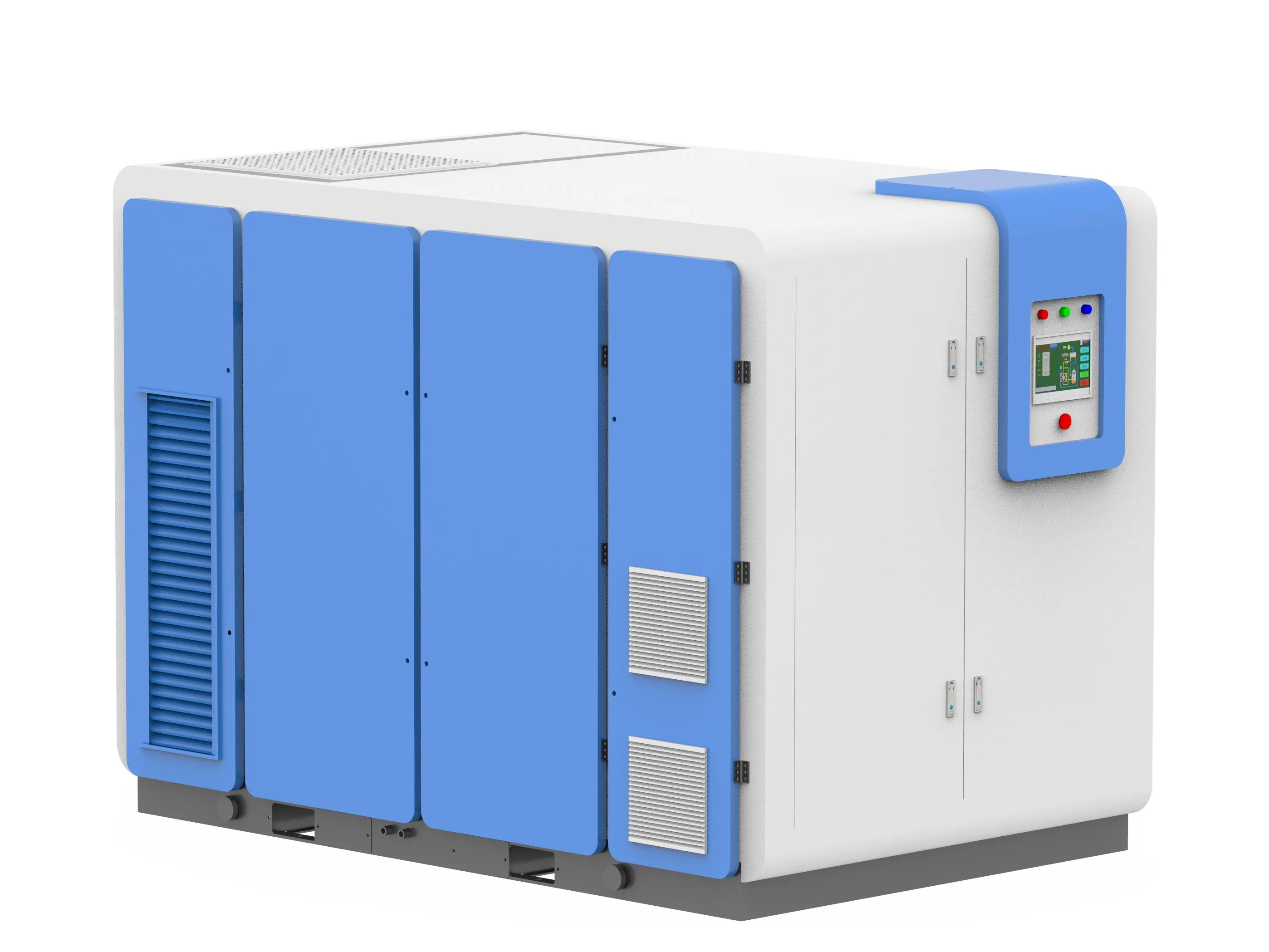 Top 7 Advantages of Centrifugal Blowers for Industrial Applications
 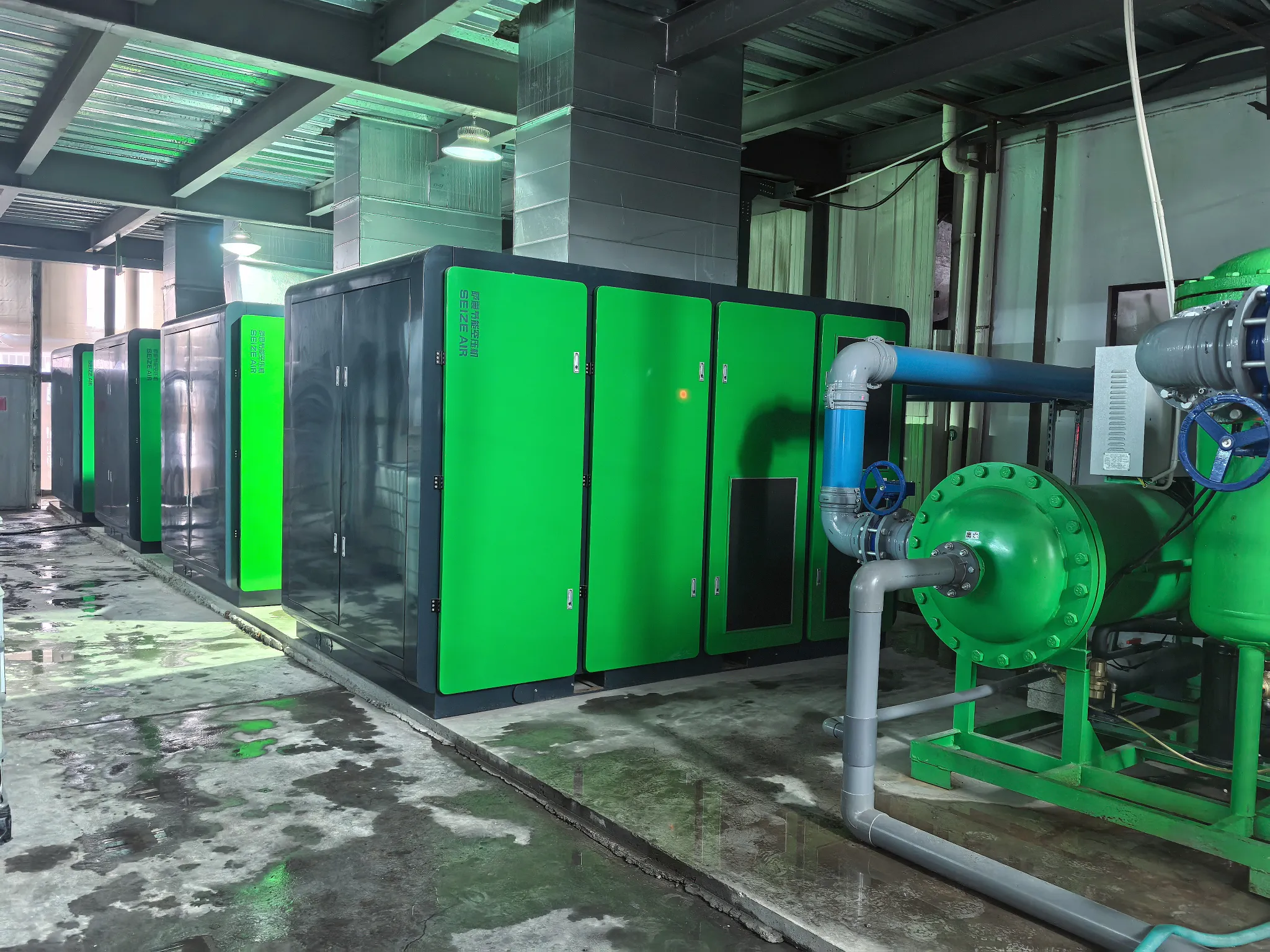 The Revolutionary Benefits of Permanent Magnet Variable Frequency Air Compressors: A Game-Changer for Modern Industries
 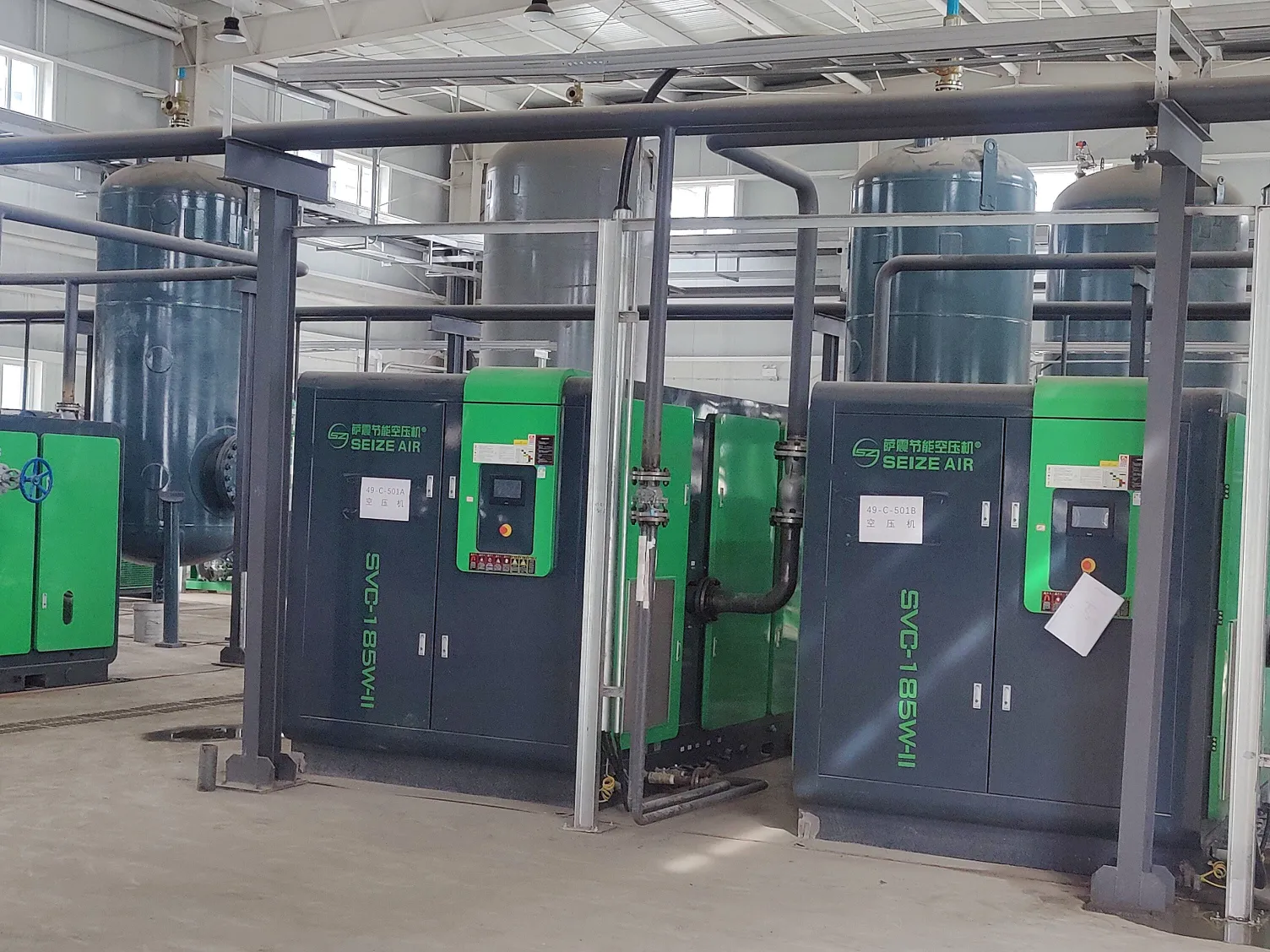 Variable Speed vs. Fixed Speed Air Compressors: Key Differences, Pros & Cons
 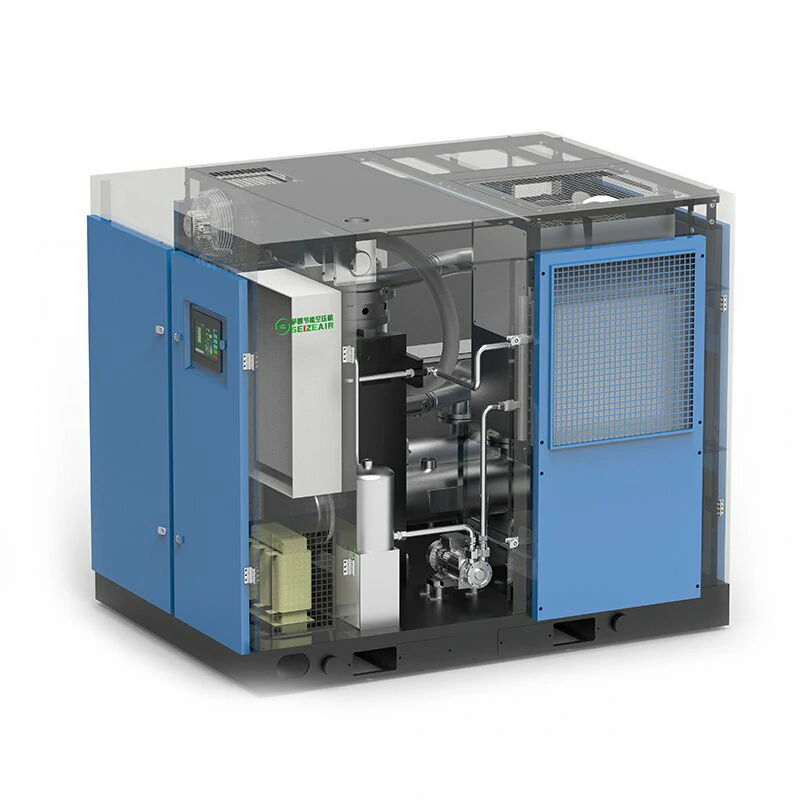 How to Choose Between Dry and Water-Lubricated Oil-Free Screw Compressors: A Comprehensive Comparison
 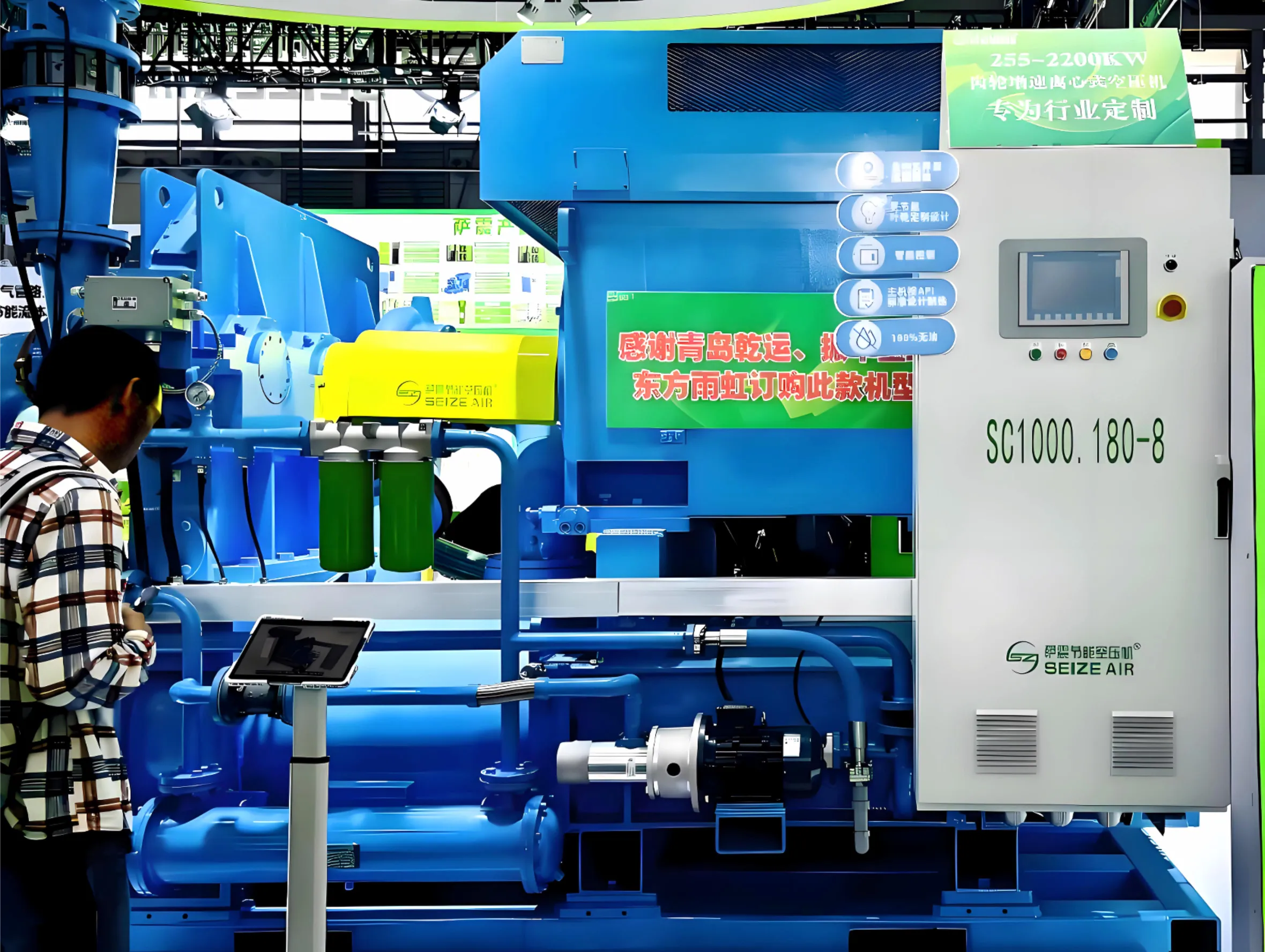 Centrifugal vs. Reciprocating Air Compressors: Why Centrifugal Wins for Industrial Applications
 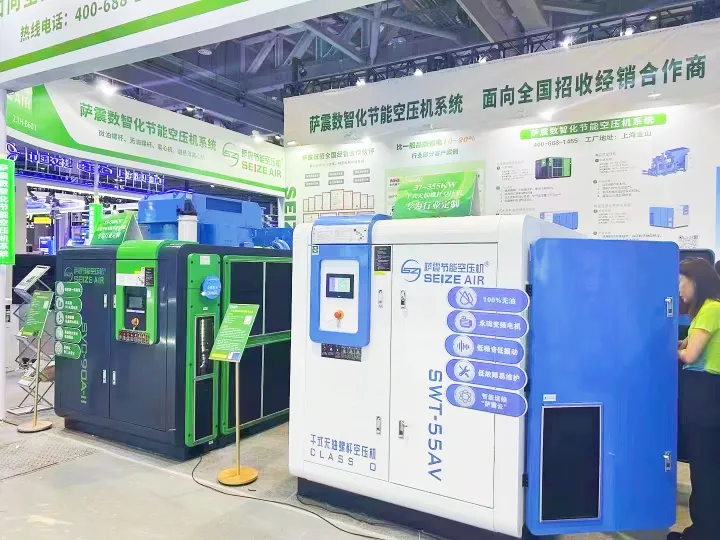 How to Calculate Air Compressor Specific Energy Consumption (SEC) for Energy Savings: A Guide for Southeast Asia, Middle East, and Europe
  Single-Stage vs. Two-Stage Compression: Which Is Right for Your Needs?
 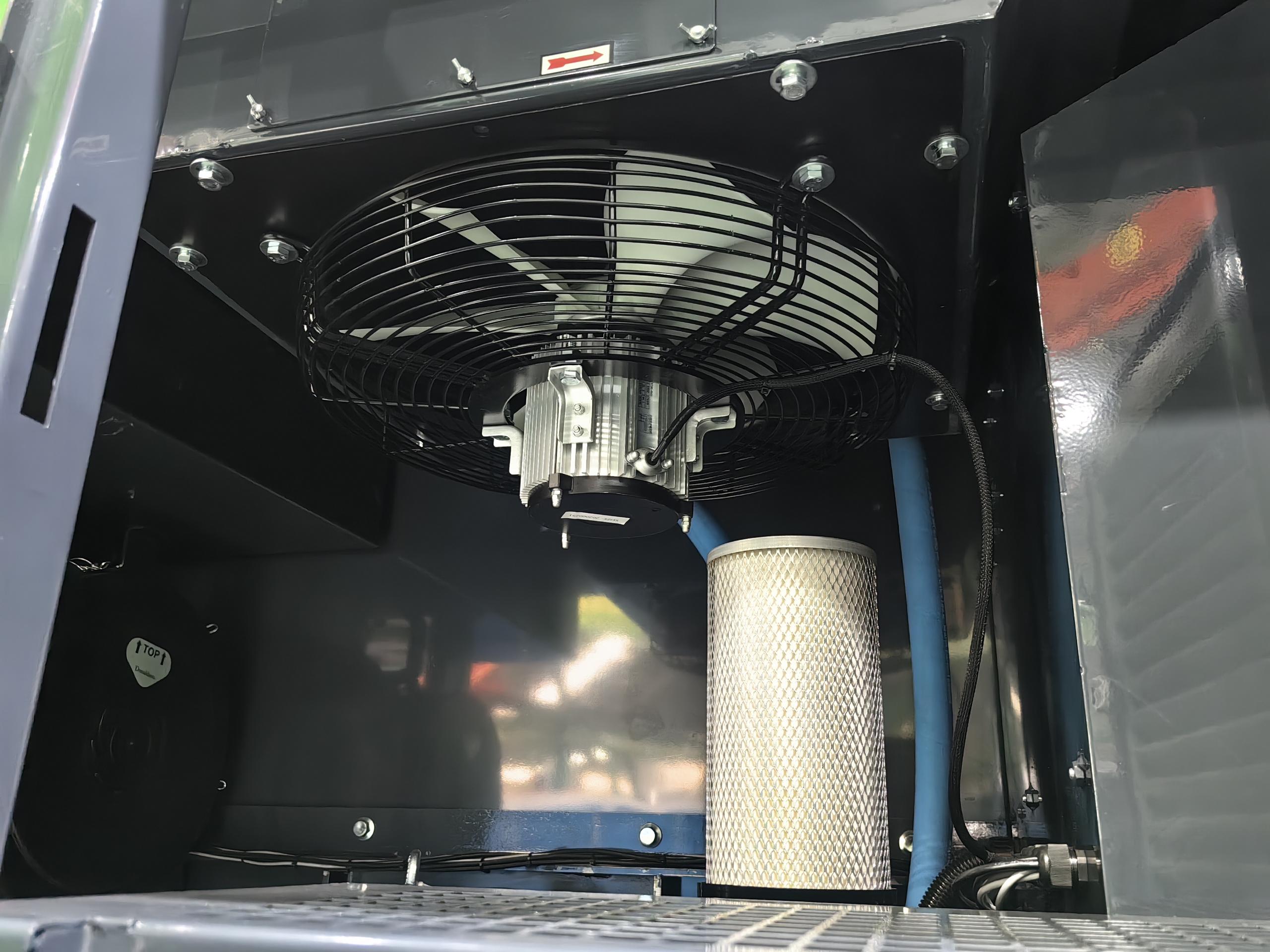 Maximize Your Savings: The Long-Term Cost Advantages of SEIZEAIR's Energy-Efficient Air Compressors
 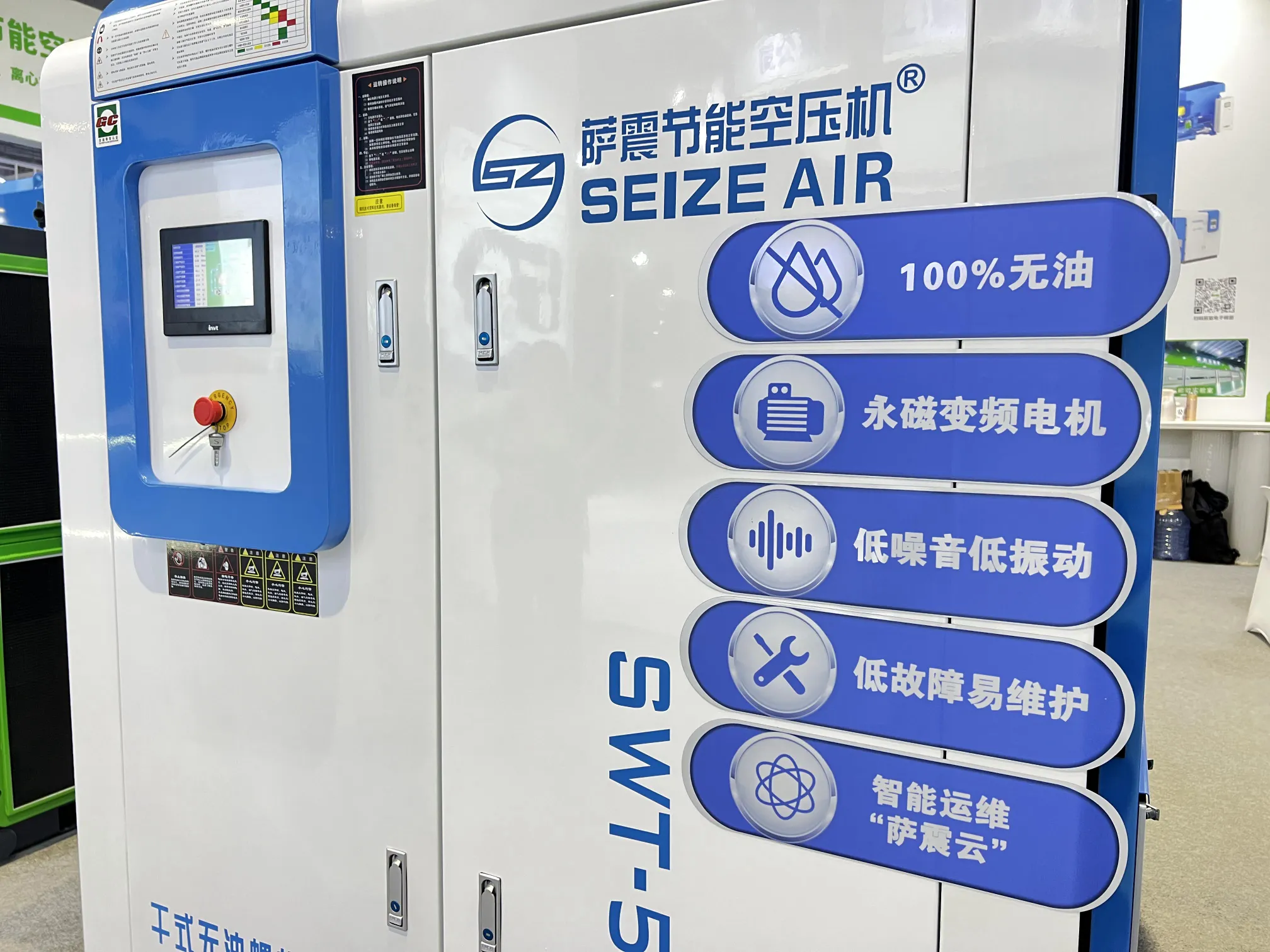 Energy Efficiency of Screw Compressors in Industrial Applications: Maximizing Savings and Sustainability
 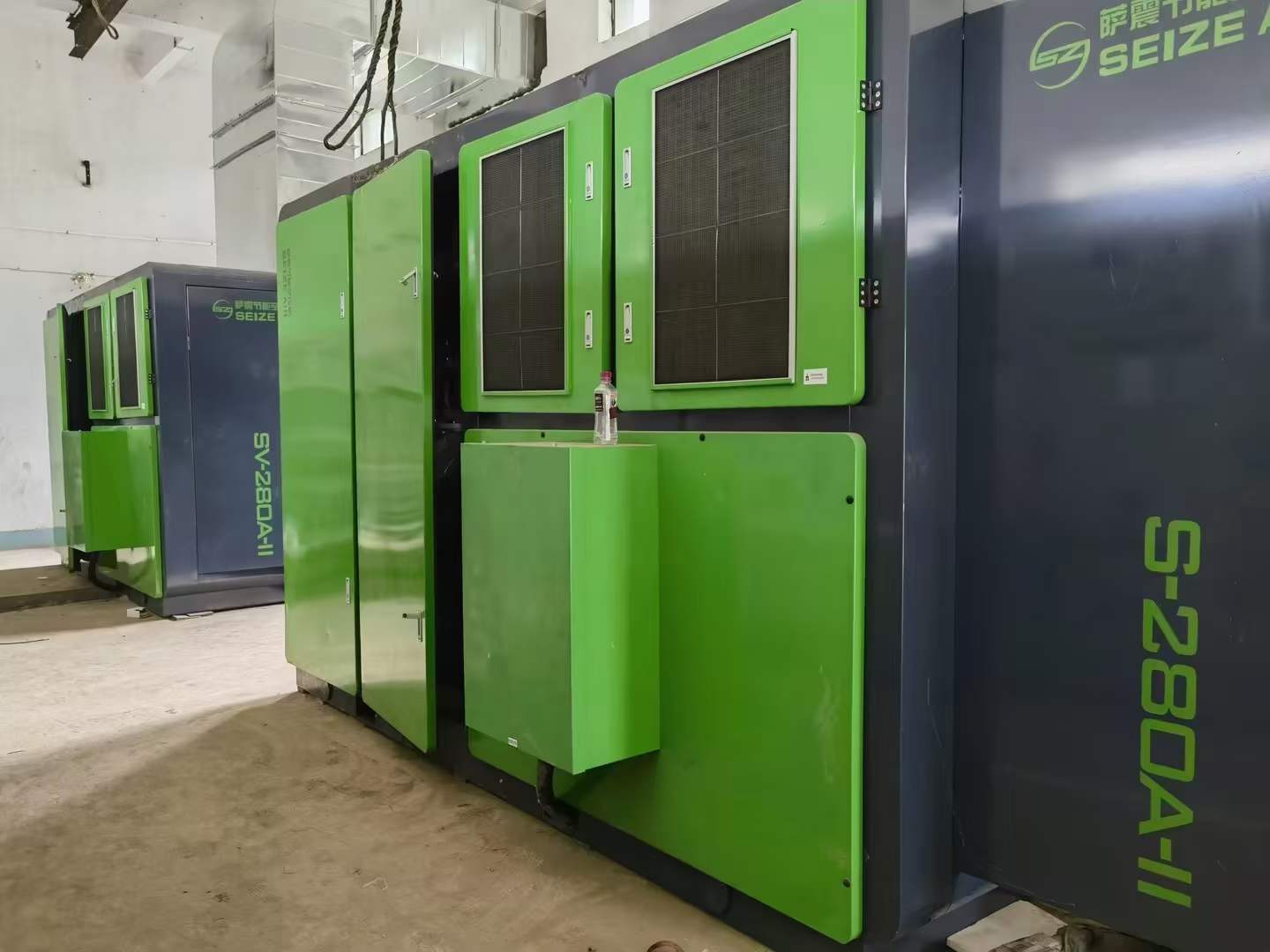 Piston vs. Screw Air Compressors: 5 Key Reasons to Choose Rotary Screw Technology
 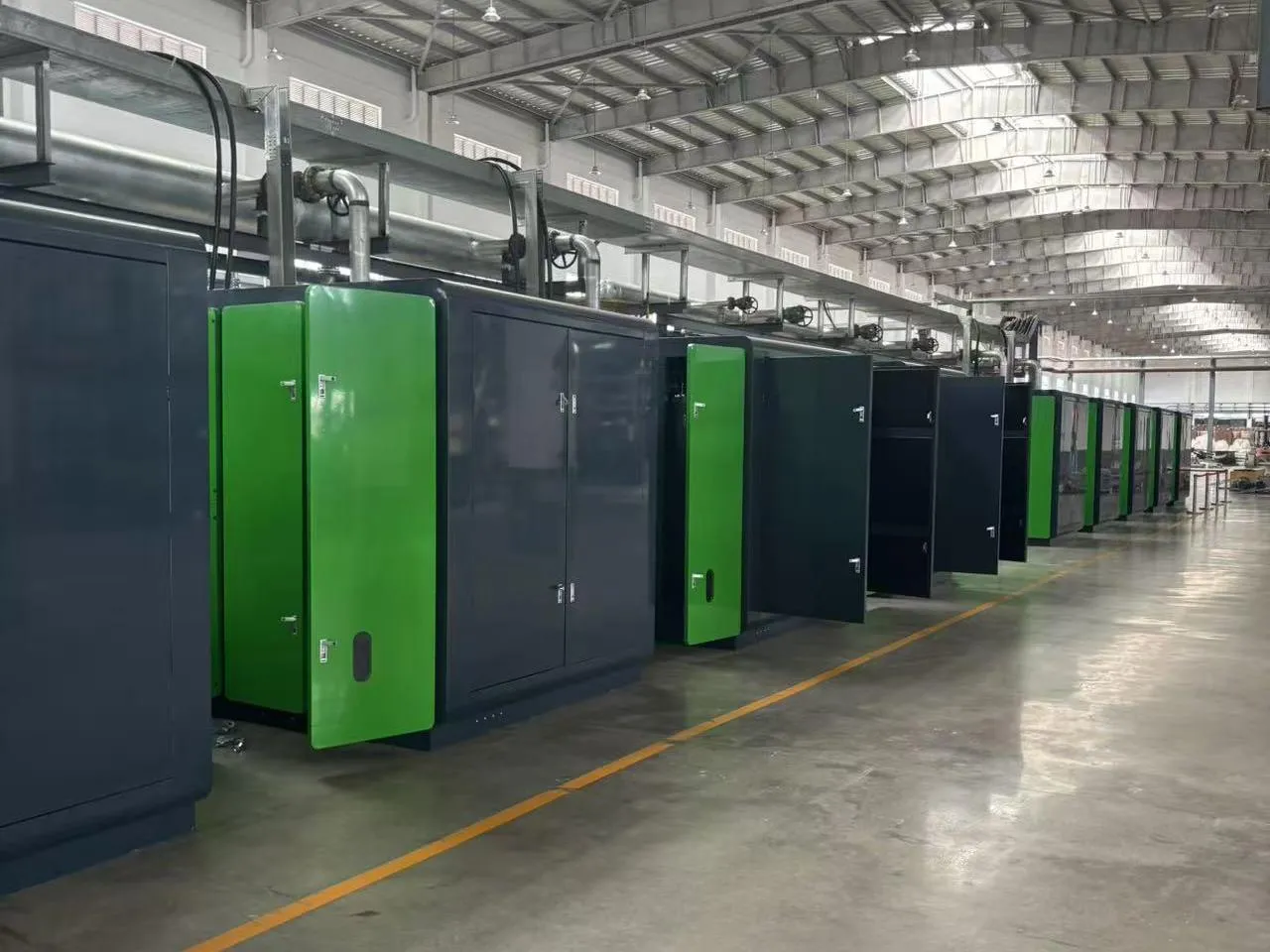 How Factories Slash Energy Costs with Energy-Efficient Air Compressors
 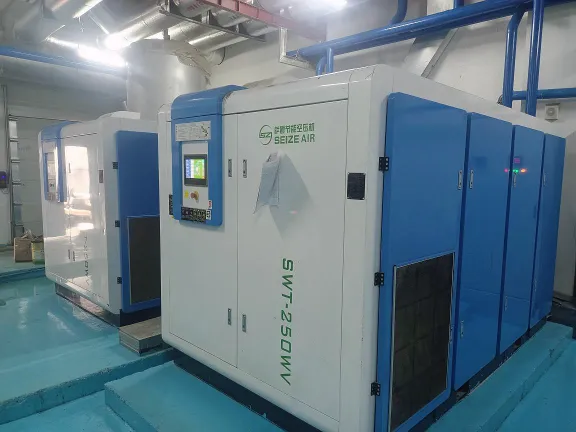 Permanent Magnet vs. Traditional Compressors: Which Saves More Money Long-Term?
  Technical Insights and Maintenance Tips for Water-Lubricated Compressors
 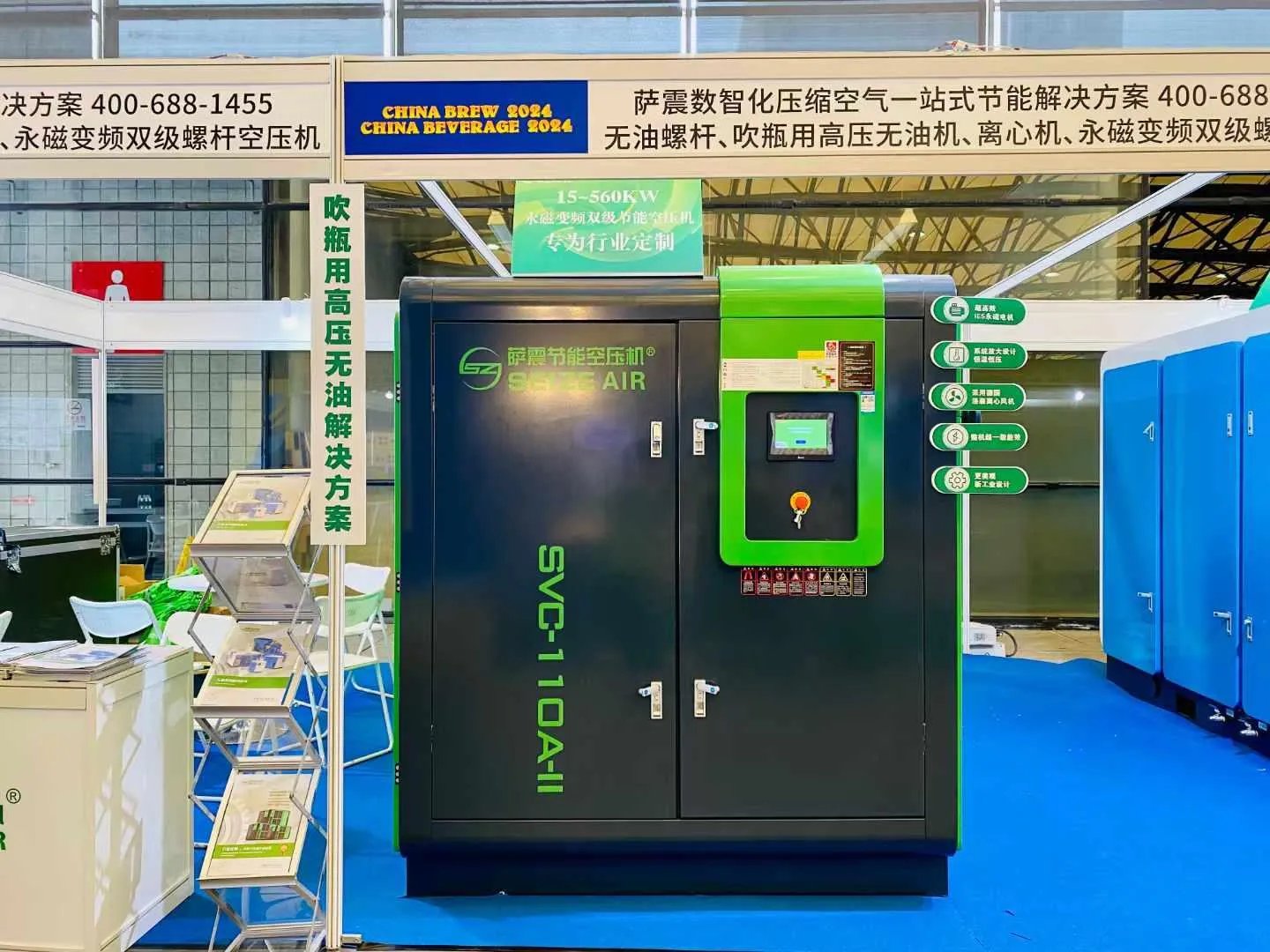 Why Oil-Free Screw Compressors Are the Future of Industrial Efficiency
 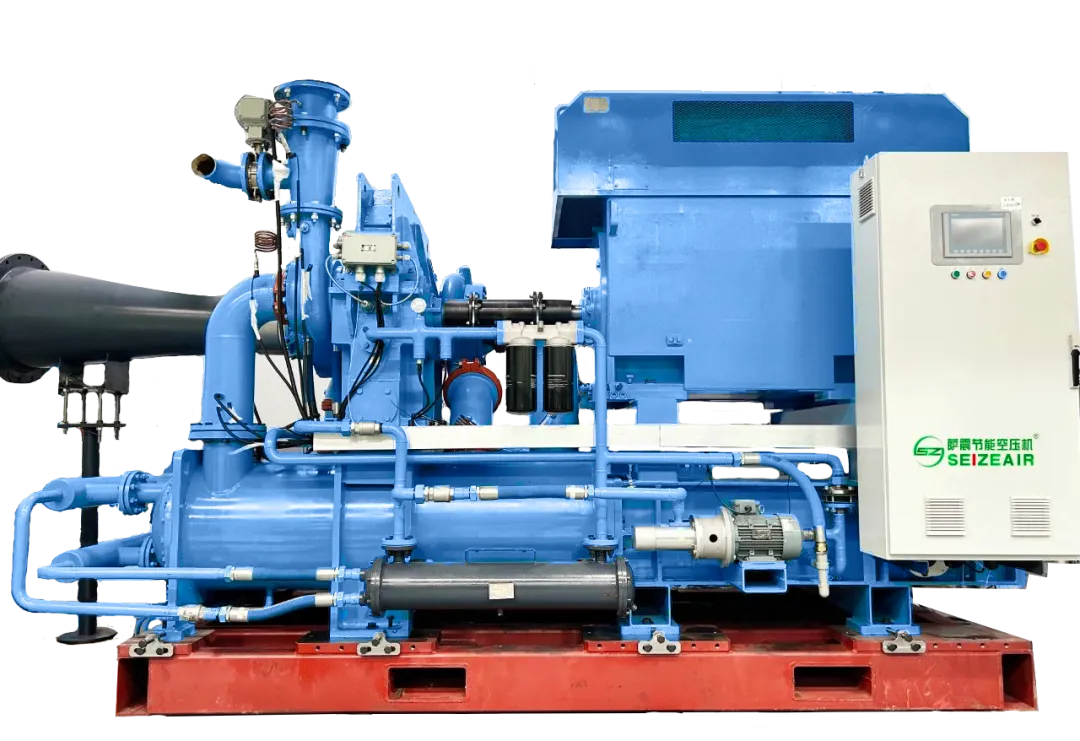 Industrial Air Compressor Solutions: Advanced Screw & Centrifugal Systems for Maximum ROI
 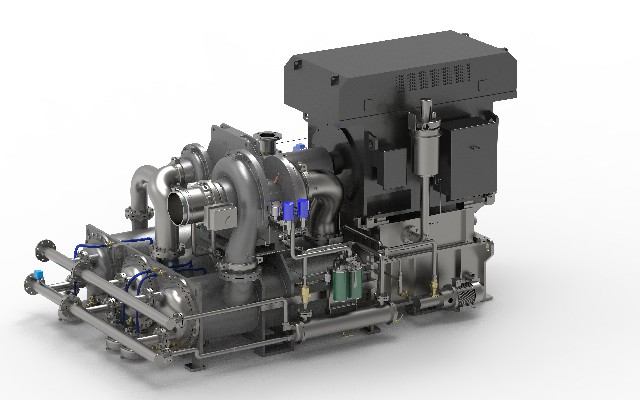 Energy-Efficient Compressors for Industrial Applications: Two-Stage Screw vs. Centrifugal Solutions
  Energy-Efficient Air Compressors Manufacturer in China | [Your Company Name] – Powering Sustainability Worldwide
  Coandă Effect in Air Compressor Research: Enhancing Efficiency and Innovation