
How to Choose Between Dry and Water-Lubricated Oil-Free Screw Compressors: A Comprehensive Comparison
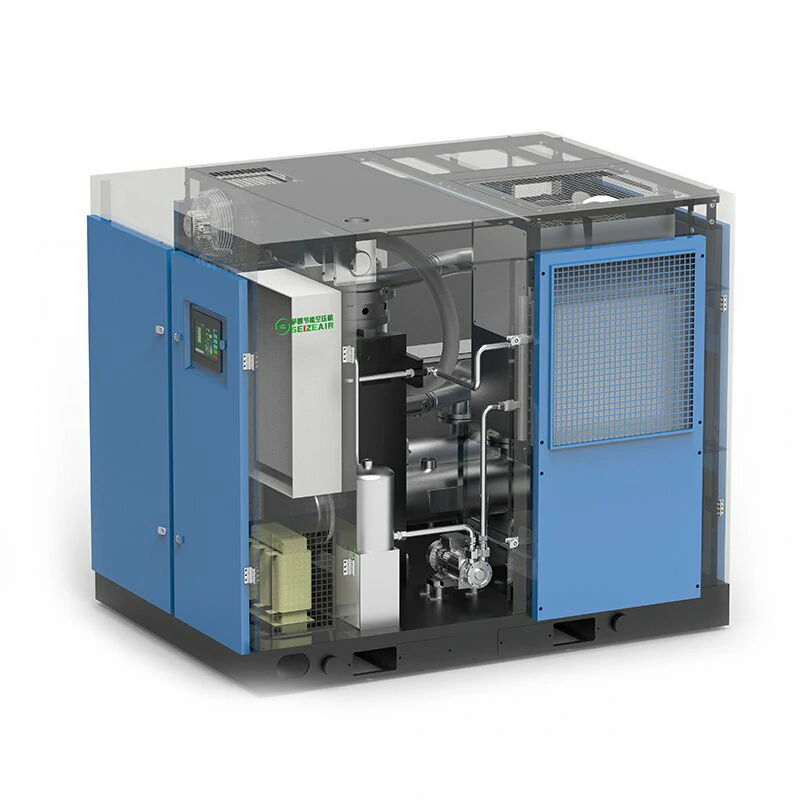
1. Dry Oil-Free Screw Compressors
How They Work:
Dry oil-free compressors use precision-engineered rotors (typically made of hardened steel or advanced alloys) that mesh without direct contact. The absence of oil means no lubrication is used in the compression chamber, ensuring 100% oil-free air.
Advantages
- High Reliability: Robust rotor design and advanced sealing technology reduce wear, leading to longer service life.
- Low Maintenance: No oil system means fewer components to maintain (e.g., no oil filters, separators, or oil changes).
- Energy Efficiency: Optimized rotor profiles minimize energy loss, making them cost-effective for continuous operation.
- Pressure Range Flexibility: Suitable for high-pressure applications (up to 30 bar/435 psi) common in manufacturing and heavy industry.
- Environmental Compliance: No oil waste or emissions, aligning with strict environmental regulations.
Disadvantages
- Higher Initial Cost: Advanced materials and precision engineering increase upfront expenses.
- Heat Management Challenges: Friction generates more heat, requiring efficient cooling systems.
- Limited Lubrication Options: No oil means reliance on rotor coatings or surface treatments to reduce wear, which may degrade over time.
- Noise Levels: Can be louder than water-lubricated models due to metal-on-metal contact.
2. Water-Lubricated Oil-Free Screw Compressors
How They Work:
These compressors use water as a natural lubricant and coolant in the compression chamber. The water reduces friction between rotors and cools the compressed air, eliminating the need for oil.
Advantages
- Lower Initial Cost: Simpler design and fewer components (e.g., no oil system) reduce upfront investment.
- Eco-Friendly Operation: Water is a sustainable lubricant, and the system produces no oil waste.
- Quiet Operation: Water dampens noise, making it ideal for noise-sensitive environments.
- Cooling Efficiency: Water cools the compressed air, reducing the need for external cooling systems.
- Scalability: Often used in medium-pressure applications (up to 13 bar/188 psi) and large-scale installations.
Disadvantages
- Higher Maintenance: Requires regular water quality checks, filtration, and treatment to prevent corrosion or scaling.
- Water Quality Dependency: Poor water quality (e.g., high mineral content) can damage rotors or clog systems.
- Pressure Limitations: Less suitable for high-pressure applications compared to dry systems.
- Space Requirements: Needs additional infrastructure for water storage, filtration, and drainage.
- Potential Contamination Risks: Moisture in compressed air may require drying systems (e.g., desiccant dryers) for certain industries.
Key Comparison Table
| Feature | Dry Oil-Free | Water-Lubricated |
|---|---|---|
| Lubrication Method | No lubricant (metal-on-metal rotors) | Water as lubricant and coolant |
| Initial Cost | Higher | Lower |
| Maintenance | Low (no oil system) | Moderate (water treatment required) |
| Pressure Range | Up to 30 bar | Up to 13 bar |
| Noise Levels | Higher | Lower |
| Environmental Impact | Zero oil waste | Water usage and treatment required |
| Best For | High-pressure, heavy industry, cleanrooms | Medium-pressure, food/pharma, eco-conscious facilities |
When to Choose Dry Oil-Free Compressors?
- High-pressure applications (e.g., metalworking, mining).
- Cleanroom environments (pharmaceuticals, electronics).
- Industries prioritizing minimal maintenance (e.g., 24/7 manufacturing).
- Regions with strict environmental regulations (no oil contamination risk).
When to Choose Water-Lubricated Compressors?
- Medium-pressure needs (e.g., food processing, packaging).
- Noise-sensitive areas (e.g., hospitals, residential zones).
- Budget constraints (lower upfront costs).
- Sectors with access to clean water (e.g., water treatment plants).
Final Considerations
- Total Cost of Ownership (TCO): Dry systems may have higher upfront costs but lower long-term maintenance. Water-lubricated systems require ongoing water treatment expenses.
- Air Quality Standards: Both meet ISO 8573-1 Class 0, but dry compressors are preferred for zero moisture tolerance (e.g., semiconductor manufacturing).
- Sustainability Goals: Water-lubricated systems align with eco-friendly initiatives, while dry systems reduce energy consumption.
Conclusion
The choice between dry oil-free and water-lubricated screw compressors hinges on your operational needs, budget, and environmental priorities. Dry systems excel in high-pressure, low-maintenance scenarios, while water-lubricated models offer cost savings and quiet operation. Conduct a detailed cost-benefit analysis and consult with suppliers to align your selection with long-term goals.
? Phone: +86-15021218862
? Email: sales@seize-air.com
 Seize Oil-Free Screw Blowers: The Ultimate Energy-Efficient Air Compressor Solution for Industry 4.0
  Maximize Energy Efficiency with Heat Recovery Systems for Energy-Saving Air Compressors
  Top 7 Advantages of Centrifugal Blowers for Industrial Applications
  The Revolutionary Benefits of Permanent Magnet Variable Frequency Air Compressors: A Game-Changer for Modern Industries
  Variable Speed vs. Fixed Speed Air Compressors: Key Differences, Pros & Cons
  Centrifugal vs. Reciprocating Air Compressors: Why Centrifugal Wins for Industrial Applications
  How to Calculate Air Compressor Specific Energy Consumption (SEC) for Energy Savings: A Guide for Southeast Asia, Middle East, and Europe
  Single-Stage vs. Two-Stage Compression: Which Is Right for Your Needs?
  Maximize Your Savings: The Long-Term Cost Advantages of SEIZEAIR's Energy-Efficient Air Compressors
 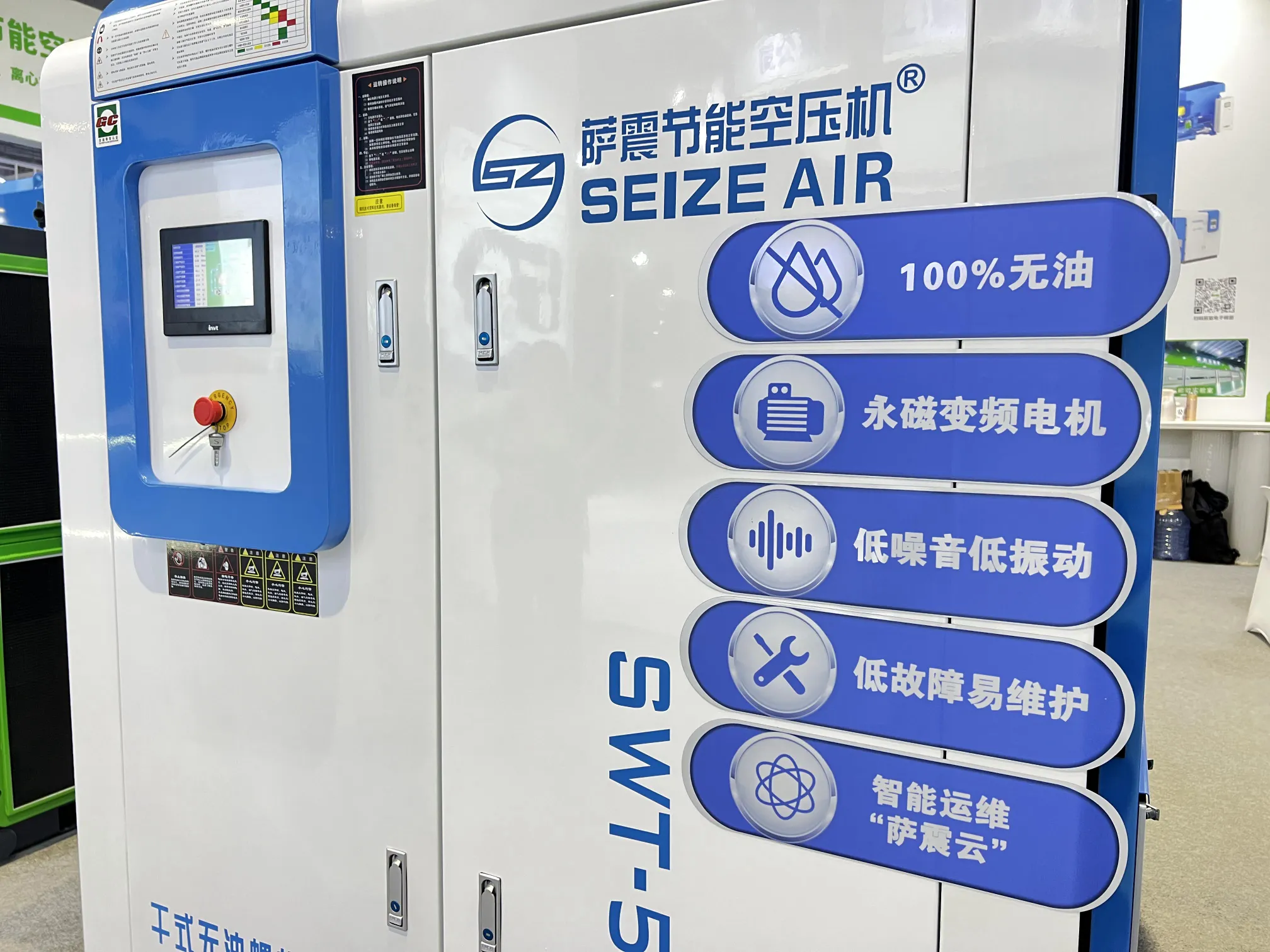 Energy Efficiency of Screw Compressors in Industrial Applications: Maximizing Savings and Sustainability
 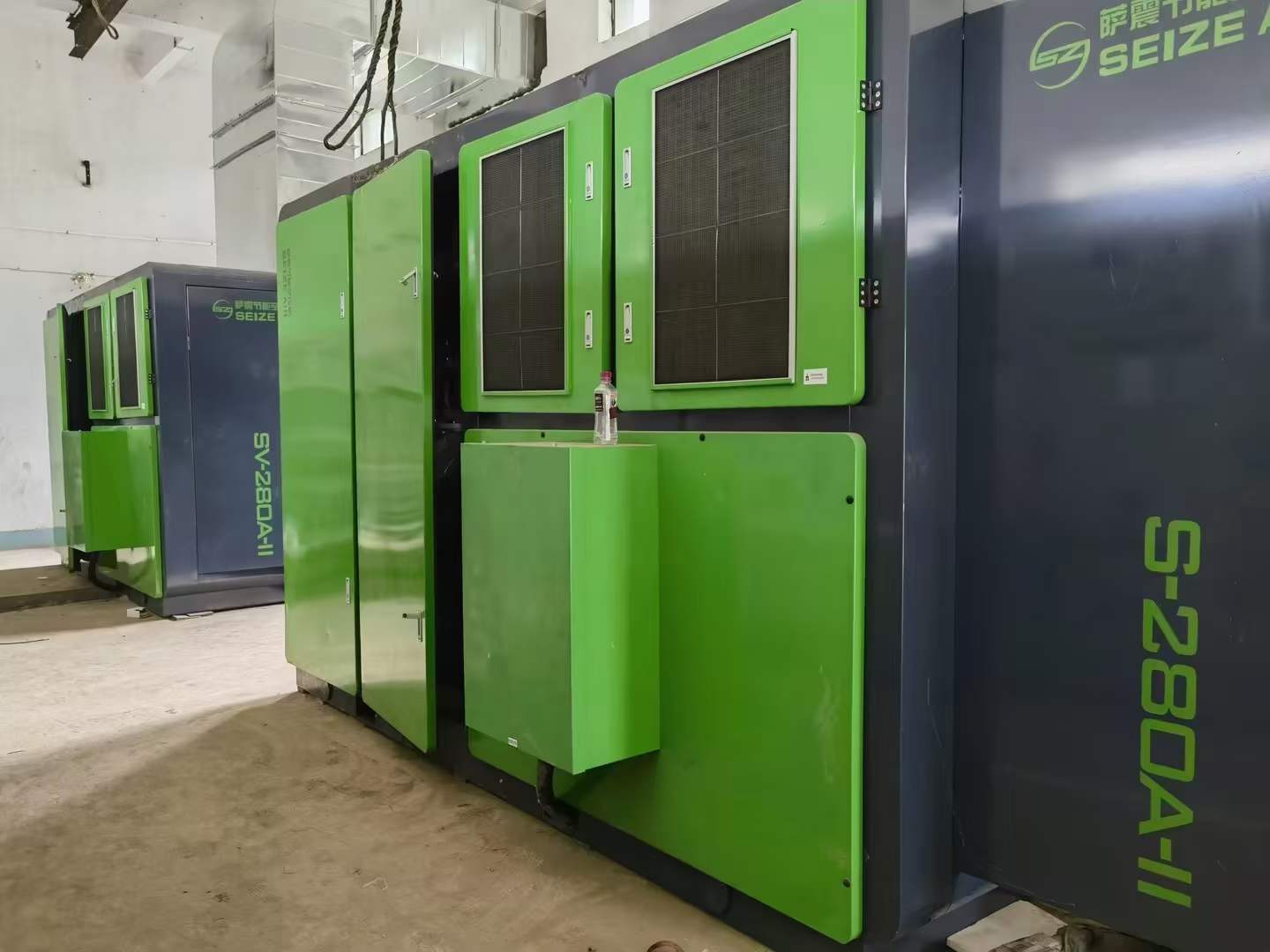 Piston vs. Screw Air Compressors: 5 Key Reasons to Choose Rotary Screw Technology
 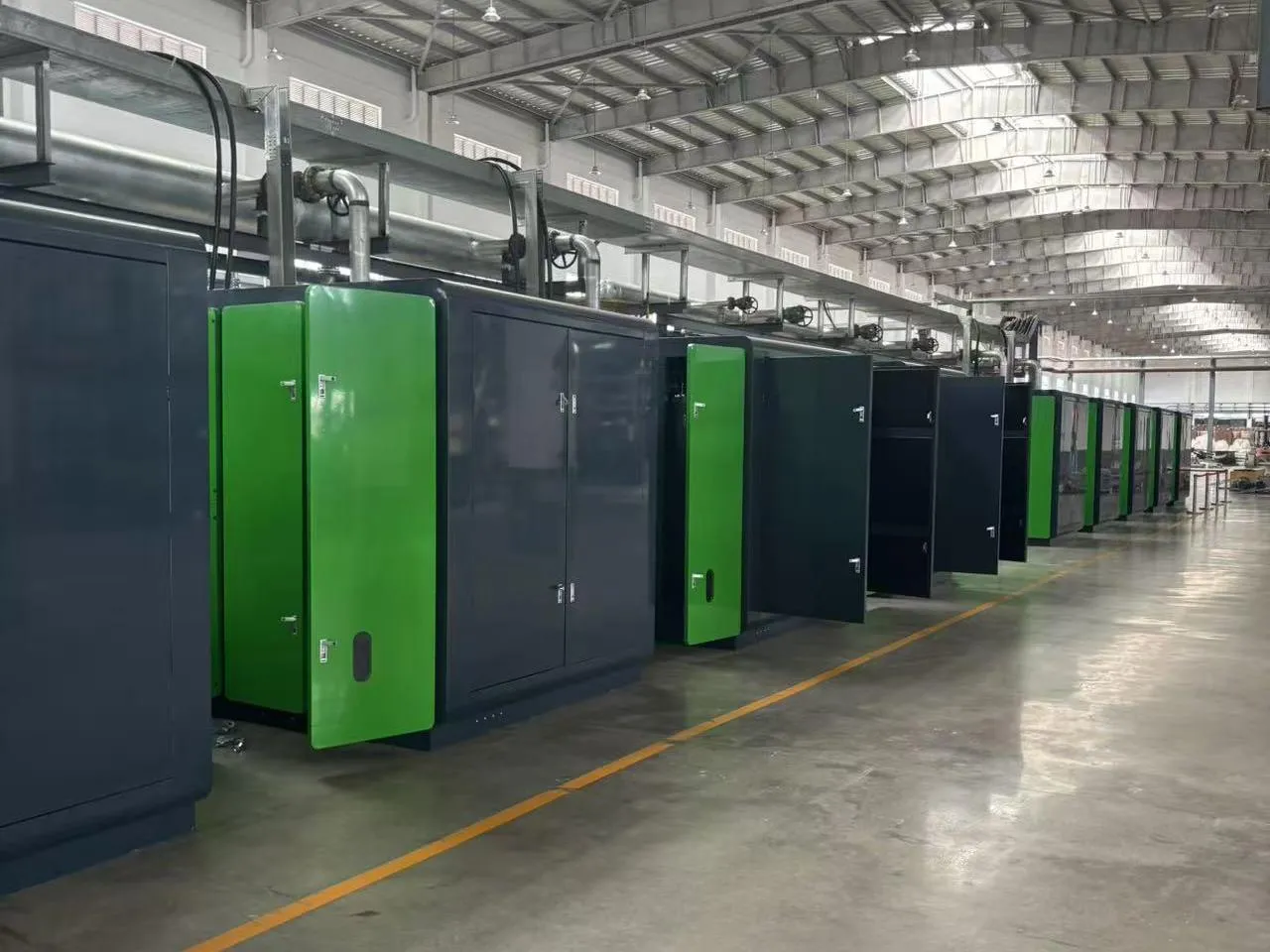 How Factories Slash Energy Costs with Energy-Efficient Air Compressors
 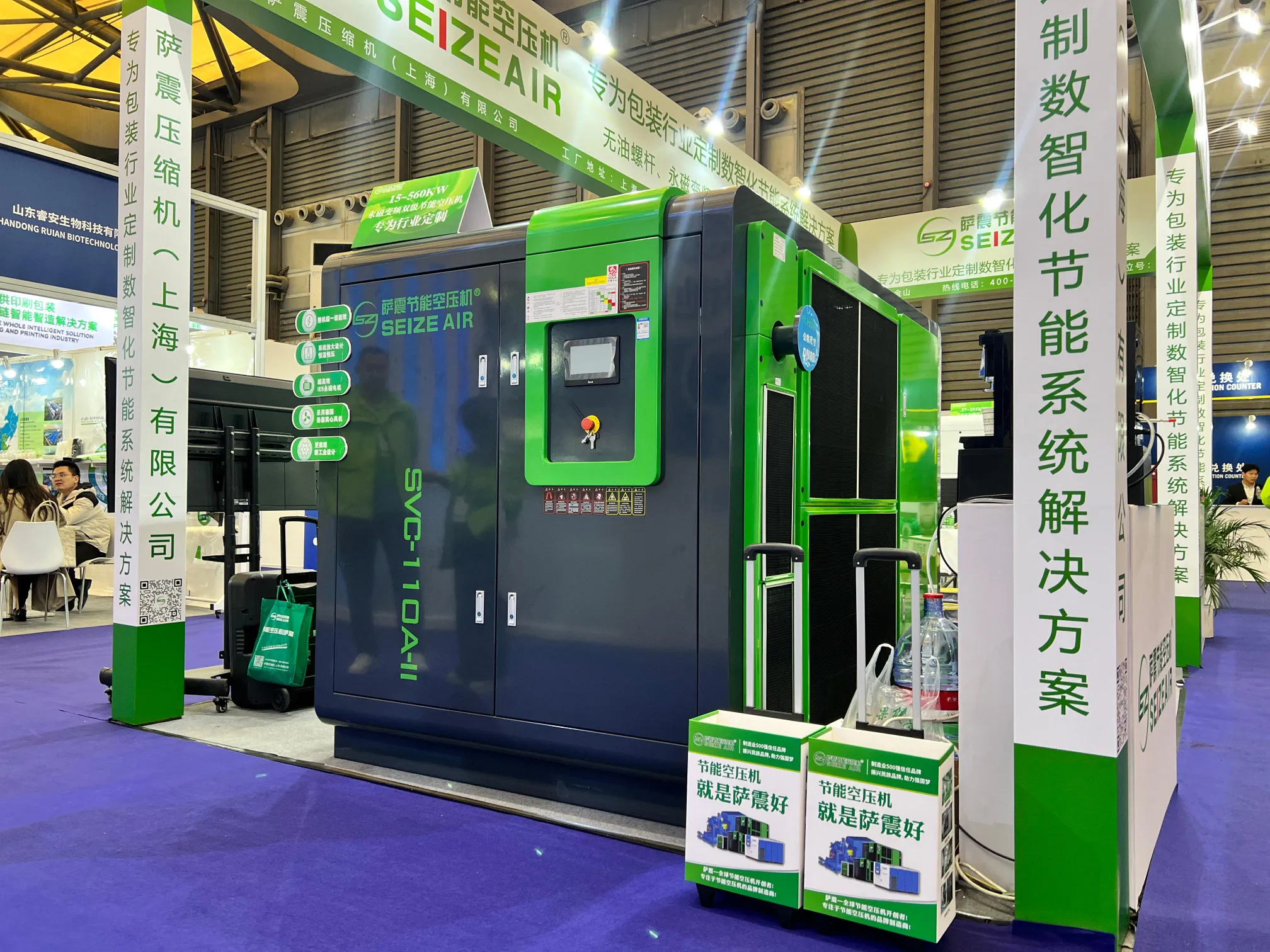 Why Piston Air Compressors Are Being Phased Out: A Consumer Perspective
  Permanent Magnet vs. Traditional Compressors: Which Saves More Money Long-Term?
  Technical Insights and Maintenance Tips for Water-Lubricated Compressors
  Why Oil-Free Screw Compressors Are the Future of Industrial Efficiency
  Industrial Air Compressor Solutions: Advanced Screw & Centrifugal Systems for Maximum ROI
  Energy-Efficient Compressors for Industrial Applications: Two-Stage Screw vs. Centrifugal Solutions
  Energy-Efficient Air Compressors Manufacturer in China | [Your Company Name] – Powering Sustainability Worldwide
  Coandă Effect in Air Compressor Research: Enhancing Efficiency and Innovation