
Top 7 Advantages of Centrifugal Blowers for Industrial Applications
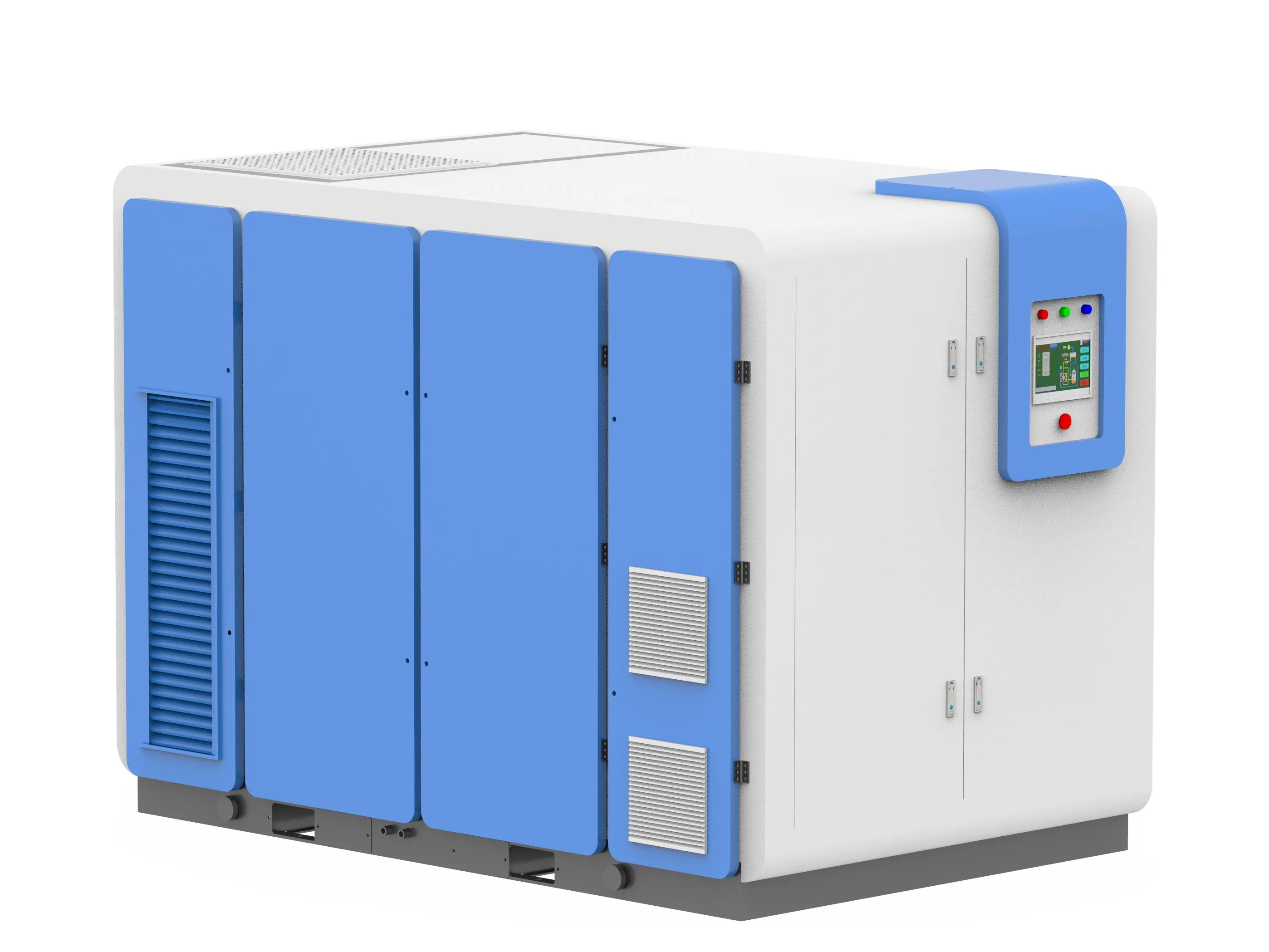
Introduction
Centrifugal blowers are indispensable in industries ranging from HVAC systems to wastewater management. Their advanced design and operational efficiency make them a preferred choice for businesses aiming to optimize performance while reducing costs. In this article, we explore the top advantages of centrifugal blowers and why they outperform alternatives like axial fans in demanding environments.
1. High Energy Efficiency & Cost Savings
Centrifugal blowers are engineered to deliver maximum airflow with minimal energy consumption. Their impeller design accelerates air radially, creating steady pressure even at variable speeds. This translates to lower electricity bills and compliance with strict energy regulations. For industries prioritizing sustainability, centrifugal models reduce carbon footprints without sacrificing output.
2. Superior Durability for Harsh Conditions
Built with robust materials like stainless steel or coated alloys, centrifugal blowers withstand extreme temperatures, corrosive gases, and abrasive particles. This makes them ideal for:
- Chemical processing plants
- Wastewater treatment facilities
- Mining and construction sites
Their rugged construction ensures longer lifespans and fewer replacements, driving down long-term operational costs.
3. Low Maintenance Requirements
Unlike piston-driven compressors or axial fans, centrifugal blowers have fewer moving parts. This simplifies maintenance and reduces downtime. Key features include:
- Self-lubricating bearings
- Easy-access inspection panels
- Minimal vibration for stable operation
Businesses save on repair expenses and keep production lines running smoothly.
4. Quiet Operation for Noise-Sensitive Environments
Centrifugal blowers operate at lower decibel levels compared to traditional fans. Their enclosed design and aerodynamic blades reduce turbulence, making them suitable for:
- Hospitals and laboratories
- Office buildings
- Food processing facilities
This noise reduction improves workplace safety and comfort.
5. Versatile Performance Across Industries
From controlling air quality in HVAC systems to drying materials in manufacturing, centrifugal blowers adapt to diverse tasks. Their adjustable speed settings and pressure control enable customization for:
- Pneumatic conveying
- Combustion air supply
- Dust collection systems
6. Compact Design for Space Optimization
Centrifugal blowers feature a space-saving footprint, ideal for facilities with limited room. Their vertical or horizontal configurations fit seamlessly into existing setups, reducing the need for costly structural modifications.
7. Enhanced Safety & Reliability
With no risk of oil contamination (common in screw compressors) and fail-safe overheating protection, centrifugal blowers prioritize operational safety. They’re also less prone to mechanical failures, ensuring uninterrupted productivity in critical applications.
Conclusion
Centrifugal blowers offer unmatched efficiency, durability, and adaptability for modern industries. Whether you’re upgrading existing systems or designing new infrastructure, their advantages translate to measurable ROI and operational excellence.
Ready to optimize your airflow systems? [Contact us] today to explore premium centrifugal blowers tailored to your needs!
? Phone: +86-15021218862
? Email: sales@seize-air.com
 Seize Oil-Free Screw Blowers: The Ultimate Energy-Efficient Air Compressor Solution for Industry 4.0
 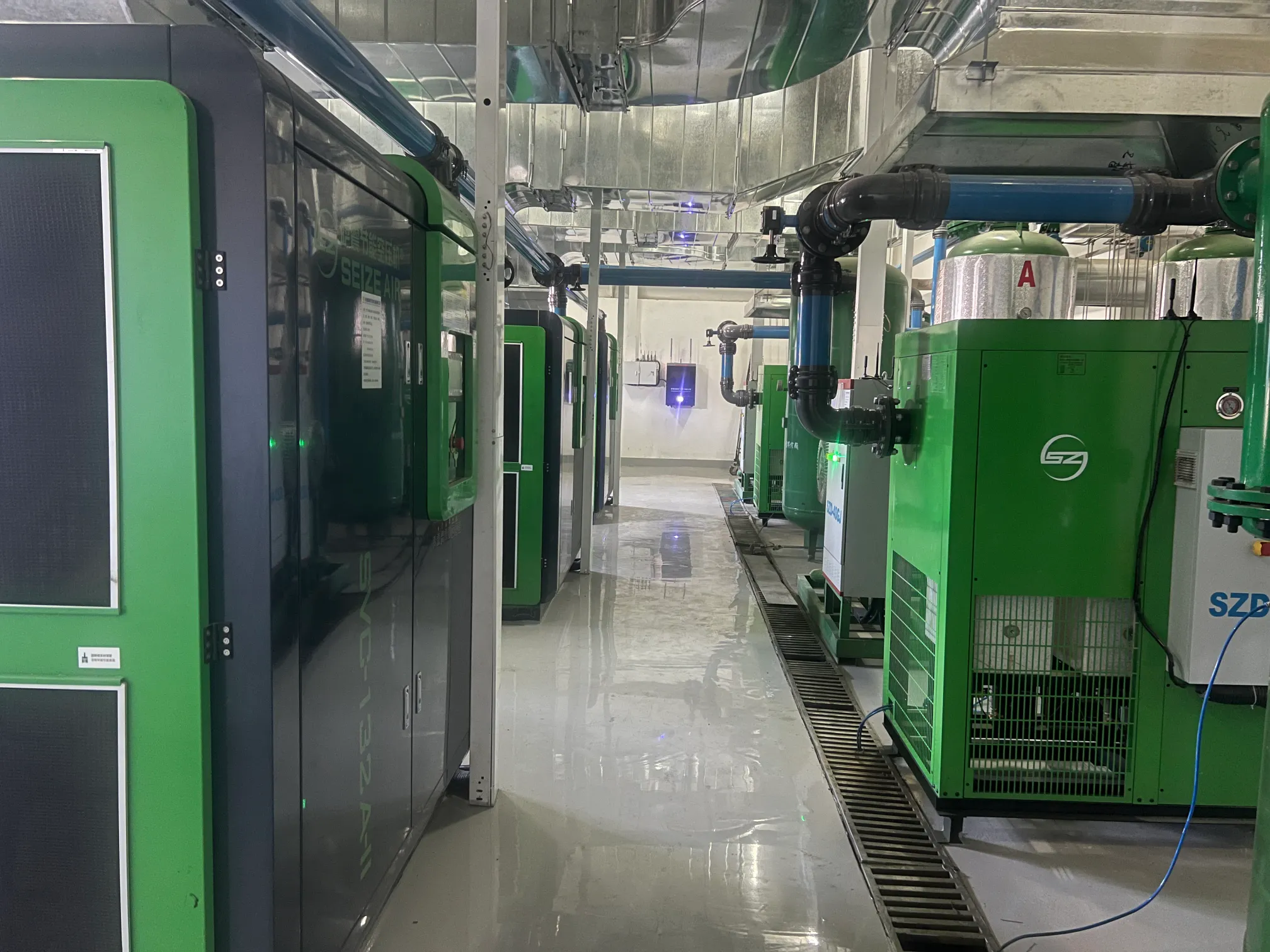 Maximize Energy Efficiency with Heat Recovery Systems for Energy-Saving Air Compressors
 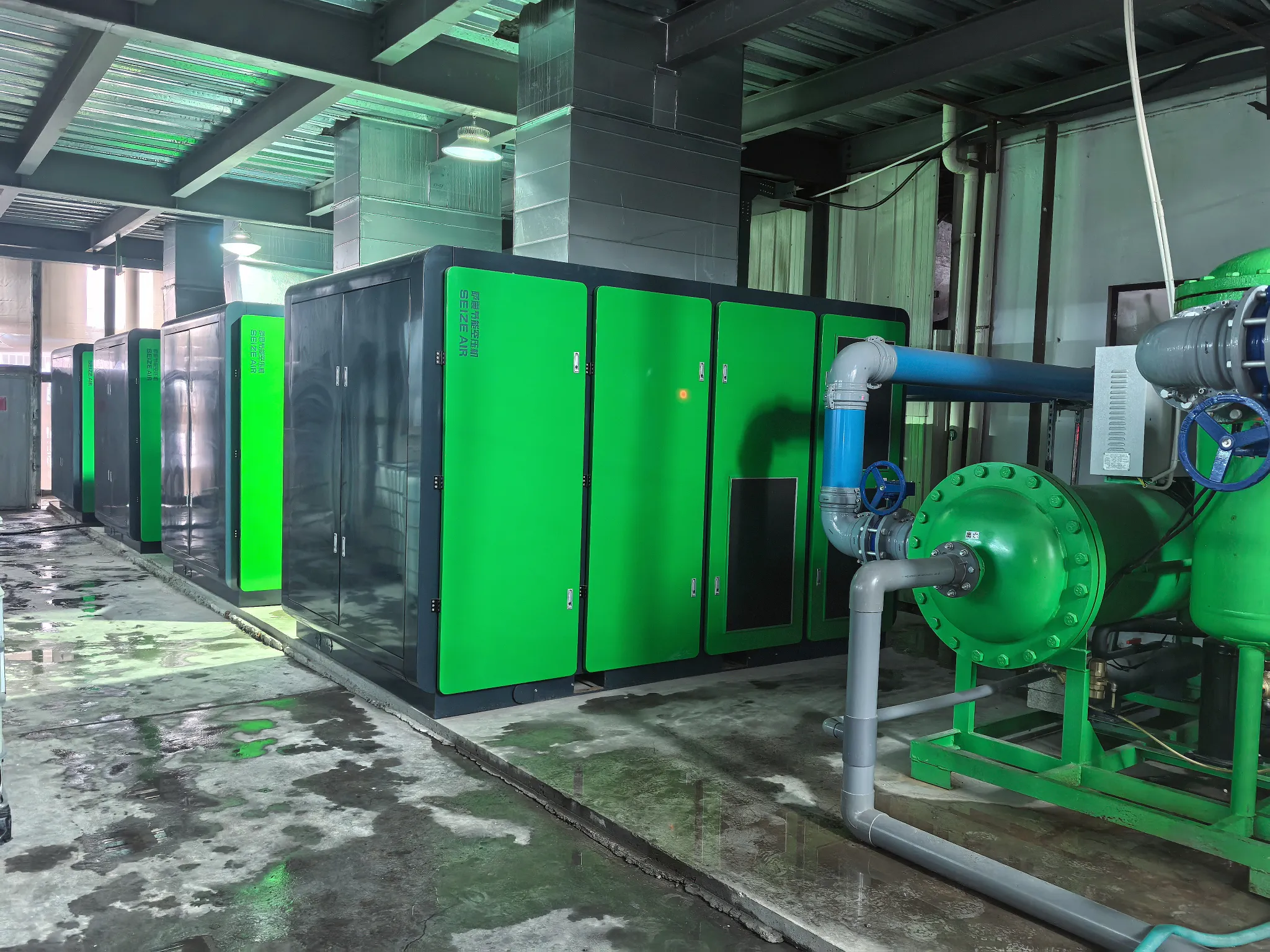 The Revolutionary Benefits of Permanent Magnet Variable Frequency Air Compressors: A Game-Changer for Modern Industries
 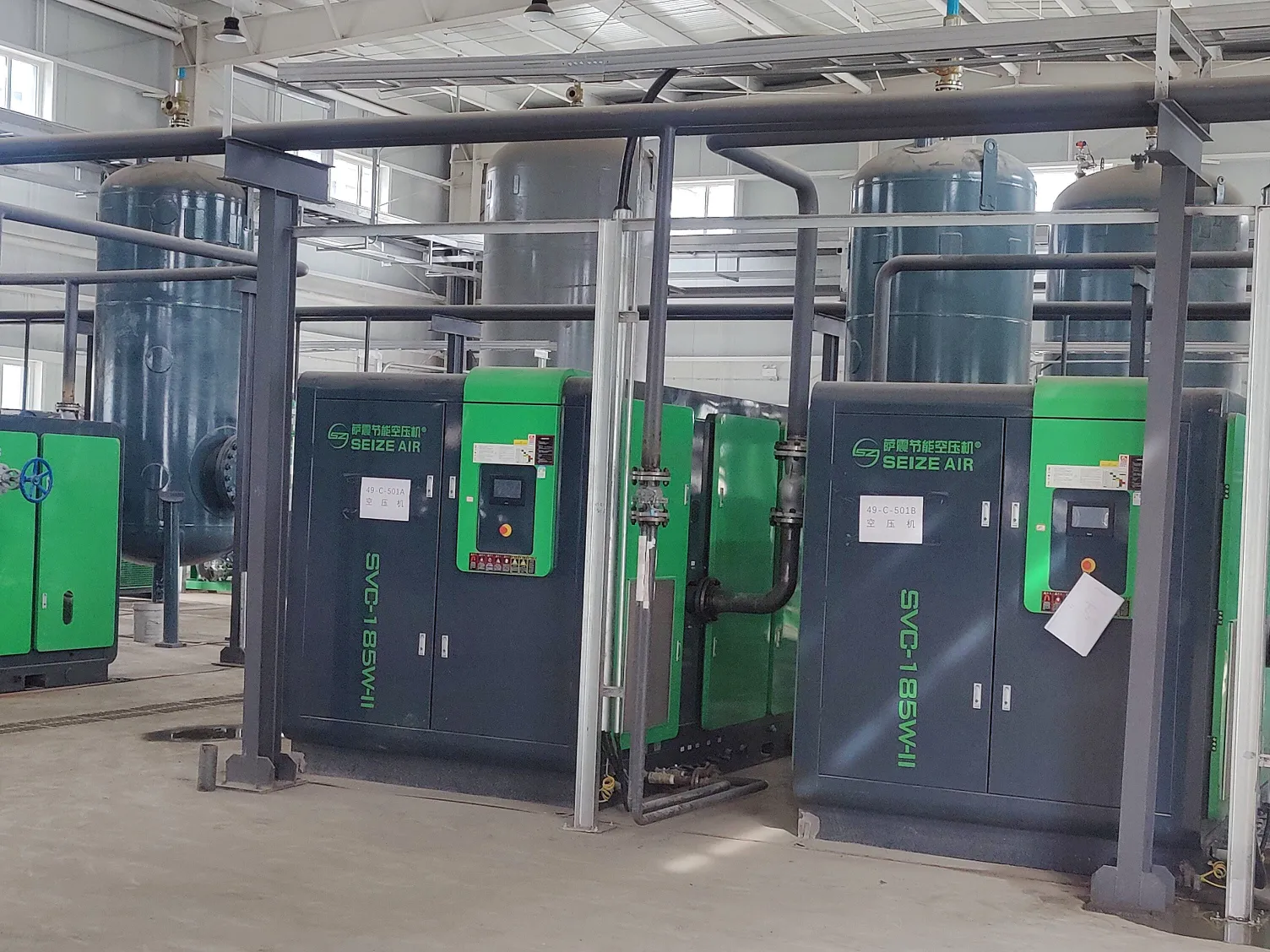 Variable Speed vs. Fixed Speed Air Compressors: Key Differences, Pros & Cons
 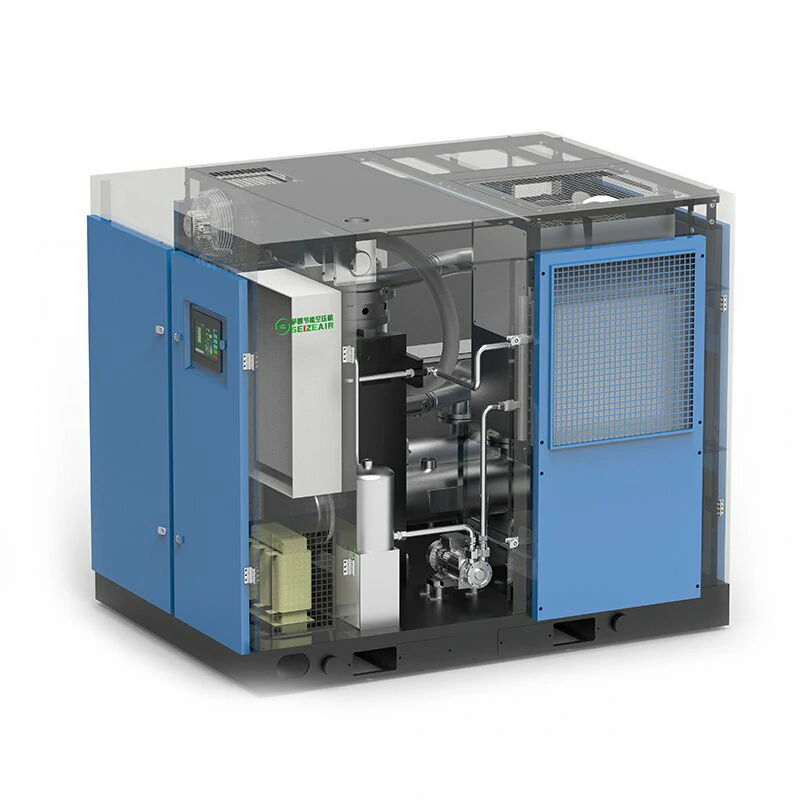 How to Choose Between Dry and Water-Lubricated Oil-Free Screw Compressors: A Comprehensive Comparison
 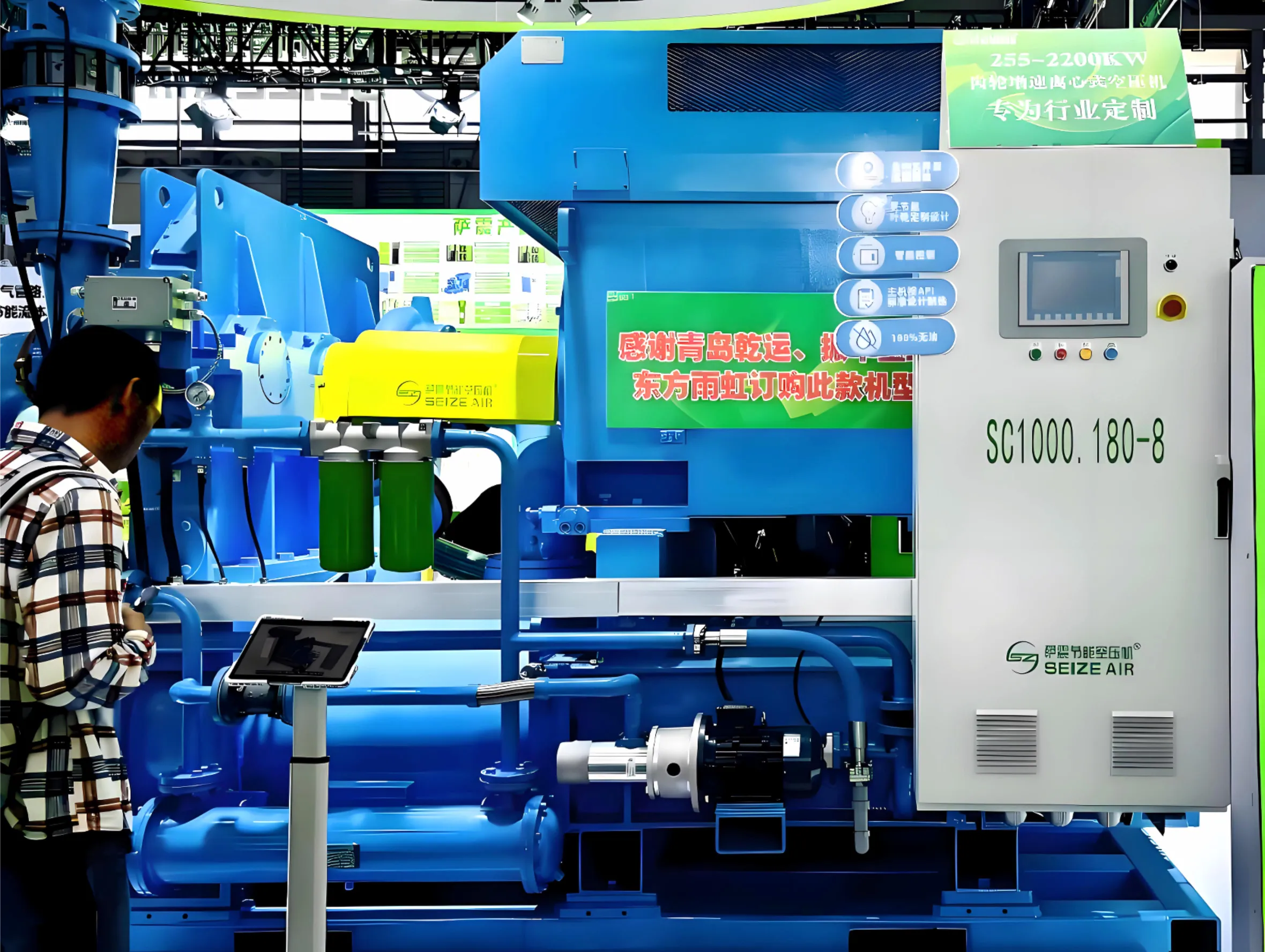 Centrifugal vs. Reciprocating Air Compressors: Why Centrifugal Wins for Industrial Applications
 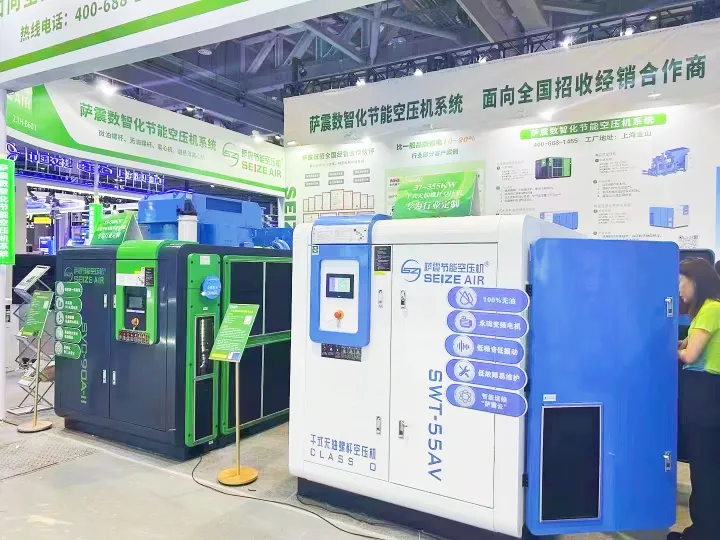 How to Calculate Air Compressor Specific Energy Consumption (SEC) for Energy Savings: A Guide for Southeast Asia, Middle East, and Europe
  Single-Stage vs. Two-Stage Compression: Which Is Right for Your Needs?
 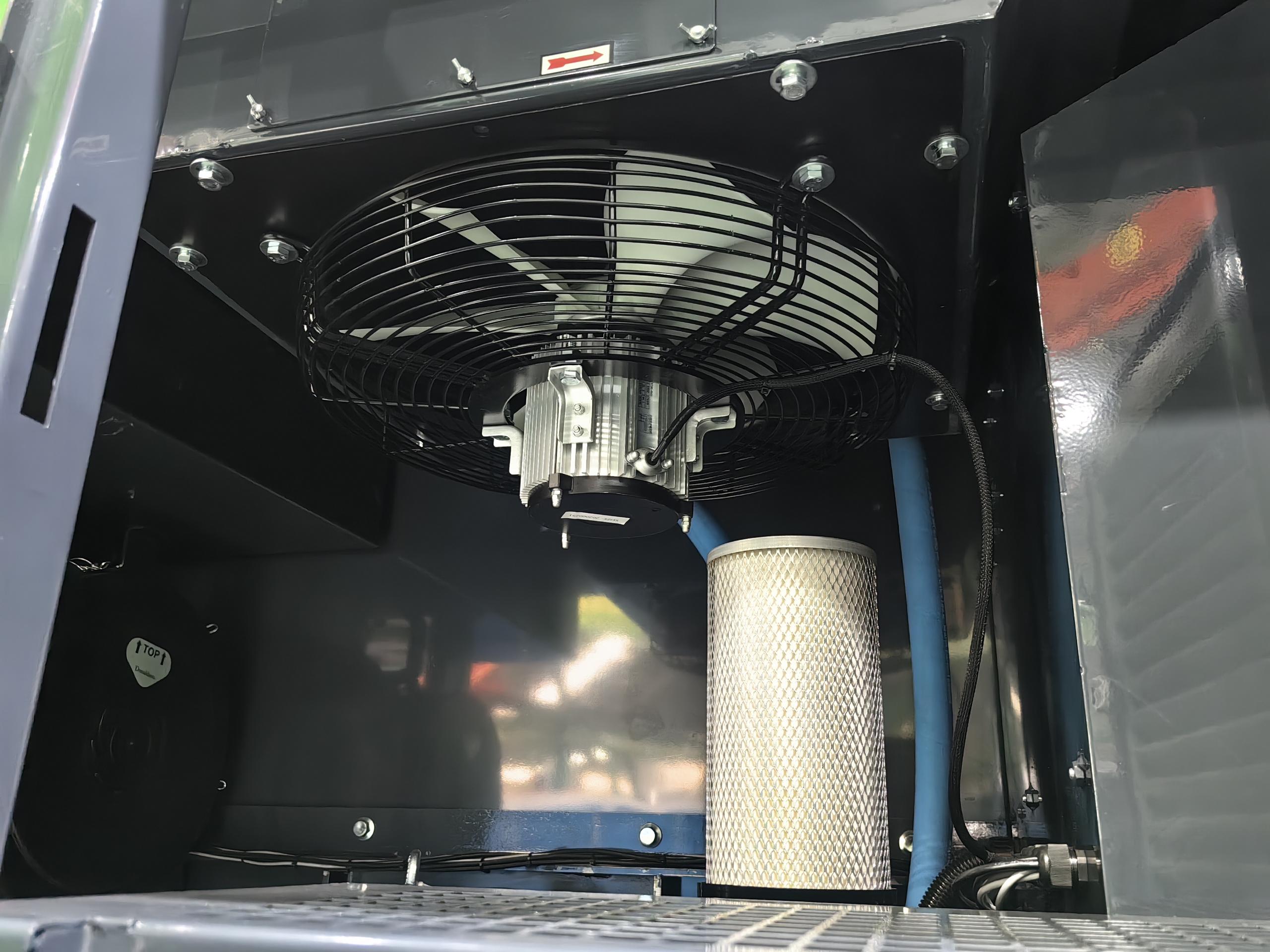 Maximize Your Savings: The Long-Term Cost Advantages of SEIZEAIR's Energy-Efficient Air Compressors
 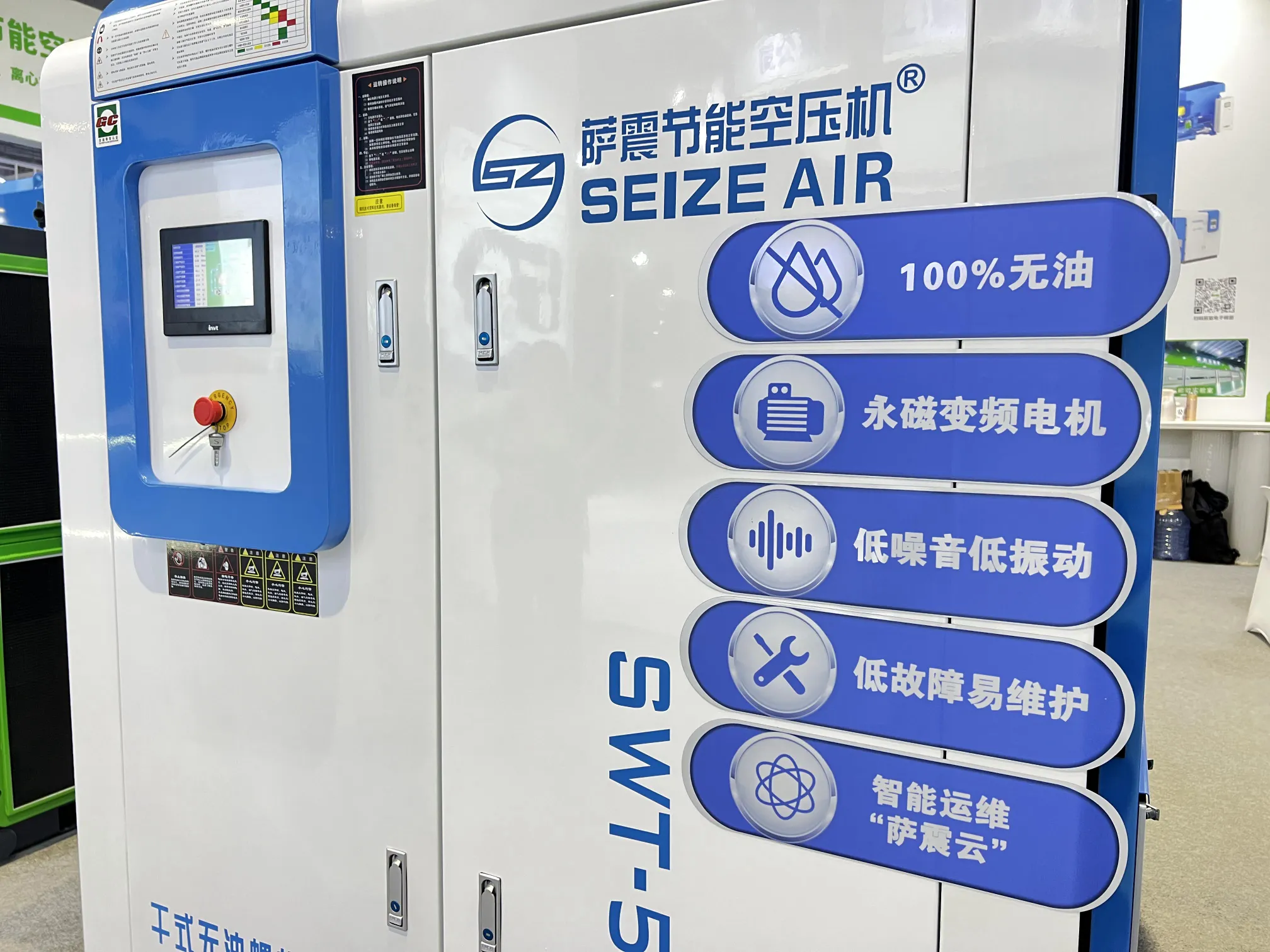 Energy Efficiency of Screw Compressors in Industrial Applications: Maximizing Savings and Sustainability
 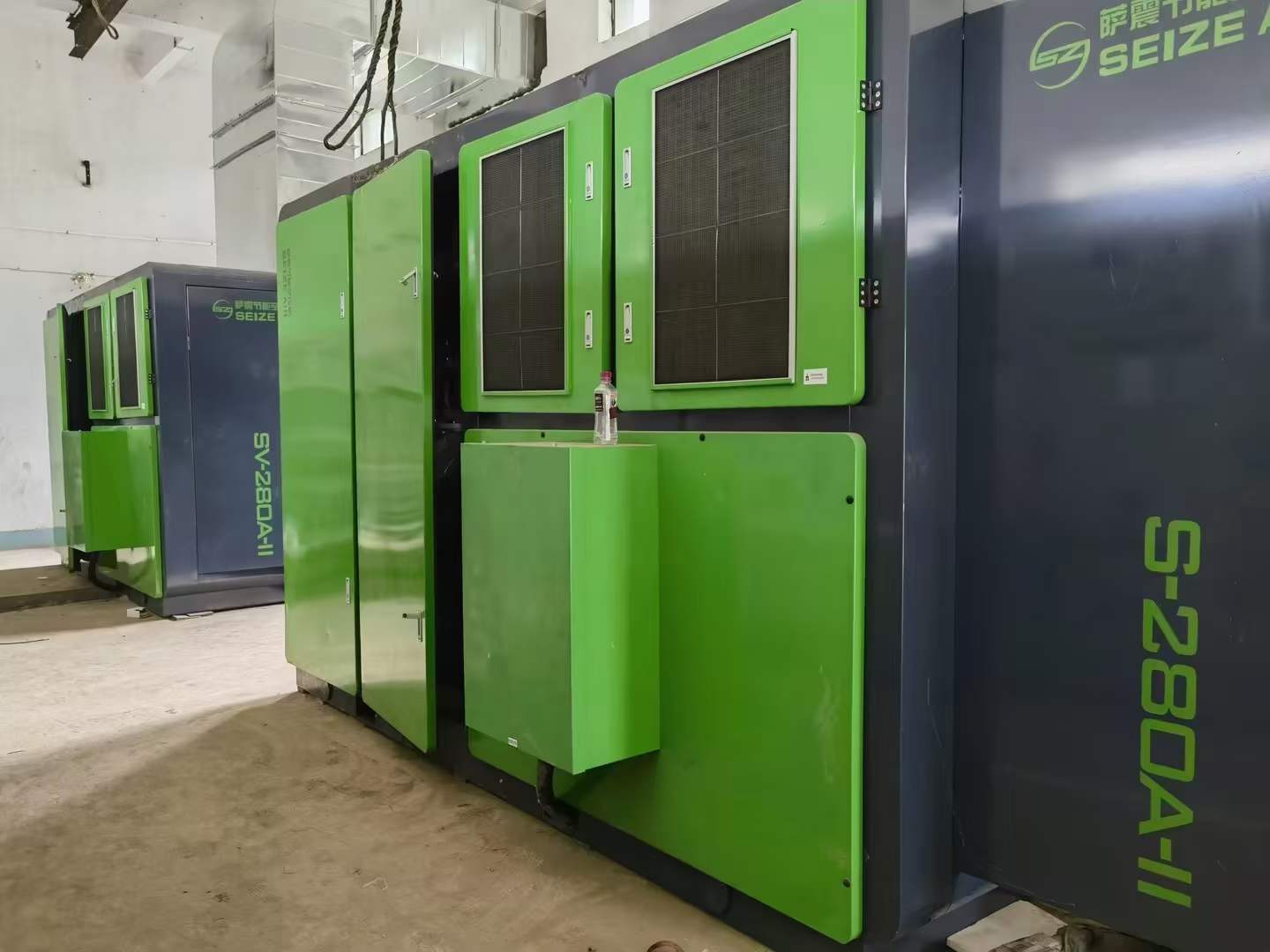 Piston vs. Screw Air Compressors: 5 Key Reasons to Choose Rotary Screw Technology
 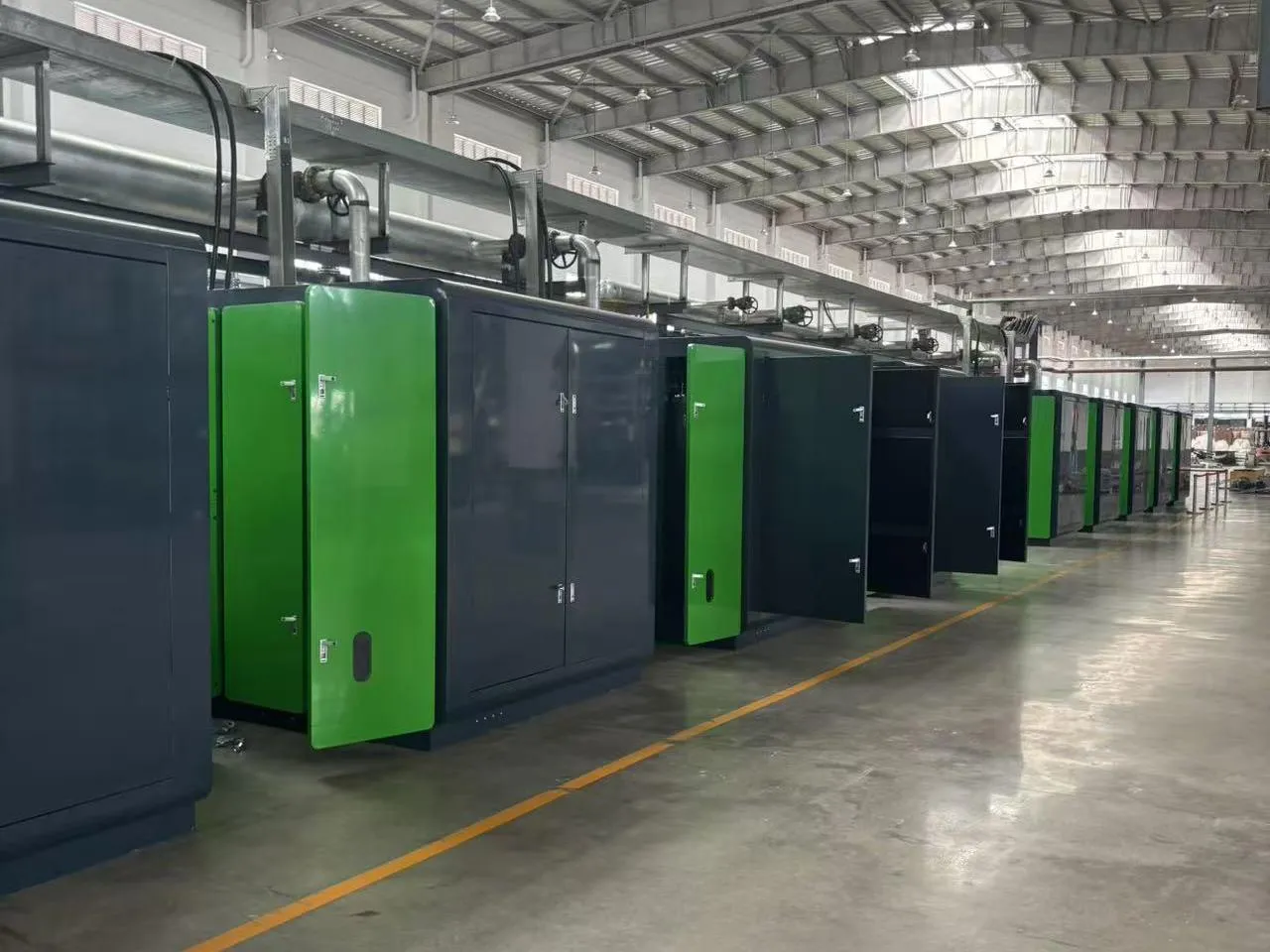 How Factories Slash Energy Costs with Energy-Efficient Air Compressors
 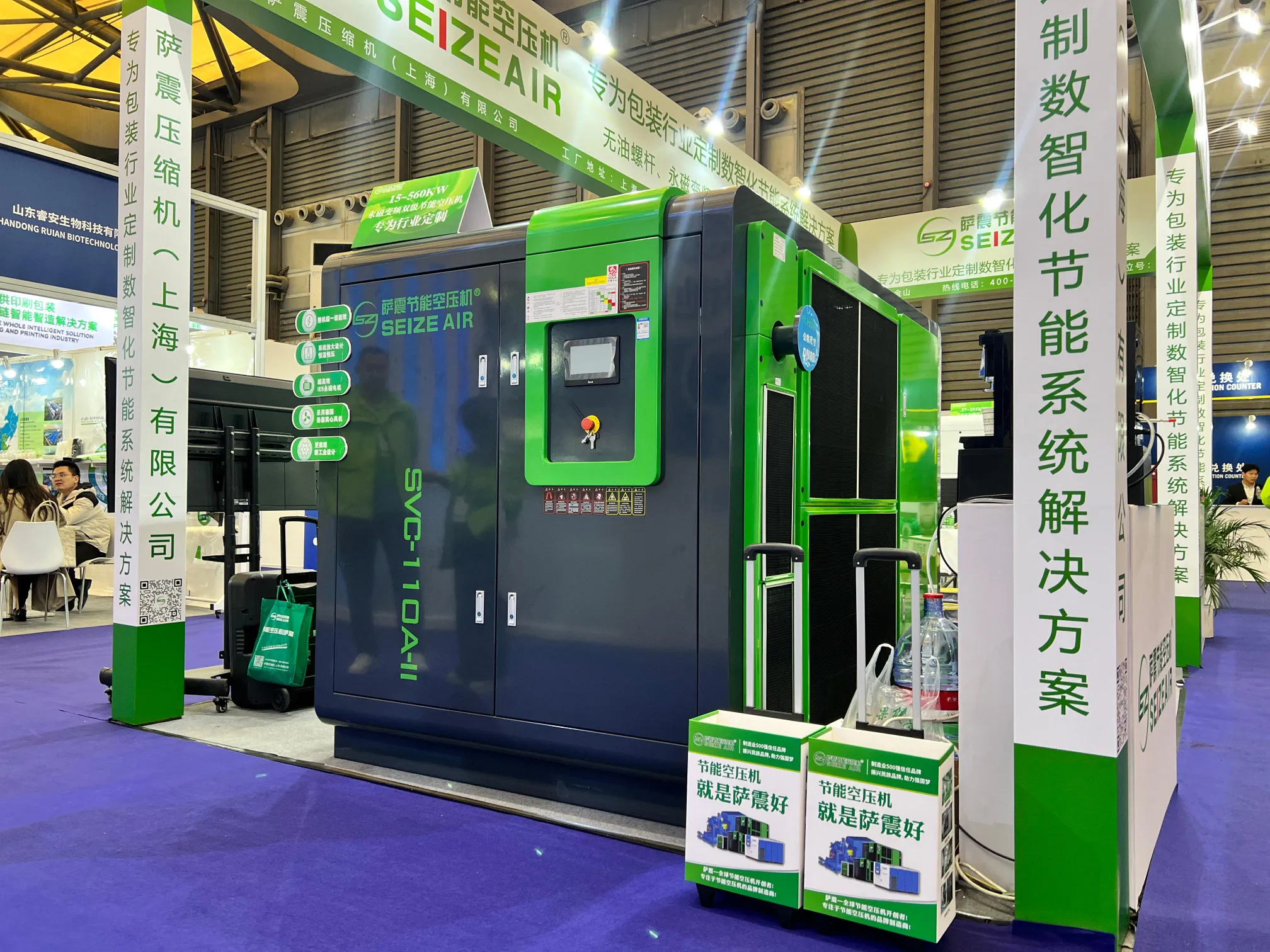 Why Piston Air Compressors Are Being Phased Out: A Consumer Perspective
  Permanent Magnet vs. Traditional Compressors: Which Saves More Money Long-Term?
  Technical Insights and Maintenance Tips for Water-Lubricated Compressors
  Why Oil-Free Screw Compressors Are the Future of Industrial Efficiency
  Industrial Air Compressor Solutions: Advanced Screw & Centrifugal Systems for Maximum ROI
  Energy-Efficient Compressors for Industrial Applications: Two-Stage Screw vs. Centrifugal Solutions
  Energy-Efficient Air Compressors Manufacturer in China | [Your Company Name] – Powering Sustainability Worldwide
  Coandă Effect in Air Compressor Research: Enhancing Efficiency and Innovation