
Centrifugal vs. Reciprocating Air Compressors: Why Centrifugal Wins for Industrial Applications
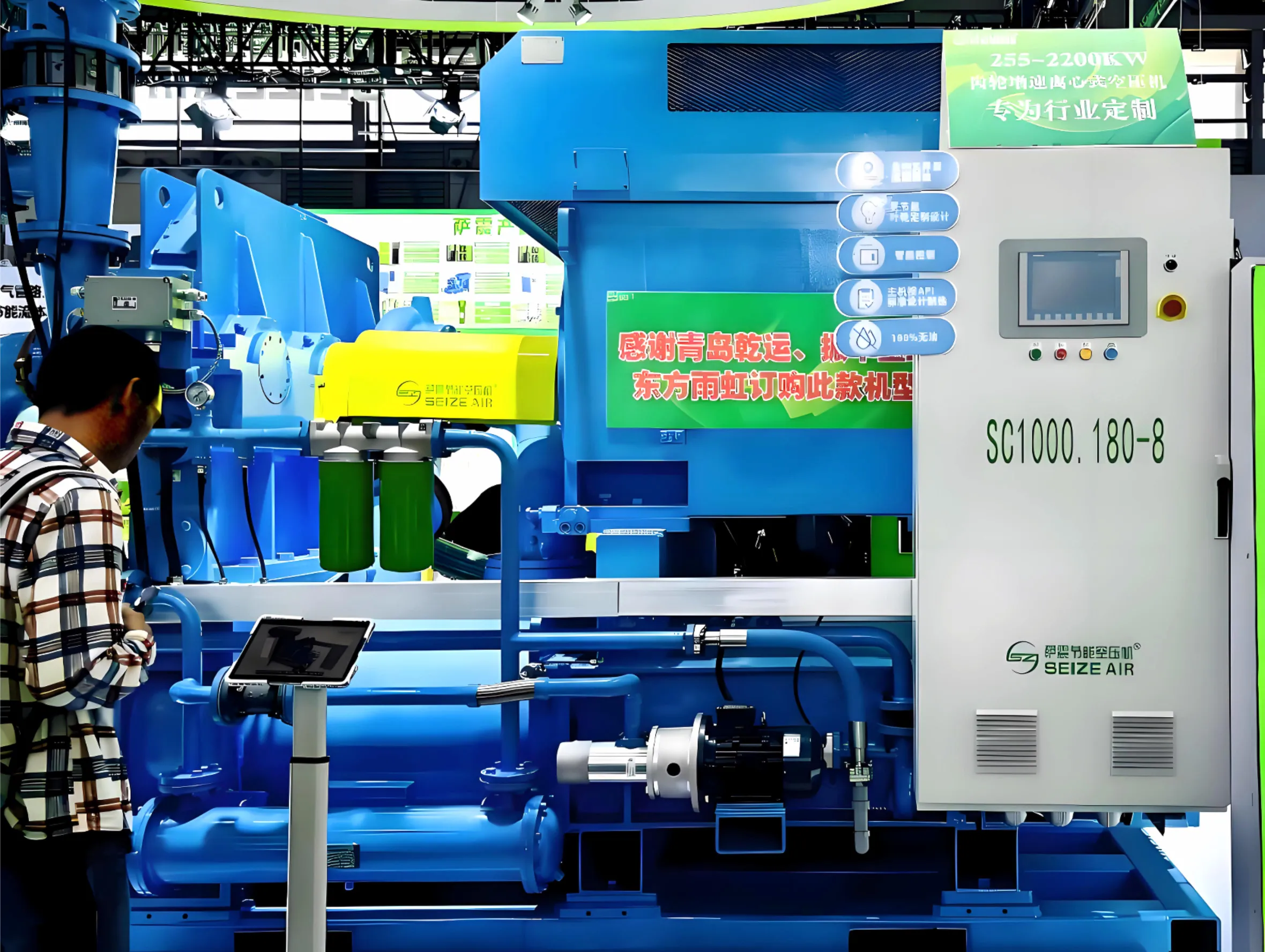
Centrifugal vs. Reciprocating Air Compressors: Key Advantages of Centrifugal Technology
Choosing the right industrial air compressor is critical for operational efficiency, reliability, and overall cost-effectiveness. While both centrifugal and reciprocating (piston) compressors have their place, centrifugal air compressors offer significant advantages, particularly for medium to large-scale industrial applications demanding high flow rates and consistent performance.
Understanding the fundamental differences is key. Reciprocating compressors are positive displacement machines, using pistons to physically reduce the volume of air and increase its pressure. Centrifugal compressors are dynamic machines, using a rotating impeller to accelerate air and convert kinetic energy into pressure energy.
This difference in operating principle leads to several distinct benefits for centrifugal units. Let’s explore the key advantages of choosing a centrifugal air compressor over a reciprocating model.
1. Superior High Flow Rate Capabilities
Advantage: Centrifugal compressors excel at delivering large volumes of compressed air.
- How it Works: The continuous rotary motion of the impeller allows centrifugal compressors to process significantly more air per unit of time compared to the intermittent action of pistons in a reciprocating compressor.
- Why it Matters: For industries requiring substantial air flow (e.g., large manufacturing plants, chemical processing, power generation, textiles), centrifugal compressors provide the necessary capacity efficiently and often within a single unit, whereas achieving similar flows with reciprocating units might require multiple machines.
- Keywords: High volume air compressor, large capacity compressor, high flow rate.
2. Inherently Oil-Free Air Delivery
Advantage: Centrifugal compressors naturally provide Class 0 oil-free air.
- How it Works: The compression mechanism in a centrifugal compressor does not require lubrication within the air path. Seals keep the lubrication system for bearings and gears separate from the compression chamber (volute and impellers). Reciprocating compressors often require oil lubrication for pistons and cylinders, risking oil carryover into the compressed air stream unless complex (and often less reliable) oil-free designs are used.
- Why it Matters: Many industries demand absolutely clean, oil-free air (e.g., food & beverage, pharmaceuticals, electronics, critical instrumentation). Centrifugal compressors eliminate the risk of oil contamination, protecting end products, sensitive equipment, and reducing the need for extensive downstream filtration.
- Keywords: Oil-free air compressor, Class 0 oil-free, contamination-free air, clean compressed air.
3. Higher Energy Efficiency at Full Load / Design Point
Advantage: Centrifugal compressors are highly efficient when operating near their design capacity.
- How it Works: Dynamic compressors like centrifugals are optimized for a specific flow and pressure range. When operating continuously at or near this design point, their aerodynamic efficiency translates into lower energy consumption per unit of air delivered compared to many reciprocating designs running constantly at full load.
- Why it Matters: Energy costs constitute the largest portion of a compressor’s total lifecycle cost. For applications with consistent, high air demand, the superior full-load efficiency of a centrifugal compressor translates directly into significant long-term energy savings.
- Keywords: Energy efficient compressor, compressor efficiency, lower operating costs, industrial energy savings.
4. Enhanced Reliability and Lower Maintenance
Advantage: Fewer moving parts lead to greater reliability and reduced maintenance needs.
- How it Works: Centrifugal compressors have significantly fewer moving parts compared to reciprocating units (no pistons, rings, rods, valves). The primary moving part is the rotor assembly (shaft and impellers), which operates with minimal mechanical friction. Reciprocating compressors have numerous wear parts that require regular inspection, maintenance, and replacement.
- Why it Matters: Less maintenance means reduced downtime, lower labor costs, and fewer spare parts inventory. The inherent reliability of centrifugal design leads to greater operational uptime, crucial for continuous processes.
- Keywords: Low maintenance compressor, high reliability compressor, reduced downtime, compressor uptime.
5. Smoother Operation: Lower Vibration and Noise
Advantage: Centrifugal compressors operate with significantly less vibration and noise.
- How it Works: The smooth, continuous rotating motion of the impeller generates far less vibration and pulsation compared to the back-and-forth movement of pistons in a reciprocating compressor.
- Why it Matters: Lower vibration means simpler foundation requirements (often no special foundations needed), reduced stress on piping and connected equipment, and a more comfortable working environment. Lower noise levels can also help meet workplace health and safety regulations.
- Keywords: Low vibration compressor, quiet air compressor, smooth operation.
6. Potentially Lower Total Cost of Ownership (TCO)
Advantage: Despite a potentially higher initial cost, centrifugal compressors often offer a lower TCO for high-demand applications.
- How it Works: TCO considers the initial purchase price plus lifetime operating costs (energy, maintenance, downtime). While the upfront investment for a centrifugal compressor can be higher, savings accumulate through superior energy efficiency (at high load), dramatically lower maintenance requirements, and increased reliability (less downtime).
- Why it Matters: For businesses focused on long-term value and operational stability, the lower TCO makes centrifugal compressors a strategically sound investment for applications suited to their operating characteristics.
- Keywords: Compressor TCO, total cost of ownership, long-term value, industrial compressor investment.
When Might a Reciprocating Compressor Be Suitable?
While centrifugal compressors offer compelling advantages, reciprocating compressors remain suitable for:
- Lower flow rate requirements.
- Very high-pressure applications (often exceeding typical centrifugal capabilities).
- Applications with highly variable air demand (where a VSD reciprocating unit might be efficient).
- Situations where initial purchase cost is the primary driver and long-term TCO is less critical.
Conclusion: Choose Centrifugal for Demanding Industrial Needs
For medium-to-large industrial operations requiring high volumes of reliable, clean, and efficiently produced compressed air, centrifugal air compressors present clear advantages over reciprocating technology. Their ability to deliver high flow rates, inherently oil-free air, superior full-load efficiency, enhanced reliability, smoother operation, and potentially lower total cost of ownership makes them the preferred choice for demanding applications.
When selecting your next industrial air compressor, carefully evaluate your specific needs for flow, pressure, air quality, and operational patterns. If high capacity, oil-free air, and long-term reliability are priorities, a centrifugal air compressor is likely the superior solution.
? Phone: +86-15021218862
? Email: sales@seize-air.com
 Seize Oil-Free Screw Blowers: The Ultimate Energy-Efficient Air Compressor Solution for Industry 4.0
 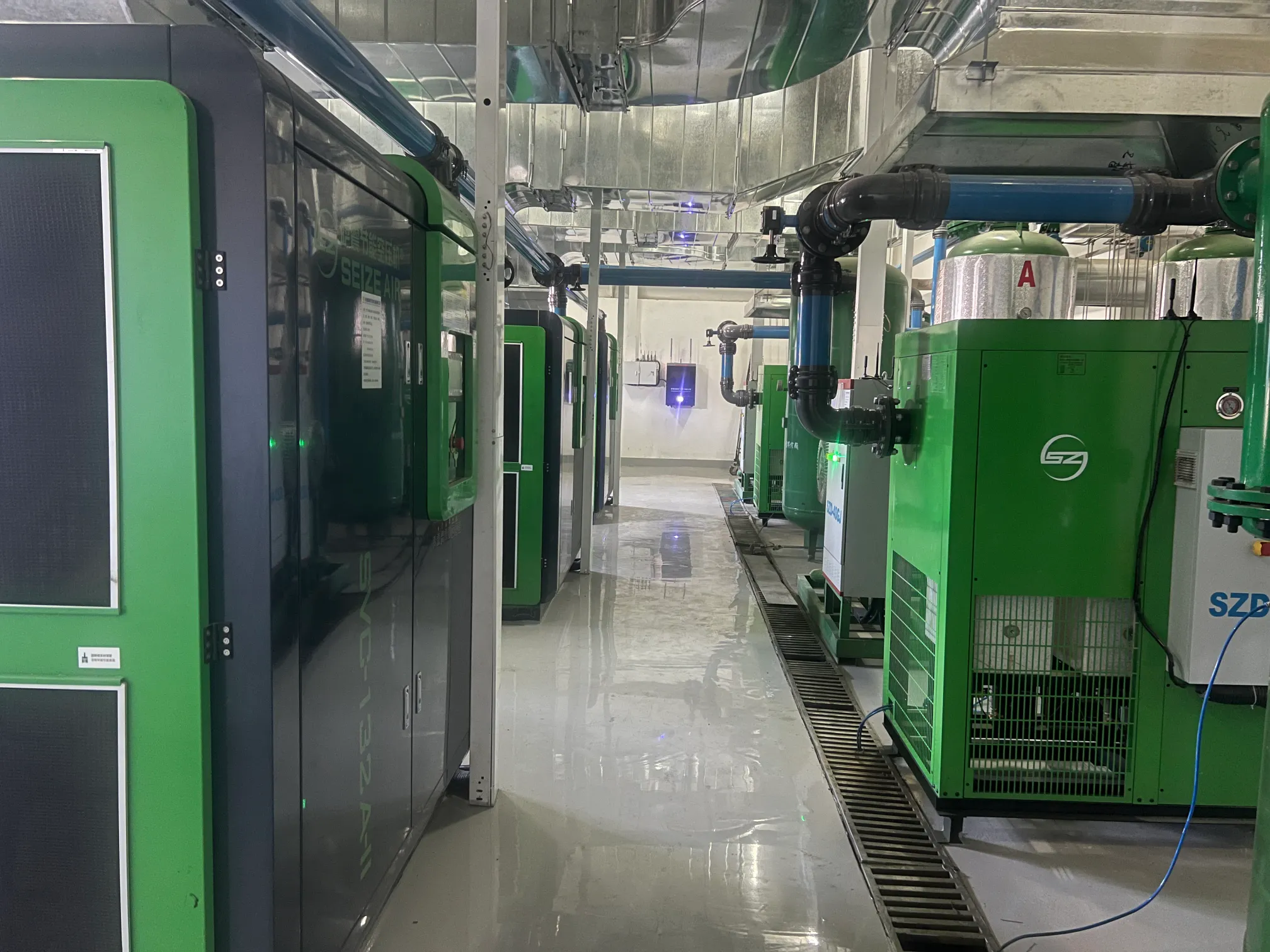 Maximize Energy Efficiency with Heat Recovery Systems for Energy-Saving Air Compressors
 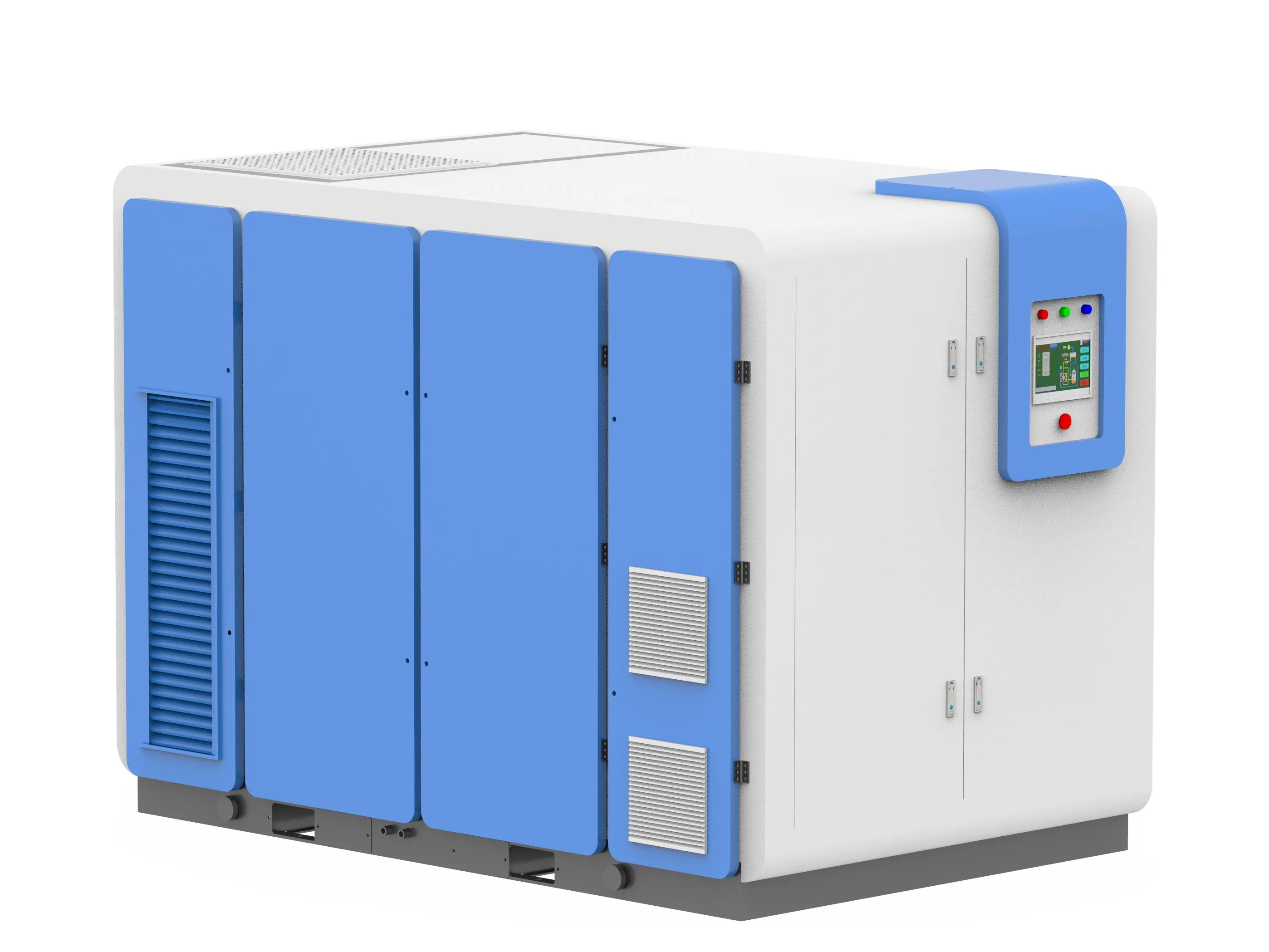 Top 7 Advantages of Centrifugal Blowers for Industrial Applications
 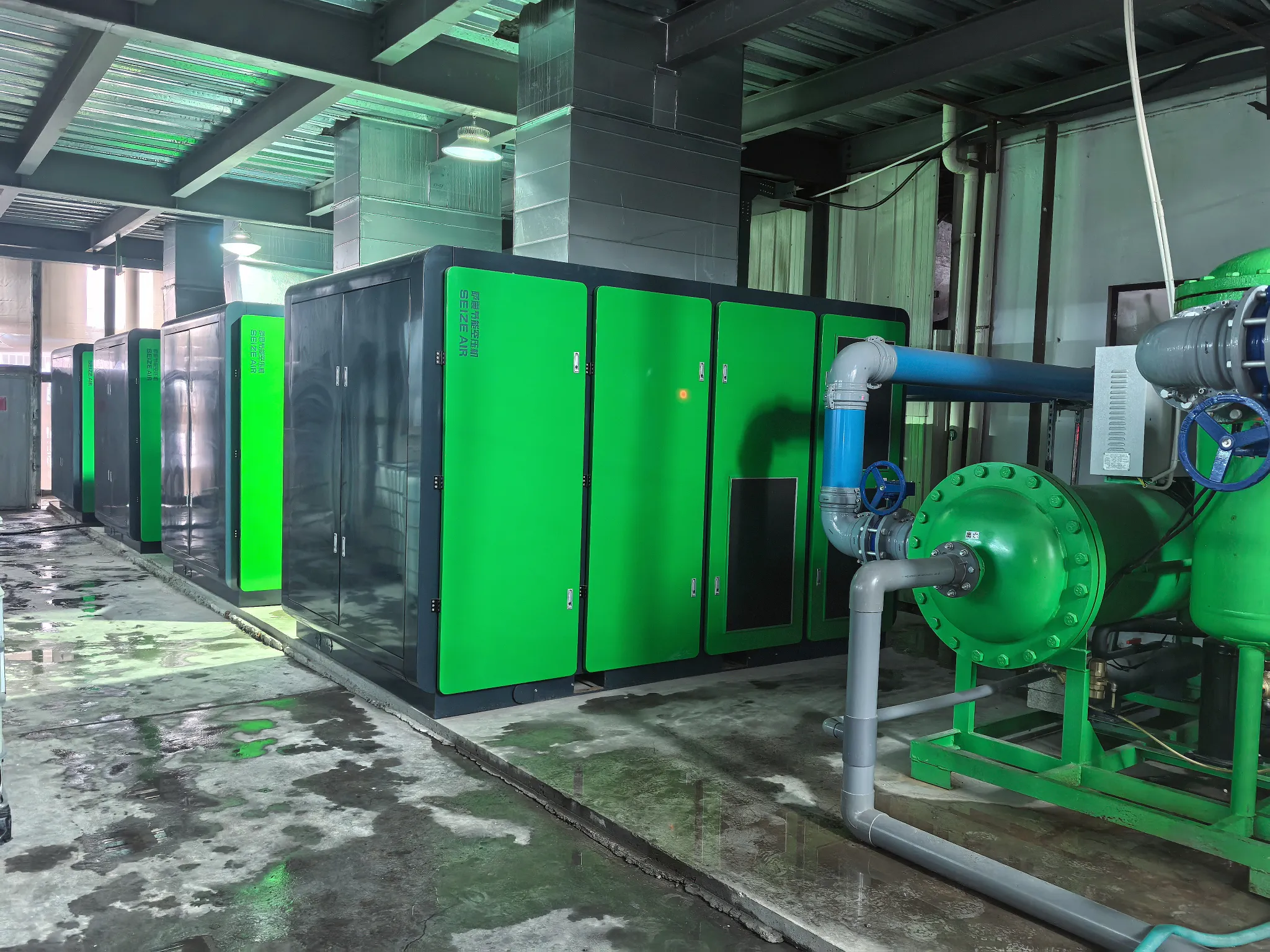 The Revolutionary Benefits of Permanent Magnet Variable Frequency Air Compressors: A Game-Changer for Modern Industries
  Variable Speed vs. Fixed Speed Air Compressors: Key Differences, Pros & Cons
  How to Choose Between Dry and Water-Lubricated Oil-Free Screw Compressors: A Comprehensive Comparison
  How to Calculate Air Compressor Specific Energy Consumption (SEC) for Energy Savings: A Guide for Southeast Asia, Middle East, and Europe
  Single-Stage vs. Two-Stage Compression: Which Is Right for Your Needs?
  Maximize Your Savings: The Long-Term Cost Advantages of SEIZEAIR's Energy-Efficient Air Compressors
  Energy Efficiency of Screw Compressors in Industrial Applications: Maximizing Savings and Sustainability
  Piston vs. Screw Air Compressors: 5 Key Reasons to Choose Rotary Screw Technology
  How Factories Slash Energy Costs with Energy-Efficient Air Compressors
  Why Piston Air Compressors Are Being Phased Out: A Consumer Perspective
  Permanent Magnet vs. Traditional Compressors: Which Saves More Money Long-Term?
  Technical Insights and Maintenance Tips for Water-Lubricated Compressors
  Why Oil-Free Screw Compressors Are the Future of Industrial Efficiency
  Industrial Air Compressor Solutions: Advanced Screw & Centrifugal Systems for Maximum ROI
  Energy-Efficient Compressors for Industrial Applications: Two-Stage Screw vs. Centrifugal Solutions
 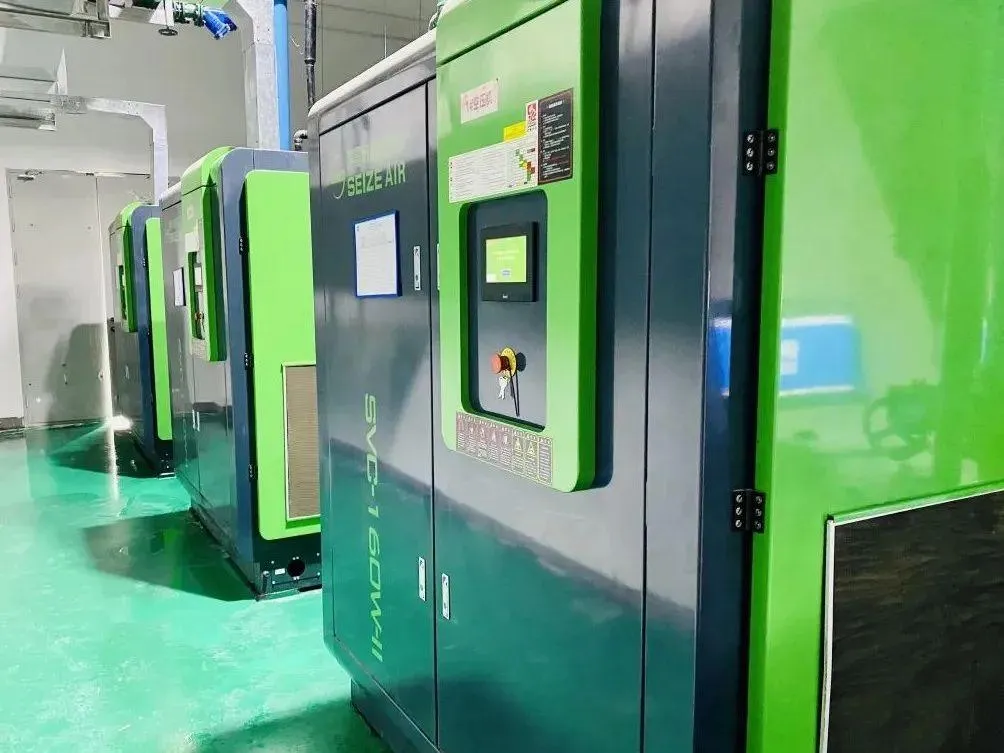 Energy-Efficient Air Compressors Manufacturer in China | [Your Company Name] – Powering Sustainability Worldwide
  Coandă Effect in Air Compressor Research: Enhancing Efficiency and Innovation