
How to Calculate Air Compressor Specific Energy Consumption (SEC) for Energy Savings: A Guide for Southeast Asia, Middle East, and Europe
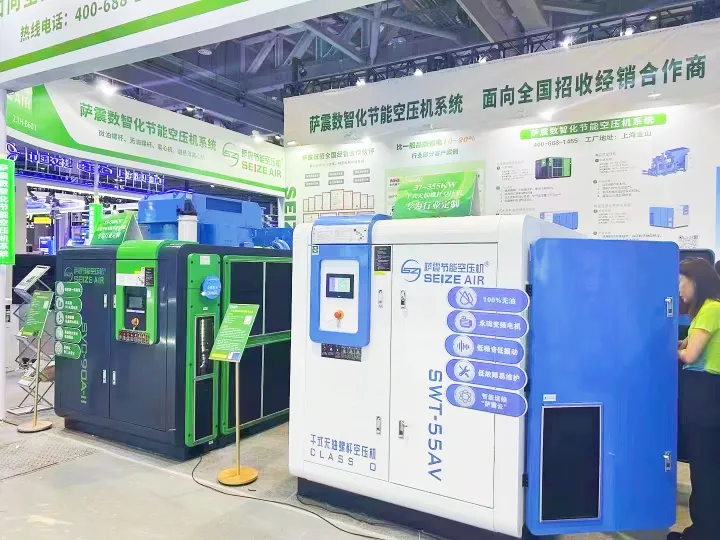
What is Specific Energy Consumption (SEC)?
SEC measures the energy efficiency of an air compressor by calculating the ratio of electricity consumed (kWh) to compressed air output (m³). The formula is:
SEC = Total Energy Consumed (kWh) / Compressed Air Output (m³)
A lower SEC means higher efficiency. Regular monitoring helps identify waste, optimize performance, and reduce costs.
Regional Challenges and SEC Optimization Strategies
1. Southeast Asia: Tackling Humidity and Rising Energy Costs
- Climate Impact: High humidity and temperatures (e.g., Thailand, Indonesia) strain compressors, increasing cooling needs and SEC.
- Industrial Growth: SMEs in Vietnam and Malaysia often use older, inefficient models. A 10% SEC reduction can save thousands annually.
- Solutions:
- Install variable speed drives (VSDs) to match output with demand.
- Clean cooling systems monthly to combat humidity-related heat buildup.
- Use energy recovery systems to repurpose waste heat for facility heating.
2. Middle East & Arab Regions: Surviving Dust and Extreme Heat
- Environmental Stress: Desert climates (Saudi Arabia, UAE) expose compressors to sand and 45°C+ temperatures, clogging filters and raising SEC.
- Vision 2030 Alignment: Saudi Arabia’s sustainability goals prioritize energy-efficient machinery upgrades.
- Solutions:
- Upgrade to ISO 8573-certified filters to handle dust ingress.
- Implement preventive maintenance schedules to replace filters and check seals.
- Invest in oil-free compressors for industries like pharmaceuticals (Dubai) to avoid oil contamination costs.
3. Europe: Meeting Strict Regulations and High Energy Prices
- Regulatory Pressure: EU ErP Directive mandates minimum efficiency standards. Non-compliant compressors face penalties.
- Energy Costs: Electricity in Germany and France costs ~€0.20/kWh—double Southeast Asia’s rates.
- Solutions:
- Choose Class 0 oil-free compressors (ErP-compliant) for food manufacturing (Italy) or automotive sectors.
- Integrate IoT sensors for real-time SEC tracking and predictive maintenance.
- Leverage government subsidies (e.g., France’s CEE) to offset upgrades.
Case Study: Reducing SEC in a Textile Factory in Bangladesh
A Dhaka-based textile plant reduced its SEC from 0.15 kWh/m³ to 0.11 kWh/m³ by:
- Replacing 15-year-old units with VSD compressors.
- Installing heat recovery systems to dry fabrics.
- Cutting energy bills by 23% ($18,000/year saved).
5 Universal Steps to Improve Your Air Compressor’s SEC
- Audit System Leaks: Fixing leaks can save 20-30% of air output.
- Lower Operating Pressure: Each 1-bar reduction cuts SEC by 7%.
- Optimize Maintenance: Replace filters quarterly in dusty regions (e.g., Qatar).
- Right-Size Equipment: Avoid oversized compressors running at partial load.
- Train Operators: Educate staff on pressure adjustments and leak detection.
Conclusion
From the humidity of Jakarta to the deserts of Riyadh and the regulations of Berlin, optimizing your air compressor’s SEC is a universal path to sustainability and profitability. Start calculating your SEC today to identify inefficiencies, reduce energy costs, and future-proof your operations.
? Phone: +86-15021218862
? Email: sales@seize-air.com
 Seize Oil-Free Screw Blowers: The Ultimate Energy-Efficient Air Compressor Solution for Industry 4.0
  Maximize Energy Efficiency with Heat Recovery Systems for Energy-Saving Air Compressors
  Top 7 Advantages of Centrifugal Blowers for Industrial Applications
  The Revolutionary Benefits of Permanent Magnet Variable Frequency Air Compressors: A Game-Changer for Modern Industries
 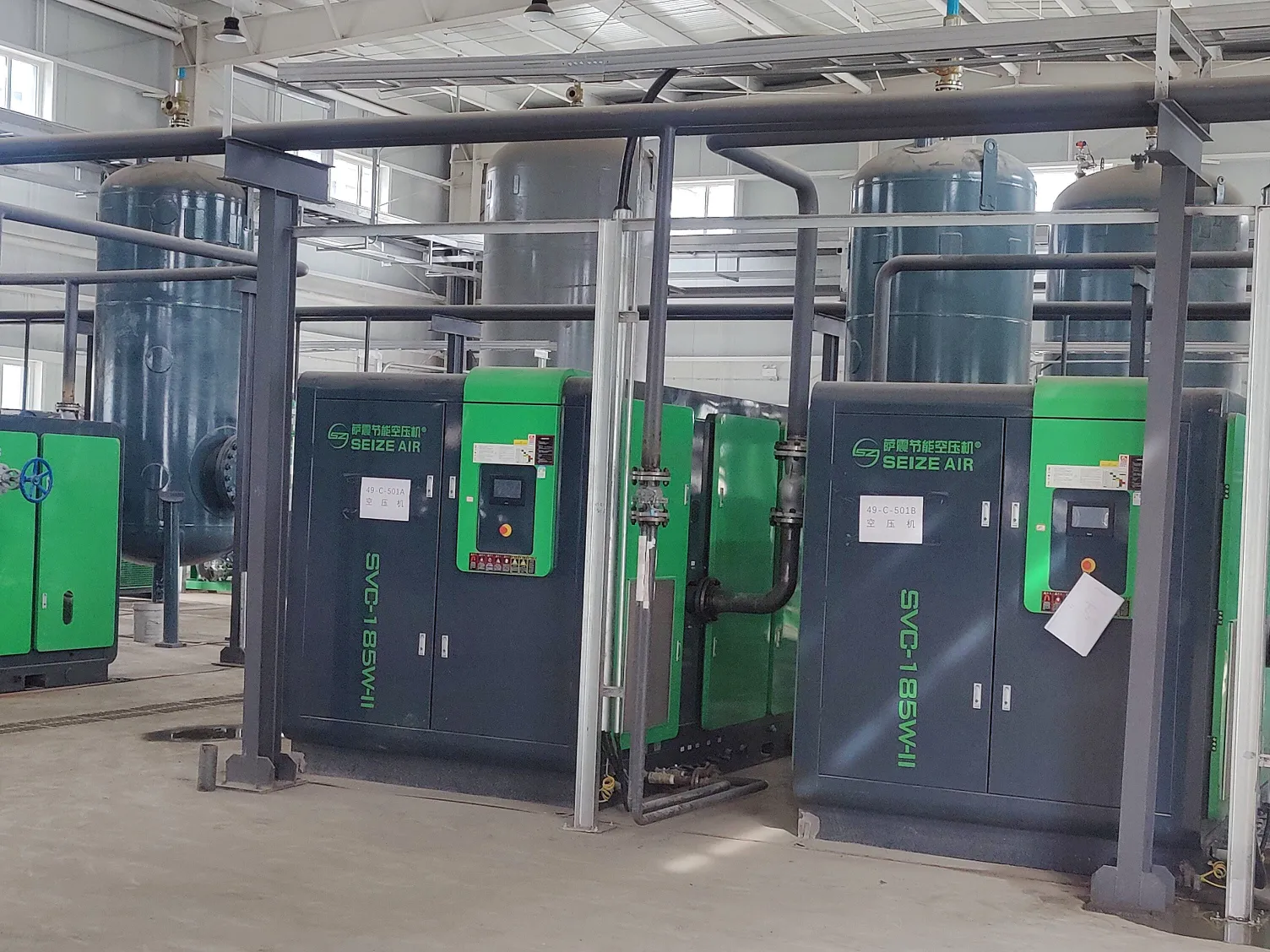 Variable Speed vs. Fixed Speed Air Compressors: Key Differences, Pros & Cons
 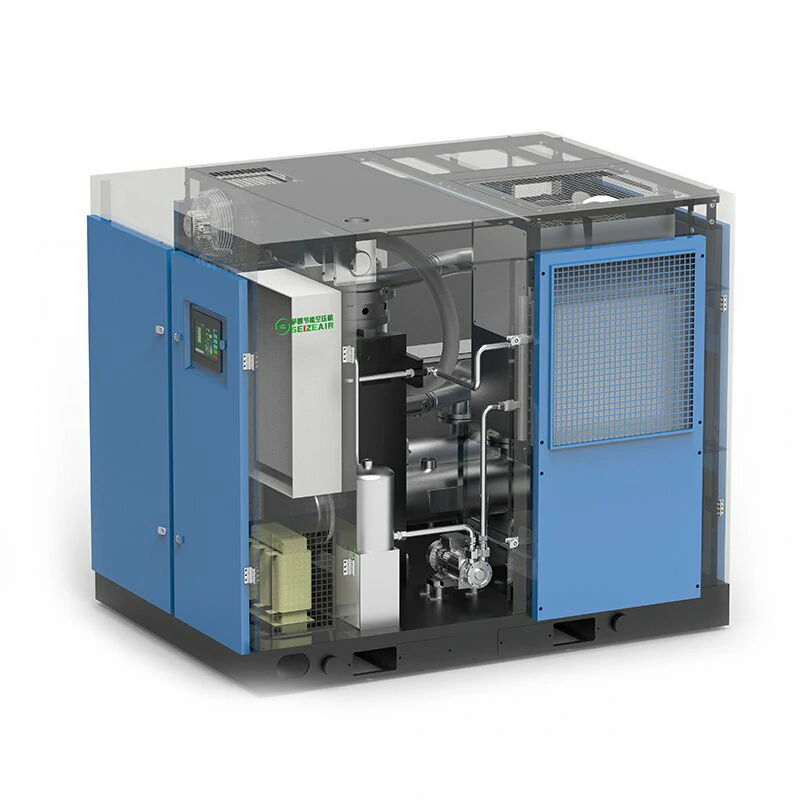 How to Choose Between Dry and Water-Lubricated Oil-Free Screw Compressors: A Comprehensive Comparison
 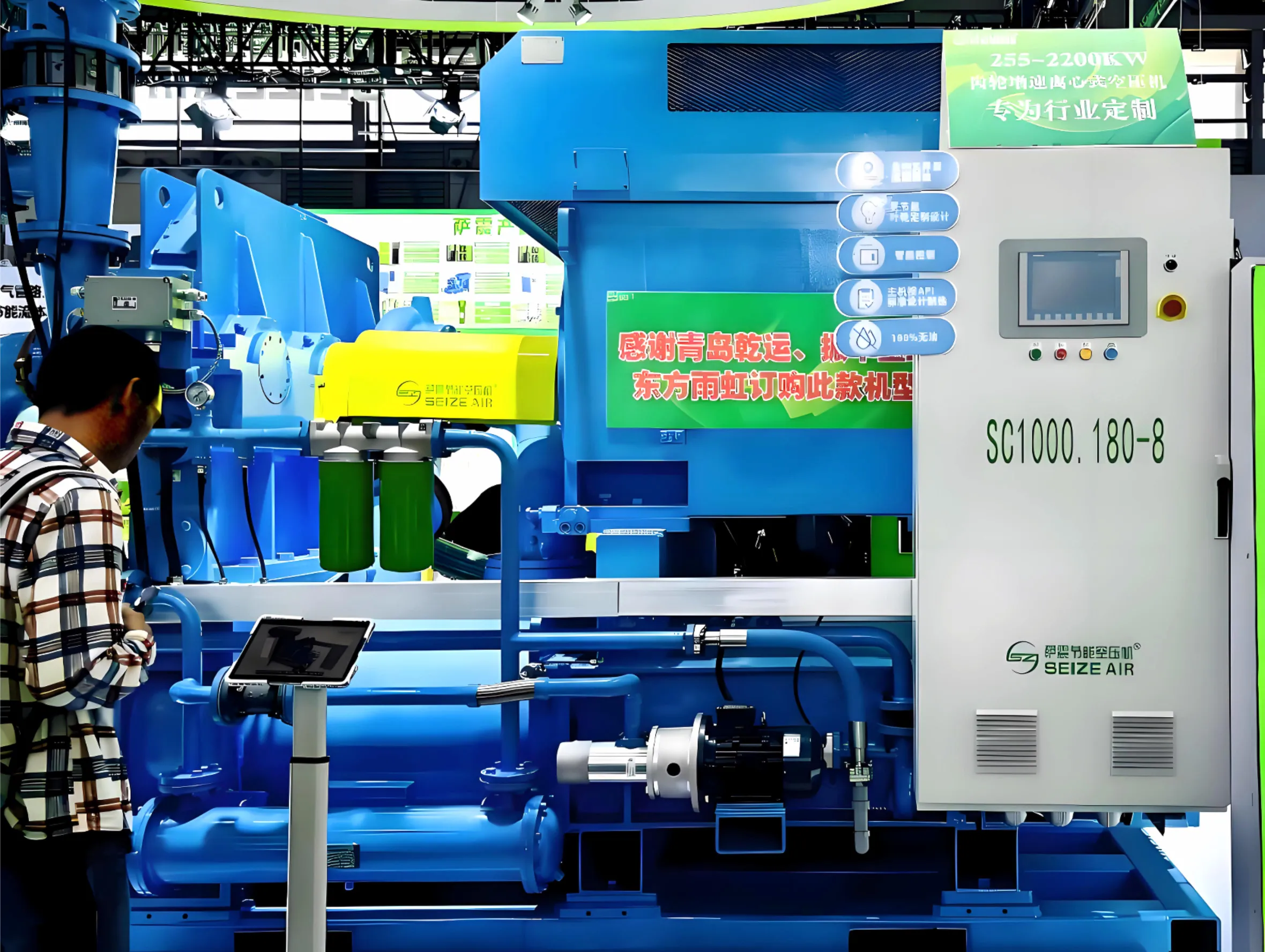 Centrifugal vs. Reciprocating Air Compressors: Why Centrifugal Wins for Industrial Applications
  Single-Stage vs. Two-Stage Compression: Which Is Right for Your Needs?
 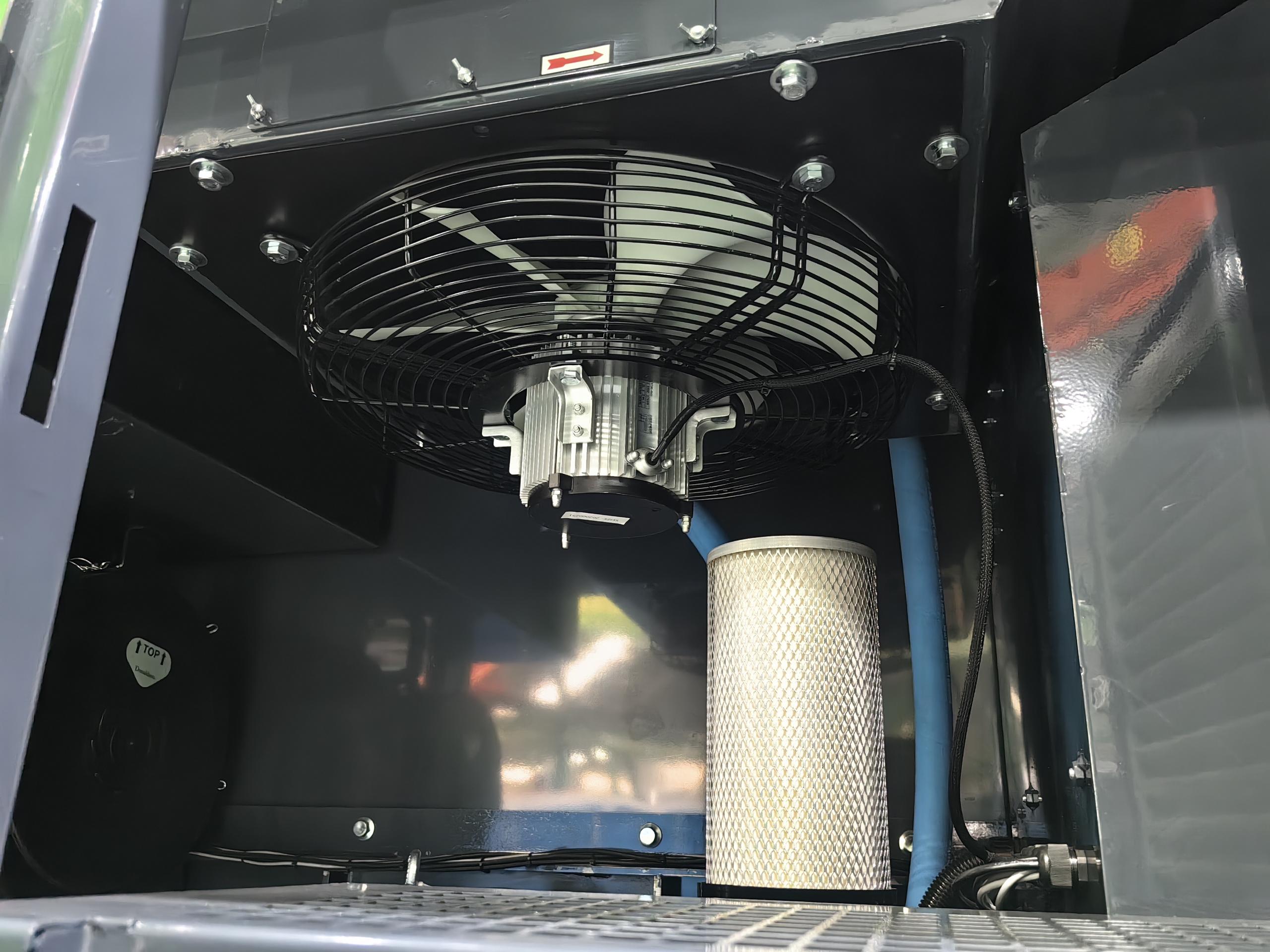 Maximize Your Savings: The Long-Term Cost Advantages of SEIZEAIR's Energy-Efficient Air Compressors
 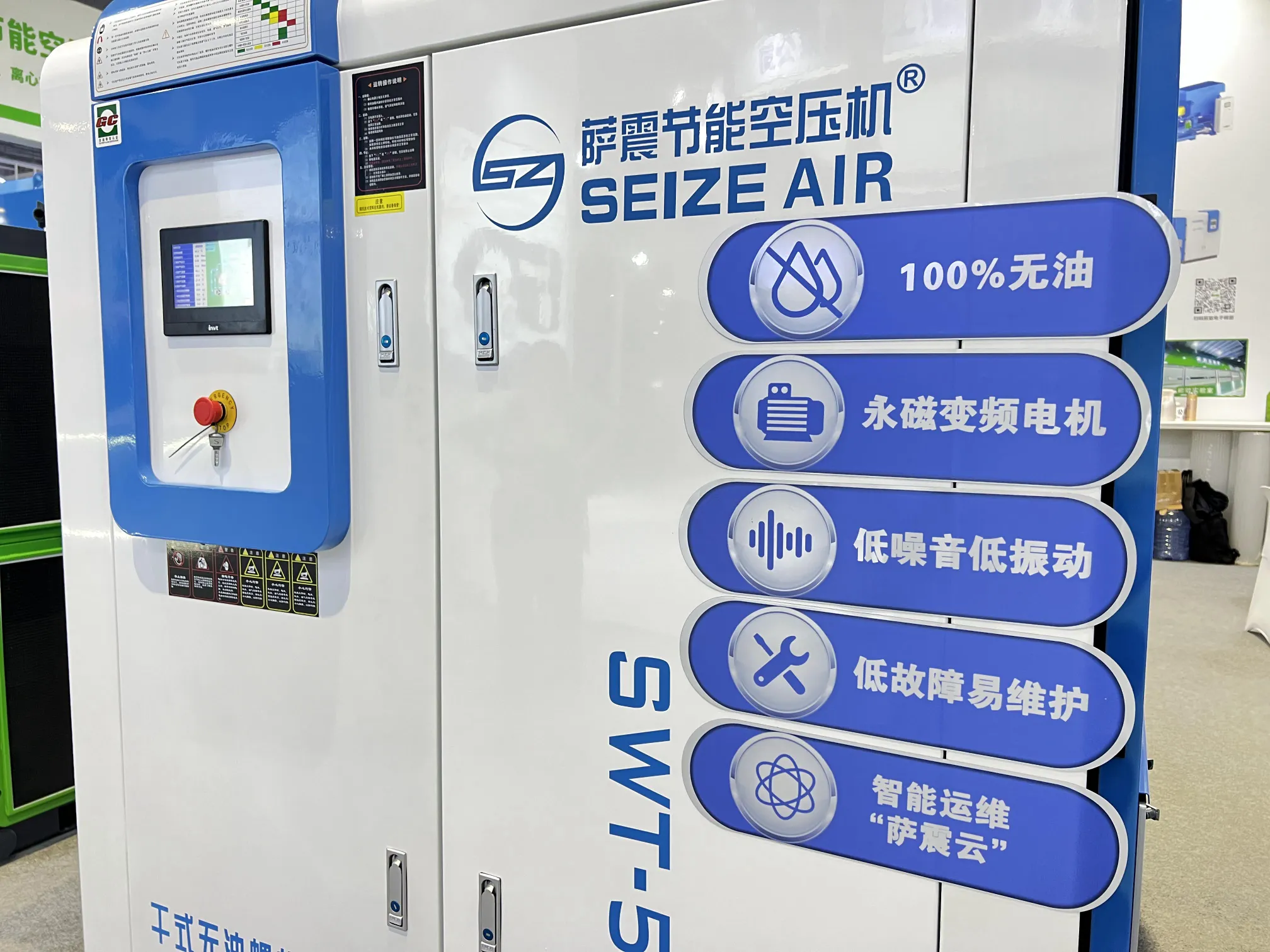 Energy Efficiency of Screw Compressors in Industrial Applications: Maximizing Savings and Sustainability
 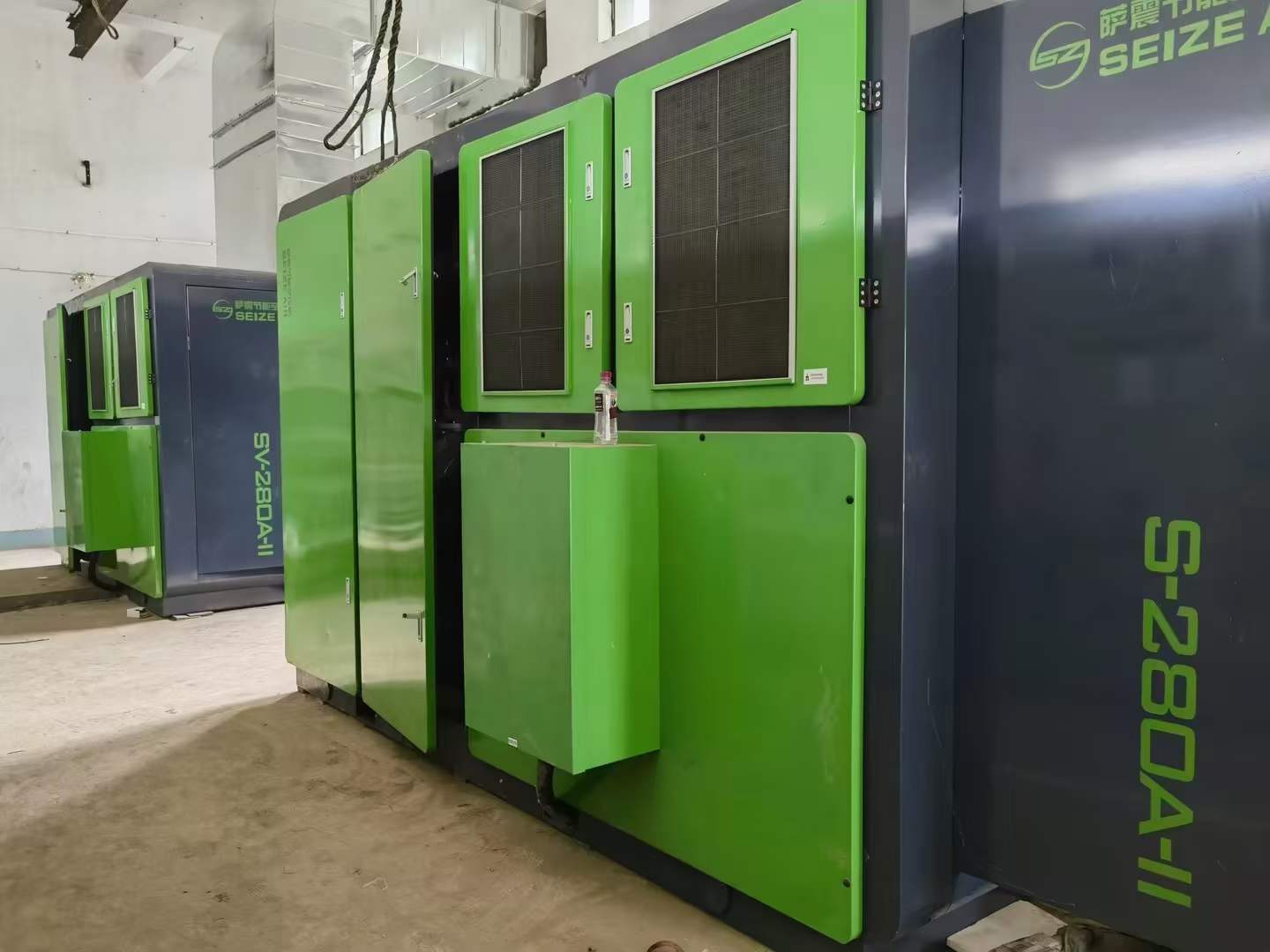 Piston vs. Screw Air Compressors: 5 Key Reasons to Choose Rotary Screw Technology
 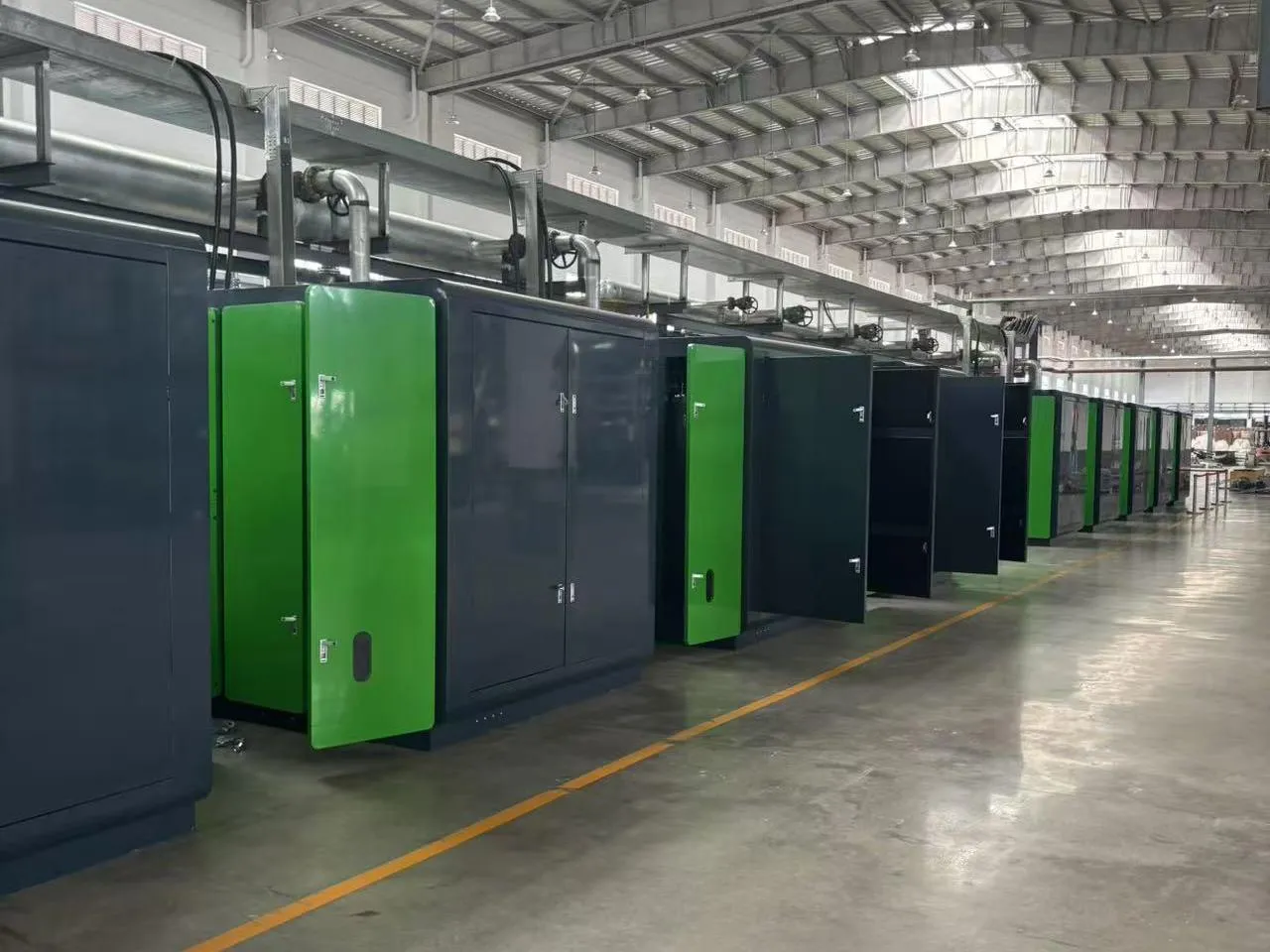 How Factories Slash Energy Costs with Energy-Efficient Air Compressors
 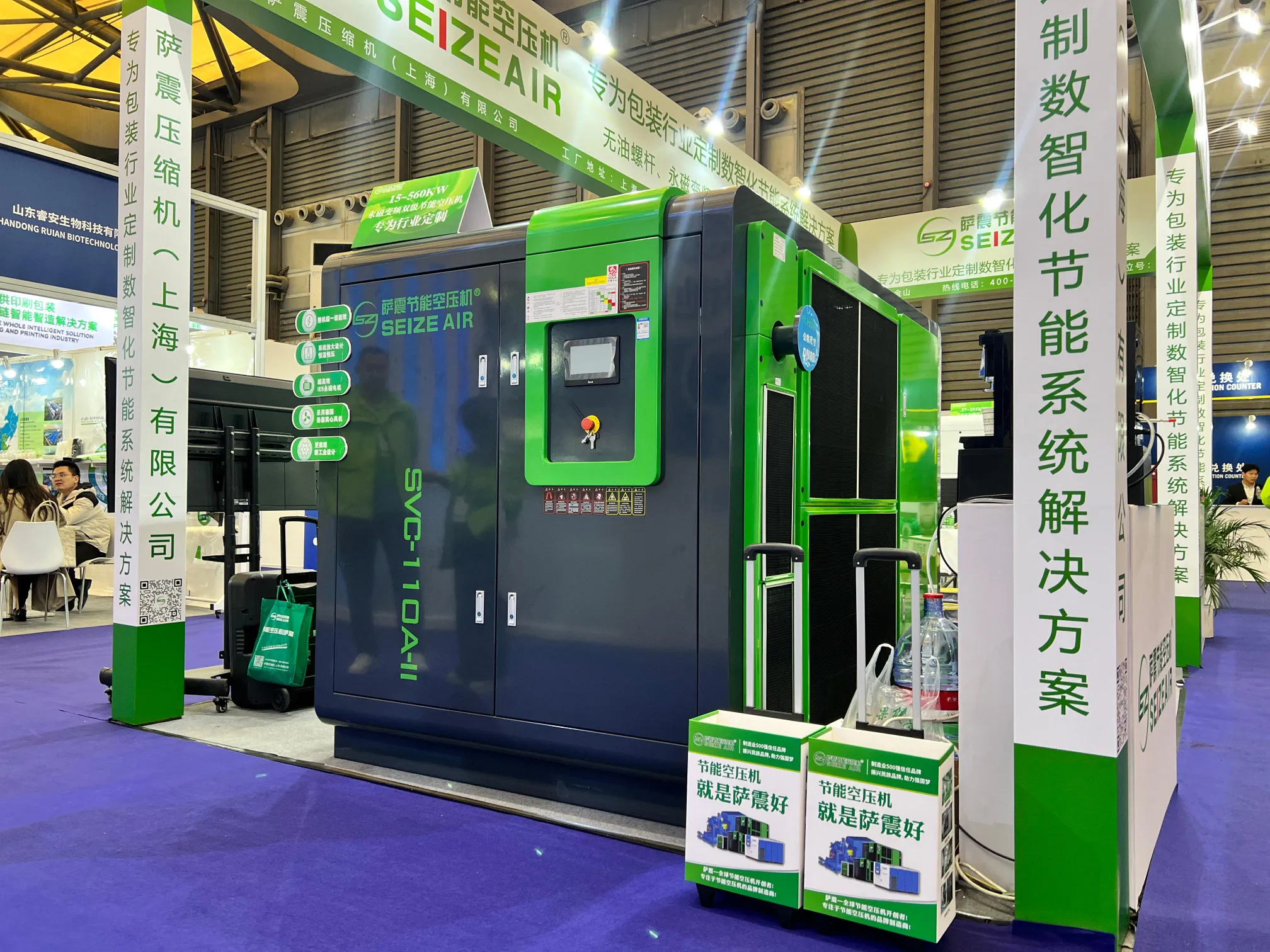 Why Piston Air Compressors Are Being Phased Out: A Consumer Perspective
 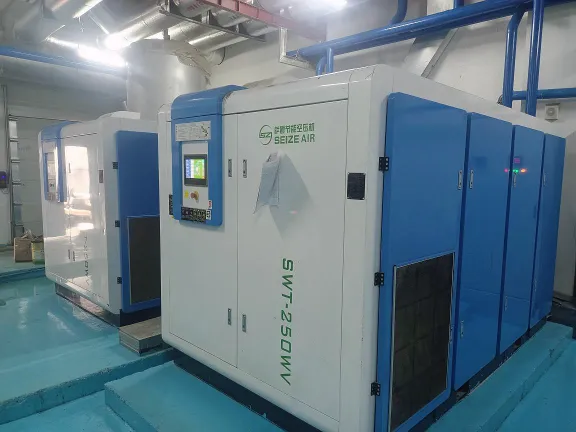 Permanent Magnet vs. Traditional Compressors: Which Saves More Money Long-Term?
  Technical Insights and Maintenance Tips for Water-Lubricated Compressors
 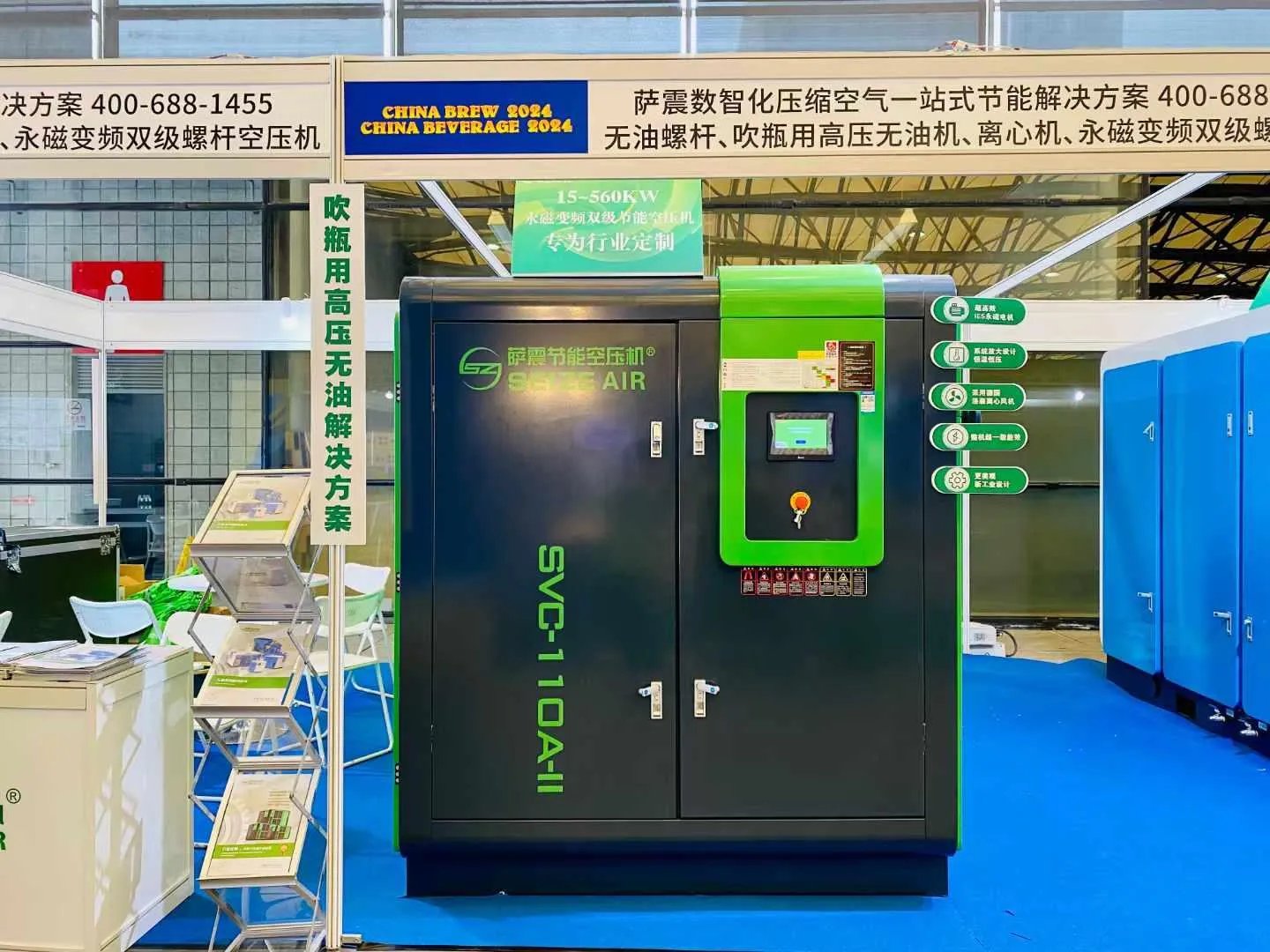 Why Oil-Free Screw Compressors Are the Future of Industrial Efficiency
 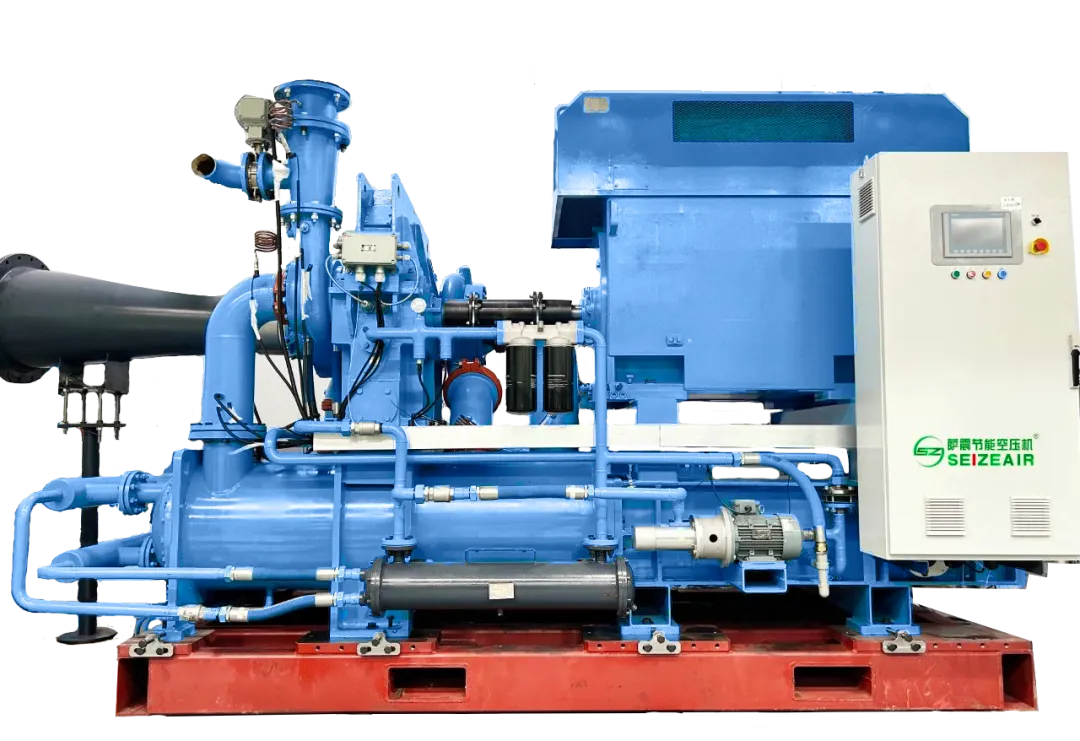 Industrial Air Compressor Solutions: Advanced Screw & Centrifugal Systems for Maximum ROI
 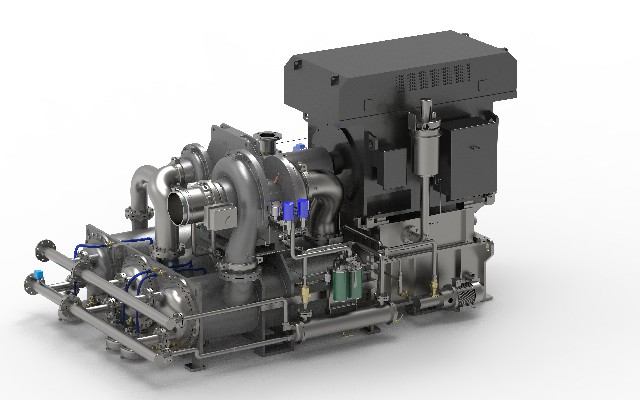 Energy-Efficient Compressors for Industrial Applications: Two-Stage Screw vs. Centrifugal Solutions
 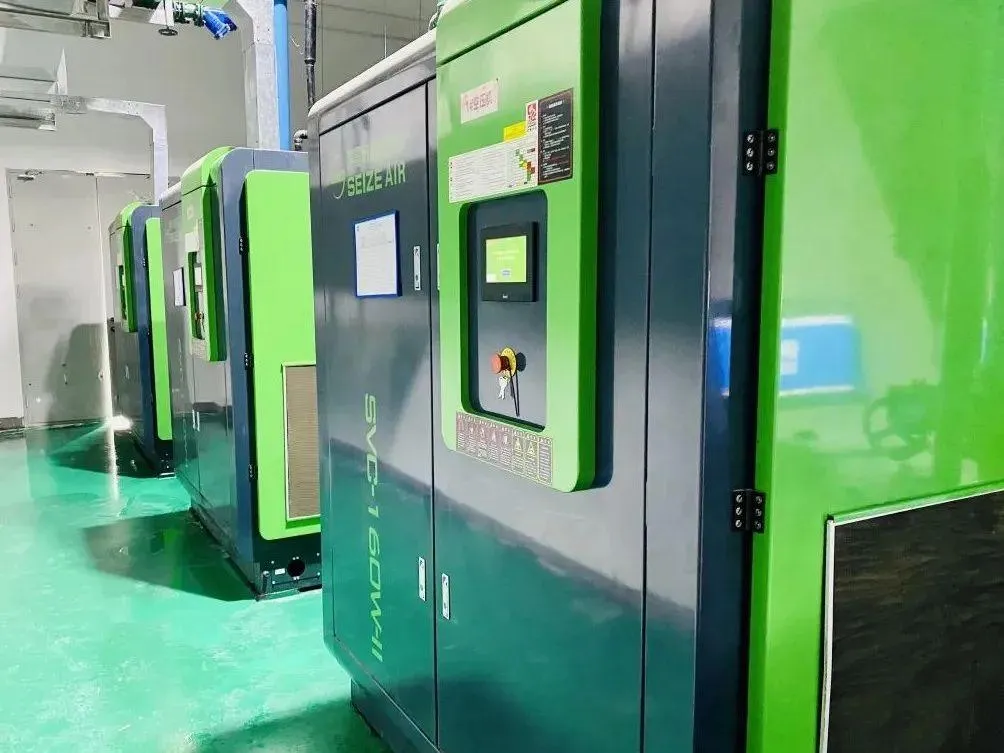 Energy-Efficient Air Compressors Manufacturer in China | [Your Company Name] – Powering Sustainability Worldwide
  Coandă Effect in Air Compressor Research: Enhancing Efficiency and Innovation