
Single-Stage vs. Two-Stage Compression: Which Is Right for Your Needs?

How Compression Systems Work
Single-Stage Compression
Air/gas is compressed from intake pressure to final pressure in one continuous process within a single cylinder. Ideal for basic applications requiring <150 PSI.
Two-Stage Compression
Compression occurs in two phases:
- Initial compression in a low-pressure cylinder
- Secondary compression in a high-pressure cylinder
With intercooling between stages to reduce heat buildup.
Key Differences at a Glance
| Feature | Single-Stage | Two-Stage |
|---|---|---|
| Compression Phases | 1 | 2 |
| Maximum Pressure | Lower (up to 150 PSI) | Higher (up to 200+ PSI) |
| Energy Efficiency | Moderate | Higher |
| Initial Cost | $ | $$ |
| Maintenance | Simpler | More complex |
| Temperature Rise | Higher | Lower |
Advantages of Single-Stage Compression
1. Lower Upfront Cost
Simpler design translates to 20-40% cheaper initial investment compared to two-stage units.
2. Compact Size
Requires less space, making it ideal for small workshops or mobile applications.
3. Easier Maintenance
Fewer components mean lower servicing costs and DIY-friendly repairs.
4. Quick Operation
Immediate full-pressure delivery suits intermittent use scenarios.
Best For:
- Home garages
- Small HVAC systems
- Pneumatic tools requiring <125 PSI
- Budget-conscious users
Benefits of Two-Stage Compression
1. Superior Energy Efficiency
Intercooling reduces work by 15-20%, saving $300+/year in energy costs for continuous operations.
2. Higher Pressure Output
Delivers up to 200 PSI consistently, supporting industrial-grade equipment.
3. Reduced Moisture Issues
Lower operating temperatures minimize condensation in air lines.
4. Longer Equipment Life
Balanced load distribution extends component lifespan by 30-50%.
Best For:
- Manufacturing plants
- Automotive repair shops
- Commercial refrigeration
- Continuous operation needs
Limitations to Consider
Single-Stage Drawbacks:
✗ Higher operating temperatures (risk of oil breakdown)
✗ 25% shorter duty cycle in heavy use
✗ Limited capacity for high-demand applications
Two-Stage Disadvantages:
✗ 30-50% higher initial cost
✗ Requires professional installation
✗ Overkill for light/intermittent use
Which Should You Choose?
Opt for Single-Stage If:
✅ Usage < 4 hours/day
✅ Budget < $1,500
✅ Pressure needs < 125 PSI
Choose Two-Stage If:
✅ Daily operation > 6 hours
✅ Requires > 150 PSI consistently
✅ Energy savings prioritized
FAQ Section
Q: Can I convert a single-stage compressor to two-stage?
A: Not cost-effectively - the internal components differ fundamentally.
Q: Do two-stage compressors need special maintenance?
A: Yes - requires quarterly valve inspections and annual intercooler cleaning.
Q: Which type lasts longer?
A: Properly maintained two-stage units typically outlast single-stage by 3-5 years.
Final Verdict
While single-stage compressors win for casual users with basic needs, two-stage systems deliver better ROI for commercial applications through energy savings and enhanced durability. Evaluate your pressure requirements, usage patterns, and budget to determine the optimal solution for your operation.
? Phone: +86-15021218862
? Email: sales@seize-air.com
 Seize Oil-Free Screw Blowers: The Ultimate Energy-Efficient Air Compressor Solution for Industry 4.0
  Maximize Energy Efficiency with Heat Recovery Systems for Energy-Saving Air Compressors
  Top 7 Advantages of Centrifugal Blowers for Industrial Applications
  The Revolutionary Benefits of Permanent Magnet Variable Frequency Air Compressors: A Game-Changer for Modern Industries
  Variable Speed vs. Fixed Speed Air Compressors: Key Differences, Pros & Cons
  How to Choose Between Dry and Water-Lubricated Oil-Free Screw Compressors: A Comprehensive Comparison
  Centrifugal vs. Reciprocating Air Compressors: Why Centrifugal Wins for Industrial Applications
  How to Calculate Air Compressor Specific Energy Consumption (SEC) for Energy Savings: A Guide for Southeast Asia, Middle East, and Europe
  Maximize Your Savings: The Long-Term Cost Advantages of SEIZEAIR's Energy-Efficient Air Compressors
 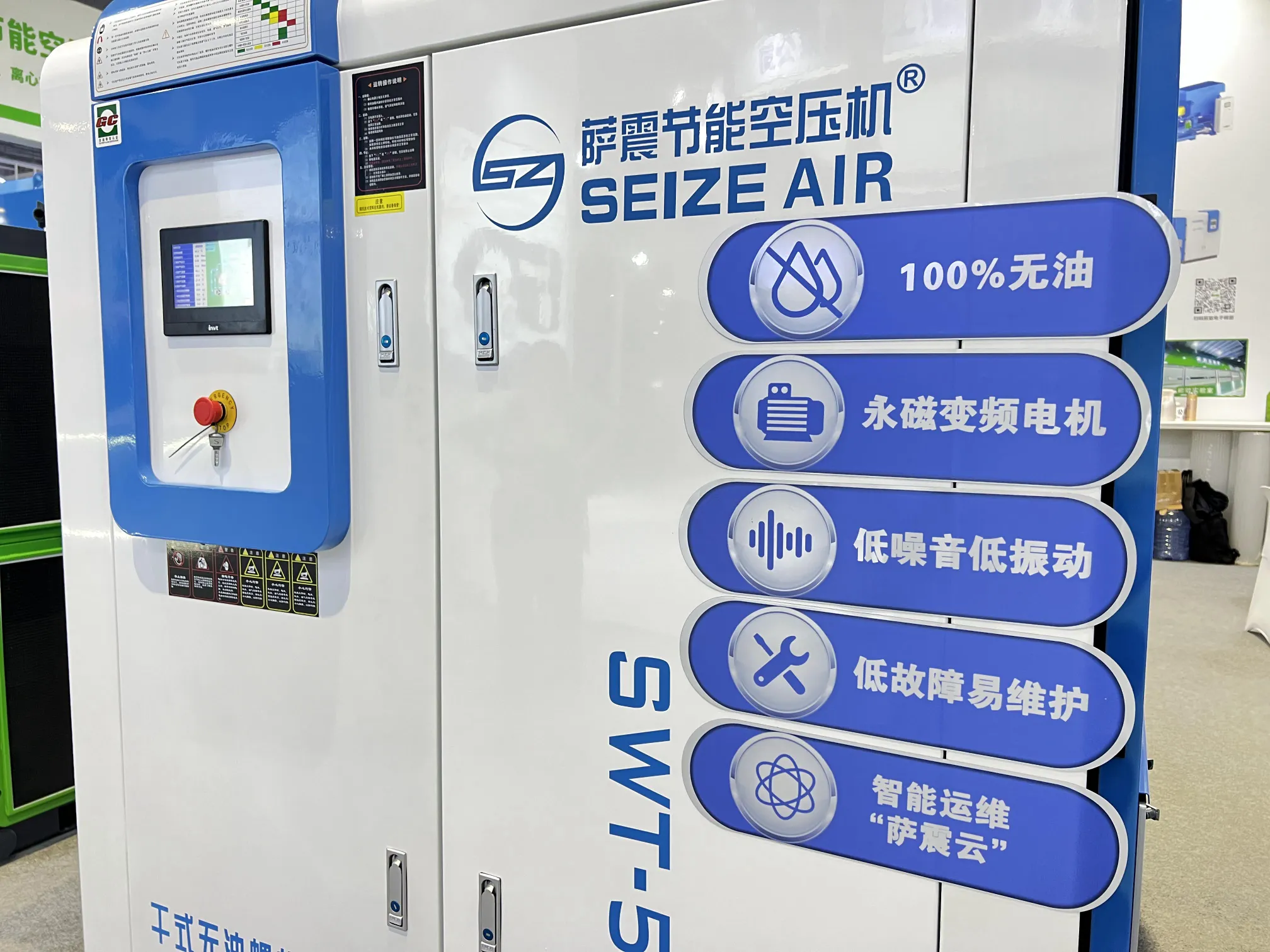 Energy Efficiency of Screw Compressors in Industrial Applications: Maximizing Savings and Sustainability
 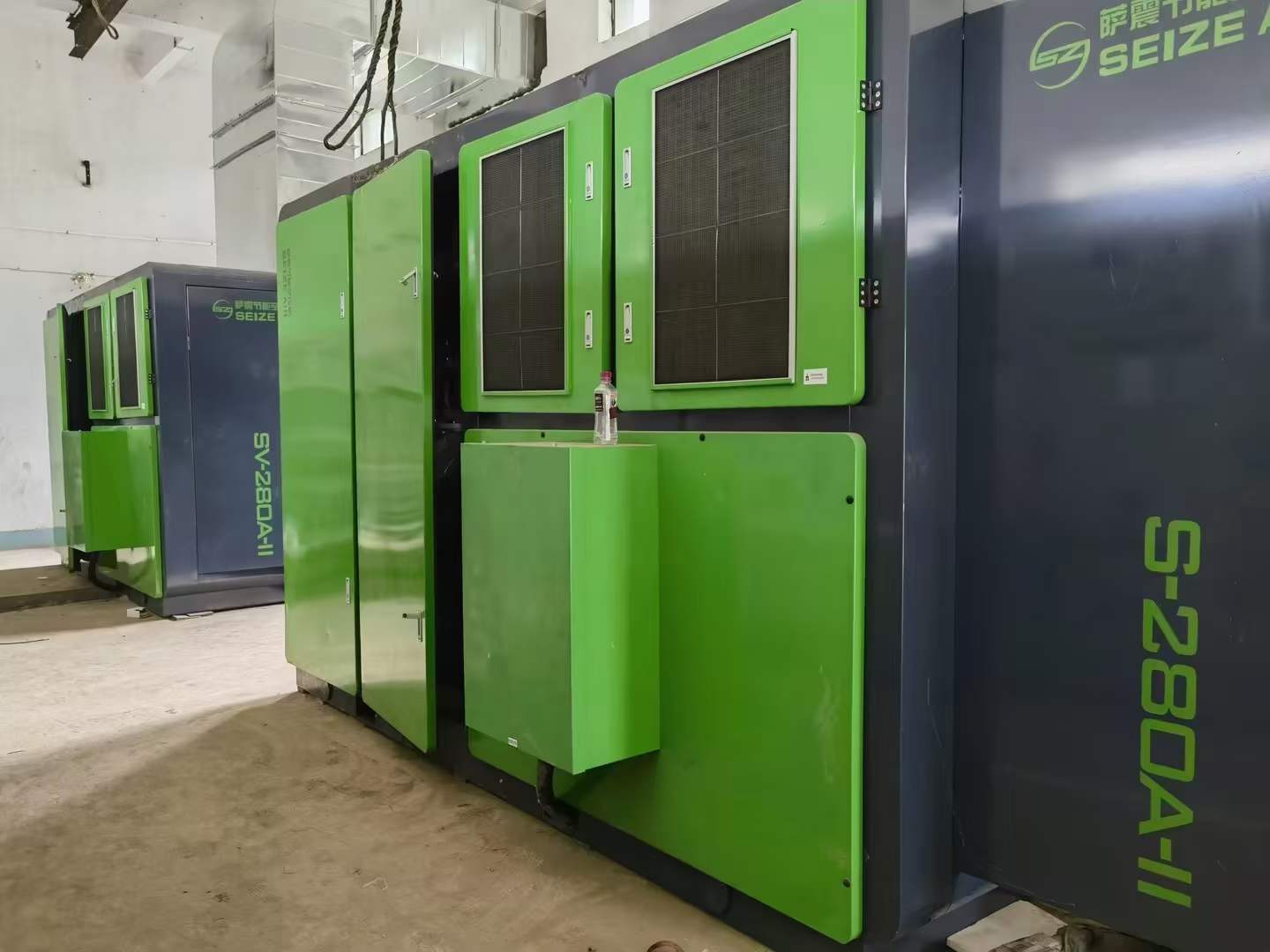 Piston vs. Screw Air Compressors: 5 Key Reasons to Choose Rotary Screw Technology
 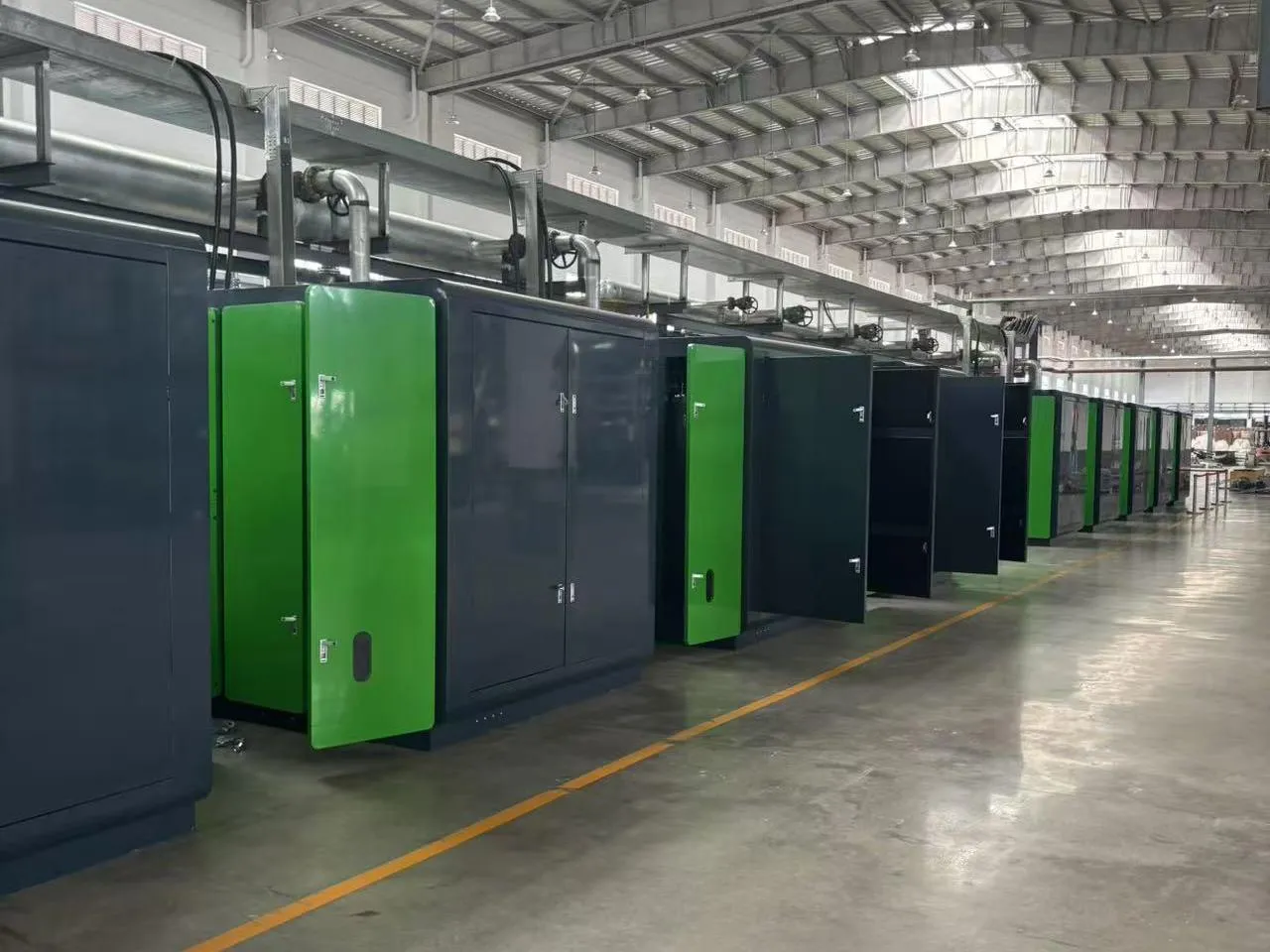 How Factories Slash Energy Costs with Energy-Efficient Air Compressors
 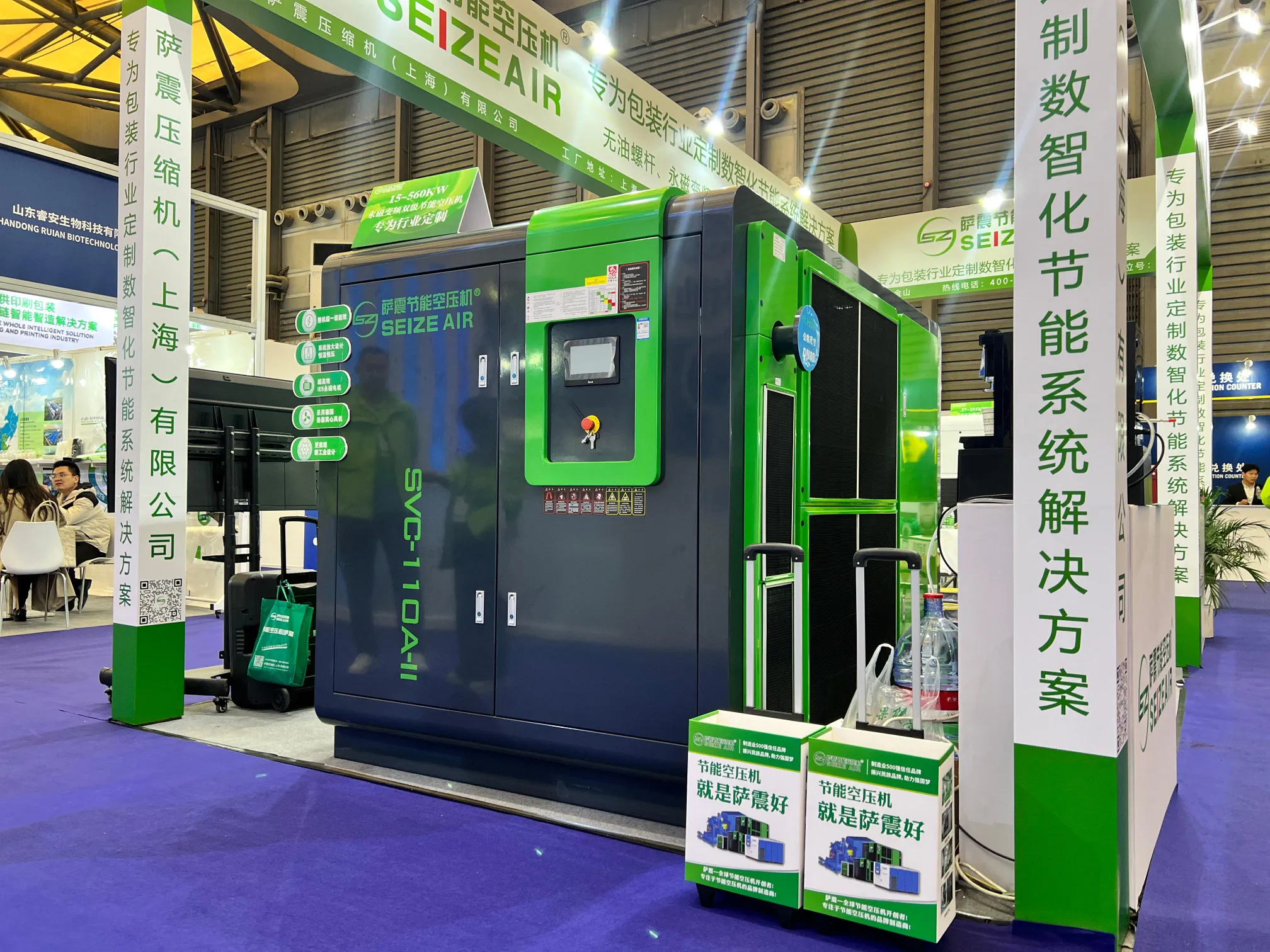 Why Piston Air Compressors Are Being Phased Out: A Consumer Perspective
  Permanent Magnet vs. Traditional Compressors: Which Saves More Money Long-Term?
  Technical Insights and Maintenance Tips for Water-Lubricated Compressors
  Why Oil-Free Screw Compressors Are the Future of Industrial Efficiency
  Industrial Air Compressor Solutions: Advanced Screw & Centrifugal Systems for Maximum ROI
  Energy-Efficient Compressors for Industrial Applications: Two-Stage Screw vs. Centrifugal Solutions
 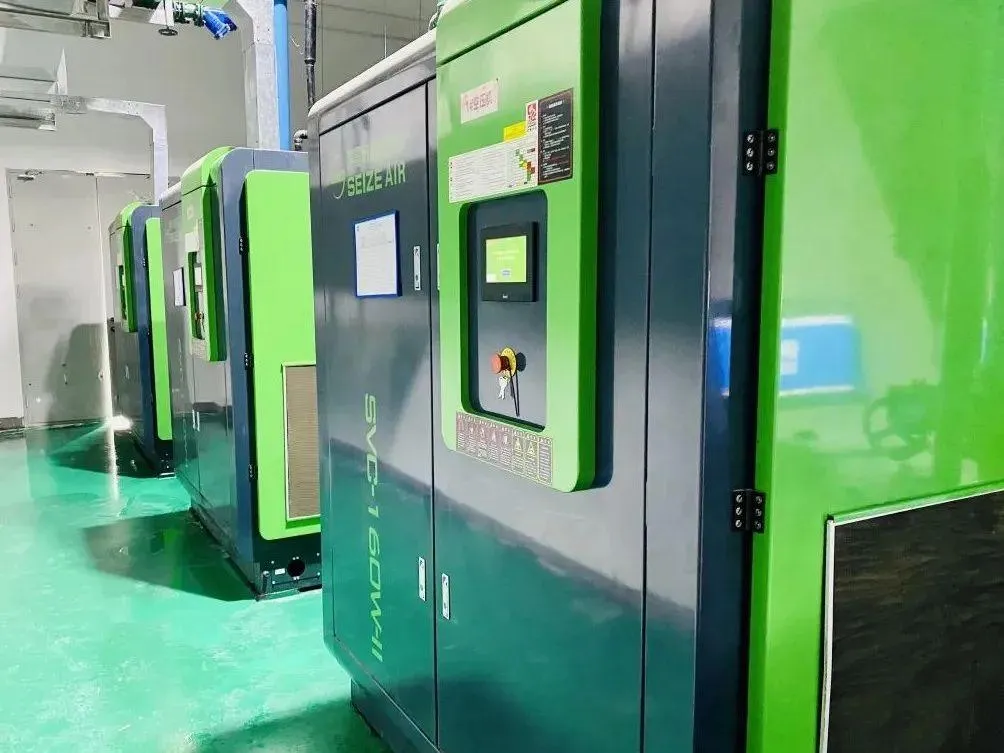 Energy-Efficient Air Compressors Manufacturer in China | [Your Company Name] – Powering Sustainability Worldwide
  Coandă Effect in Air Compressor Research: Enhancing Efficiency and Innovation