
Energy Efficiency of Screw Compressors in Industrial Applications: Maximizing Savings and Sustainability
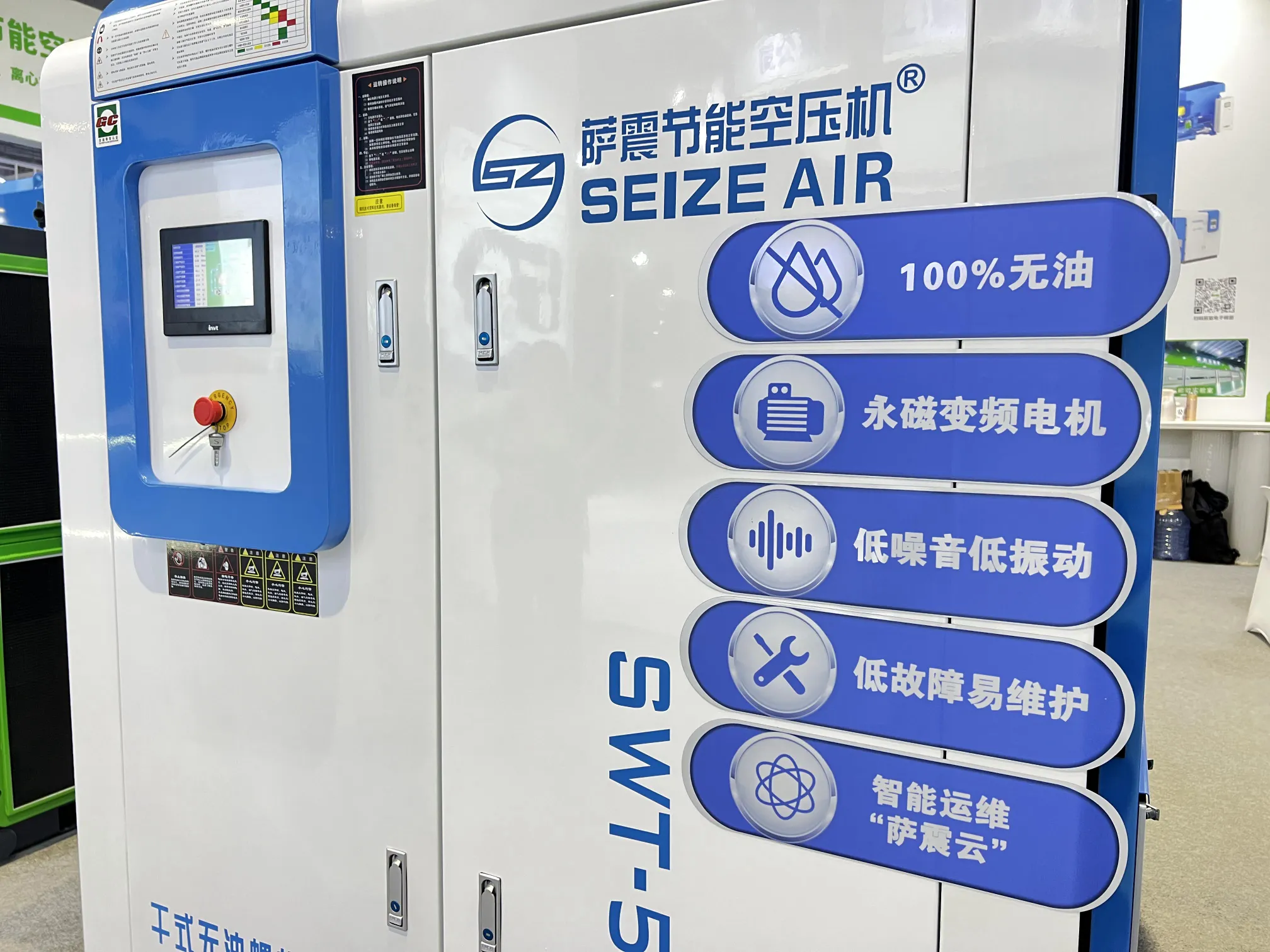
Introduction
In industrial settings, compressed air systems are indispensable for powering machinery, manufacturing processes, and automation. Among the various types of air compressors, screw compressors stand out as a leading choice due to their reliability, efficiency, and versatility. However, these systems often account for a significant portion of a facility’s energy consumption—up to 30% of total electricity use in some industries. This makes optimizing their energy efficiency critical for reducing operational costs and minimizing environmental impact. In this article, we explore how screw compressors deliver superior energy savings across industries and highlight strategies to maximize their efficiency.
1. The Role of Screw Compressors in Industrial Energy Efficiency
Screw compressors utilize a pair of intermeshing rotors to compress air, offering continuous operation and stable pressure. Their design inherently reduces energy waste compared to older technologies like reciprocating compressors. Key factors contributing to their energy efficiency include:
- Continuous Operation with Minimal Losses: Screw compressors maintain consistent airflow without the pulsating output of piston-based systems, reducing energy fluctuations.
- Advanced Control Systems: Modern models integrate variable frequency drives (VFDs), which adjust motor speed to match real-time demand, preventing energy overconsumption.
- Low Maintenance Requirements: Efficient sealing and rotor alignment minimize air leakage and heat loss, ensuring long-term performance.
By addressing these aspects, screw compressors reduce energy waste and lower greenhouse gas emissions, aligning with global sustainability goals like ISO 50001 and ISO 14001 standards.
2. Industry-Specific Applications and Energy Savings
Screw compressors are widely deployed across industries, each with unique energy-saving opportunities:
Manufacturing & Automotive
- Use Case: Assembly lines, painting systems, and robotic automation rely on compressed air.
- Energy Efficiency: VFD-equipped compressors adapt to fluctuating demand during shift changes, reducing idle-time energy loss by 20–35%.
Oil & Gas
- Use Case: Pipeline pressure maintenance, drilling operations, and gas processing.
- Energy Efficiency: High-efficiency screw compressors handle high-pressure requirements while minimizing energy use compared to traditional centrifugal systems.
Food & Beverage
- Use Case: Packaging machinery, pneumatic conveyors, and sanitation processes.
- Energy Efficiency: Compact, modular screw compressors optimize airflow for 24/7 operations, cutting energy costs by 15–25%.
Chemical & Pharmaceutical
- Use Case: Mixing, drying, and sterile environment maintenance.
- Energy Efficiency: Oil-free screw compressors prevent contamination while maintaining energy efficiency through advanced heat recovery systems.
3. Key Strategies to Enhance Energy Efficiency
Beyond selecting the right compressor, proactive management and upgrades can amplify savings:
Optimize System Design
- Right-Sizing: Match compressor capacity to actual demand to avoid oversizing, which wastes energy.
- Network Optimization: Use pressure/flow monitoring systems to identify leaks and inefficiencies in piping networks.
Leverage Smart Technology
- IoT Integration: Connect compressors to predictive maintenance platforms to detect inefficiencies early.
- Load Sharing: Deploy multiple compressors with centralized control systems to distribute load efficiently.
Regular Maintenance
- Filter Replacement: Clogged air filters increase energy consumption by up to 10%.
- Cooling System Checks: Ensure adequate cooling to prevent thermal inefficiencies.
4. Case Study: Energy Savings in a Manufacturing Plant
A automotive parts manufacturer upgraded its reciprocating compressors to variable-speed screw compressors. The results after six months:
- Energy Consumption Reduced by 32%
- Annual Cost Savings: $48,000 (based on $0.12/kWh electricity rate)
- Carbon Footprint Cut by 28%
This example underscores the tangible benefits of transitioning to energy-efficient screw compressor systems.
5. Future Trends in Screw Compressor Efficiency
The industry is advancing toward even greener solutions:
- Hybrid Systems: Combining screw compressors with renewable energy sources (e.g., solar power).
- AI-Driven Optimization: Machine learning algorithms predict demand patterns for real-time energy adjustments.
- Carbon Capture Integration: Emerging technologies aim to offset emissions from compressed air systems.
Conclusion
Screw compressors are pivotal in driving energy efficiency across industries, offering measurable cost reductions and sustainability improvements. By adopting modern technologies, optimizing system design, and prioritizing maintenance, businesses can unlock significant savings while contributing to global decarbonization efforts.
Ready to transform your compressed air system? Partner with experts in screw compressor solutions to design a tailored energy-efficient system for your operations.
? Phone: +86-15021218862
? Email: sales@seize-air.com
 Seize Oil-Free Screw Blowers: The Ultimate Energy-Efficient Air Compressor Solution for Industry 4.0
 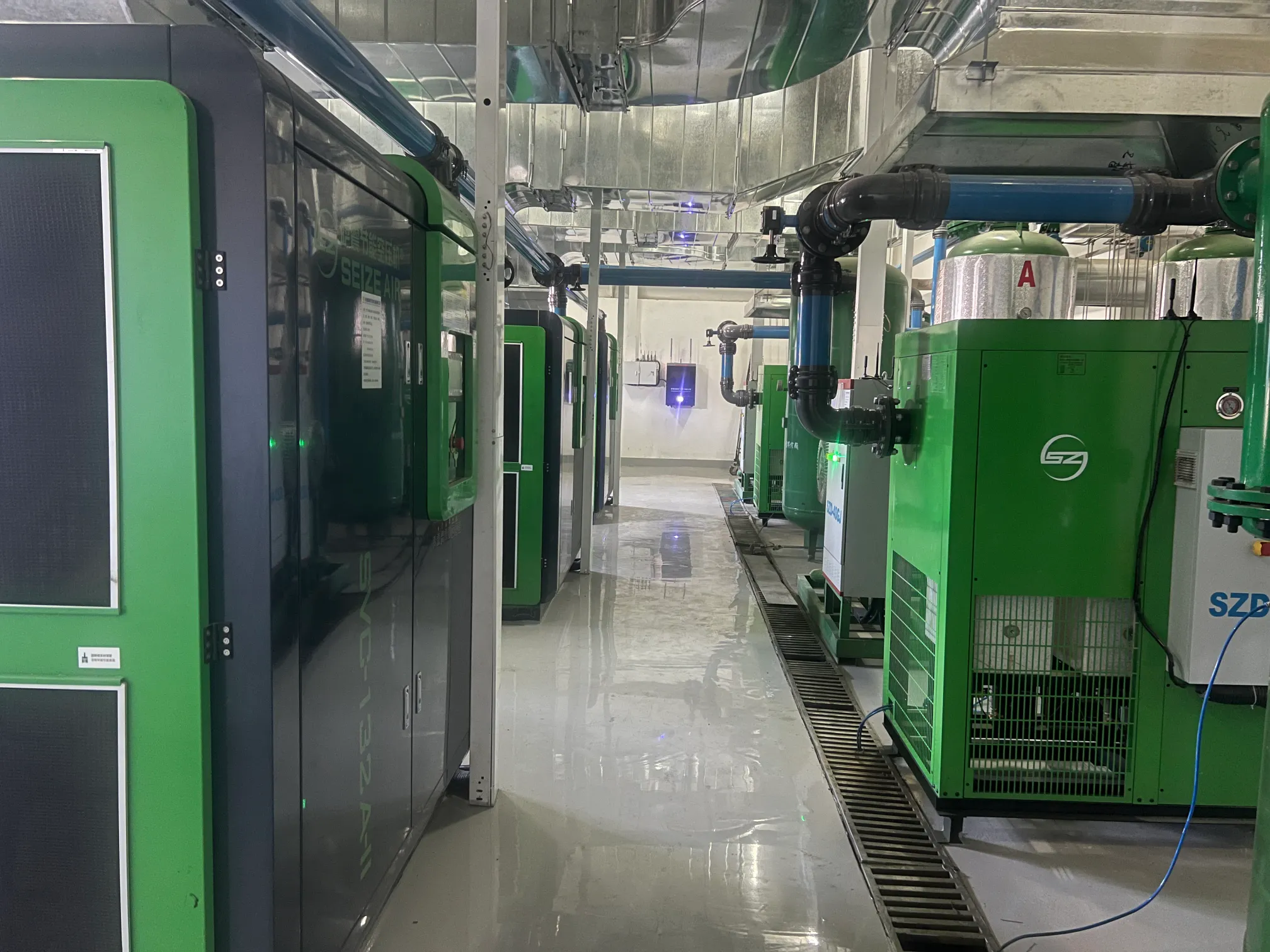 Maximize Energy Efficiency with Heat Recovery Systems for Energy-Saving Air Compressors
 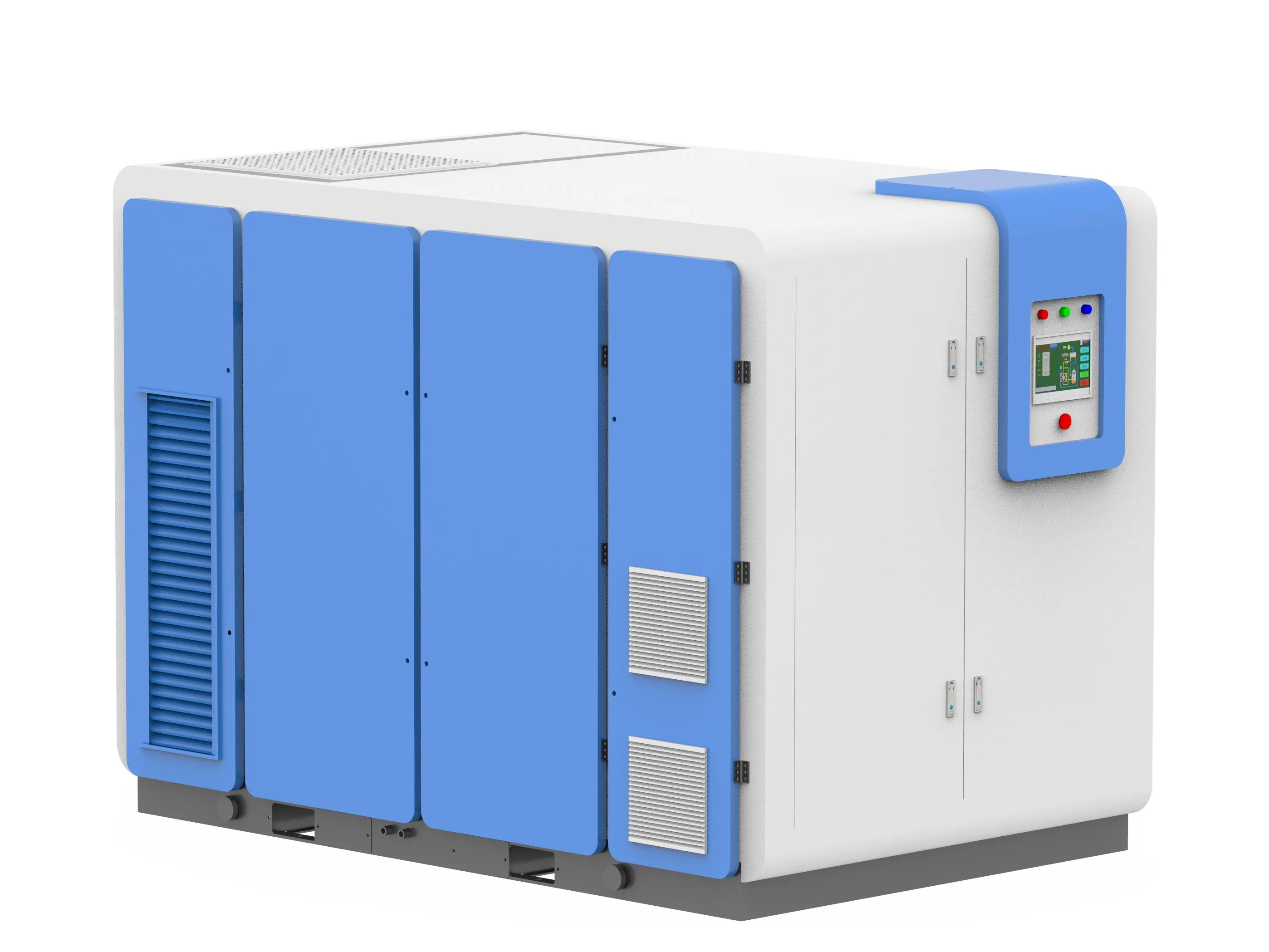 Top 7 Advantages of Centrifugal Blowers for Industrial Applications
 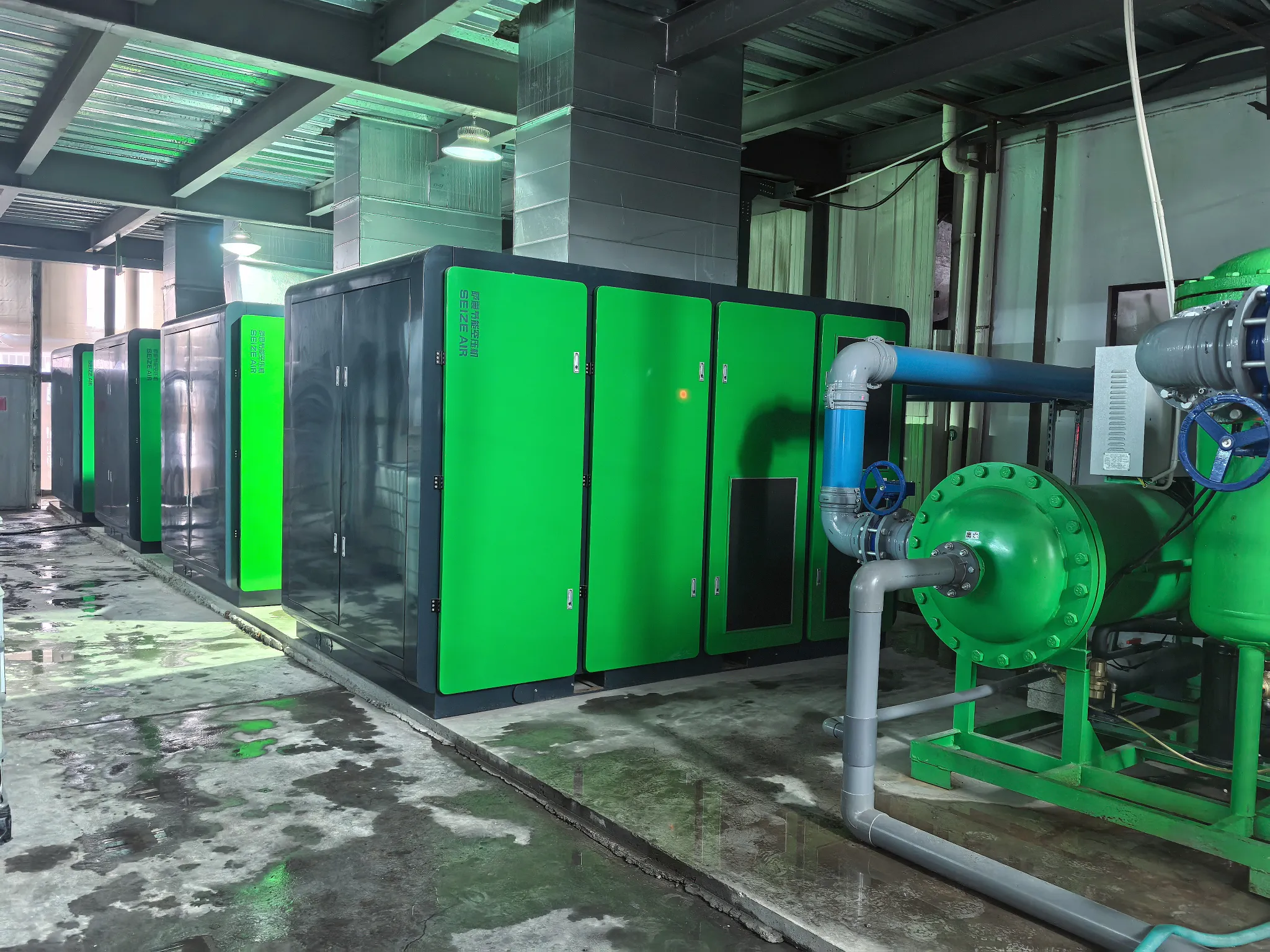 The Revolutionary Benefits of Permanent Magnet Variable Frequency Air Compressors: A Game-Changer for Modern Industries
 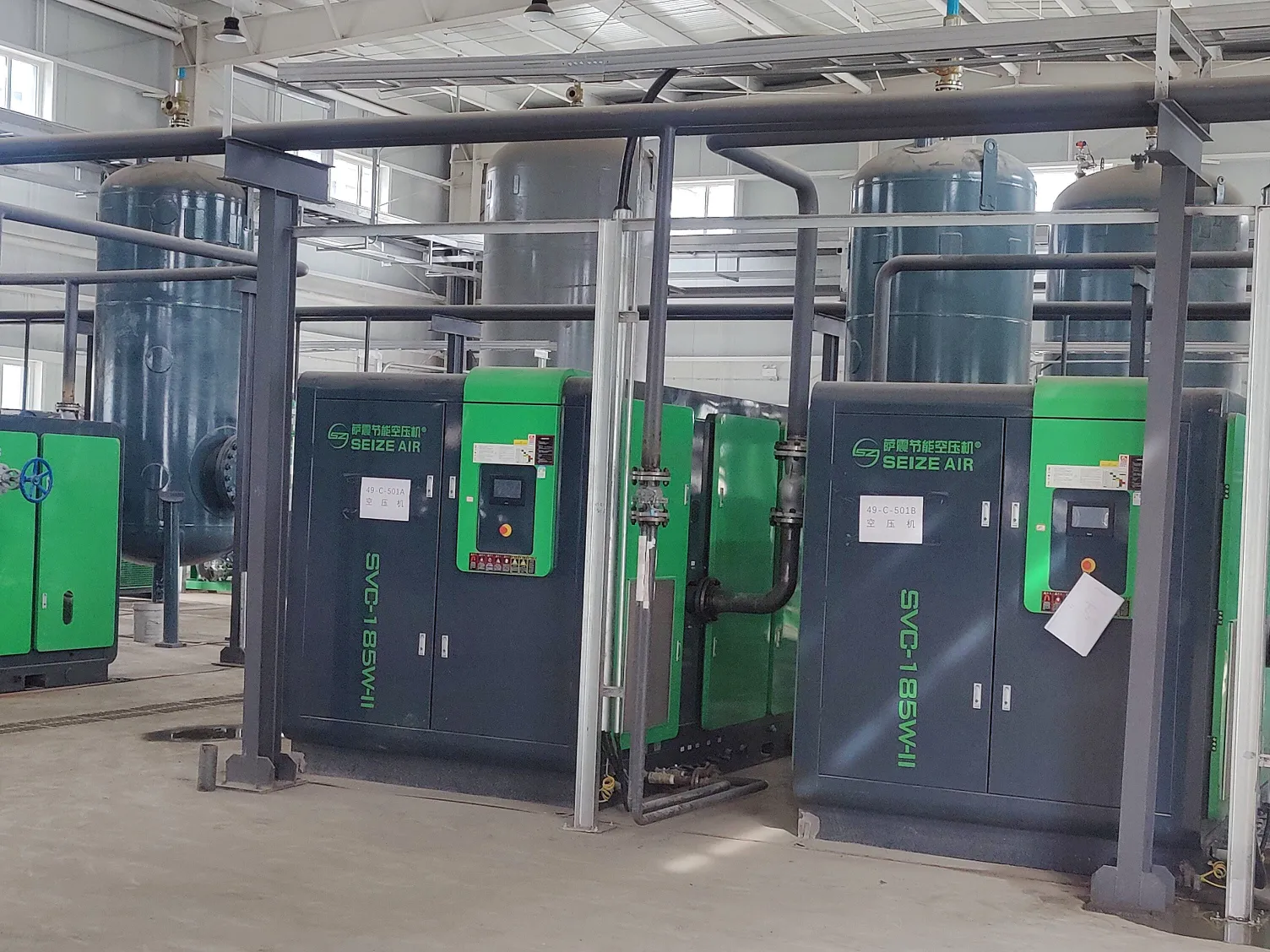 Variable Speed vs. Fixed Speed Air Compressors: Key Differences, Pros & Cons
 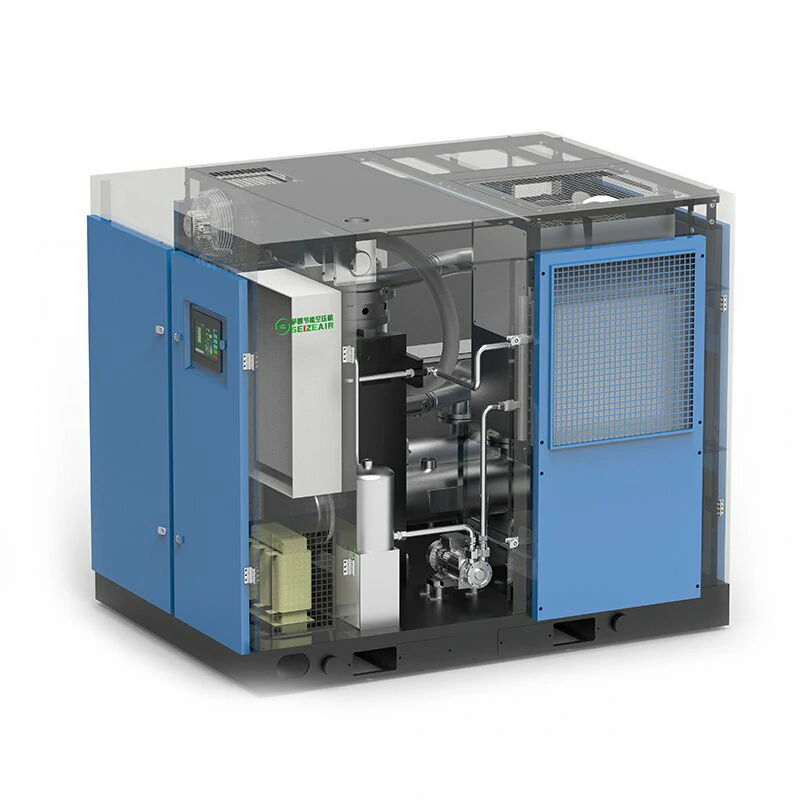 How to Choose Between Dry and Water-Lubricated Oil-Free Screw Compressors: A Comprehensive Comparison
 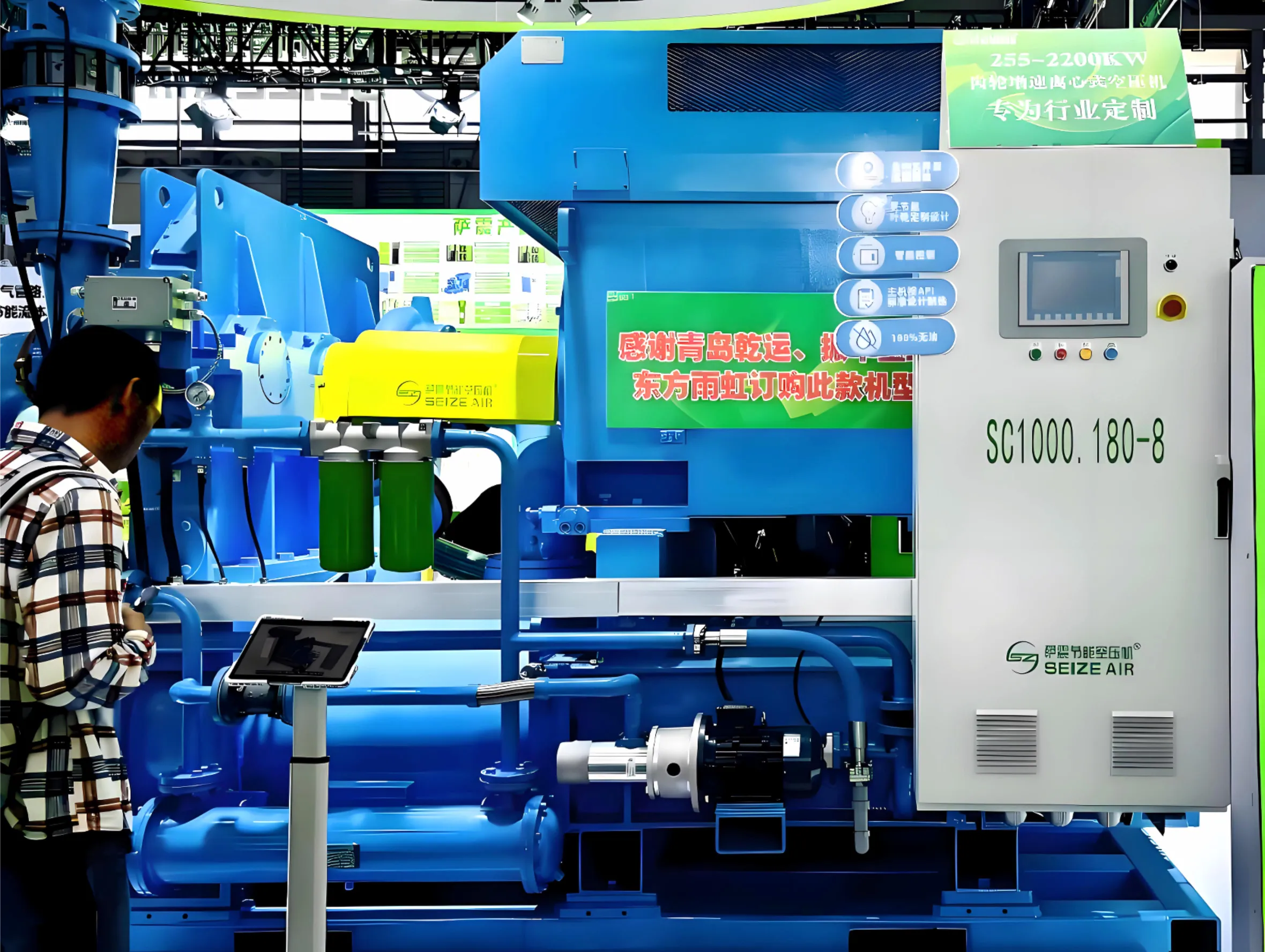 Centrifugal vs. Reciprocating Air Compressors: Why Centrifugal Wins for Industrial Applications
 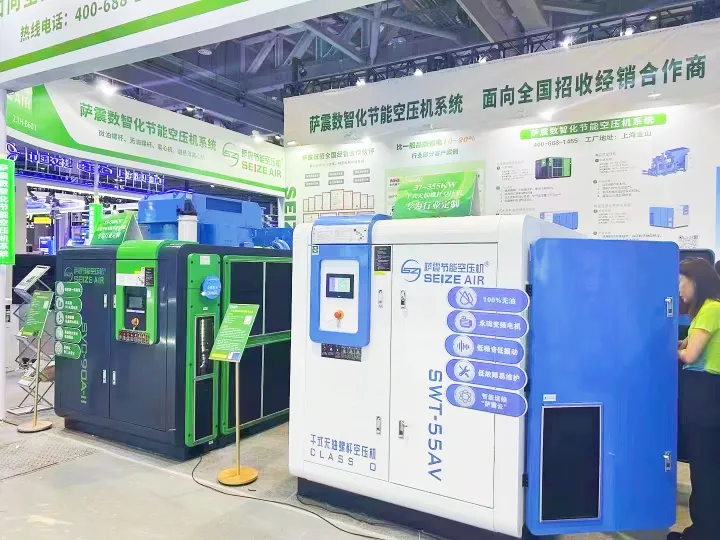 How to Calculate Air Compressor Specific Energy Consumption (SEC) for Energy Savings: A Guide for Southeast Asia, Middle East, and Europe
  Single-Stage vs. Two-Stage Compression: Which Is Right for Your Needs?
 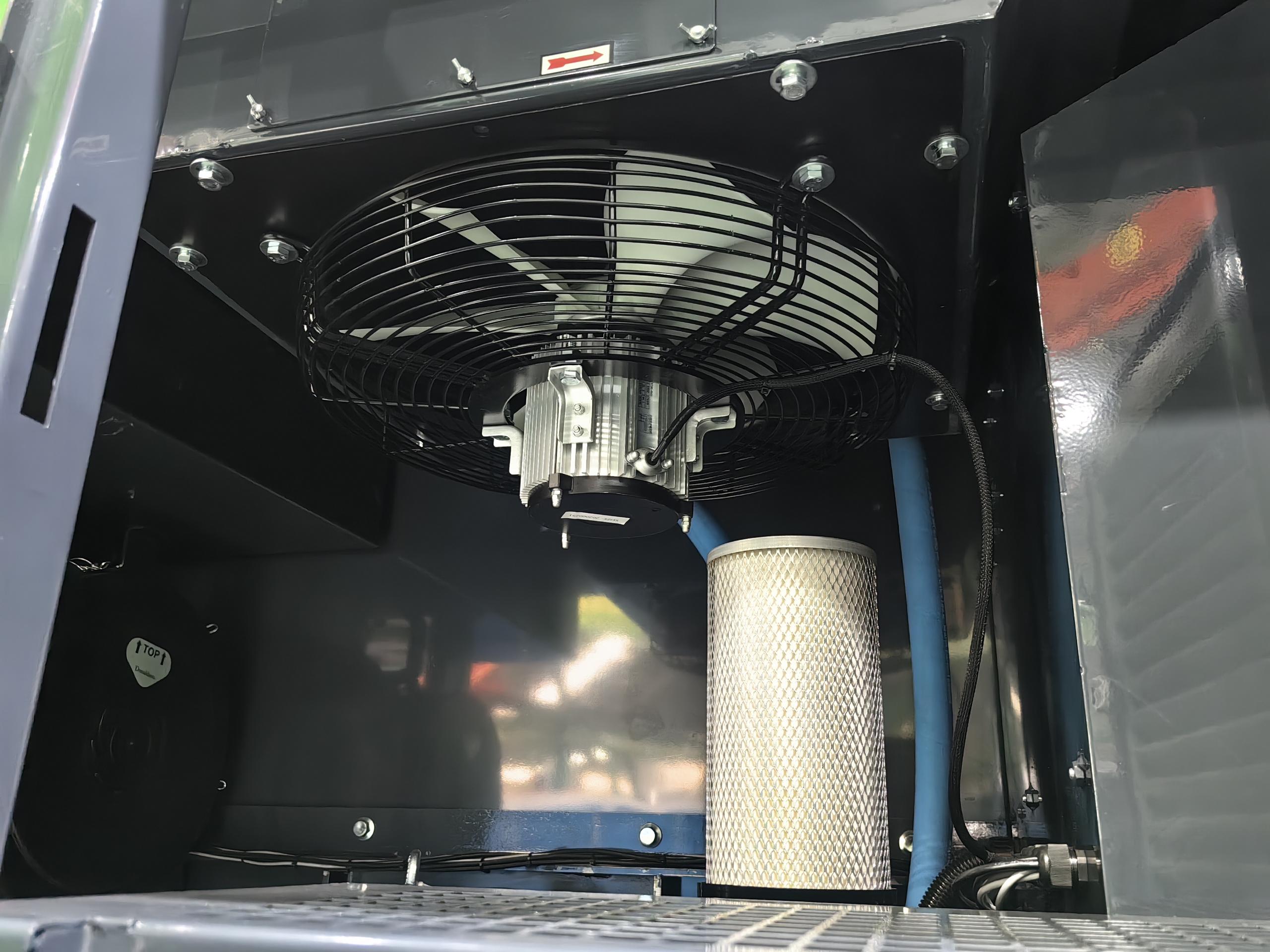 Maximize Your Savings: The Long-Term Cost Advantages of SEIZEAIR's Energy-Efficient Air Compressors
 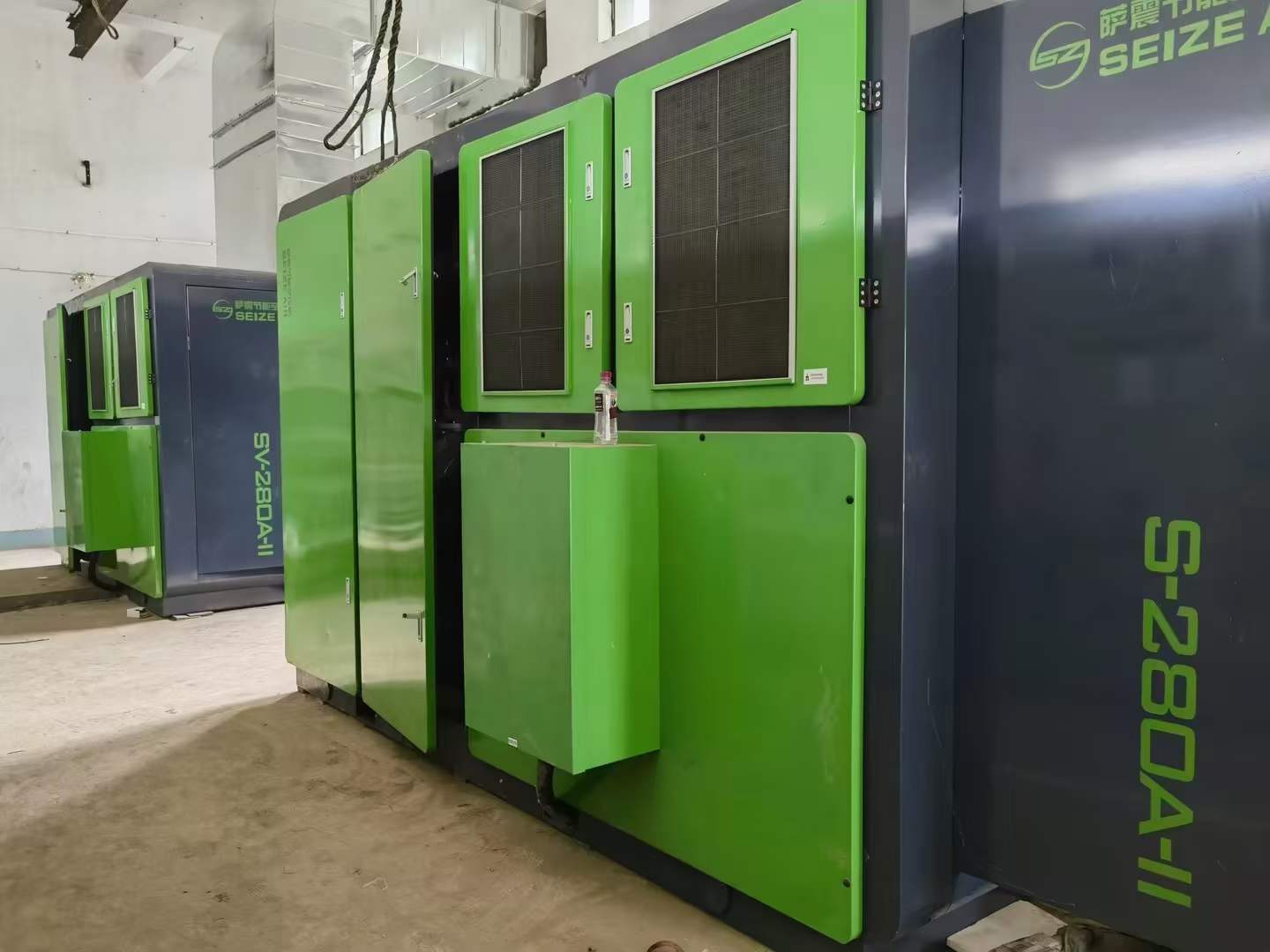 Piston vs. Screw Air Compressors: 5 Key Reasons to Choose Rotary Screw Technology
 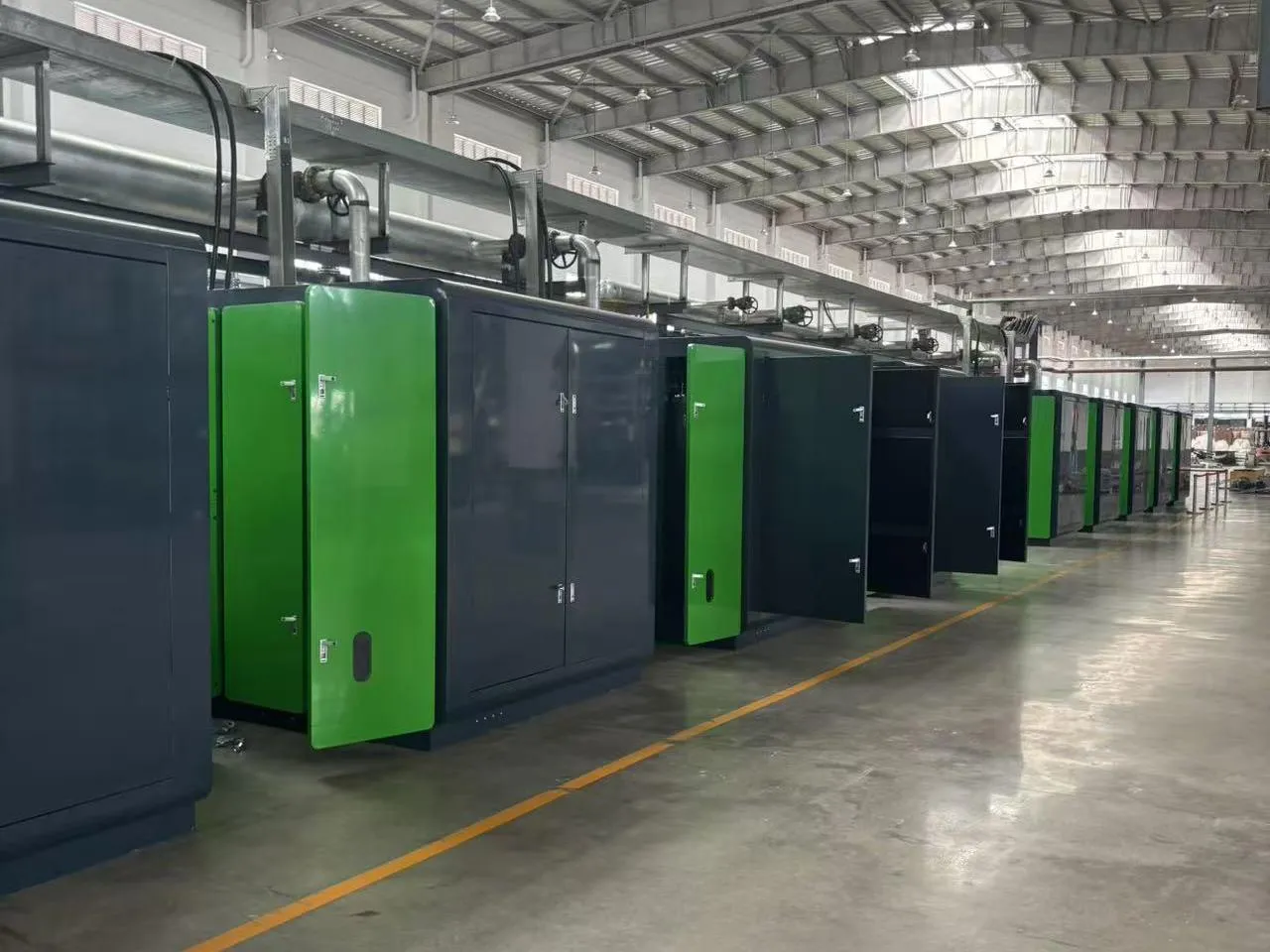 How Factories Slash Energy Costs with Energy-Efficient Air Compressors
 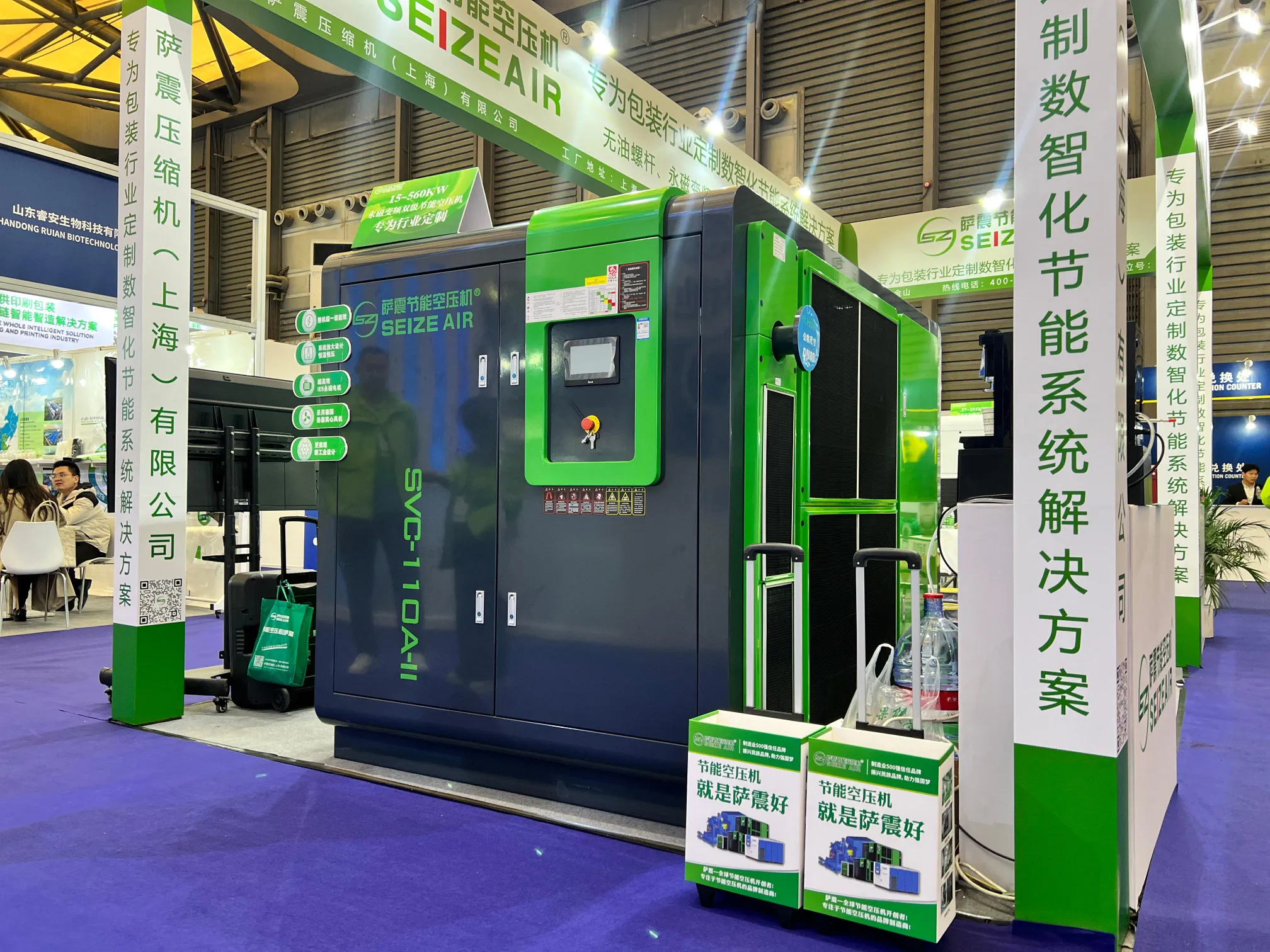 Why Piston Air Compressors Are Being Phased Out: A Consumer Perspective
 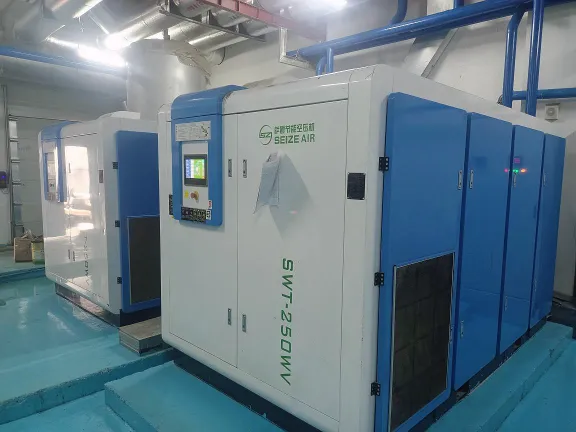 Permanent Magnet vs. Traditional Compressors: Which Saves More Money Long-Term?
  Technical Insights and Maintenance Tips for Water-Lubricated Compressors
 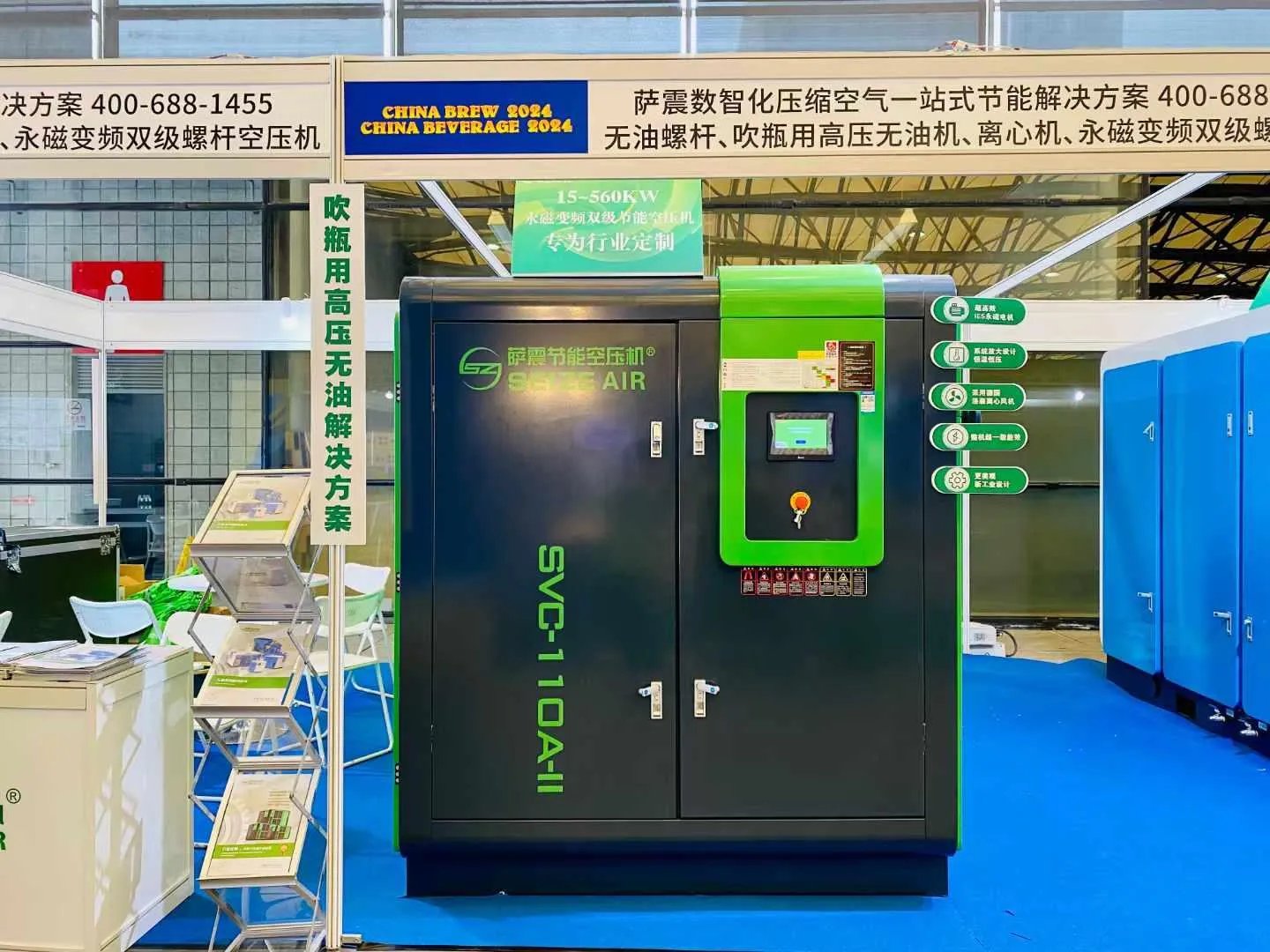 Why Oil-Free Screw Compressors Are the Future of Industrial Efficiency
 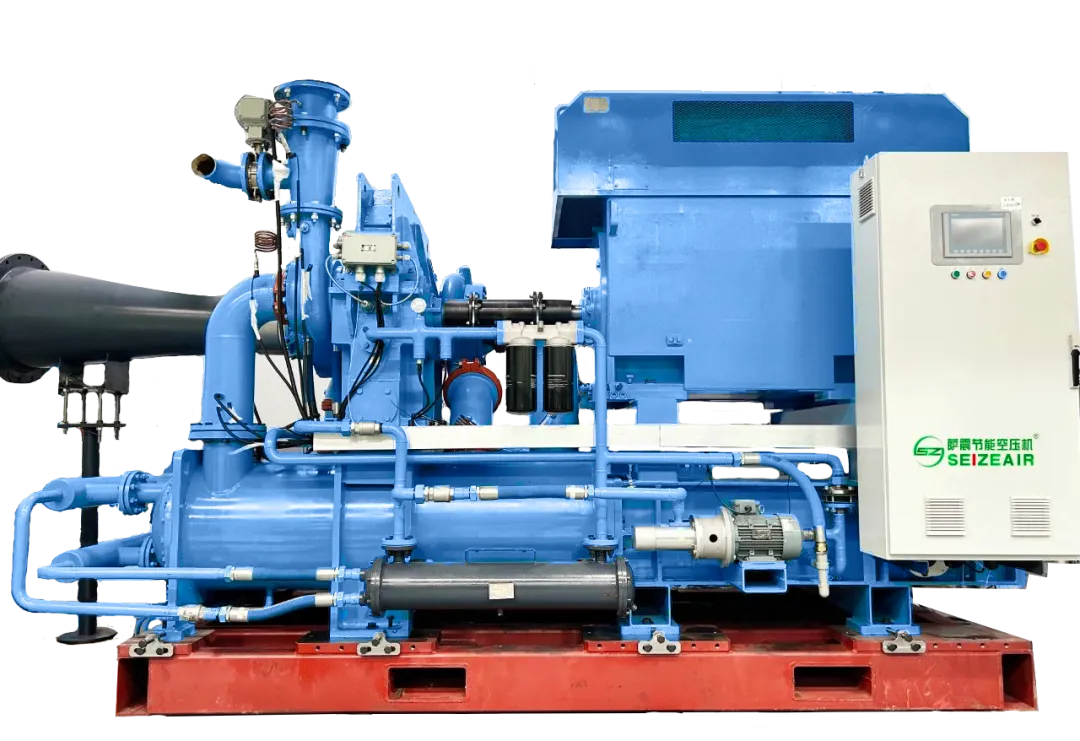 Industrial Air Compressor Solutions: Advanced Screw & Centrifugal Systems for Maximum ROI
 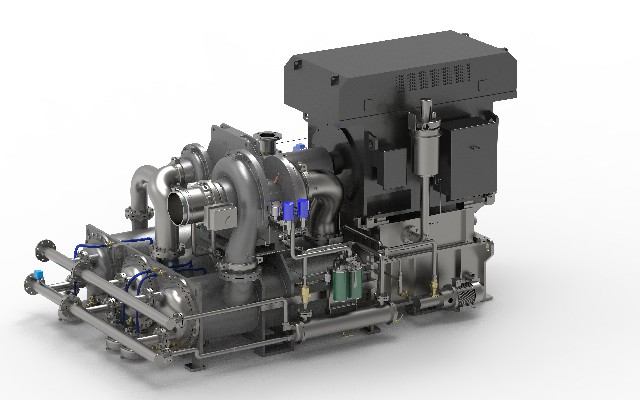 Energy-Efficient Compressors for Industrial Applications: Two-Stage Screw vs. Centrifugal Solutions
  Energy-Efficient Air Compressors Manufacturer in China | [Your Company Name] – Powering Sustainability Worldwide
  Coandă Effect in Air Compressor Research: Enhancing Efficiency and Innovation