
How much electricity does a variable frequency air compressor save compared to an industrial frequency air compressor?
In modern industrial production, as an important power equipment, the energy consumption of air compressors has always attracted much attention. The difference between variable frequency air compressors and industrial frequency air compressors in energy saving has become an important consideration for many companies when choosing equipment.
1. Difference in energy consumption between variable frequency air compressors and industrial frequency air compressors
The variable frequency air compressor controls the motor speed through the inverter to achieve precise regulation of compressed air. This regulation method enables the air compressor to automatically adjust the output power when the load changes to avoid energy waste. The industrial frequency air compressor runs at a constant speed, and its output power remains unchanged regardless of how the load changes, so the energy consumption is relatively high.
In actual applications, variable frequency air compressors can save about 20%~40% of electricity compared to industrial frequency air compressors. This energy-saving effect is mainly due to the adaptive adjustment ability of variable frequency air compressors when the load changes.

2. Specific manifestation of energy-saving advantages
Load adjustment ability
The variable frequency air compressor can adjust the motor speed in real time according to actual needs, thereby achieving precise control of the amount of compressed air. When the load is low, the variable frequency air compressor can reduce the speed and reduce energy consumption; when the load is high, it can quickly increase the speed to meet production needs. This flexible load adjustment capability makes the variable frequency air compressor have significant advantages in energy saving.
Reduce unnecessary energy consumption
When the industrial frequency air compressor is running, its motor will run at a constant speed regardless of how the load changes. This results in a large amount of useless work being generated by the air compressor when the load is low, resulting in energy waste. The variable frequency air compressor can adjust the motor speed according to the actual load conditions to avoid unnecessary energy consumption.
Increase the service life of the equipment
Since the variable frequency air compressor can automatically adjust the output power according to the load changes, the operating load of its motor and compressor is more balanced, reducing the wear and failure rate of the equipment. This not only reduces maintenance costs, but also extends the service life of the equipment.
Reduce noise and vibration
The variable frequency air compressor makes the equipment run more smoothly and reduces noise and vibration by precisely controlling the motor speed. This not only improves the working environment, but also helps to improve the work efficiency of employees.
In summary, the variable frequency air compressor has significant advantages in energy saving compared to the industrial frequency air compressor. These advantages are mainly reflected in load adjustment capability, reducing unnecessary energy consumption, increasing equipment life, and reducing noise and vibration, etc. Therefore, when selecting air compressor equipment, enterprises should fully consider energy-saving factors and give priority to variable frequency air compressors with high efficiency and energy-saving performance.
Contact us at: //www.esscompressor.com/
WhatsApp: +86 15317057736
 Seize Oil-Free Screw Blowers: The Ultimate Energy-Efficient Air Compressor Solution for Industry 4.0
  Maximize Energy Efficiency with Heat Recovery Systems for Energy-Saving Air Compressors
  Top 7 Advantages of Centrifugal Blowers for Industrial Applications
  The Revolutionary Benefits of Permanent Magnet Variable Frequency Air Compressors: A Game-Changer for Modern Industries
  Variable Speed vs. Fixed Speed Air Compressors: Key Differences, Pros & Cons
  How to Choose Between Dry and Water-Lubricated Oil-Free Screw Compressors: A Comprehensive Comparison
  Centrifugal vs. Reciprocating Air Compressors: Why Centrifugal Wins for Industrial Applications
  How to Calculate Air Compressor Specific Energy Consumption (SEC) for Energy Savings: A Guide for Southeast Asia, Middle East, and Europe
  Single-Stage vs. Two-Stage Compression: Which Is Right for Your Needs?
  Maximize Your Savings: The Long-Term Cost Advantages of SEIZEAIR's Energy-Efficient Air Compressors
  Energy Efficiency of Screw Compressors in Industrial Applications: Maximizing Savings and Sustainability
  Piston vs. Screw Air Compressors: 5 Key Reasons to Choose Rotary Screw Technology
  How Factories Slash Energy Costs with Energy-Efficient Air Compressors
  Why Piston Air Compressors Are Being Phased Out: A Consumer Perspective
 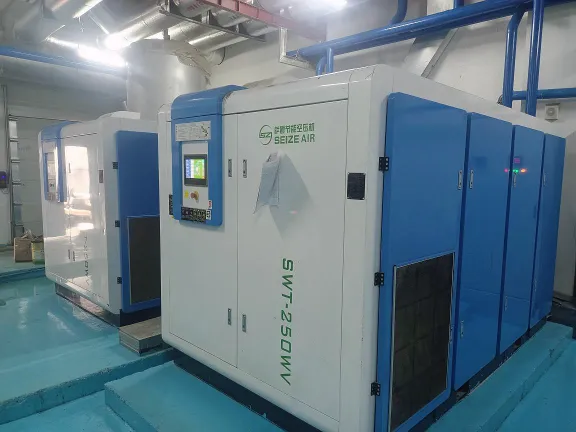 Permanent Magnet vs. Traditional Compressors: Which Saves More Money Long-Term?
  Technical Insights and Maintenance Tips for Water-Lubricated Compressors
 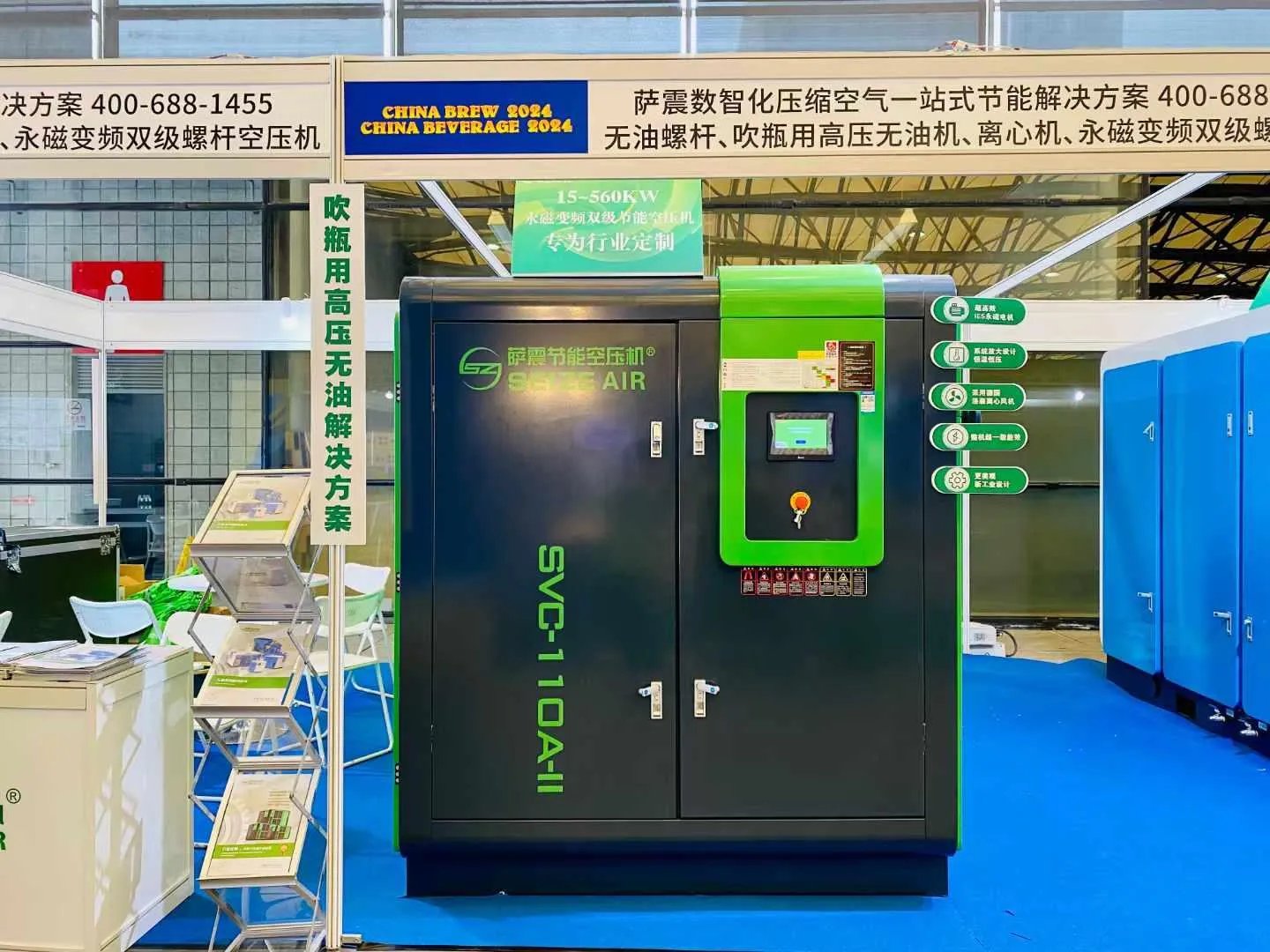 Why Oil-Free Screw Compressors Are the Future of Industrial Efficiency
 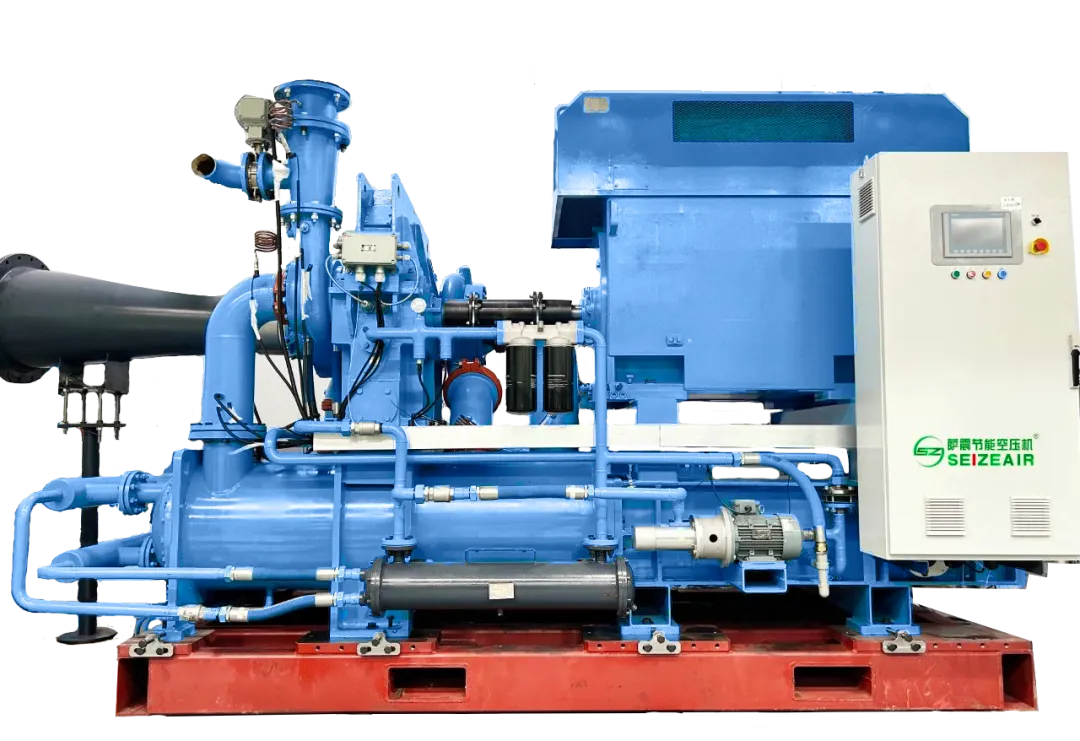 Industrial Air Compressor Solutions: Advanced Screw & Centrifugal Systems for Maximum ROI
 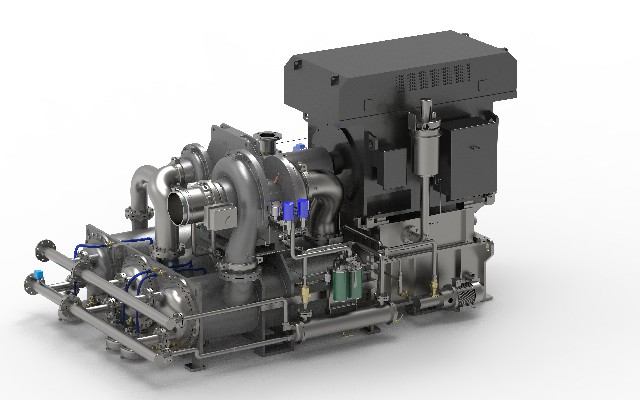 Energy-Efficient Compressors for Industrial Applications: Two-Stage Screw vs. Centrifugal Solutions
  Energy-Efficient Air Compressors Manufacturer in China | [Your Company Name] – Powering Sustainability Worldwide