
IoT Technology for Air Compressors: Revolutionizing Industrial Efficiency
2024-10-18
Introduction to IoT in Air Compressors
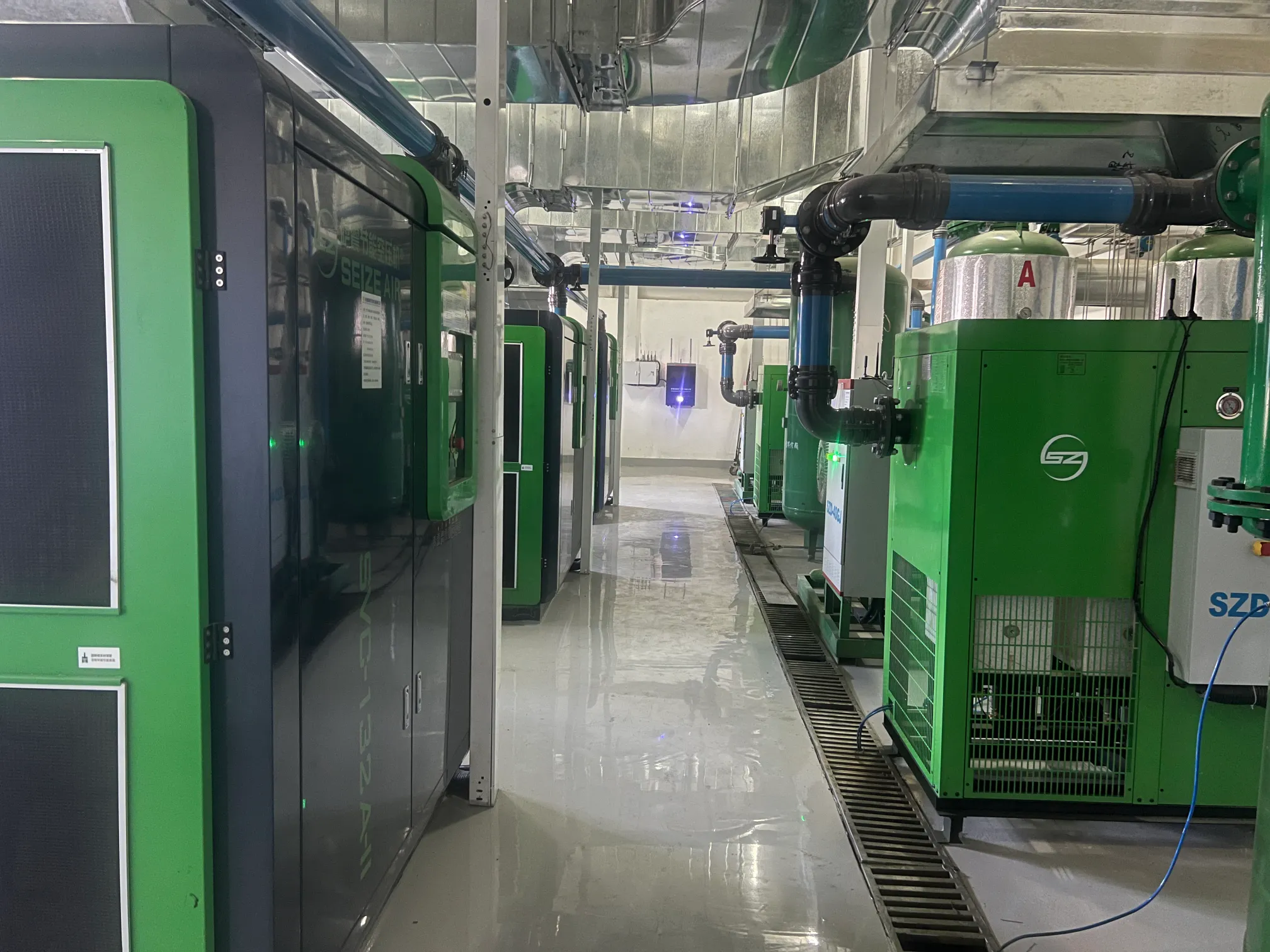
IoT technology for air compressors is a comprehensive solution that integrates Internet of Things (IoT) advancements into the air compressor industry. By equipping air compressor systems with various sensors, it enables real-time monitoring of operational status, energy consumption, and environmental parameters. This data is transmitted via wireless communication to cloud platforms or local servers, allowing for enhanced data processing and analytics. With these capabilities, industries can achieve remote monitoring, fault prediction, energy optimization, and remote control, significantly improving efficiency while reducing maintenance costs and extending equipment lifespan.

Key Features of IoT Technology for Air Compressors
1. Real-Time Data Monitoring
Real-time data monitoring is the foundation of IoT technology in air compressors. Sensors such as temperature, pressure, and flow sensors are installed on the equipment to continuously collect critical operational data. This information is sent to the cloud or a designated monitoring system, enabling operators to access up-to-date equipment status even when they are off-site. Various types of sensors can be selected based on specific monitoring needs, ensuring accurate data capture for optimal performance management.
2. Fault Prediction and Alerts
The fault prediction system analyzes the air compressor’s operational status in real-time based on collected data. When anomalies are detected, the system automatically triggers alerts, significantly minimizing downtime and maintenance costs. By comparing historical data with real-time metrics and utilizing machine learning algorithms, the fault prediction system can accurately forecast potential failures, facilitating preventive maintenance. Additionally, the IoT system provides tailored maintenance recommendations based on equipment usage, enhancing reliability and controlling operational expenses.
3. Energy Optimization
IoT technology in air compressors identifies energy-saving opportunities through data analysis. For instance, it can adjust compressed air output to meet actual demand, reducing energy waste, and monitoring trends to predict optimal maintenance schedules. By intelligently regulating compressor output according to usage patterns, the system ensures energy-efficient operations without exceeding capacity. Detailed analysis of energy consumption data aids businesses in formulating energy management strategies and discovering further energy reduction opportunities.
4. Remote Control Capabilities
The remote control feature allows businesses to operate air compressors over the internet, performing tasks such as starting/stopping the system and adjusting parameters without needing on-site technicians. This capability offers substantial convenience in equipment management. IoT-enabled air compressors often include user-friendly remote control interfaces that can be integrated into web platforms or mobile applications. By analyzing operational data, companies can gain insights into usage patterns, providing data-driven support for decisions regarding new purchases or repairs of existing equipment.

IoT technology for air compressors represents a significant innovation in modern industrial applications. By integrating sensors, networking, cloud computing, and artificial intelligence, it offers a robust solution for connected devices, data collection, analysis, and remote monitoring and maintenance. As industries continue to adopt IoT solutions, they can enhance operational efficiency, reduce costs, and ultimately achieve greater productivity.
Contact us at://www.eescompressor.com/
WhatsApp:+86 15317057736

 Seize Oil-Free Screw Blowers: The Ultimate Energy-Efficient Air Compressor Solution for Industry 4.0
  Maximize Energy Efficiency with Heat Recovery Systems for Energy-Saving Air Compressors
  Top 7 Advantages of Centrifugal Blowers for Industrial Applications
  The Revolutionary Benefits of Permanent Magnet Variable Frequency Air Compressors: A Game-Changer for Modern Industries
  Variable Speed vs. Fixed Speed Air Compressors: Key Differences, Pros & Cons
  How to Choose Between Dry and Water-Lubricated Oil-Free Screw Compressors: A Comprehensive Comparison
  Centrifugal vs. Reciprocating Air Compressors: Why Centrifugal Wins for Industrial Applications
  How to Calculate Air Compressor Specific Energy Consumption (SEC) for Energy Savings: A Guide for Southeast Asia, Middle East, and Europe
  Single-Stage vs. Two-Stage Compression: Which Is Right for Your Needs?
  Maximize Your Savings: The Long-Term Cost Advantages of SEIZEAIR's Energy-Efficient Air Compressors
 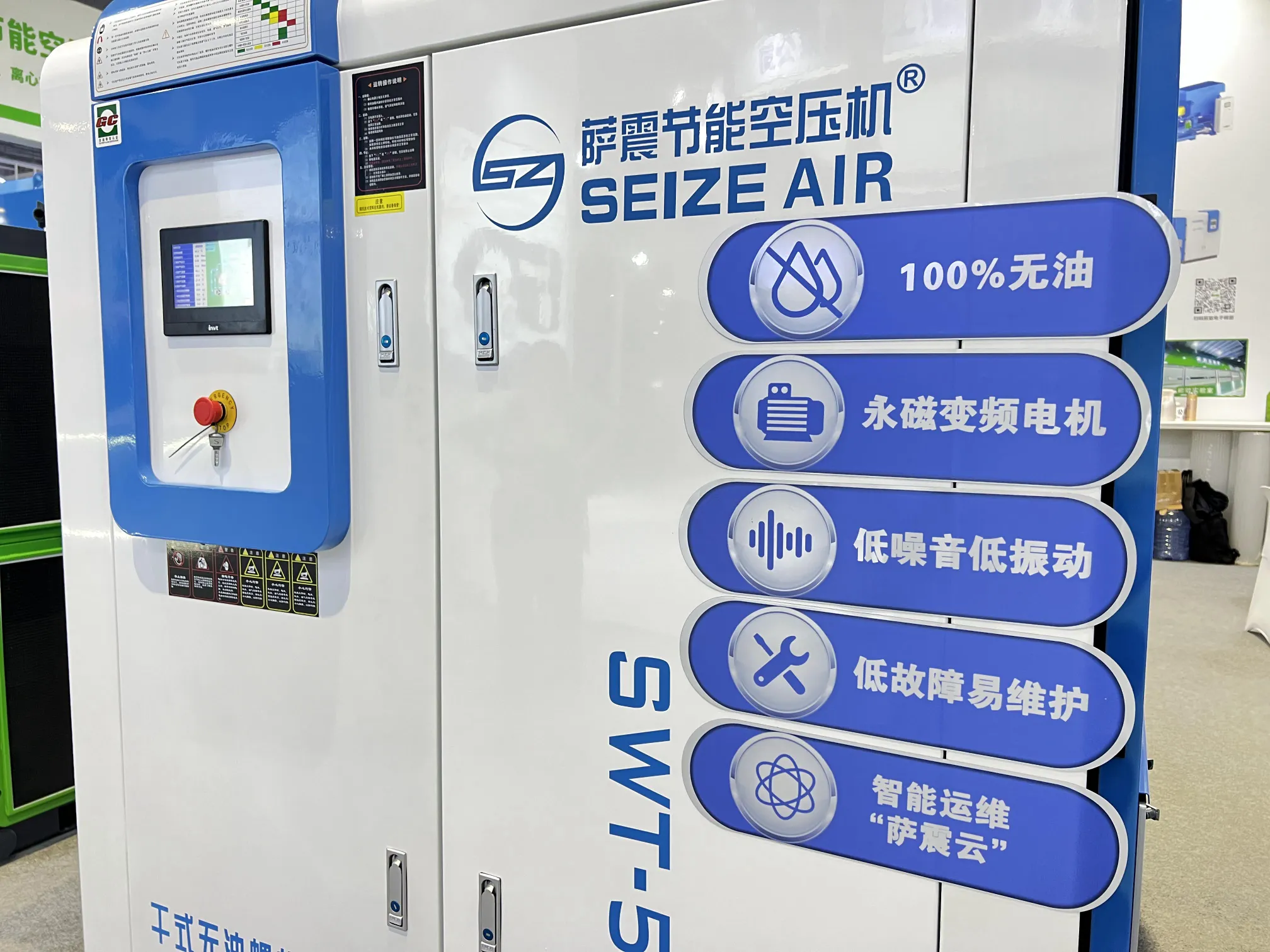 Energy Efficiency of Screw Compressors in Industrial Applications: Maximizing Savings and Sustainability
 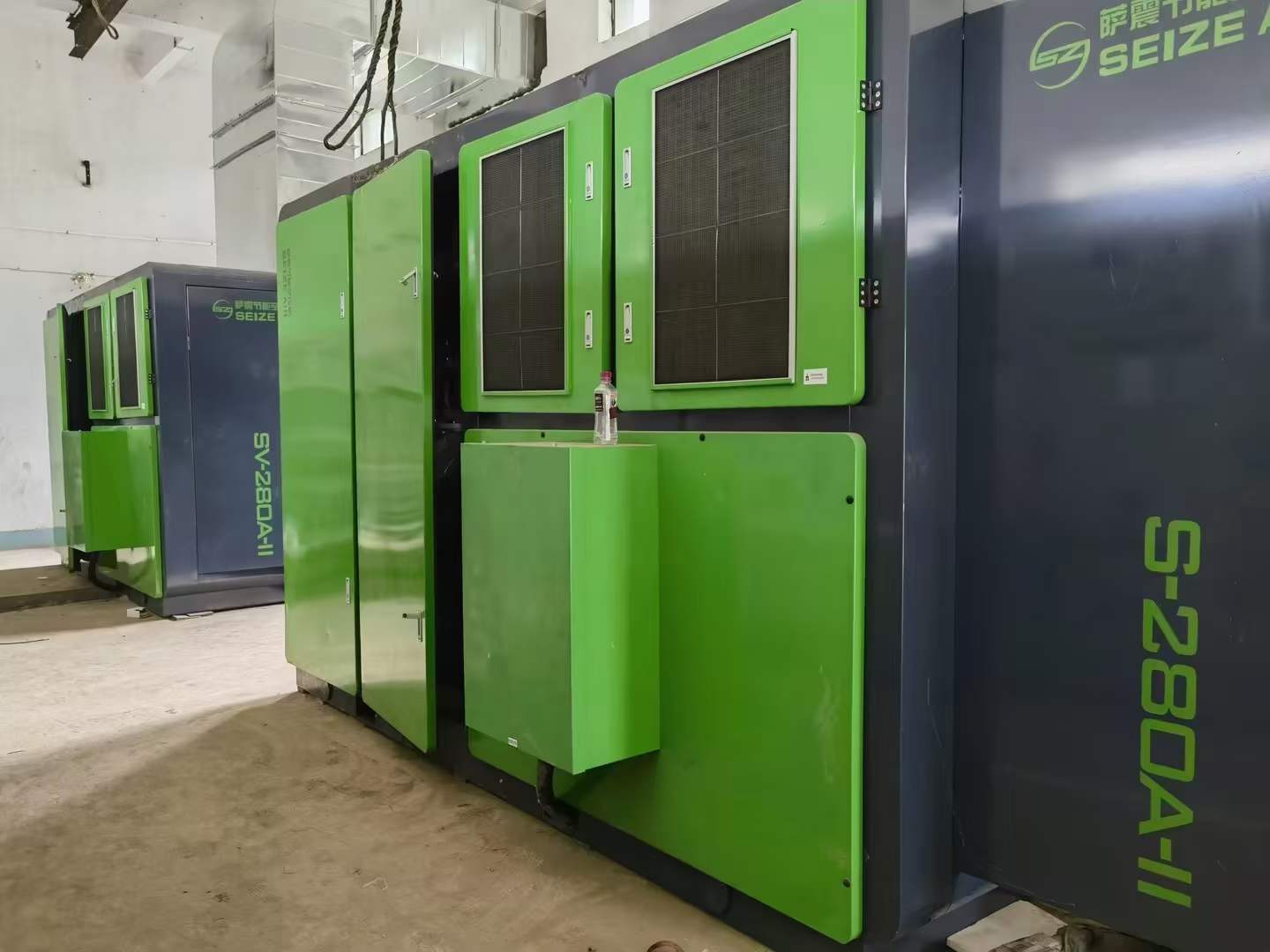 Piston vs. Screw Air Compressors: 5 Key Reasons to Choose Rotary Screw Technology
 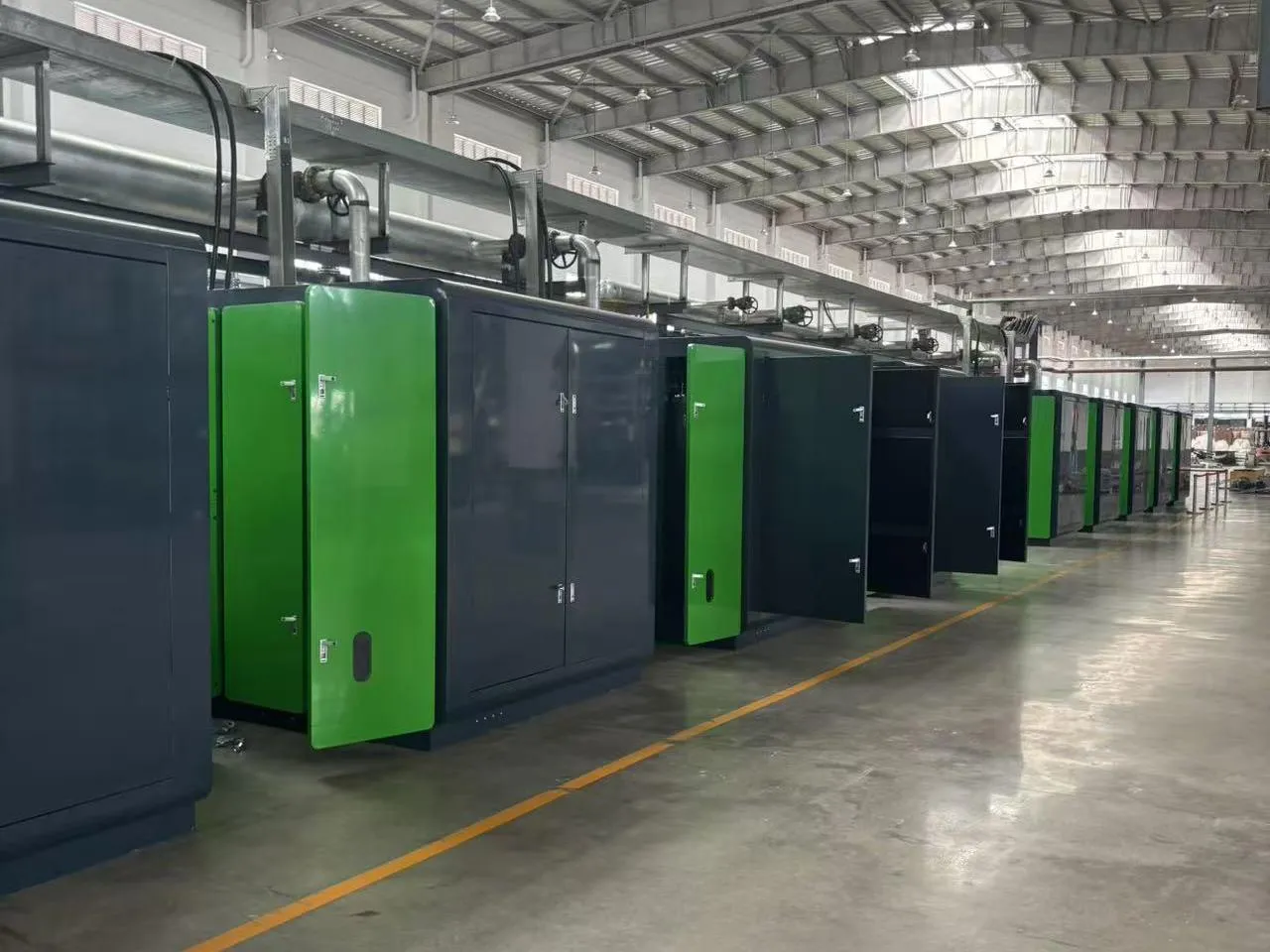 How Factories Slash Energy Costs with Energy-Efficient Air Compressors
 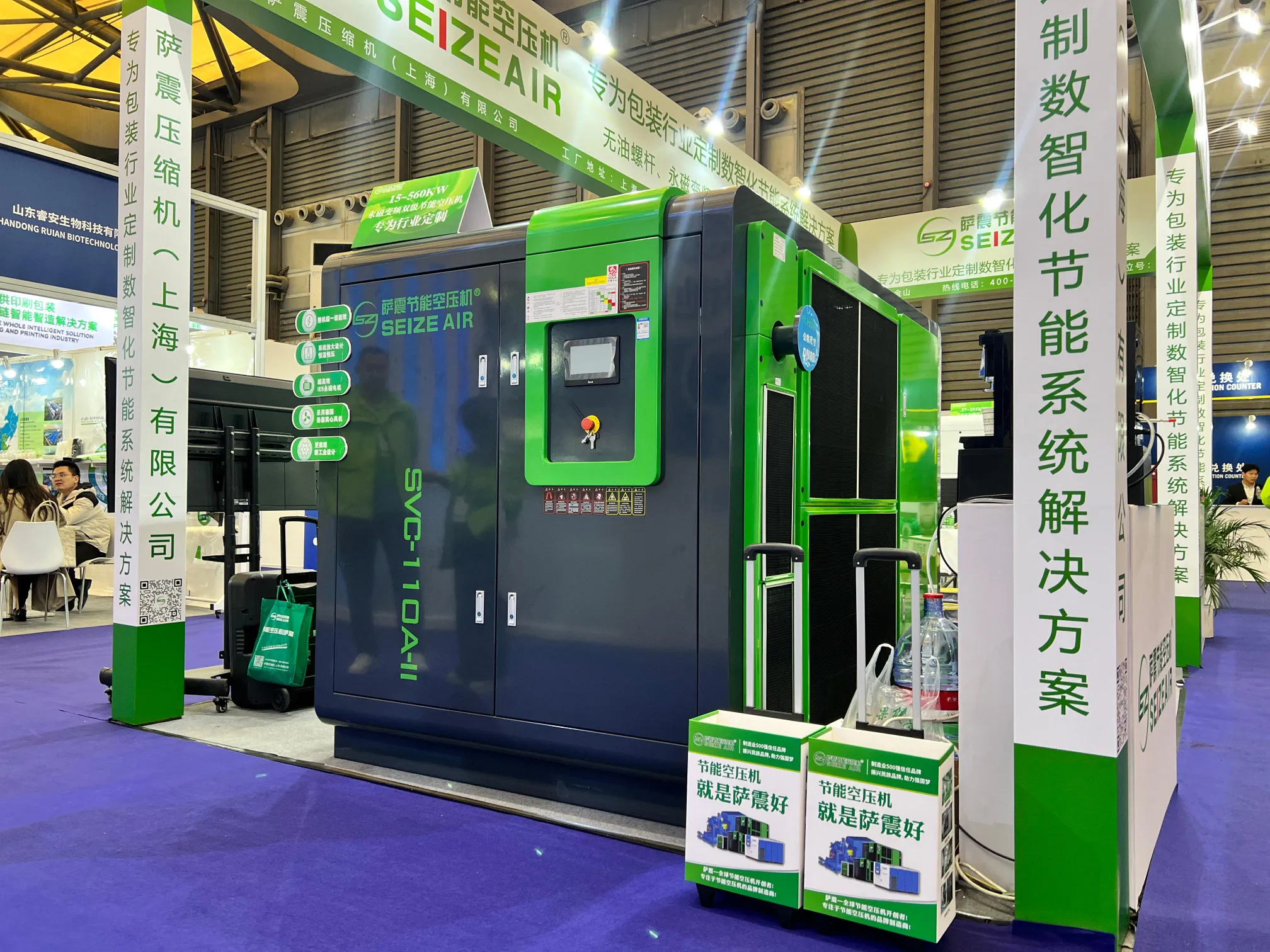 Why Piston Air Compressors Are Being Phased Out: A Consumer Perspective
  Permanent Magnet vs. Traditional Compressors: Which Saves More Money Long-Term?
  Technical Insights and Maintenance Tips for Water-Lubricated Compressors
  Why Oil-Free Screw Compressors Are the Future of Industrial Efficiency
  Industrial Air Compressor Solutions: Advanced Screw & Centrifugal Systems for Maximum ROI
  Energy-Efficient Compressors for Industrial Applications: Two-Stage Screw vs. Centrifugal Solutions
  Energy-Efficient Air Compressors Manufacturer in China | [Your Company Name] – Powering Sustainability Worldwide