
Essential Air Compressor Installation Guide: Key Tips for Optimal Performance and Longevity
2024-11-13
Air compressors play a crucial role in modern industrial operations, providing the necessary compressed air for various processes. Proper installation is vital for ensuring efficient operation, long-term reliability, and safety. This guide highlights the key steps to follow for installing an air compressor effectively.
1. Pre-Installation Considerations
Site Selection and Space Planning
Location: Choose a well-ventilated, clean, and spacious area to install the compressor. Make sure there's ample room for maintenance and cooling.
Surface: Install on a level, solid floor to prevent vibrations and operational instability.
Temperature and Humidity: Maintain the environment within the recommended temperature and humidity ranges to protect the compressor.
Electrical and Safety Requirements
Power Supply: Ensure the electrical supply matches the compressor's voltage, frequency, and phase requirements.
Electrical Connections: Follow safety protocols, ensuring all connections are secure and grounded to prevent electrical hazards.
Piping and Accessories
Piping Layout: Design the compressed air system layout with appropriate pipe diameter and minimal bends to reduce pressure loss.
Accessories: Install necessary components like filters, dryers, and storage tanks to maintain air quality.
2. Installation Steps
Positioning and Securing the Compressor
Positioning: Place the compressor in the prepared space, ensuring it's level and stable.
Fixing: Secure the compressor with anchor bolts or similar methods to prevent movement or vibrations.
Piping and Sealing
Connect Pipes: Install the air and cooling system pipes according to design, ensuring tight, leak-free connections.
Leak Test: Use a soap solution or leak detector to check all pipe joints for leaks.
Electrical Connections and Testing
Wiring: Connect the power supply and control wiring as per the electrical diagram, ensuring everything is tight and secure.
Testing: Perform electrical checks to verify that the compressor starts, runs, and stops as expected, with no faults.
Cooling System Setup
Installation: If applicable, install cooling fans, heat exchangers, and water pipes.
Testing: Verify the cooling system's functionality, checking for proper fan operation and unobstructed heat exchange.

3. Post-Installation Testing and Adjustments
Initial Trial Run
No Load Test: Run the compressor without load to ensure it starts smoothly, runs properly, and shuts down without issues.
Troubleshooting: If abnormal sounds, vibrations, or temperature increases occur, stop the compressor and troubleshoot before continuing.
Load Testing and Adjustment
Under Load Test: Run the compressor with load to ensure performance metrics (pressure, flow rate, temperature) align with specifications.
Adjustment: Adjust parameters like pressure switches and flow controllers to optimize the compressor's performance.
Safety and Protective Measures
Safety Features: Inspect safety valves, pressure gauges, and temperature sensors to ensure they function properly.
Protective Barriers: Install safety barriers or warning signs to prevent accidents and unauthorized access.
Maintenance Plan
Schedule Maintenance: Develop a routine maintenance schedule based on the manufacturer’s guidelines. Regularly replace oil, clean filters, and check electrical components.
Staff Training: Ensure operators are trained to operate the compressor safely and understand routine maintenance procedures.
Contact us at://www.eescompressor.com/
WhatsApp:+86 15317057736

 Seize Oil-Free Screw Blowers: The Ultimate Energy-Efficient Air Compressor Solution for Industry 4.0
  Maximize Energy Efficiency with Heat Recovery Systems for Energy-Saving Air Compressors
  Top 7 Advantages of Centrifugal Blowers for Industrial Applications
  The Revolutionary Benefits of Permanent Magnet Variable Frequency Air Compressors: A Game-Changer for Modern Industries
  Variable Speed vs. Fixed Speed Air Compressors: Key Differences, Pros & Cons
  How to Choose Between Dry and Water-Lubricated Oil-Free Screw Compressors: A Comprehensive Comparison
  Centrifugal vs. Reciprocating Air Compressors: Why Centrifugal Wins for Industrial Applications
  How to Calculate Air Compressor Specific Energy Consumption (SEC) for Energy Savings: A Guide for Southeast Asia, Middle East, and Europe
  Single-Stage vs. Two-Stage Compression: Which Is Right for Your Needs?
  Maximize Your Savings: The Long-Term Cost Advantages of SEIZEAIR's Energy-Efficient Air Compressors
 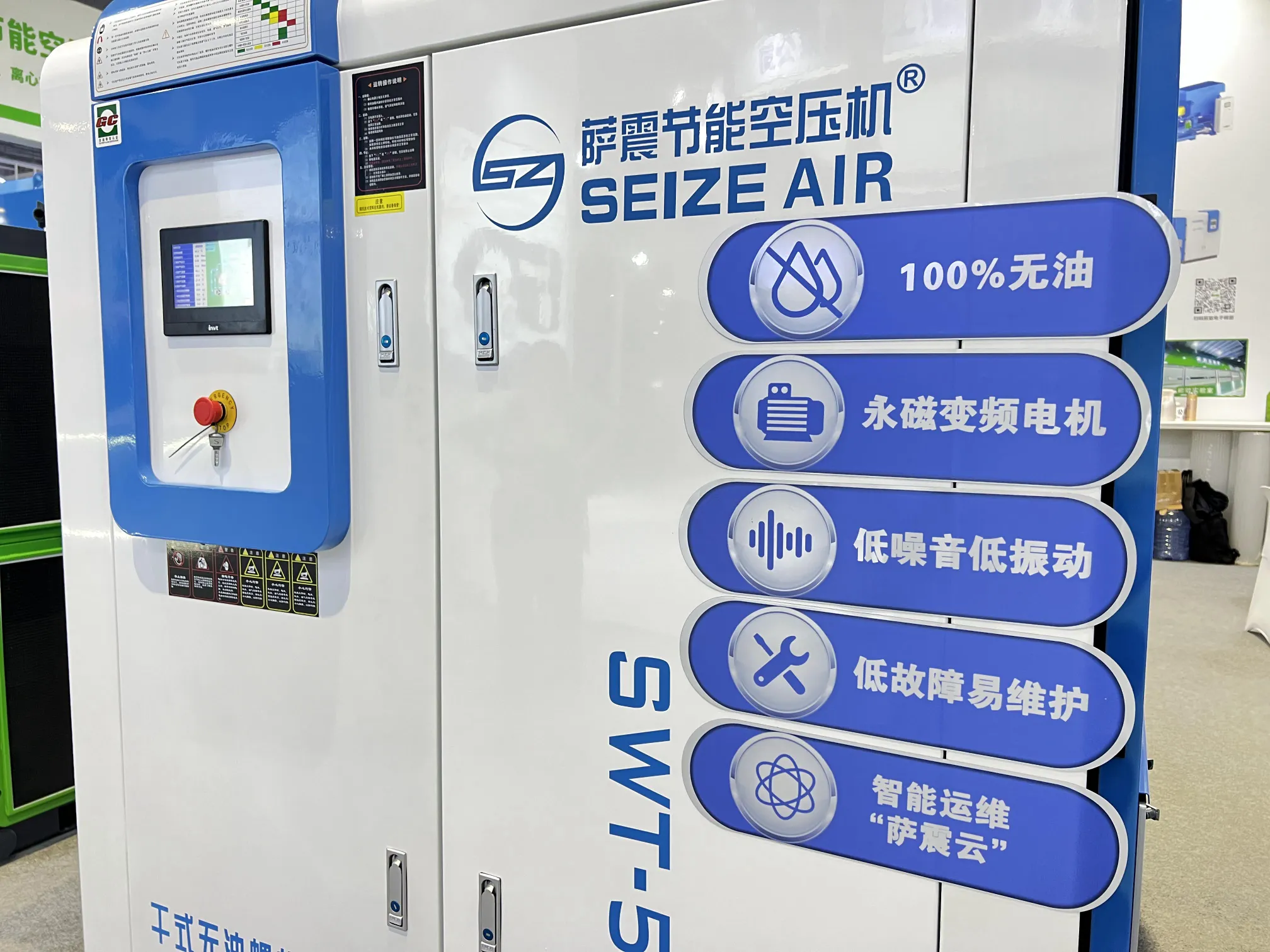 Energy Efficiency of Screw Compressors in Industrial Applications: Maximizing Savings and Sustainability
 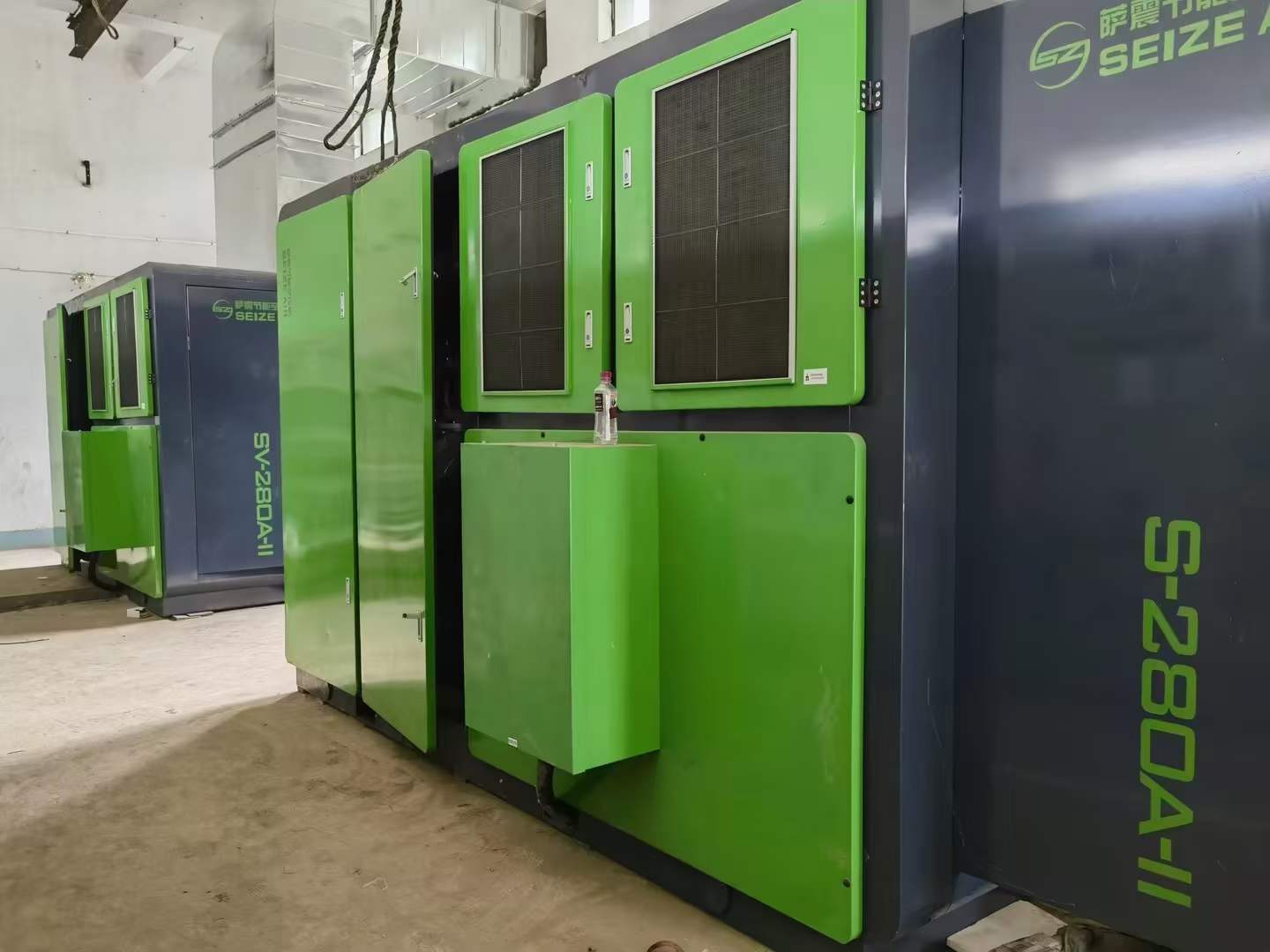 Piston vs. Screw Air Compressors: 5 Key Reasons to Choose Rotary Screw Technology
 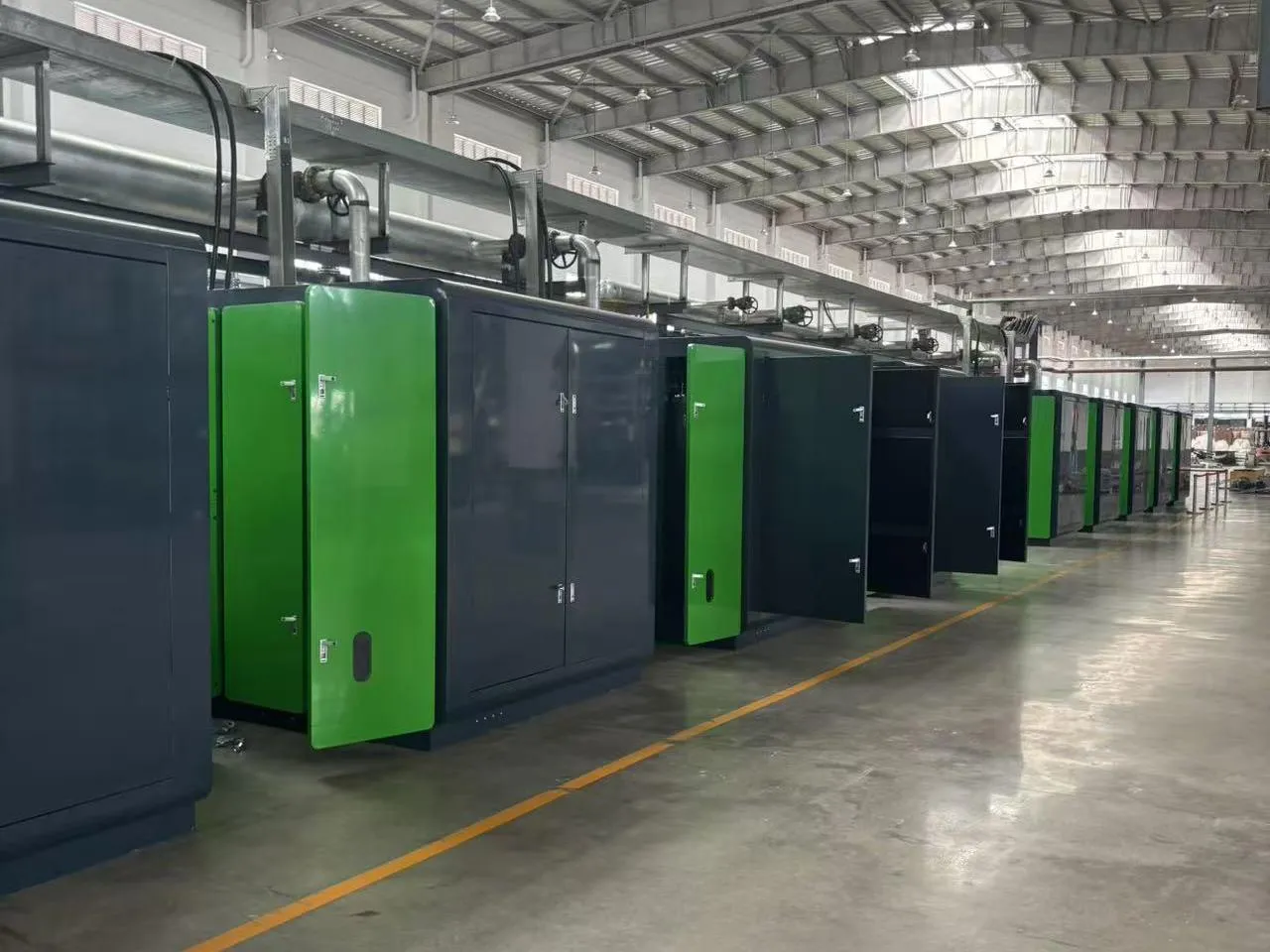 How Factories Slash Energy Costs with Energy-Efficient Air Compressors
 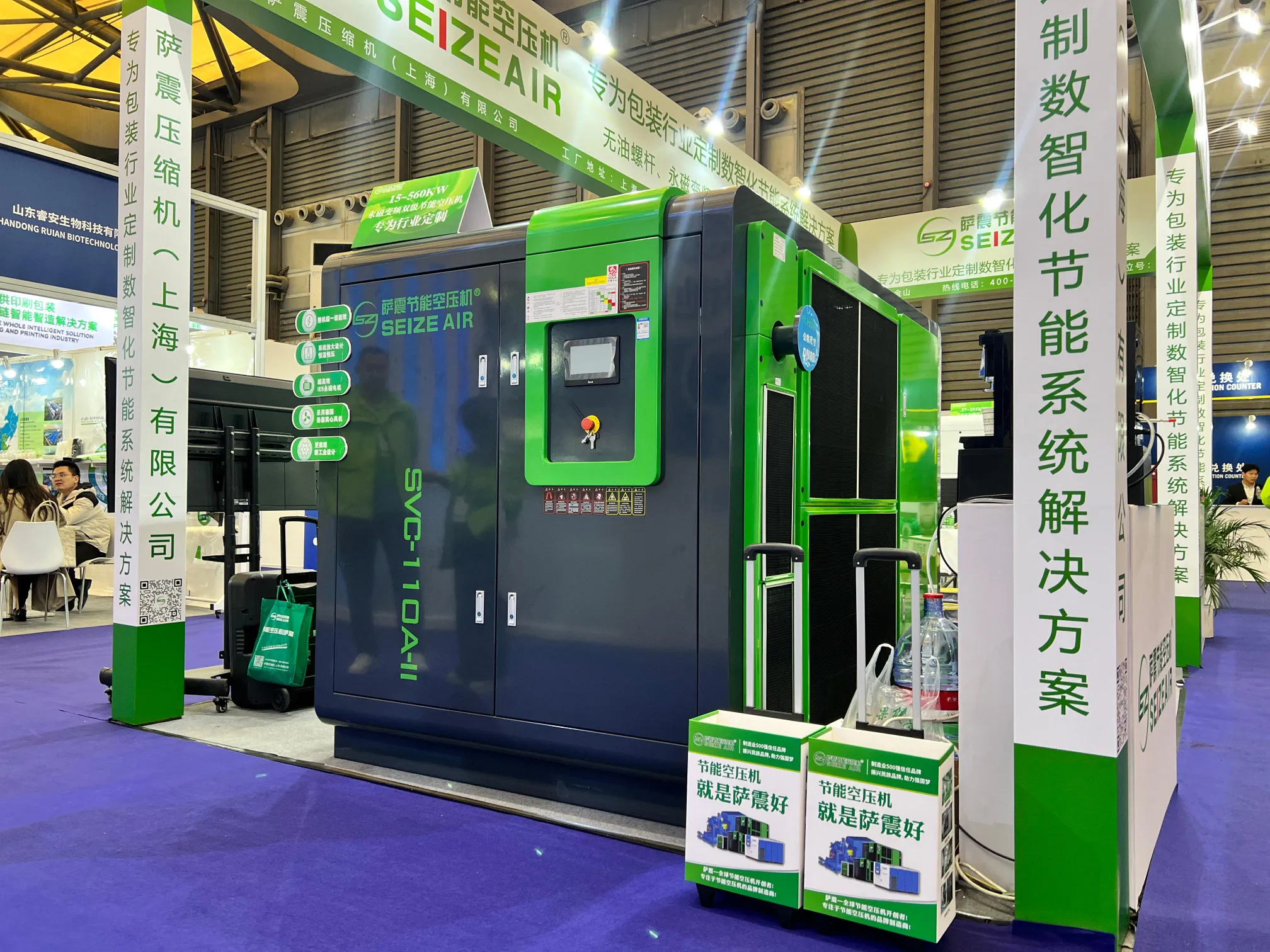 Why Piston Air Compressors Are Being Phased Out: A Consumer Perspective
 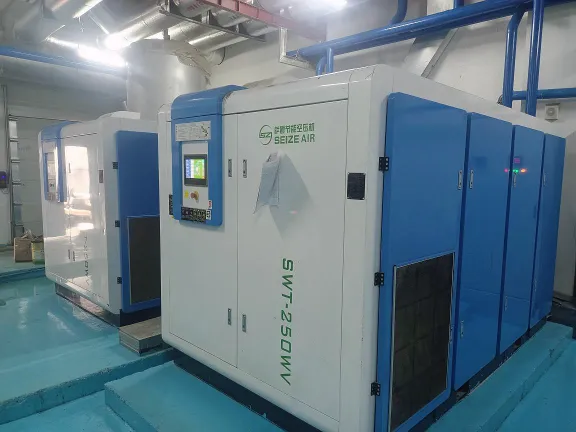 Permanent Magnet vs. Traditional Compressors: Which Saves More Money Long-Term?
  Technical Insights and Maintenance Tips for Water-Lubricated Compressors
 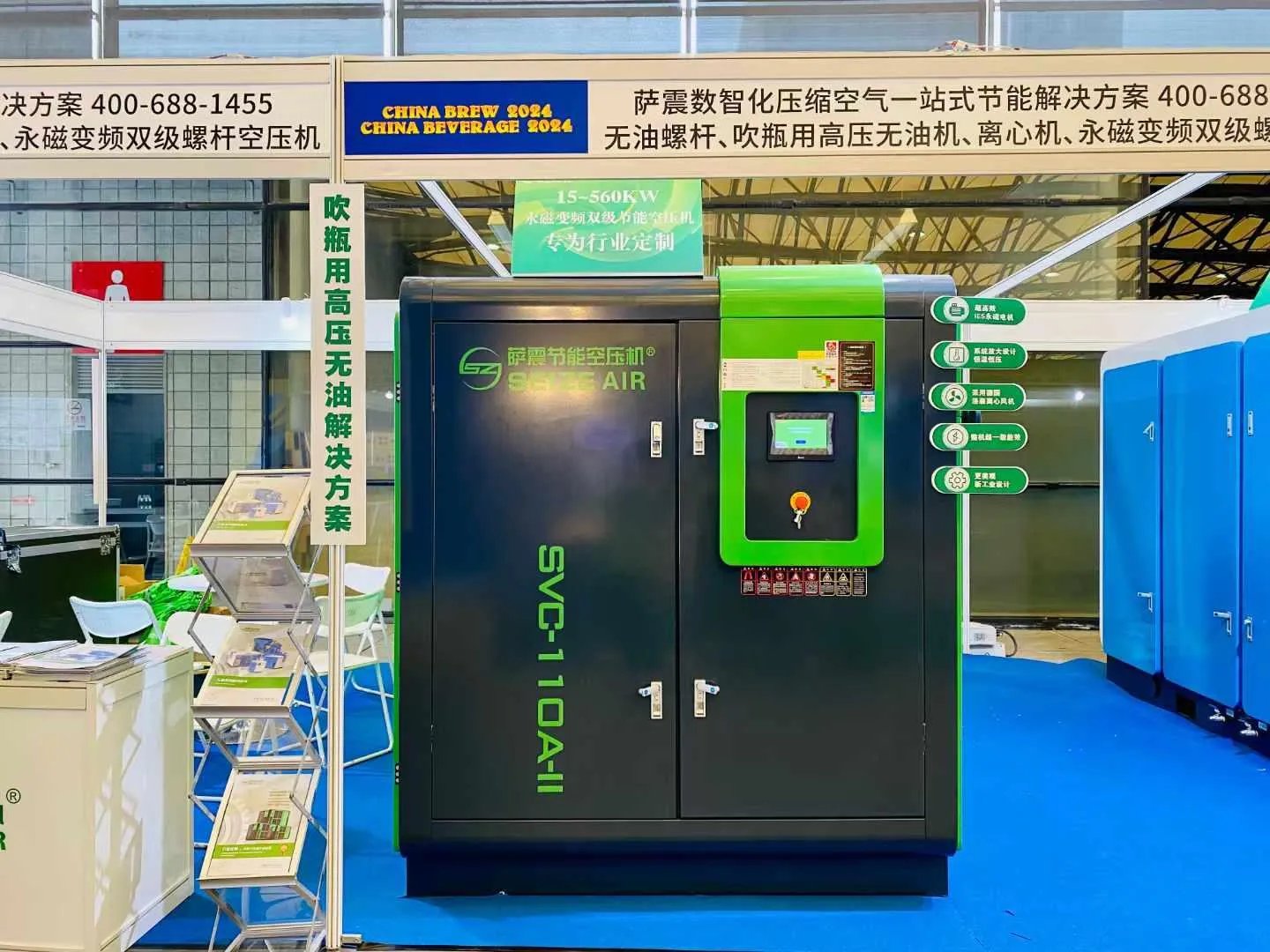 Why Oil-Free Screw Compressors Are the Future of Industrial Efficiency
 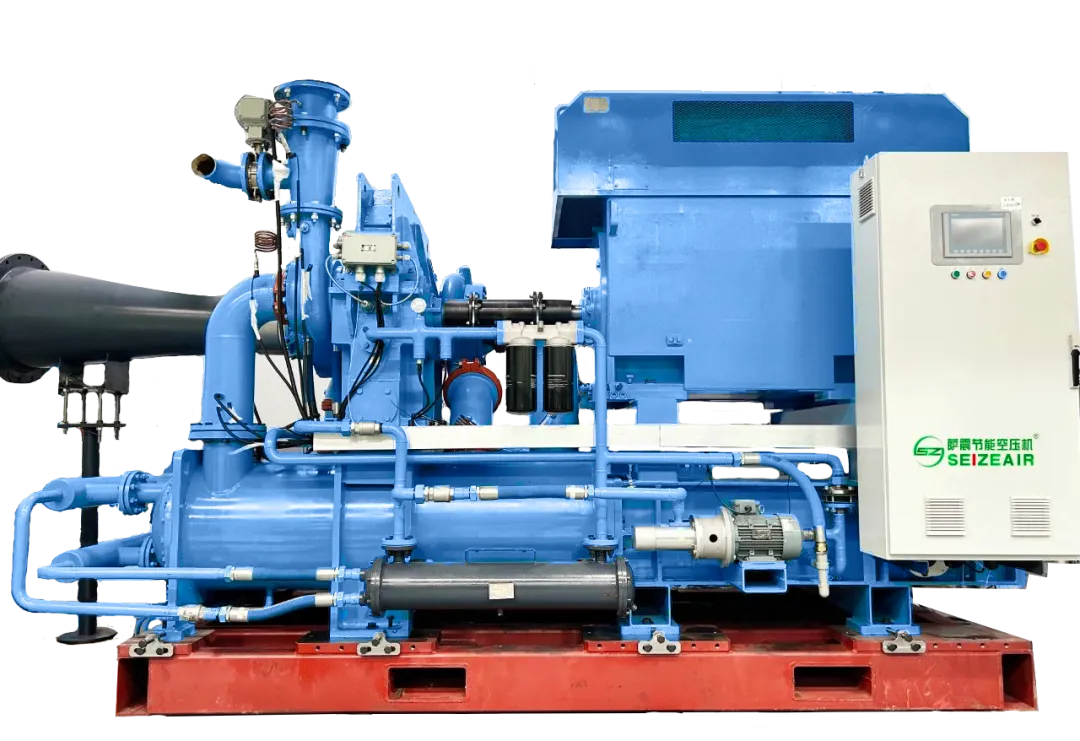 Industrial Air Compressor Solutions: Advanced Screw & Centrifugal Systems for Maximum ROI
 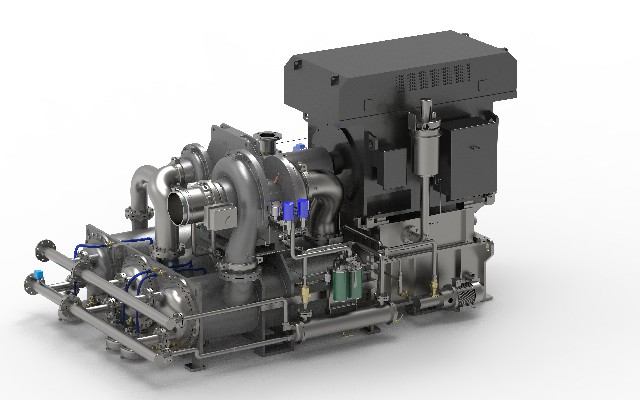 Energy-Efficient Compressors for Industrial Applications: Two-Stage Screw vs. Centrifugal Solutions
  Energy-Efficient Air Compressors Manufacturer in China | [Your Company Name] – Powering Sustainability Worldwide