
Characteristics of Lubricants for Screw Air Compressors: Ensuring Efficient and Long-lasting Performance
2024-11-18
Screw air compressors play a critical role in industrial operations, and their efficiency and reliability directly impact the overall production line. One of the key factors that determine the performance of a screw compressor is the quality of the lubricant used. The right lubricant not only improves the compressor’s operational efficiency but also extends its lifespan. In this article, we will discuss the essential characteristics of lubricants for screw air compressors and why choosing the right one is crucial for optimal compressor performance.
1. Quality of Base Oil
The quality of the base oil used in screw air compressor lubricants is vital. The base oil must possess excellent oxidation stability due to the harsh working conditions inside the compressor. In a typical screw compressor, the lubricant circulates approximately every 0.5 to 1 minute under high temperature and pressure. The presence of catalysts like steel and copper can accelerate the oxidation of the oil, leading to rapid degradation. Therefore, a high-quality base oil with superior oxidation resistance is one of the most important factors in ensuring the longevity of the lubricant and the compressor.
2. Oxidation Stability
Oxidation stability is one of the core requirements for lubricants in screw compressors. Due to the constant exposure to high temperatures and compressed gases during operation, the lubricant is prone to oxidation. Oxidized oil can lose its effectiveness, resulting in a decrease in compressor efficiency and a reduction in the oil's lifespan. A lubricant with good oxidation stability ensures it maintains its performance over time, providing continuous protection to the compressor components and reducing the need for frequent oil changes.
3. Foam Control
Foam formation is a common issue in screw air compressors due to the turbulence created by the oil circulation and the relatively low starting temperature of the compressor. Foam can cause serious problems, including increased resistance, higher energy consumption, and even compressor overload and overheating. The right lubricant must have excellent anti-foam properties, meaning it should resist foam formation and ensure that foam does not destabilize the compressor's operation. This helps in improving oil separation efficiency and enhancing the overall stability of the system.
4. Rust and Corrosion Resistance
Screw compressors are often exposed to moisture, which can lead to rust and corrosion, especially when the compressor operates intermittently. Components such as coolers and some metal parts may be made of copper or copper alloys, which are prone to corrosion. Moisture, dust, and contaminants can mix with the oil, accelerating wear and rust formation. Therefore, lubricants for screw compressors must have excellent rust and corrosion resistance to protect the internal components from degradation, ensuring the compressor’s longevity and reliable operation.

5. Carbon Buildup Resistance
Under high temperature and pressure conditions, carbon buildup can occur in screw air compressors, which not only reduces efficiency but also accelerates wear on both the lubricant and compressor parts. The right lubricant should have a low tendency to form carbon deposits. To minimize the risk of carbon accumulation, modern screw compressor oils often contain low-ash additives that help reduce the formation of harmful deposits, ensuring smooth and efficient operation over time.
6. Oil-Water Separation
Oil-water emulsification can become a significant issue for screw compressors, especially when condensation forms inside the system. This emulsification affects the efficiency of oil separation, leading to increased oil consumption and wear on compressor components. A high-quality lubricant for screw compressors should possess excellent water separation properties, ensuring that water and oil do not mix and that the oil maintains its effectiveness. Superior anti-emulsification capabilities enhance the stability of the lubricant and promote optimal compressor performance.
7. Viscosity and Flash Point
The viscosity of the lubricant is another critical factor in ensuring the proper functioning of a screw air compressor. The right viscosity ensures that the lubricant forms an effective film between moving parts, reducing friction and preventing excessive wear. A lubricant with improper viscosity—either too high or too low—can impair the compressor’s performance. Furthermore, the flash point of the oil is crucial for safety. A high flash point indicates that the lubricant can withstand higher temperatures without the risk of combustion, providing an added layer of protection to the compressor.
The lubricant you choose for your screw air compressor has a direct impact on the machine's performance and longevity. With high demands on oxidation stability, foam control, rust protection, and more, selecting the right lubricant is essential for maintaining compressor efficiency and avoiding costly downtime. By understanding the characteristics of high-quality screw air compressor lubricants, businesses can ensure smoother operations, longer equipment life, and enhanced productivity.
Contact us at://www.eescompressor.com/
WhatsApp:+86 15317057736

 Seize Oil-Free Screw Blowers: The Ultimate Energy-Efficient Air Compressor Solution for Industry 4.0
  Maximize Energy Efficiency with Heat Recovery Systems for Energy-Saving Air Compressors
  Top 7 Advantages of Centrifugal Blowers for Industrial Applications
  The Revolutionary Benefits of Permanent Magnet Variable Frequency Air Compressors: A Game-Changer for Modern Industries
  Variable Speed vs. Fixed Speed Air Compressors: Key Differences, Pros & Cons
 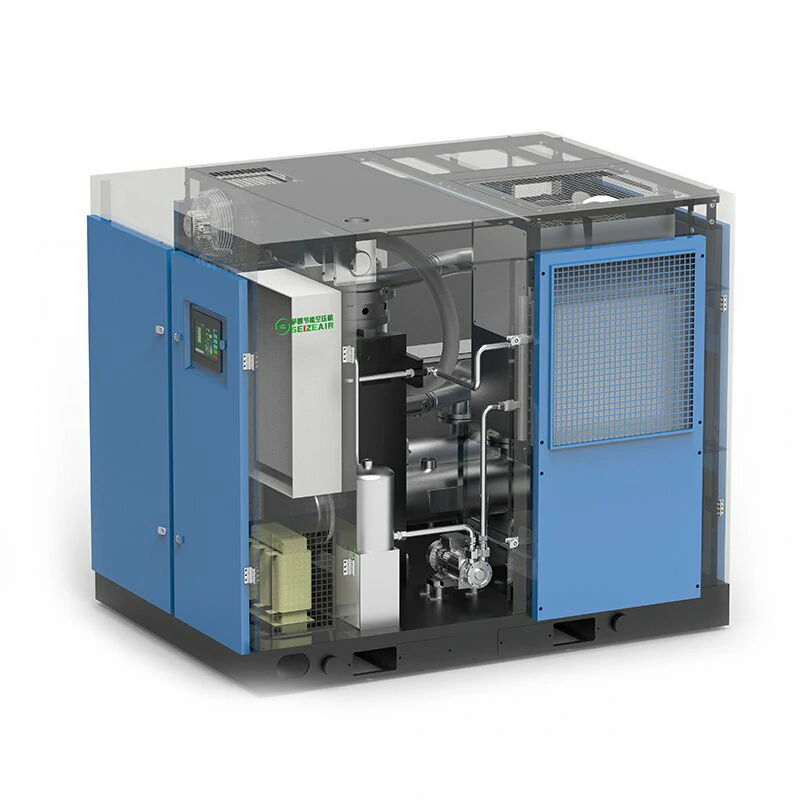 How to Choose Between Dry and Water-Lubricated Oil-Free Screw Compressors: A Comprehensive Comparison
 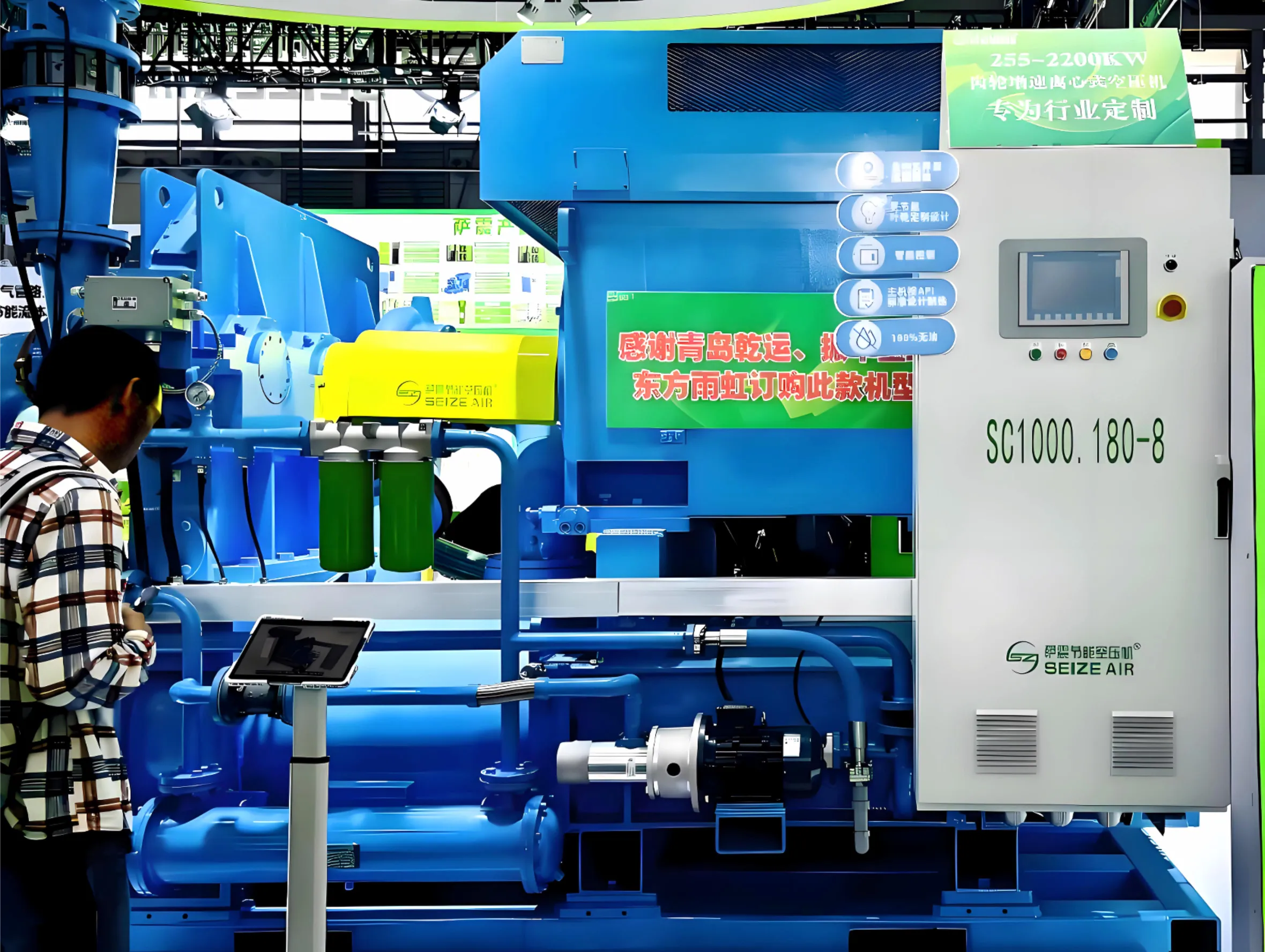 Centrifugal vs. Reciprocating Air Compressors: Why Centrifugal Wins for Industrial Applications
  How to Calculate Air Compressor Specific Energy Consumption (SEC) for Energy Savings: A Guide for Southeast Asia, Middle East, and Europe
  Single-Stage vs. Two-Stage Compression: Which Is Right for Your Needs?
  Maximize Your Savings: The Long-Term Cost Advantages of SEIZEAIR's Energy-Efficient Air Compressors
  Energy Efficiency of Screw Compressors in Industrial Applications: Maximizing Savings and Sustainability
  Piston vs. Screw Air Compressors: 5 Key Reasons to Choose Rotary Screw Technology
 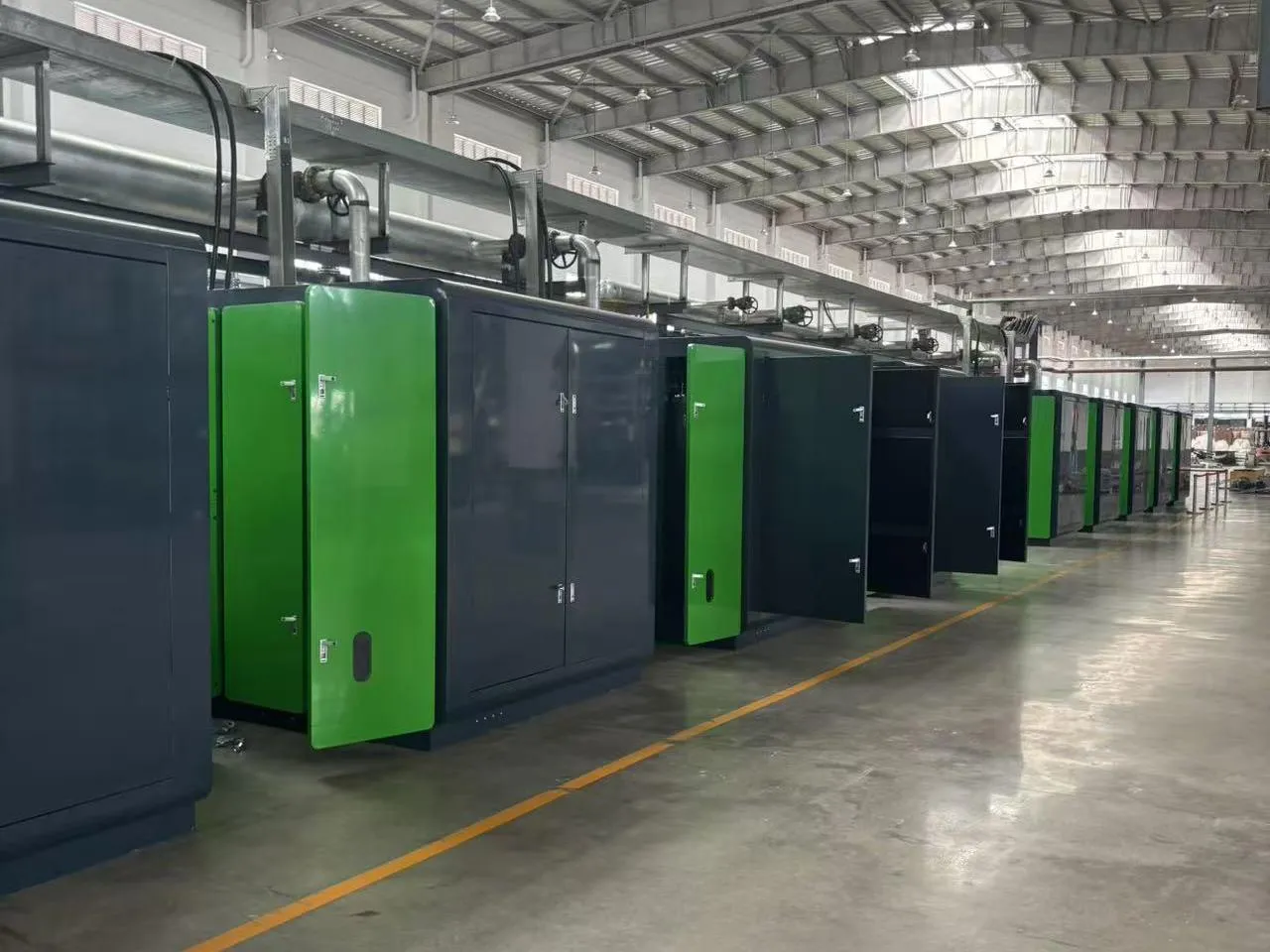 How Factories Slash Energy Costs with Energy-Efficient Air Compressors
 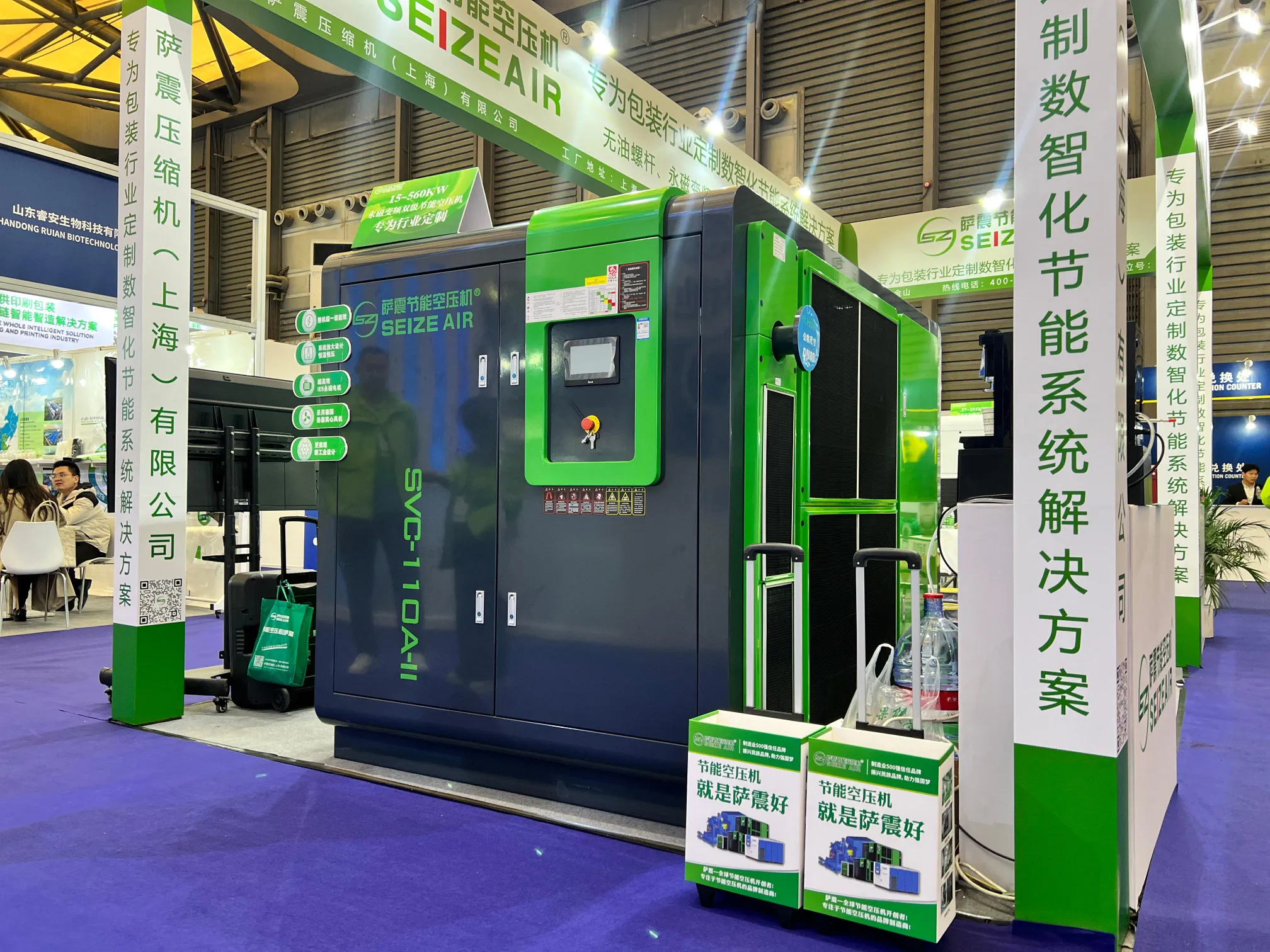 Why Piston Air Compressors Are Being Phased Out: A Consumer Perspective
 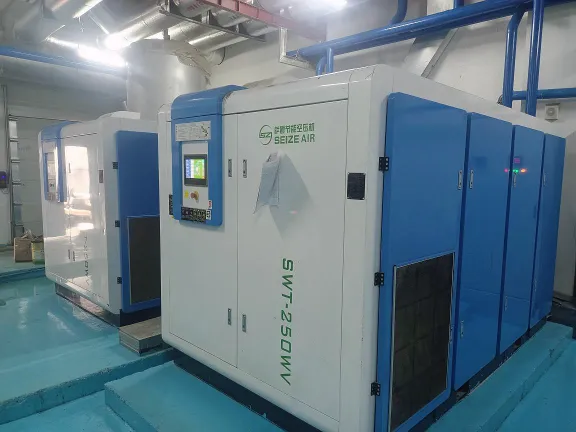 Permanent Magnet vs. Traditional Compressors: Which Saves More Money Long-Term?
  Technical Insights and Maintenance Tips for Water-Lubricated Compressors
  Why Oil-Free Screw Compressors Are the Future of Industrial Efficiency
 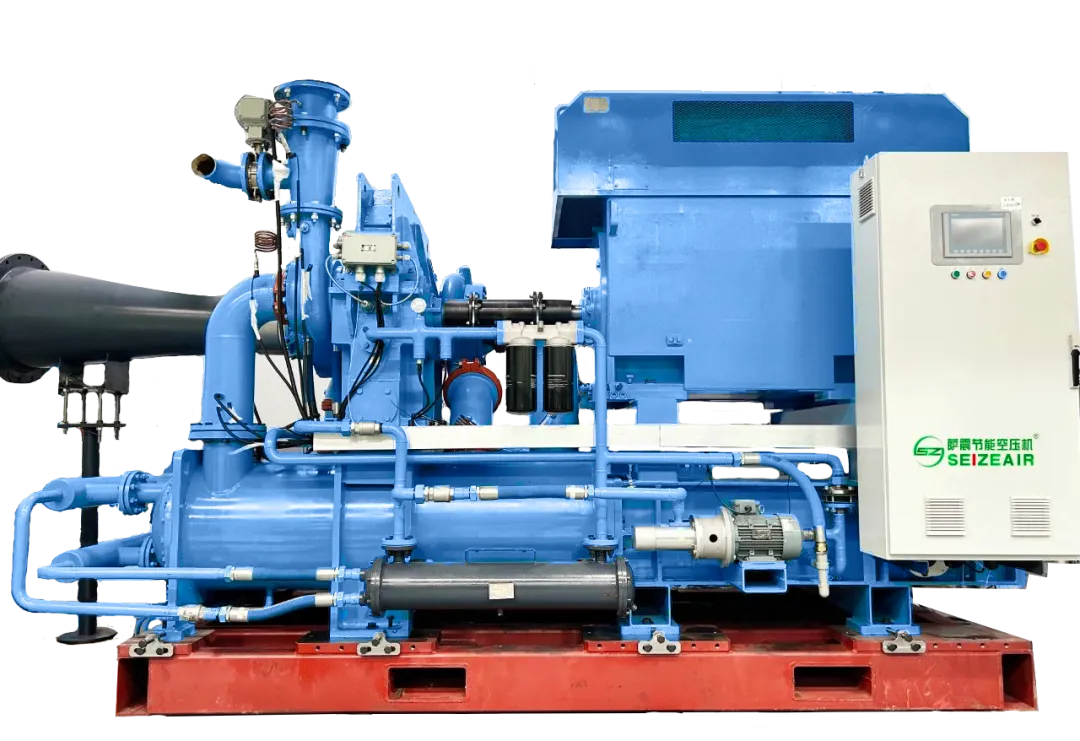 Industrial Air Compressor Solutions: Advanced Screw & Centrifugal Systems for Maximum ROI
  Energy-Efficient Compressors for Industrial Applications: Two-Stage Screw vs. Centrifugal Solutions
  Energy-Efficient Air Compressors Manufacturer in China | [Your Company Name] – Powering Sustainability Worldwide