
Compressed air quality standards: ensuring industry safety and efficiency
2024-12-13
Compressed air quality standards are critical in modern industrial and commercial applications, ensuring that compressed air can meet the requirements of safety, reliability and efficiency in various applications. Whether it is manufacturing, pharmaceuticals, food processing or electronics, proper compressed air quality directly affects the smooth progress of the production process.
Compressed air quality standards vary depending on the application field, but generally involve the following aspects:
Cleanliness requirements: Compressed air must be free of contaminants such as impurities, moisture, and oil. Contaminants can cause equipment damage, affect product quality, and may cause production interruptions. In many industries, cleanliness is the basic standard for ensuring compressed air quality.
Dryness control: The moisture content in compressed air directly affects the operation of equipment and the quality of products. Excessive moisture may cause equipment corrosion or affect the stability of the production process. According to different industry requirements, dryness standards usually require that the dew point temperature of compressed air must be kept within a certain range to prevent moisture condensation.
Oil content requirements: Oil control in compressed air is particularly important, especially in industries such as pharmaceuticals and food processing that have extremely high requirements for air quality. For example, according to the Chinese Pharmacopoeia and GMP (Good Manufacturing Practice), the oil content in compressed air must be strictly controlled, usually not exceeding 0.1mg/m³.

Microbial and particle control: In the pharmaceutical, medical and food processing fields, pollutants such as microorganisms, particles, grease, etc. in compressed air must be strictly controlled. These pollutants may have adverse effects on product safety and quality, so the compressed air used in these fields needs to meet the sterility requirements, and the particle size should be less than or equal to 0.1μm.
Pressure dew point requirements: The pressure dew point of compressed air (i.e. the condensation temperature of water vapor) must be lower than the specified temperature to prevent moisture from condensing into liquid inside the equipment, thereby preventing equipment corrosion and product moisture. Dew point control is an important parameter to ensure the quality of compressed air.
Dust particle size standard: Different industries have different requirements for dust particle size in compressed air. Generally speaking, solid particles in compressed air must meet specific particle size requirements, such as less than 0.1μm, to ensure that they meet cleanliness standards.
Sterility requirements: Especially in drug packaging and direct drug contact applications, compressed air must be sterilized to ensure that it meets sterility standards. This is an important guarantee to ensure product quality and consumer safety.
Odor control: The smell of compressed air should be neutral and free of odor. The presence of odor may have an adverse effect on the production environment and product quality, especially in industries with extremely high requirements for air purity.
Compressed air quality standards are an indispensable part of modern industrial production. It not only ensures the normal operation of equipment, but also plays a vital role in production efficiency and product quality. By optimizing compressed air quality management, enterprises can achieve efficient, safe and pollution-free production processes and promote the healthy development of various industries.
Contact us at://www.eescompressor.com/
WhatsApp:+86 15317057736

 Seize Oil-Free Screw Blowers: The Ultimate Energy-Efficient Air Compressor Solution for Industry 4.0
  Maximize Energy Efficiency with Heat Recovery Systems for Energy-Saving Air Compressors
  Top 7 Advantages of Centrifugal Blowers for Industrial Applications
  The Revolutionary Benefits of Permanent Magnet Variable Frequency Air Compressors: A Game-Changer for Modern Industries
  Variable Speed vs. Fixed Speed Air Compressors: Key Differences, Pros & Cons
  How to Choose Between Dry and Water-Lubricated Oil-Free Screw Compressors: A Comprehensive Comparison
  Centrifugal vs. Reciprocating Air Compressors: Why Centrifugal Wins for Industrial Applications
  How to Calculate Air Compressor Specific Energy Consumption (SEC) for Energy Savings: A Guide for Southeast Asia, Middle East, and Europe
  Single-Stage vs. Two-Stage Compression: Which Is Right for Your Needs?
  Maximize Your Savings: The Long-Term Cost Advantages of SEIZEAIR's Energy-Efficient Air Compressors
 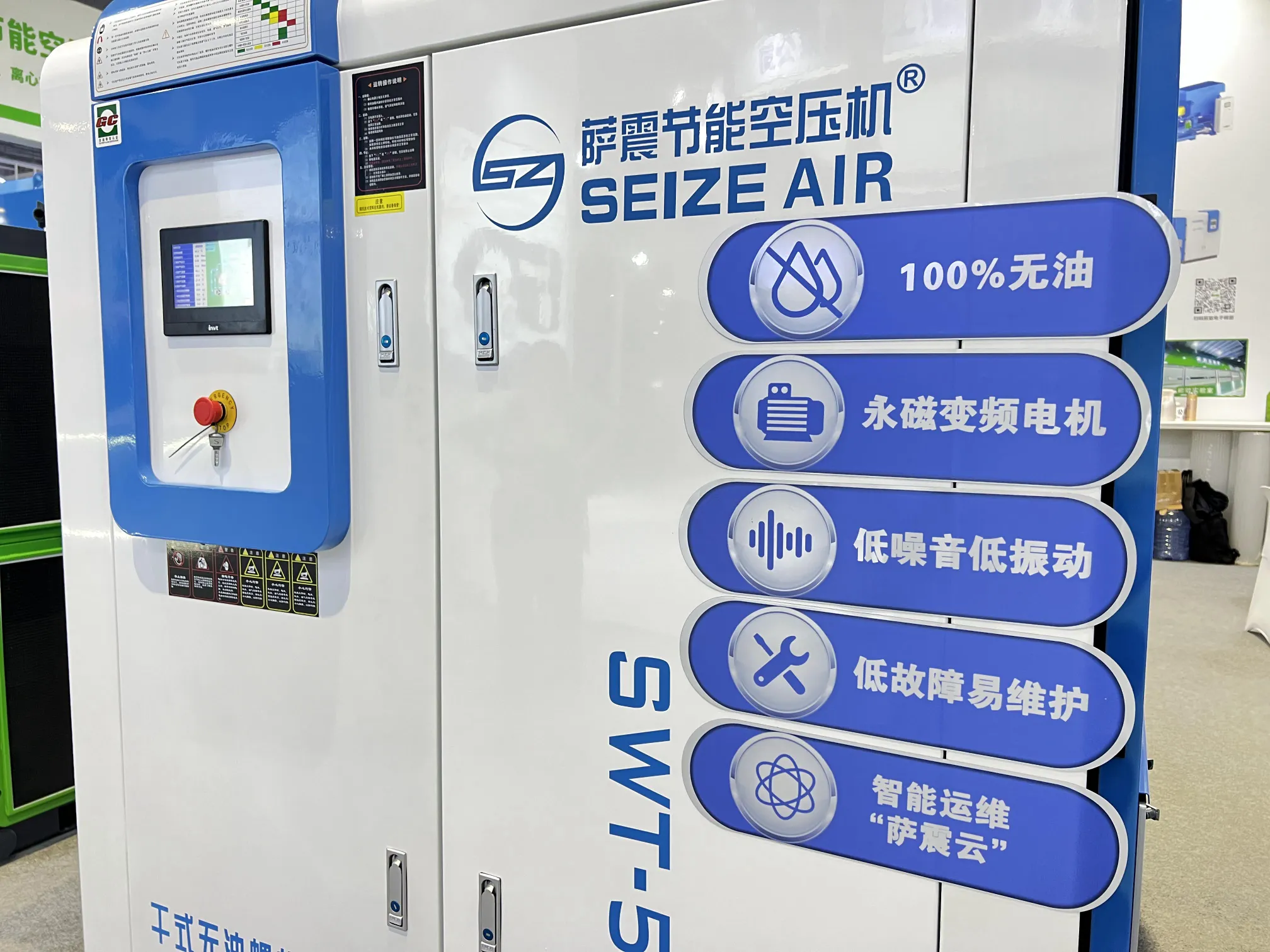 Energy Efficiency of Screw Compressors in Industrial Applications: Maximizing Savings and Sustainability
 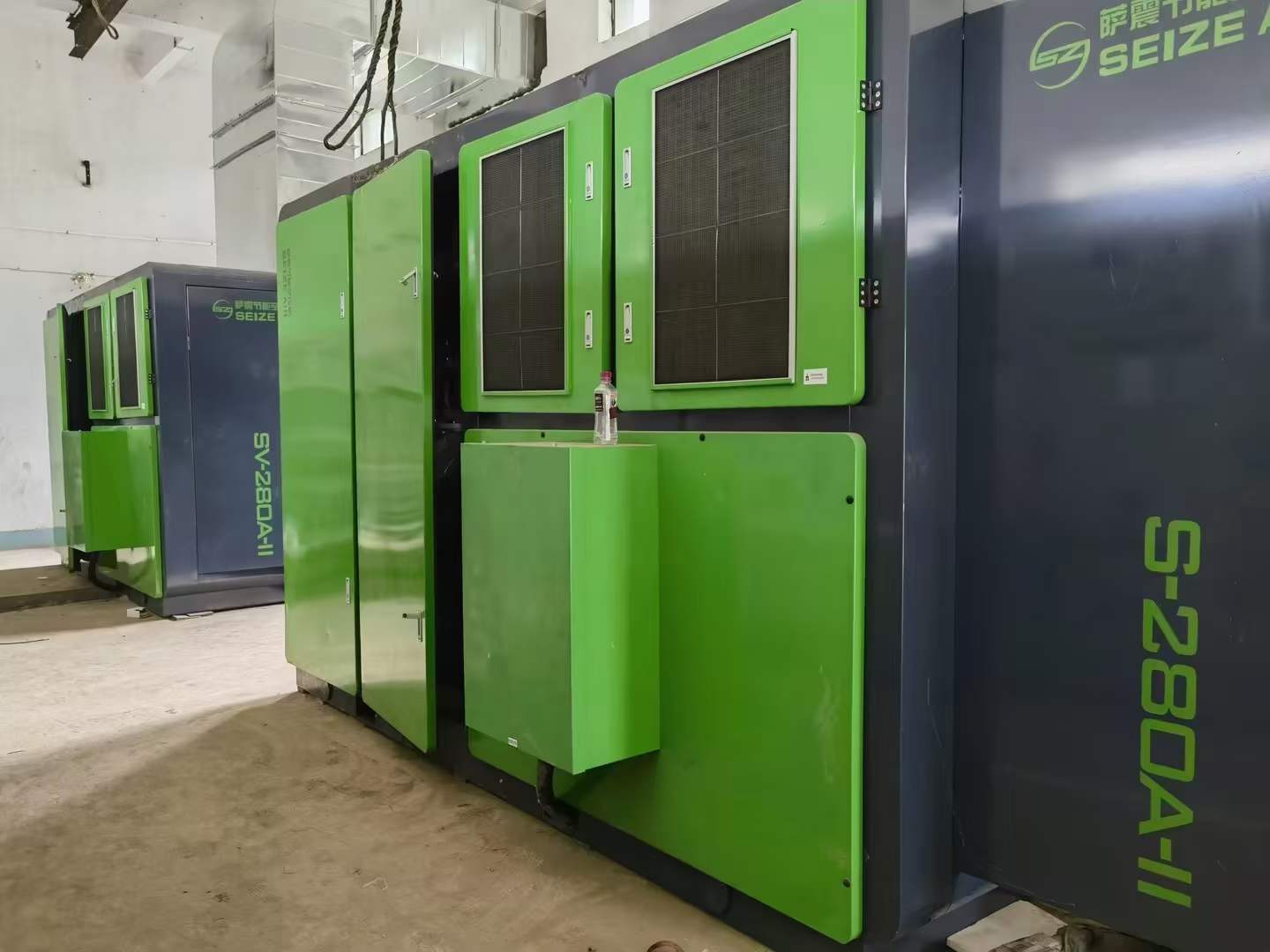 Piston vs. Screw Air Compressors: 5 Key Reasons to Choose Rotary Screw Technology
 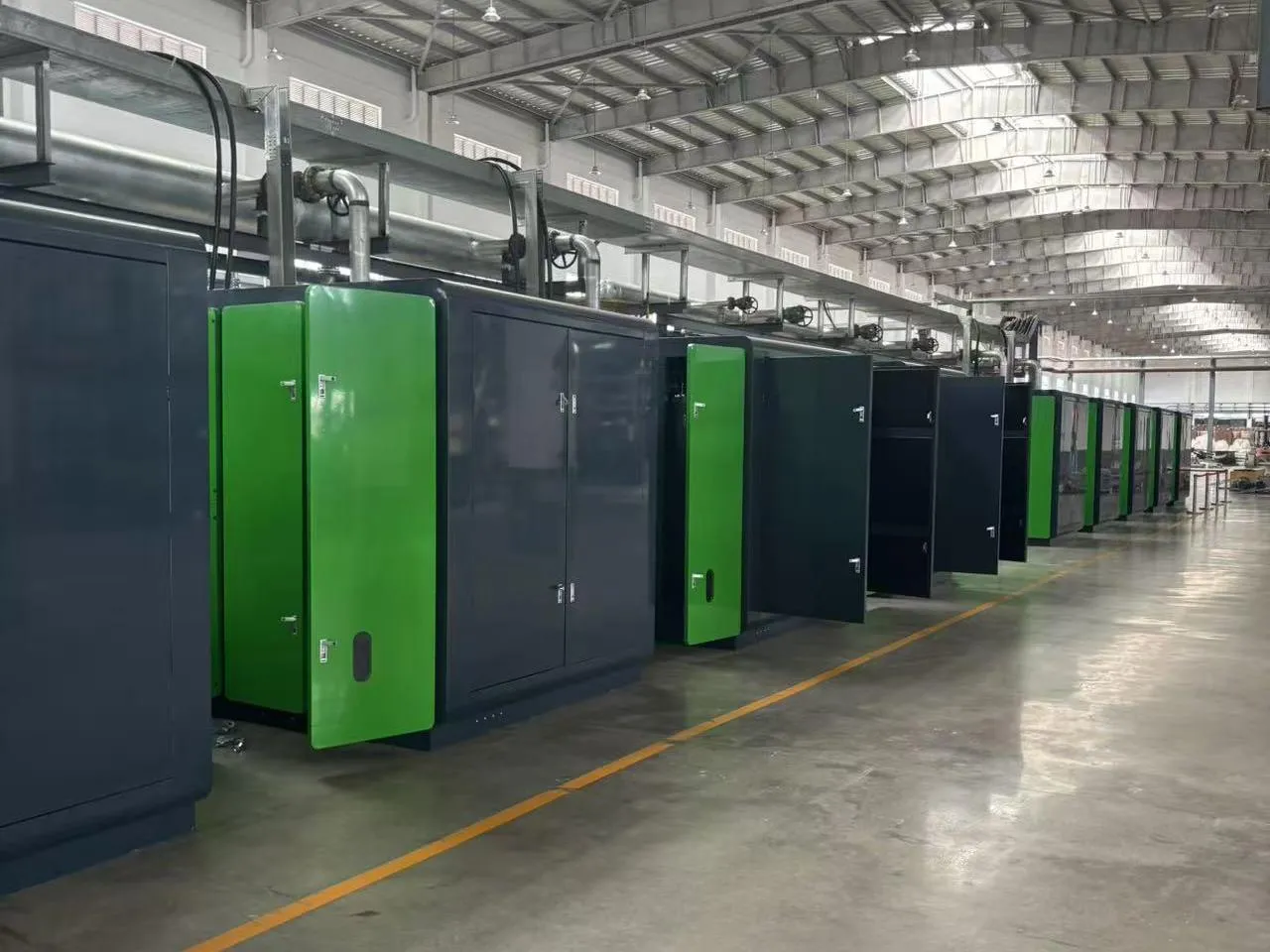 How Factories Slash Energy Costs with Energy-Efficient Air Compressors
 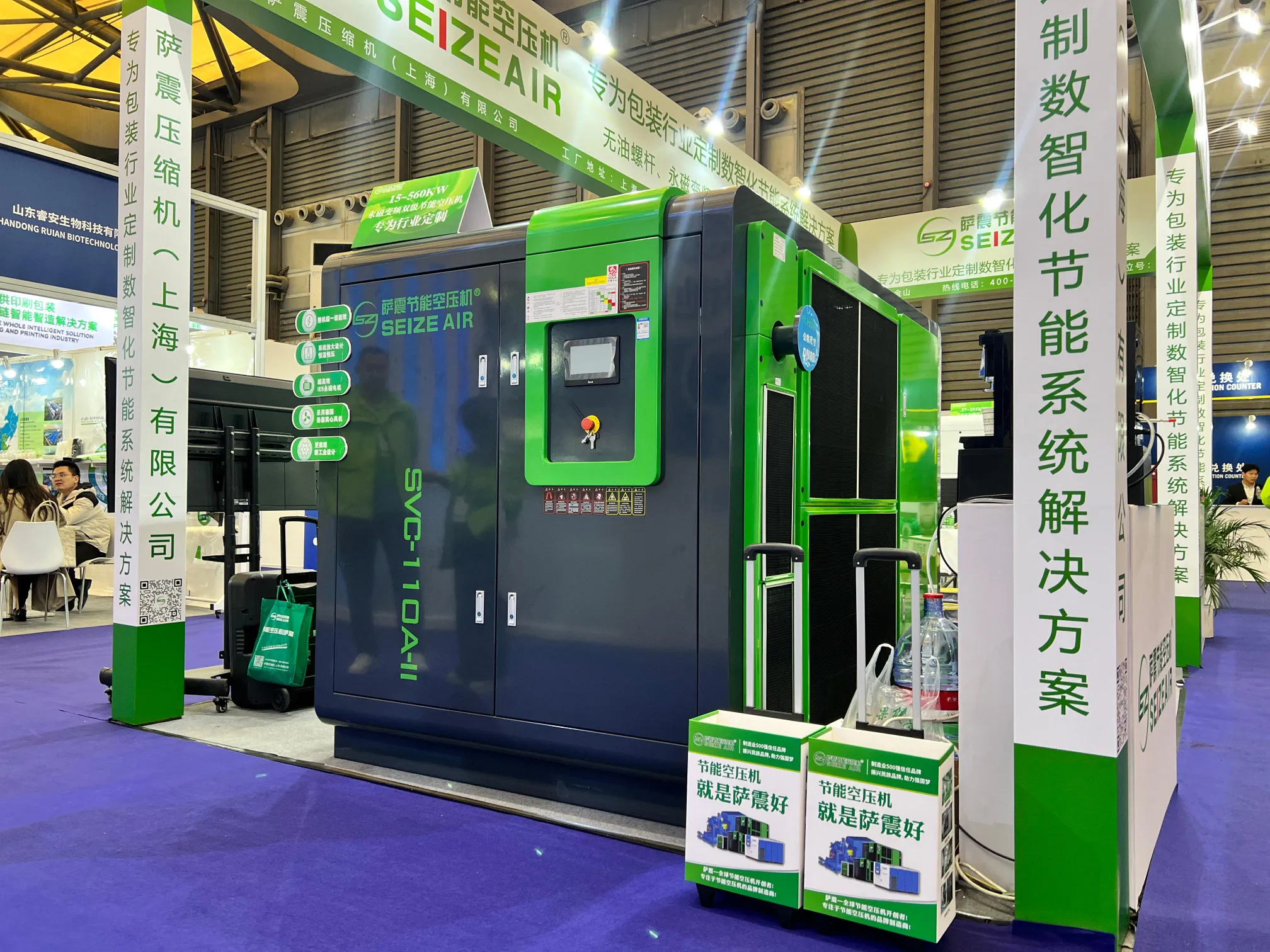 Why Piston Air Compressors Are Being Phased Out: A Consumer Perspective
 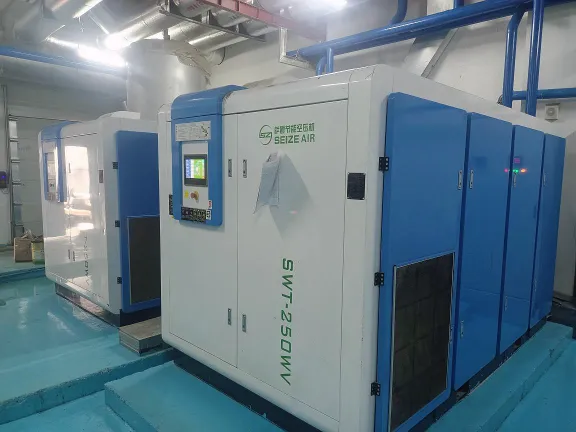 Permanent Magnet vs. Traditional Compressors: Which Saves More Money Long-Term?
  Technical Insights and Maintenance Tips for Water-Lubricated Compressors
 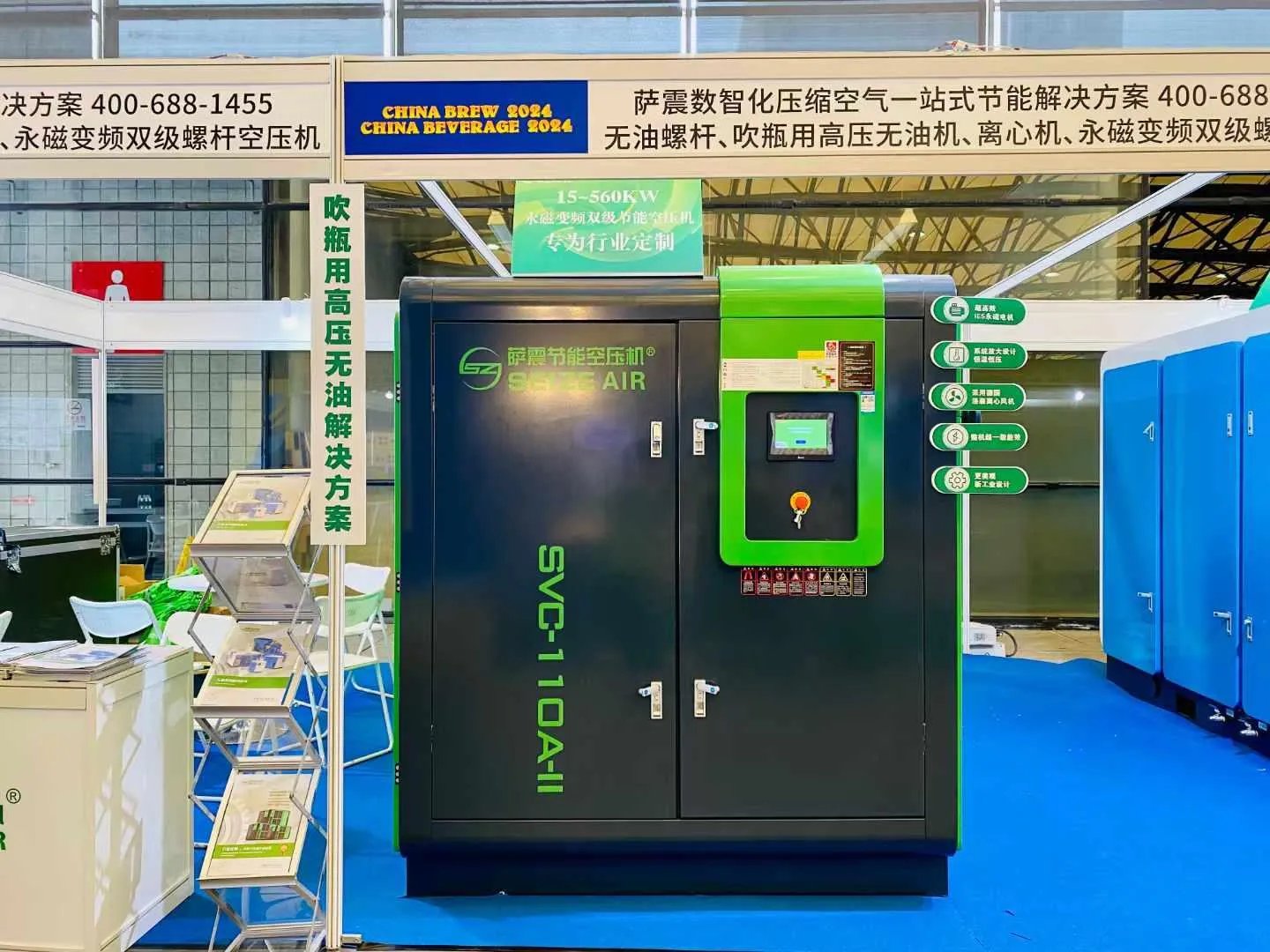 Why Oil-Free Screw Compressors Are the Future of Industrial Efficiency
 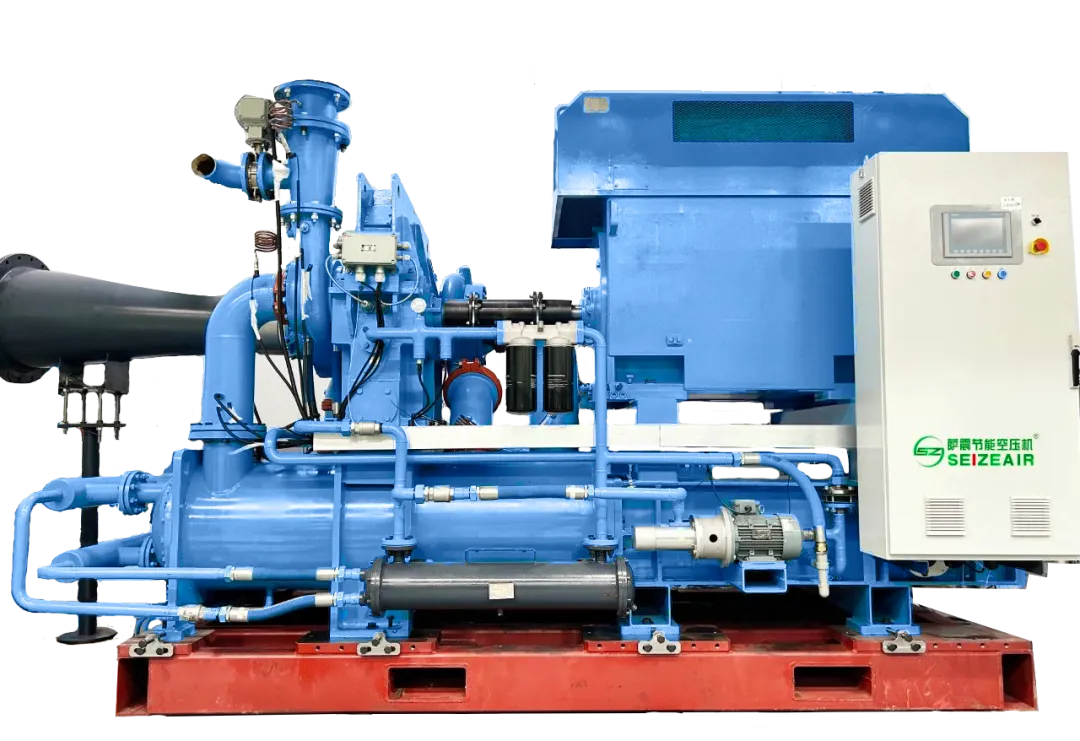 Industrial Air Compressor Solutions: Advanced Screw & Centrifugal Systems for Maximum ROI
 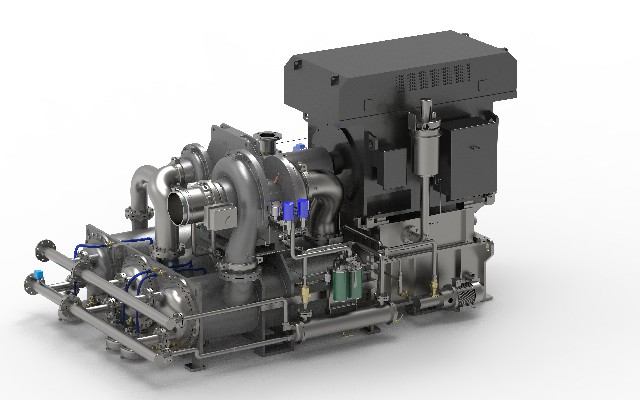 Energy-Efficient Compressors for Industrial Applications: Two-Stage Screw vs. Centrifugal Solutions
  Energy-Efficient Air Compressors Manufacturer in China | [Your Company Name] – Powering Sustainability Worldwide