
Compressor's Compression Ratio and Performance
The compression ratio of an air compressor is a key parameter that measures its compression performance and directly affects the compressor’s efficiency, energy consumption, and system reliability. Understanding the concept of the compression ratio and its impact on compressor performance helps optimize system design during selection and operation.
Definition of Compression Ratio
The compression ratio refers to the ratio of the intake pressure to the discharge pressure of the air compressor. The higher the compression ratio, the more the compressor is able to compress the air to a higher pressure. For example, the compression ratio of a piston-type compressor can reach above 10, while a screw compressor typically has a compression ratio of 5-8.
Impact of Compression Ratio on Compressor Performance
Power Consumption: As the compression ratio increases, the compressor has to perform more work to compress the air, resulting in higher power consumption. A high compression ratio may lead to increased electricity costs and can even affect operational stability.
Discharge Temperature: The compression process is adiabatic, meaning the higher the compression ratio, the greater the temperature increase of the air. This not only increases the cooling load but also potentially affects the service life of the equipment, especially the lubrication system.
Volumetric Efficiency: A higher compression ratio can cause a decrease in the compressor’s volumetric efficiency, as gas tends to leak and expand during the compression process. This reduces the effective working volume and thus impacts the overall air delivery.

Impact of Compression Ratio on Reliability
Excessive compression ratios can increase the mechanical stress inside the compressor, leading to accelerated component wear. Specific issues include:
Mechanical Wear: The high temperatures and pressures resulting from a higher compression ratio increase internal friction, potentially causing damage to components and shortening the lifespan of the equipment.
Reduced Lubrication Effectiveness: High temperatures can affect the viscosity of the lubricant, reducing its lubrication efficiency, which increases friction and wear.
Sealing Issues: Higher discharge temperatures and pressures may cause seal materials to age, impacting sealing performance and increasing air leakage.
Choosing the Appropriate Compression Ratio
Selecting the right compression ratio is key to ensuring efficient compressor operation. Several factors should be considered:
Application Requirements: Choose the compression ratio based on actual needs. For example, pneumatic tools typically require a lower compression ratio (e.g., 6-8), while industrial processes may require a higher compression ratio.
Energy Efficiency and Cost: The higher the compression ratio, the greater the compressor’s energy consumption and operating costs. Therefore, selecting the appropriate compression ratio can effectively reduce energy consumption and improve system economics.
System Reliability: Opting for a lower compression ratio can reduce mechanical wear and extend the life of the equipment.
The compression ratio is an important performance indicator for air compressors. Proper selection and optimization of the compression ratio can improve compressor operating efficiency, reduce energy consumption, and extend the service life of the equipment. In practical applications, it is essential to consider application requirements, energy efficiency, and system reliability when selecting the appropriate compression ratio and to implement measures to optimize system design, ensuring the efficient and stable operation of the compressor.

 Seize Oil-Free Screw Blowers: The Ultimate Energy-Efficient Air Compressor Solution for Industry 4.0
 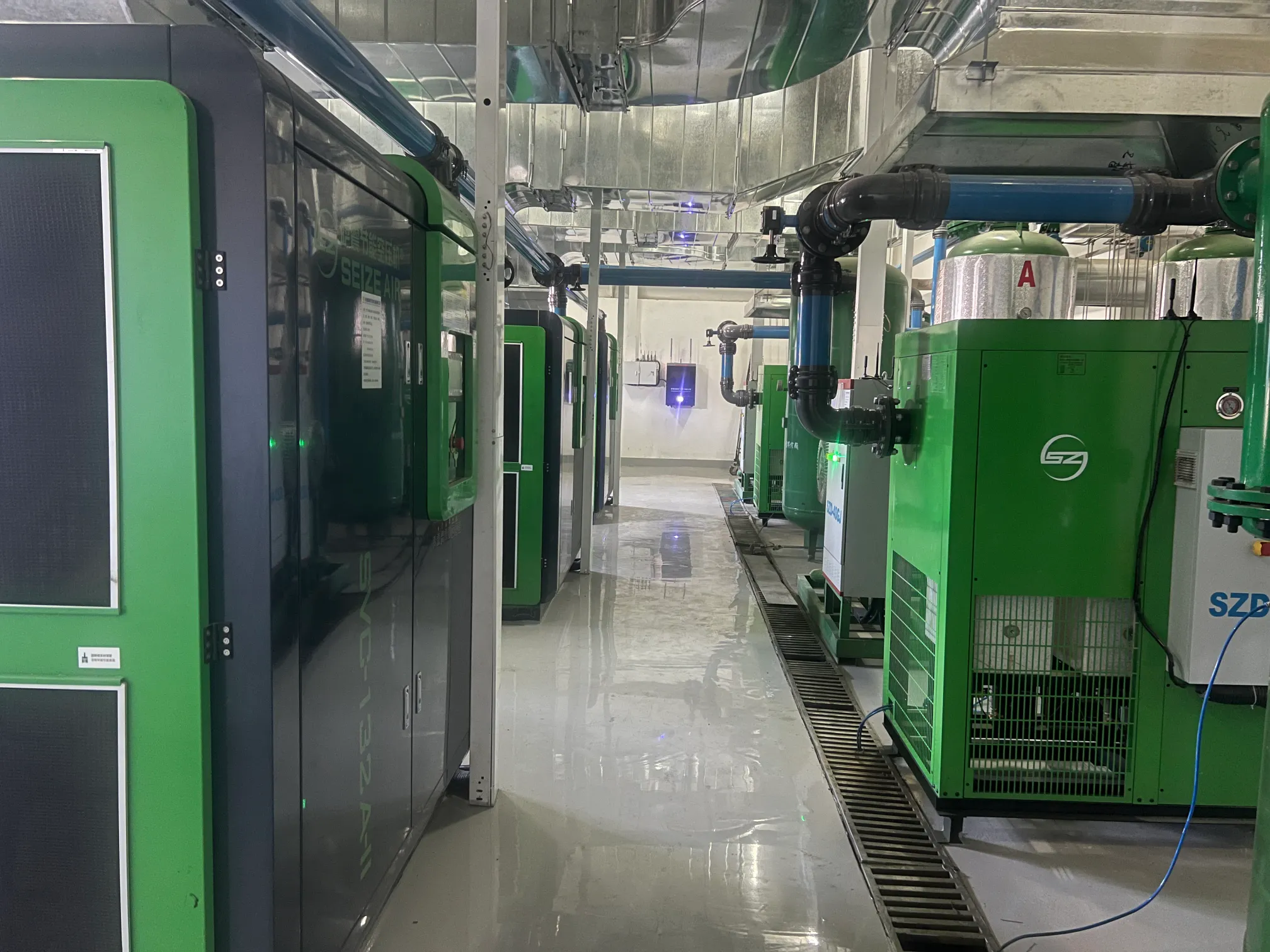 Maximize Energy Efficiency with Heat Recovery Systems for Energy-Saving Air Compressors
 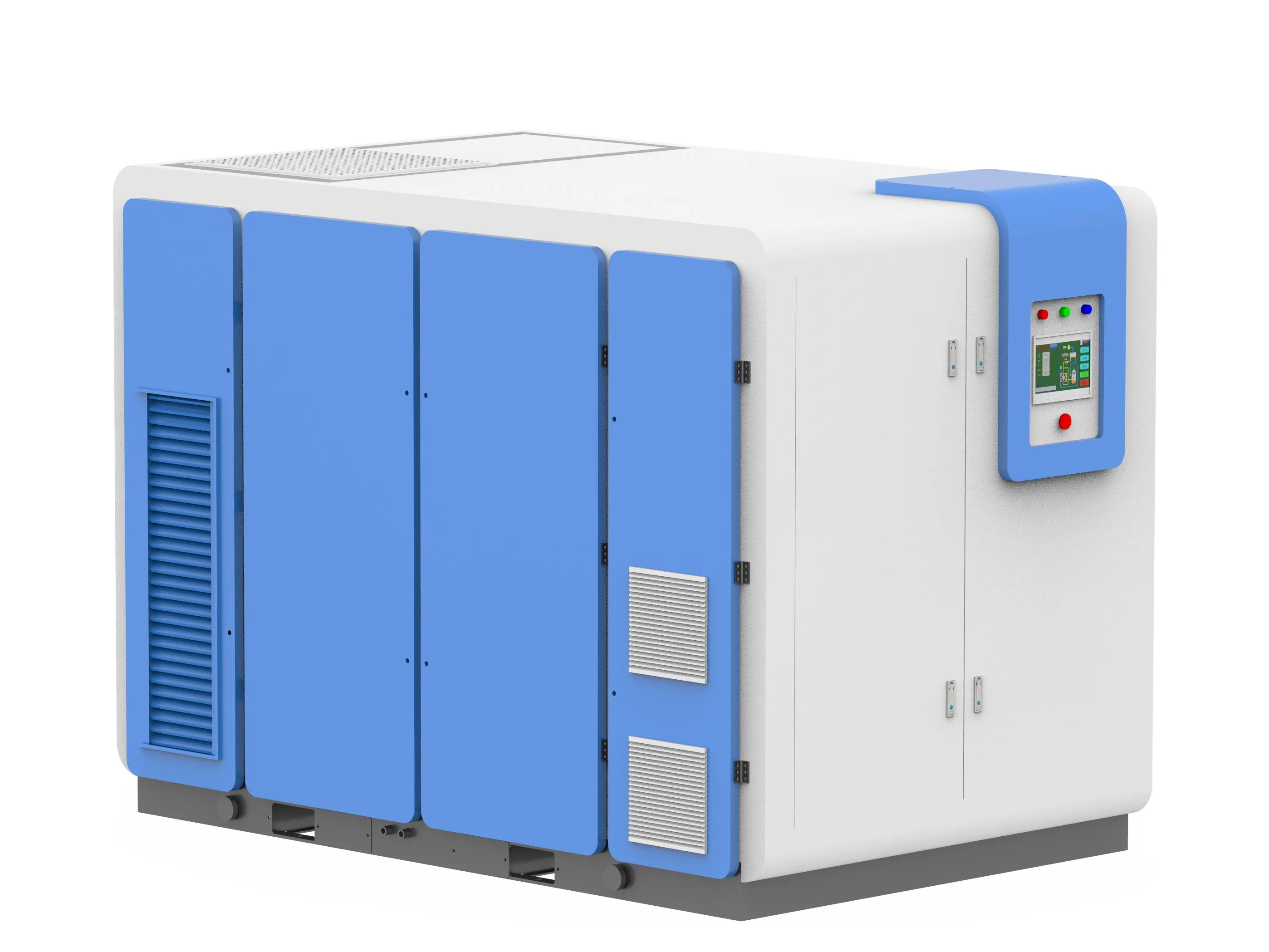 Top 7 Advantages of Centrifugal Blowers for Industrial Applications
 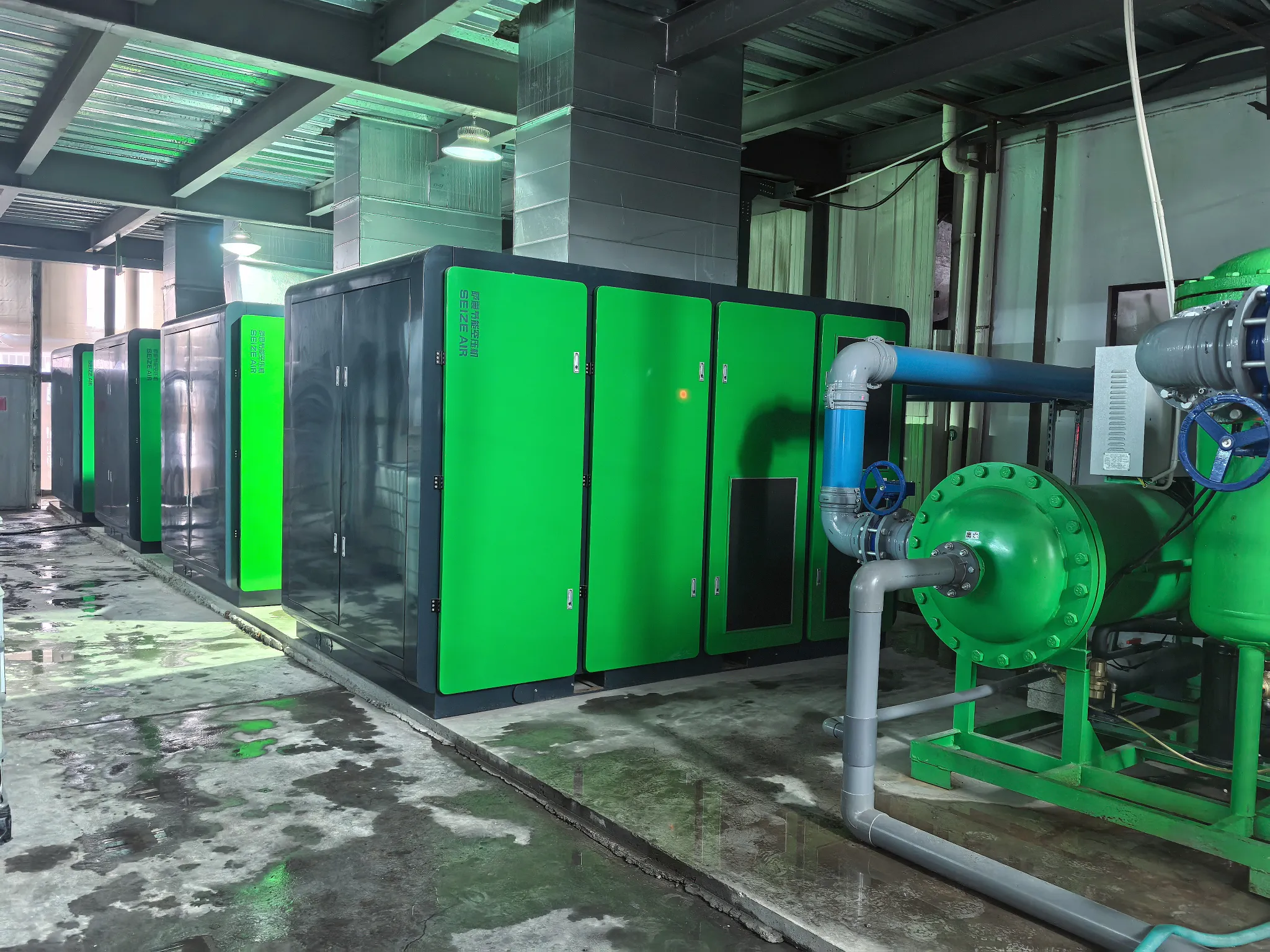 The Revolutionary Benefits of Permanent Magnet Variable Frequency Air Compressors: A Game-Changer for Modern Industries
 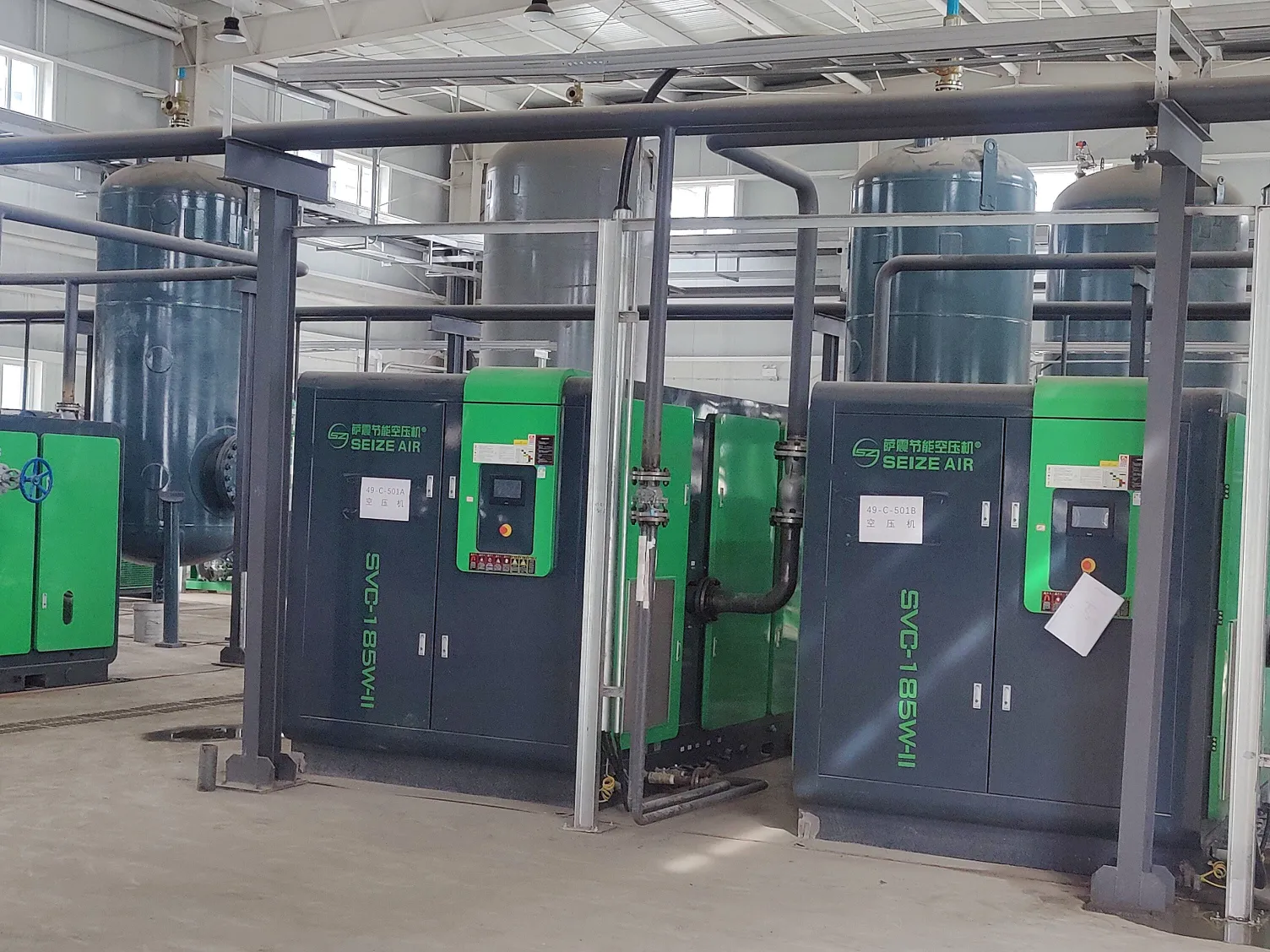 Variable Speed vs. Fixed Speed Air Compressors: Key Differences, Pros & Cons
  How to Choose Between Dry and Water-Lubricated Oil-Free Screw Compressors: A Comprehensive Comparison
  Centrifugal vs. Reciprocating Air Compressors: Why Centrifugal Wins for Industrial Applications
  How to Calculate Air Compressor Specific Energy Consumption (SEC) for Energy Savings: A Guide for Southeast Asia, Middle East, and Europe
  Single-Stage vs. Two-Stage Compression: Which Is Right for Your Needs?
  Maximize Your Savings: The Long-Term Cost Advantages of SEIZEAIR's Energy-Efficient Air Compressors
  Energy Efficiency of Screw Compressors in Industrial Applications: Maximizing Savings and Sustainability
 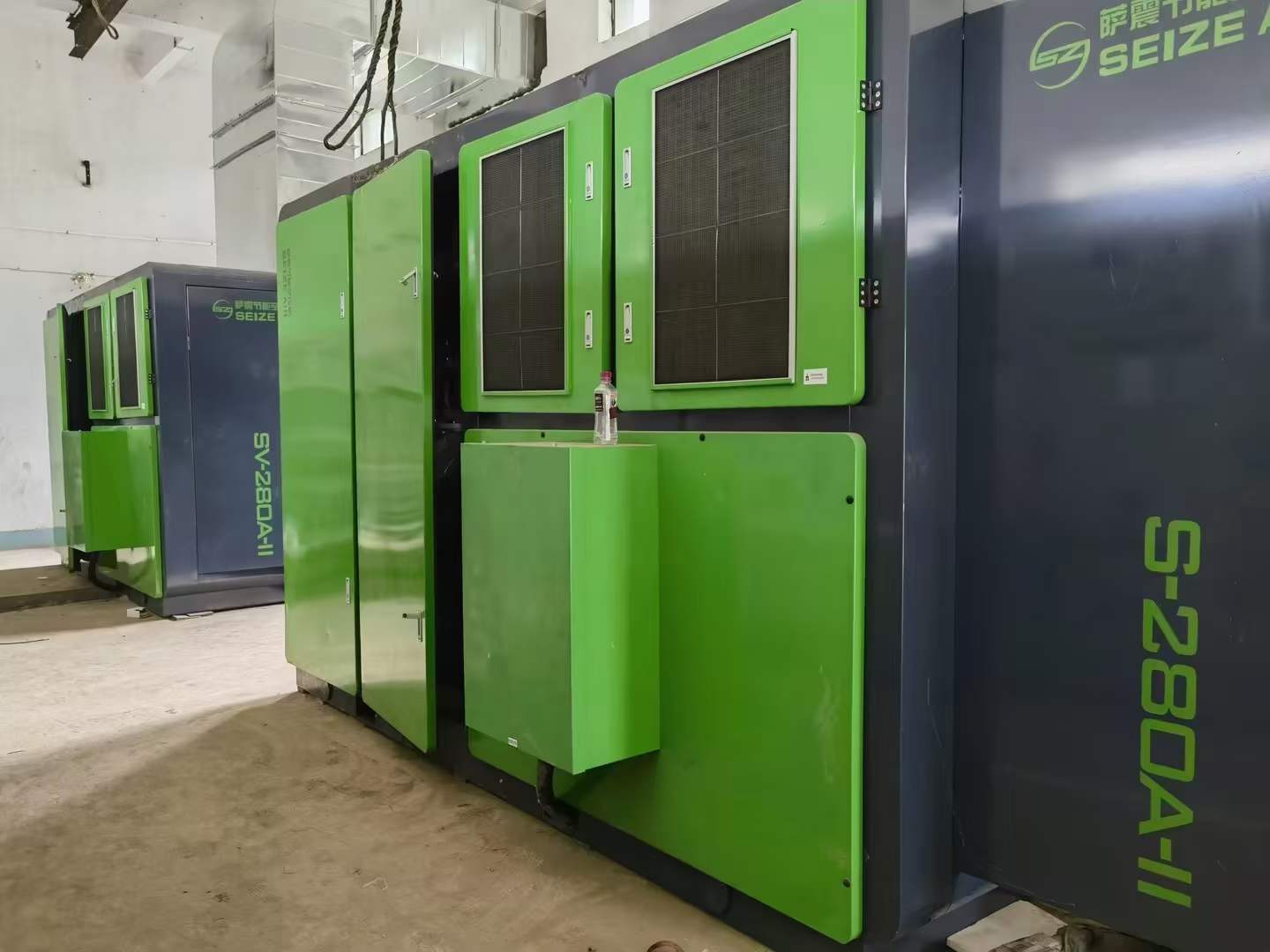 Piston vs. Screw Air Compressors: 5 Key Reasons to Choose Rotary Screw Technology
 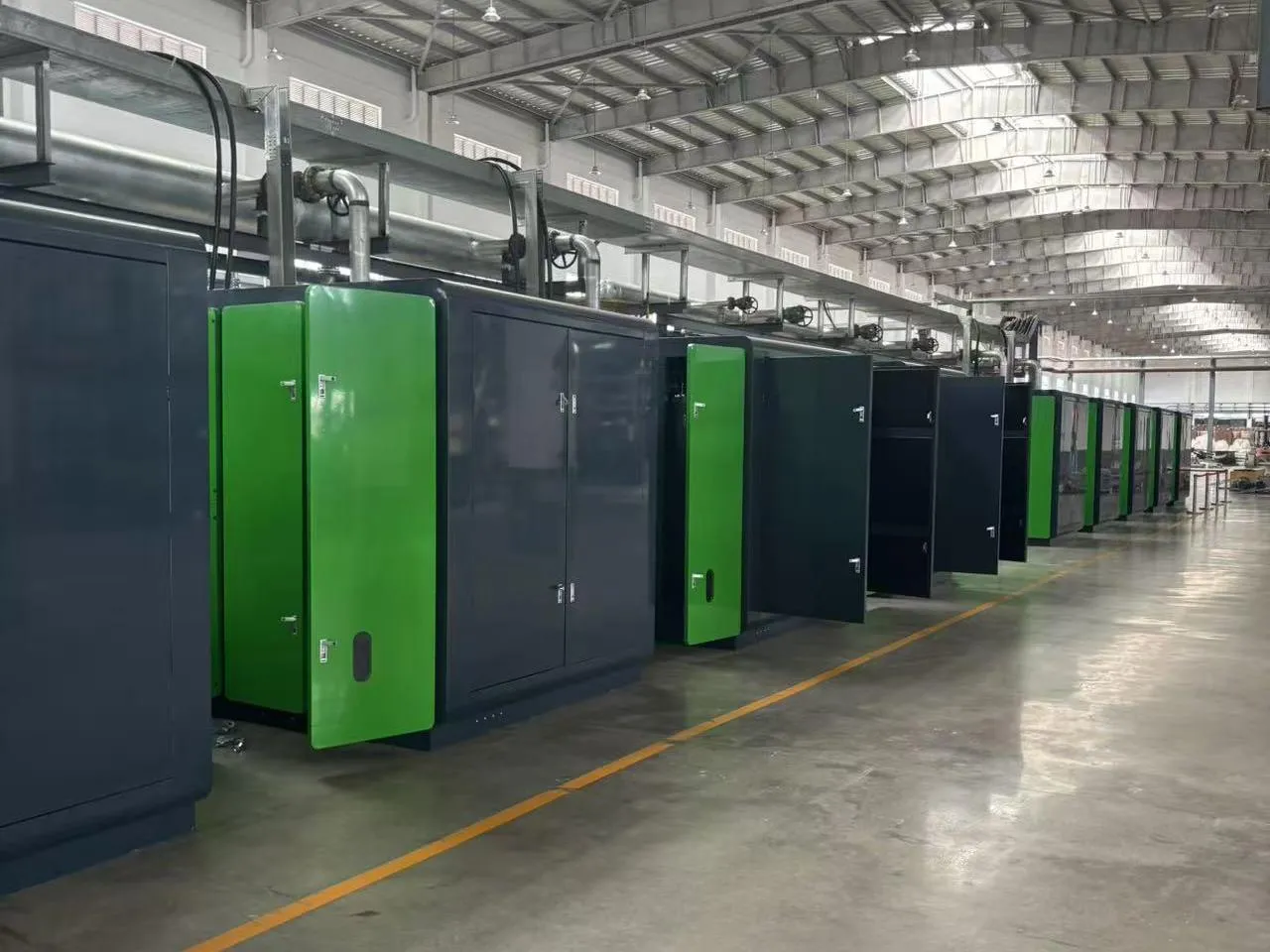 How Factories Slash Energy Costs with Energy-Efficient Air Compressors
 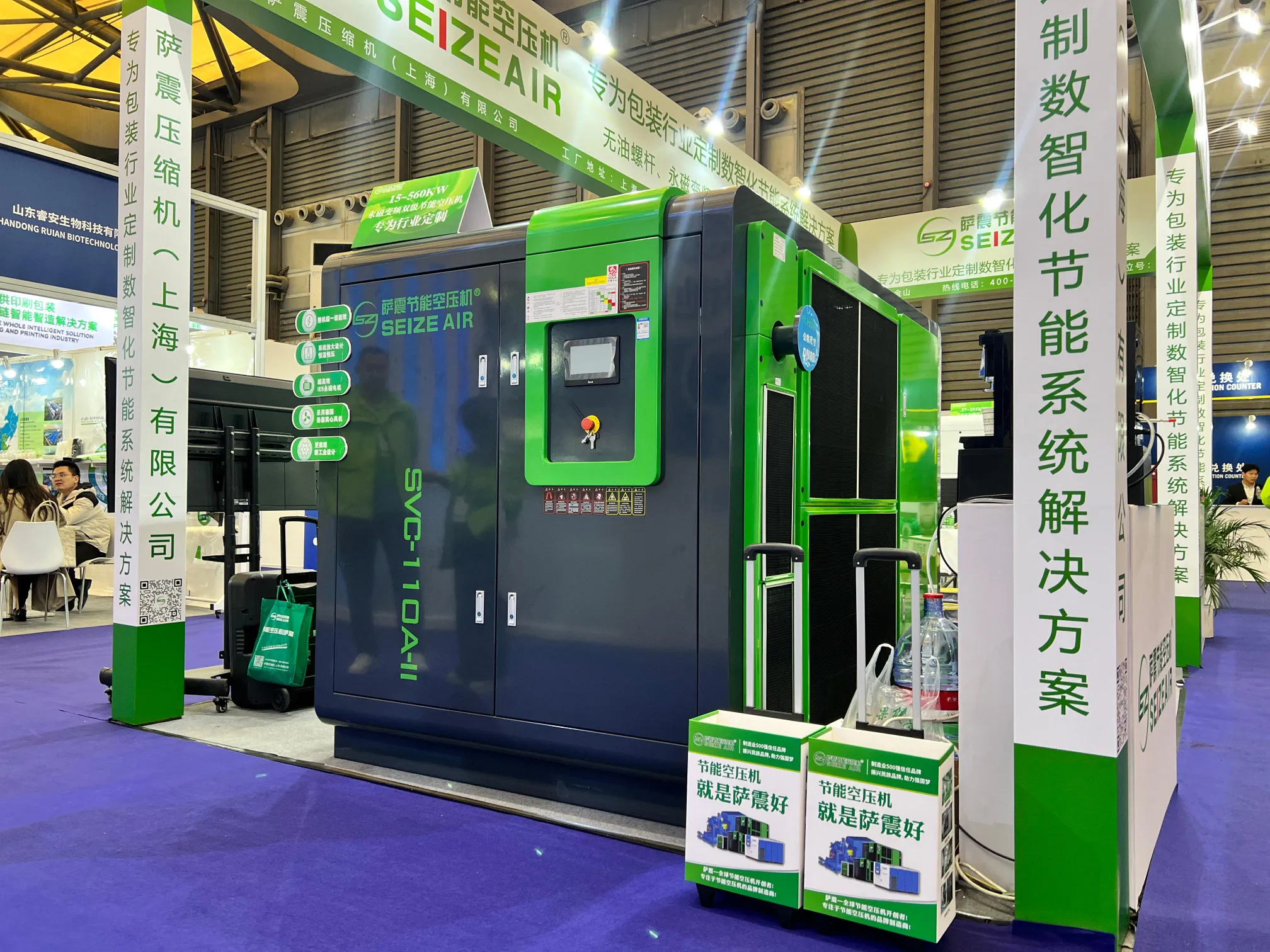 Why Piston Air Compressors Are Being Phased Out: A Consumer Perspective
 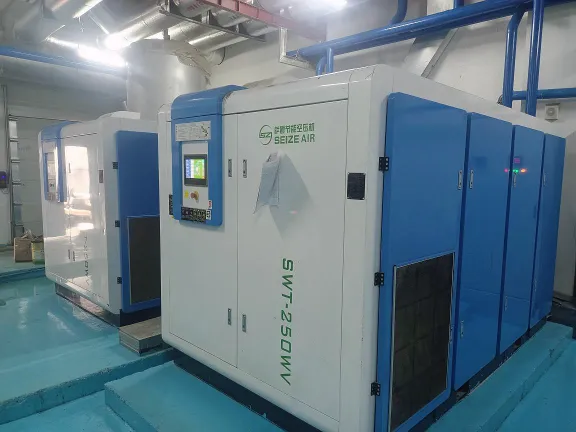 Permanent Magnet vs. Traditional Compressors: Which Saves More Money Long-Term?
  Technical Insights and Maintenance Tips for Water-Lubricated Compressors
  Why Oil-Free Screw Compressors Are the Future of Industrial Efficiency
 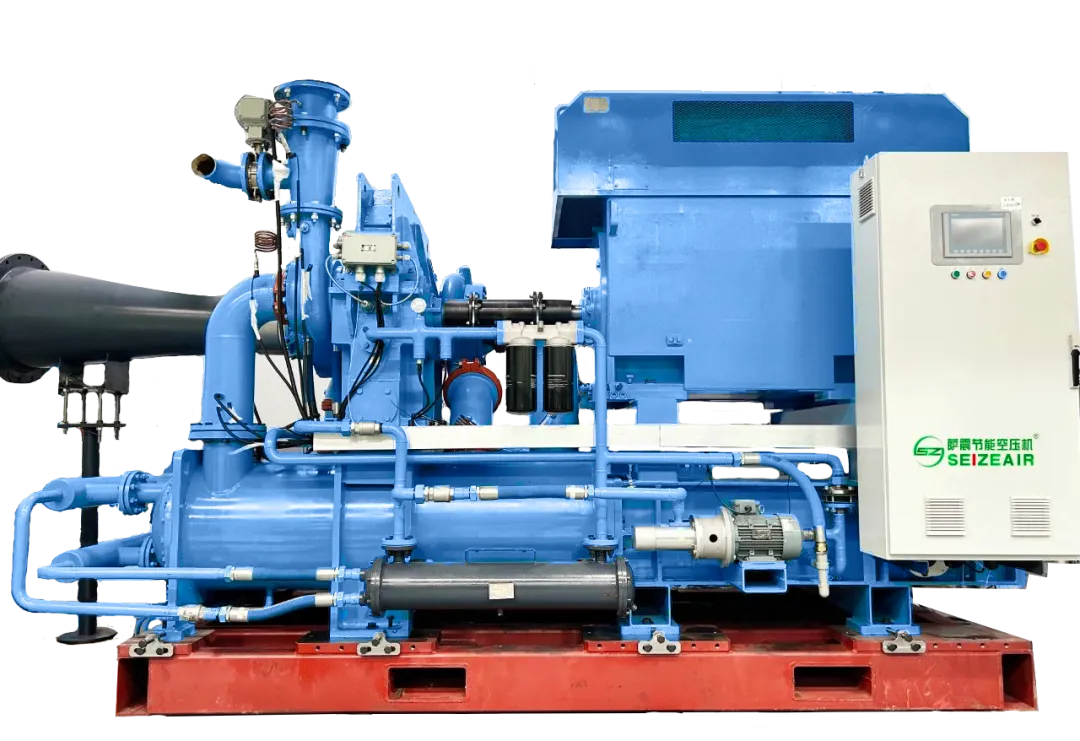 Industrial Air Compressor Solutions: Advanced Screw & Centrifugal Systems for Maximum ROI
 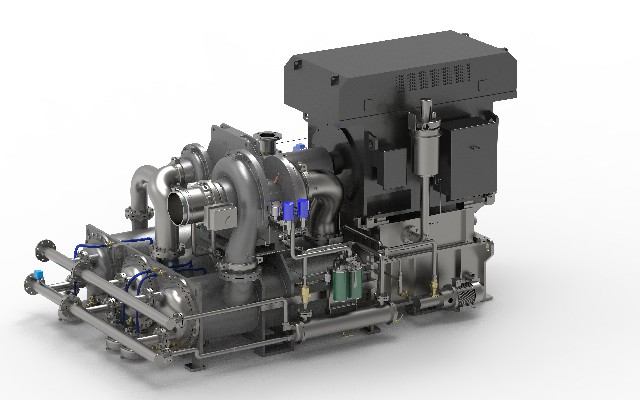 Energy-Efficient Compressors for Industrial Applications: Two-Stage Screw vs. Centrifugal Solutions
 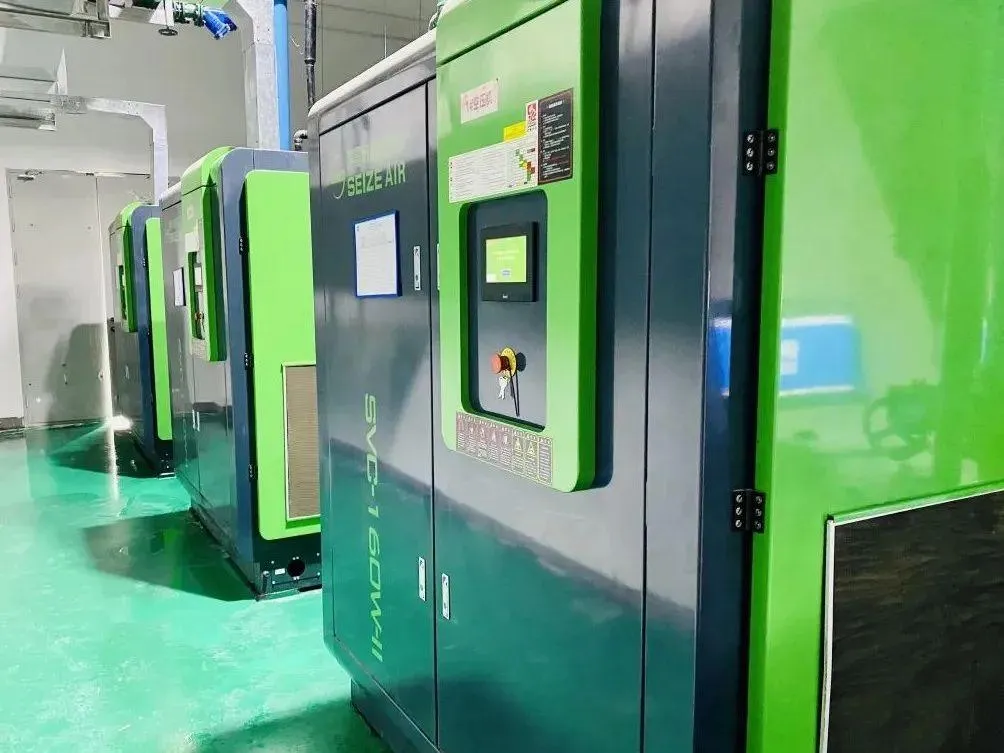 Energy-Efficient Air Compressors Manufacturer in China | [Your Company Name] – Powering Sustainability Worldwide