
Importance of insulation for air compressors and post-processing equipment: key to ensuring efficient and stable operation
2025-01-08
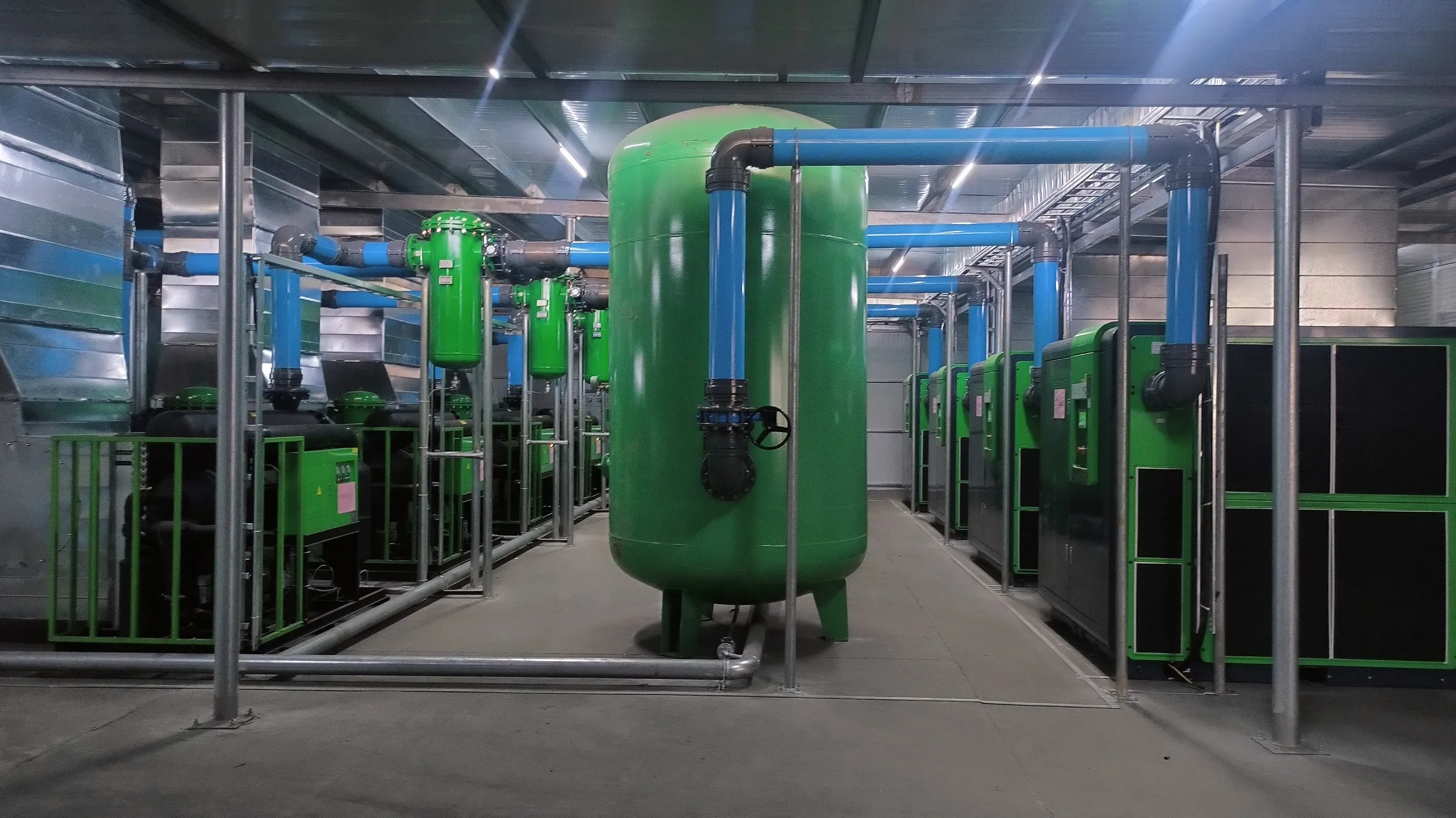
Air compressors and post-processing equipment play a vital role in industrial production. In low temperature environments, equipment may face problems such as increased viscosity of lubricating oil and freezing of condensed water, leading to failures, reduced efficiency and production stagnation. Therefore, insulation measures are essential to ensure stable operation of equipment and improve production efficiency.
1. Ensure normal operation of equipment
Prevent increase in lubricating oil viscosity
Low temperature will cause increased viscosity of lubricating oil, affecting the start-up and operation of air compressors. Insulation measures can maintain equipment temperature, prevent lubricating oil from thickening, ensure smooth start-up of air compressors and reduce wear, and extend equipment life.
Prevent condensed water from freezing
Air compressors produce moisture during the air compression process, which may freeze at low temperatures, causing pipes and valves to be blocked. Insulation measures help maintain temperature stability, prevent freezing, and ensure normal operation of equipment.
Maintain optimal operating temperature
At low temperatures, equipment performance decreases and energy consumption increases. Insulation can keep equipment working at optimal temperatures, improve efficiency, reduce energy consumption, and thus optimize the performance of compressed air systems.
2. Improve the quality of compressed air
Prevent water vapor condensation
When the temperature difference is large, water vapor is easy to condense in the pipe, affecting the air quality. Effective insulation can prevent condensation, ensure the normal operation of post-processing equipment (such as cold dryers and adsorption dryers), and ensure air quality.
Prevent pipe condensation
Uninsulated pipes are prone to condensation, which affects air quality and may cause corrosion. Insulation helps to keep the pipe temperature stable, reduce condensation, and ensure system reliability.
3. Energy saving and consumption reduction, reduce costs
Reduce air compressor power consumption
Air compressors are the main source of energy consumption in compressed air systems, and low temperature environments will increase power consumption. Insulation measures can reduce heat dissipation and keep equipment running at a suitable temperature, thereby reducing energy consumption and saving energy costs.
Improve the efficiency of post-processing equipment
Post-processing equipment such as cold dryers are overloaded in low temperature environments. Insulation can reduce their burden, improve efficiency, and further reduce operating costs.
4. Improve production efficiency
Reduce equipment failure downtime
Low temperature may cause equipment failure and lead to production stagnation. Insulation measures reduce failures, ensure stable operation of equipment, and improve the continuity of production lines.
Stable air supply quality
The compressed air provided by the air compressor is crucial in many industrial applications. Insulation helps maintain temperature stability and avoid temperature fluctuations that affect air quality, thereby improving production efficiency and product quality.
Insulation of air compressors and post-processing equipment is essential for equipment operation, air quality, energy efficiency, and production efficiency. Through reasonable insulation measures, not only can the equipment be guaranteed to operate stably in cold environments, reduce failures and energy consumption, but also improve air quality and production efficiency, and reduce operating costs. Therefore, implementing an effective insulation solution is an important means to improve equipment performance, extend service life, and reduce costs, which can help companies improve their market competitiveness.
Contact us at://www.eescompressor.com/
WhatsApp:+86 15317057736

 Seize Oil-Free Screw Blowers: The Ultimate Energy-Efficient Air Compressor Solution for Industry 4.0
  Maximize Energy Efficiency with Heat Recovery Systems for Energy-Saving Air Compressors
  Top 7 Advantages of Centrifugal Blowers for Industrial Applications
  The Revolutionary Benefits of Permanent Magnet Variable Frequency Air Compressors: A Game-Changer for Modern Industries
 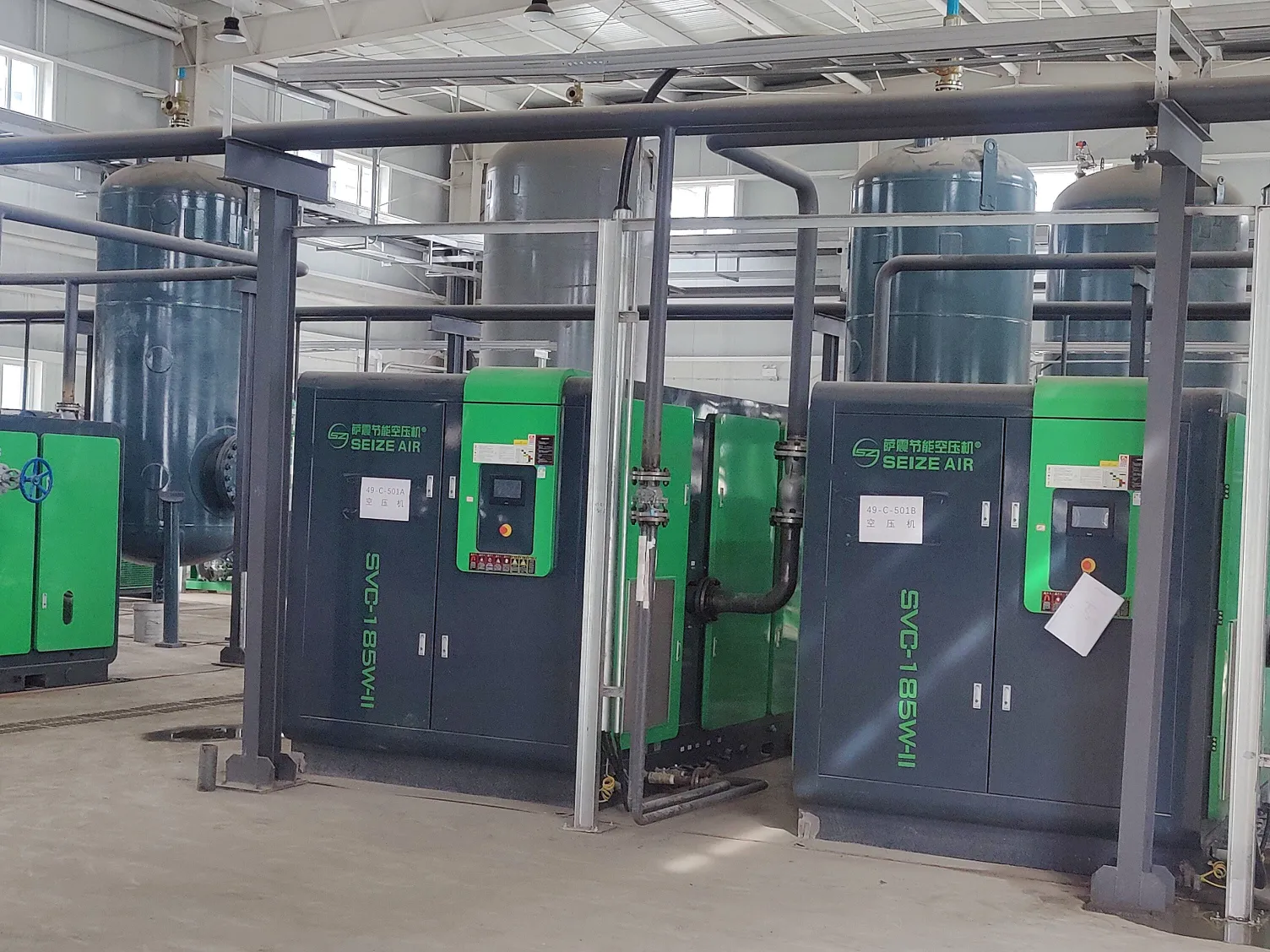 Variable Speed vs. Fixed Speed Air Compressors: Key Differences, Pros & Cons
 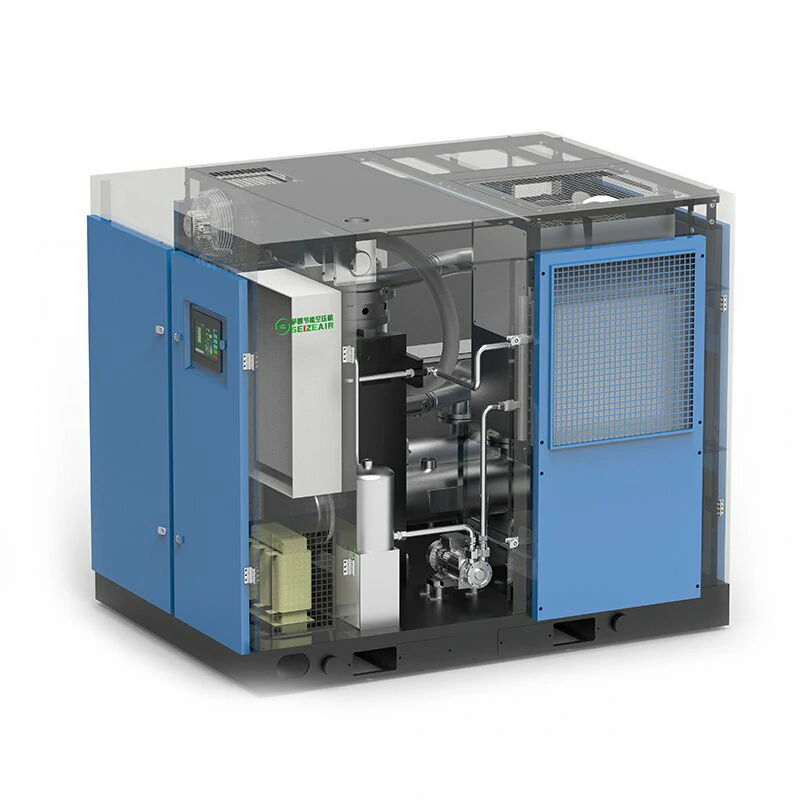 How to Choose Between Dry and Water-Lubricated Oil-Free Screw Compressors: A Comprehensive Comparison
 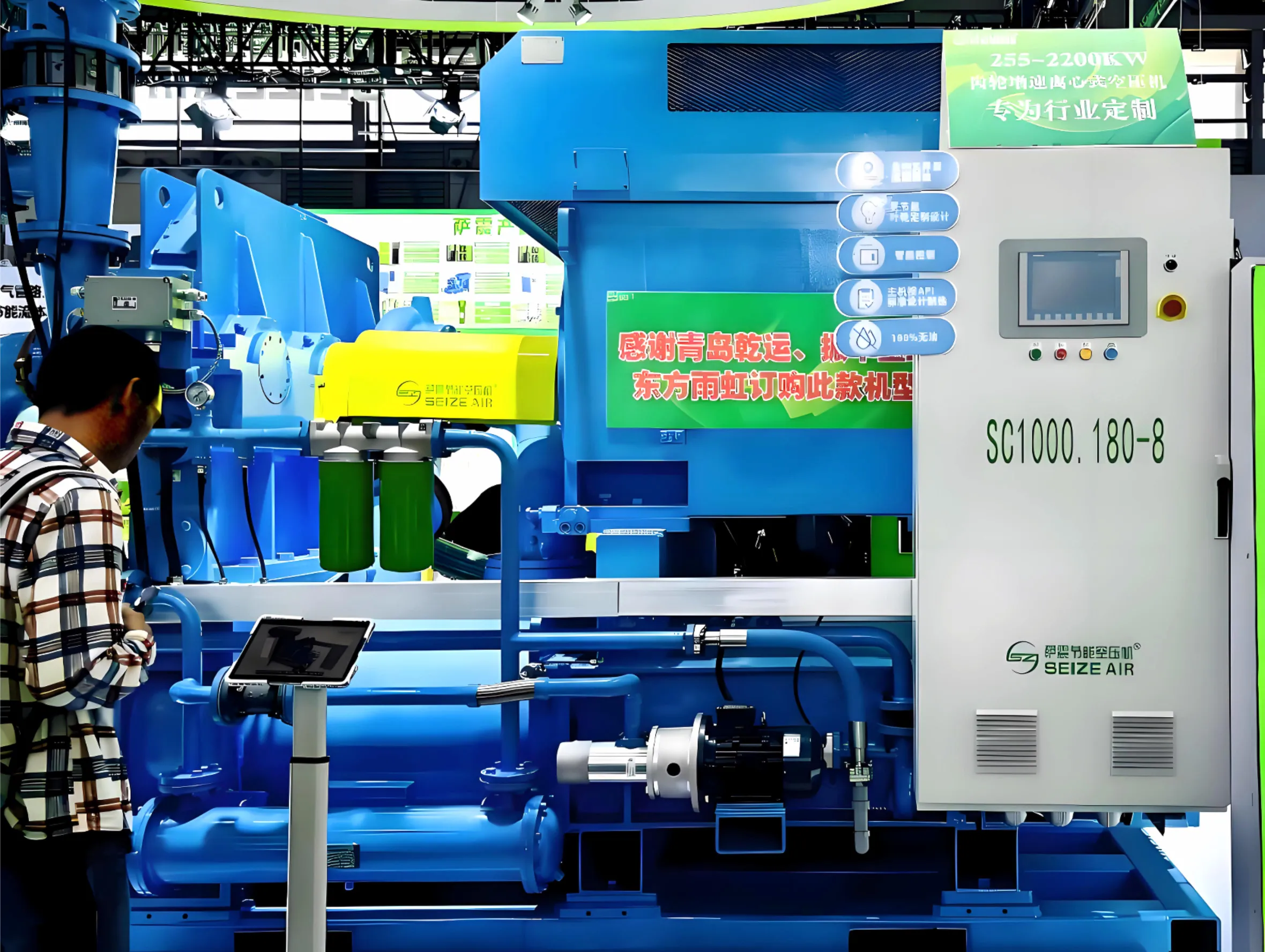 Centrifugal vs. Reciprocating Air Compressors: Why Centrifugal Wins for Industrial Applications
 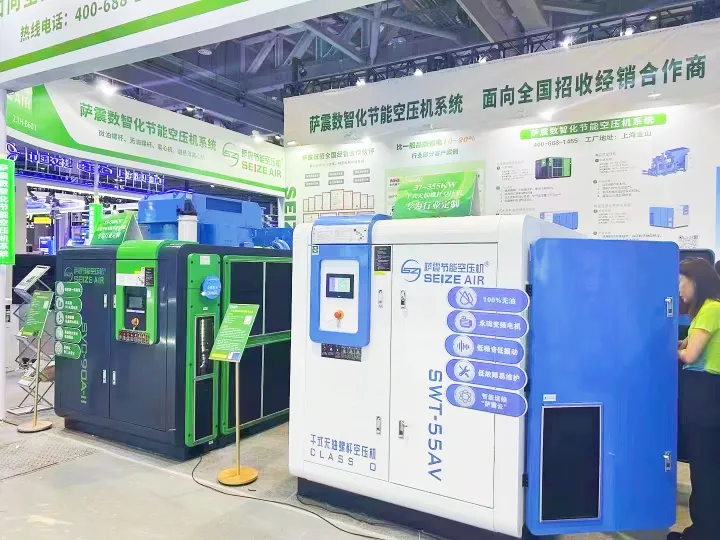 How to Calculate Air Compressor Specific Energy Consumption (SEC) for Energy Savings: A Guide for Southeast Asia, Middle East, and Europe
  Single-Stage vs. Two-Stage Compression: Which Is Right for Your Needs?
 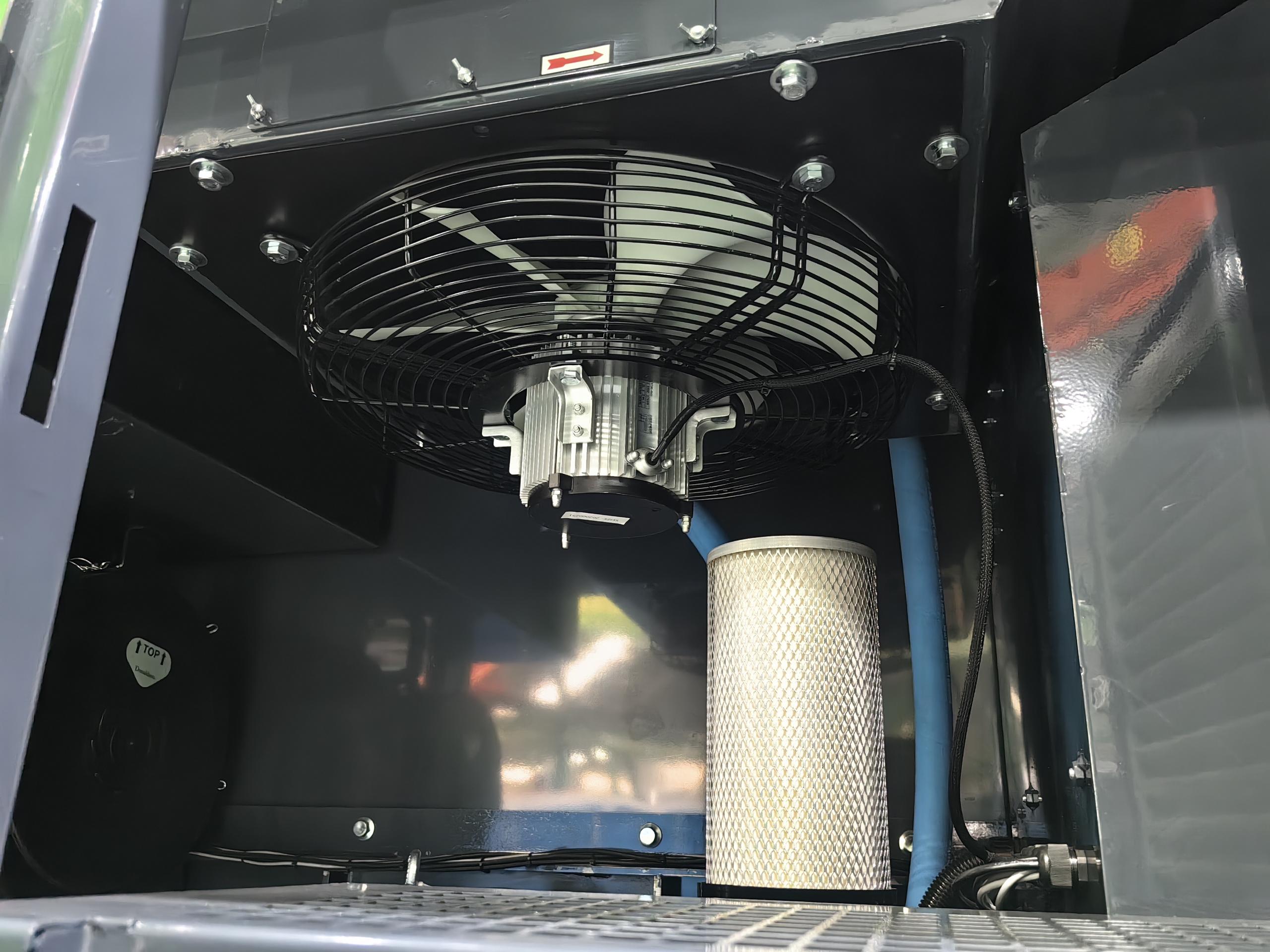 Maximize Your Savings: The Long-Term Cost Advantages of SEIZEAIR's Energy-Efficient Air Compressors
 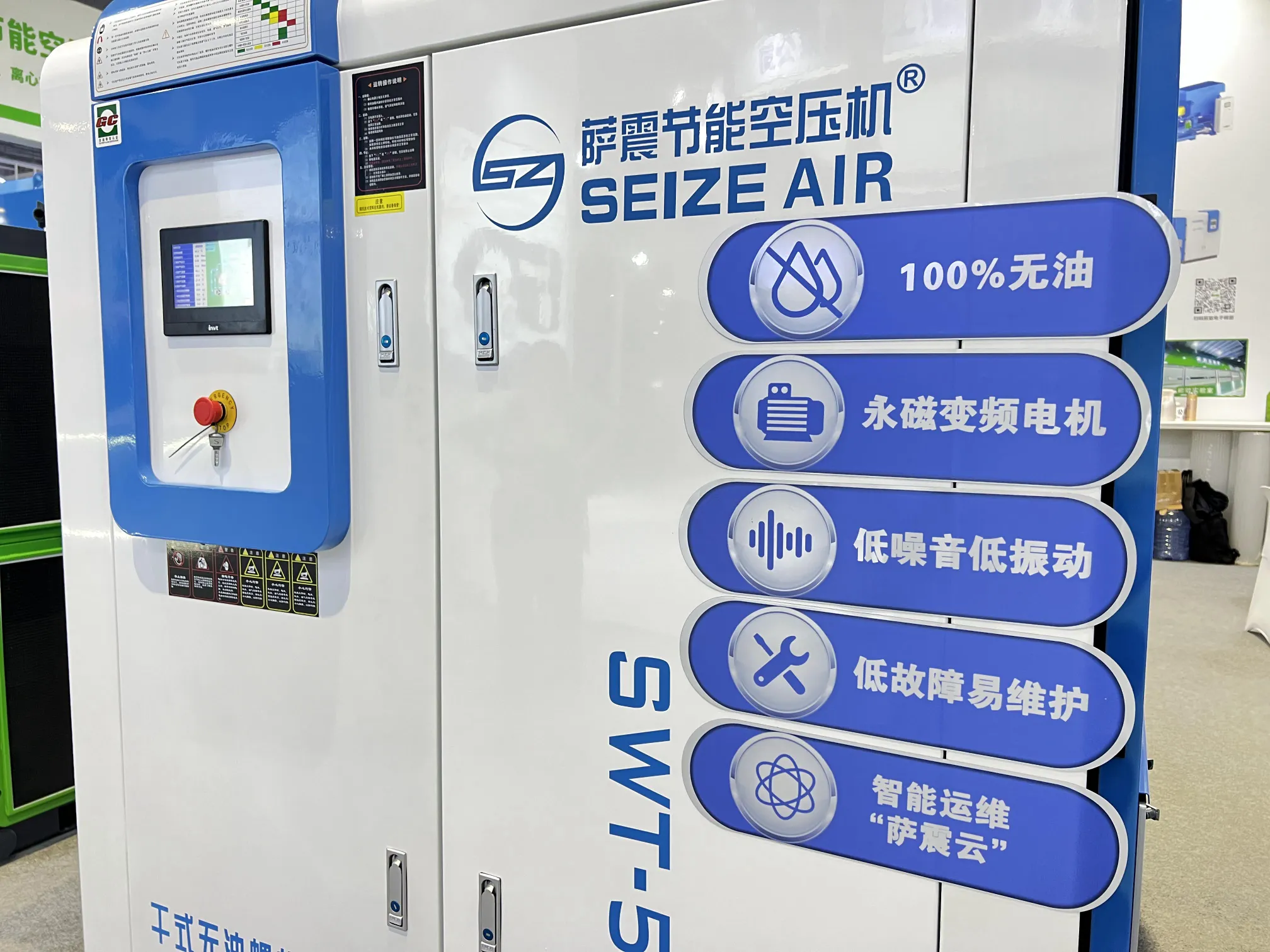 Energy Efficiency of Screw Compressors in Industrial Applications: Maximizing Savings and Sustainability
 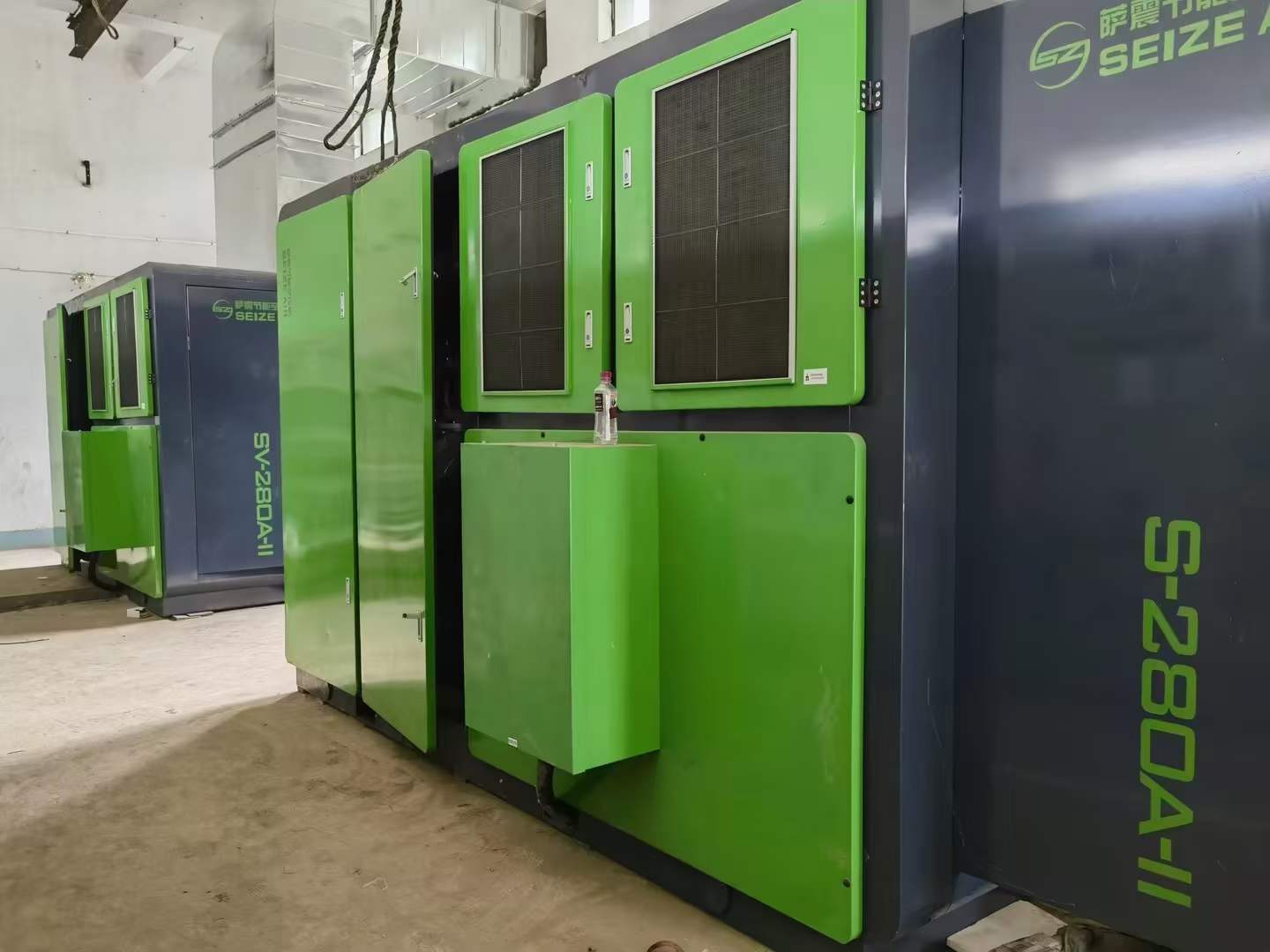 Piston vs. Screw Air Compressors: 5 Key Reasons to Choose Rotary Screw Technology
 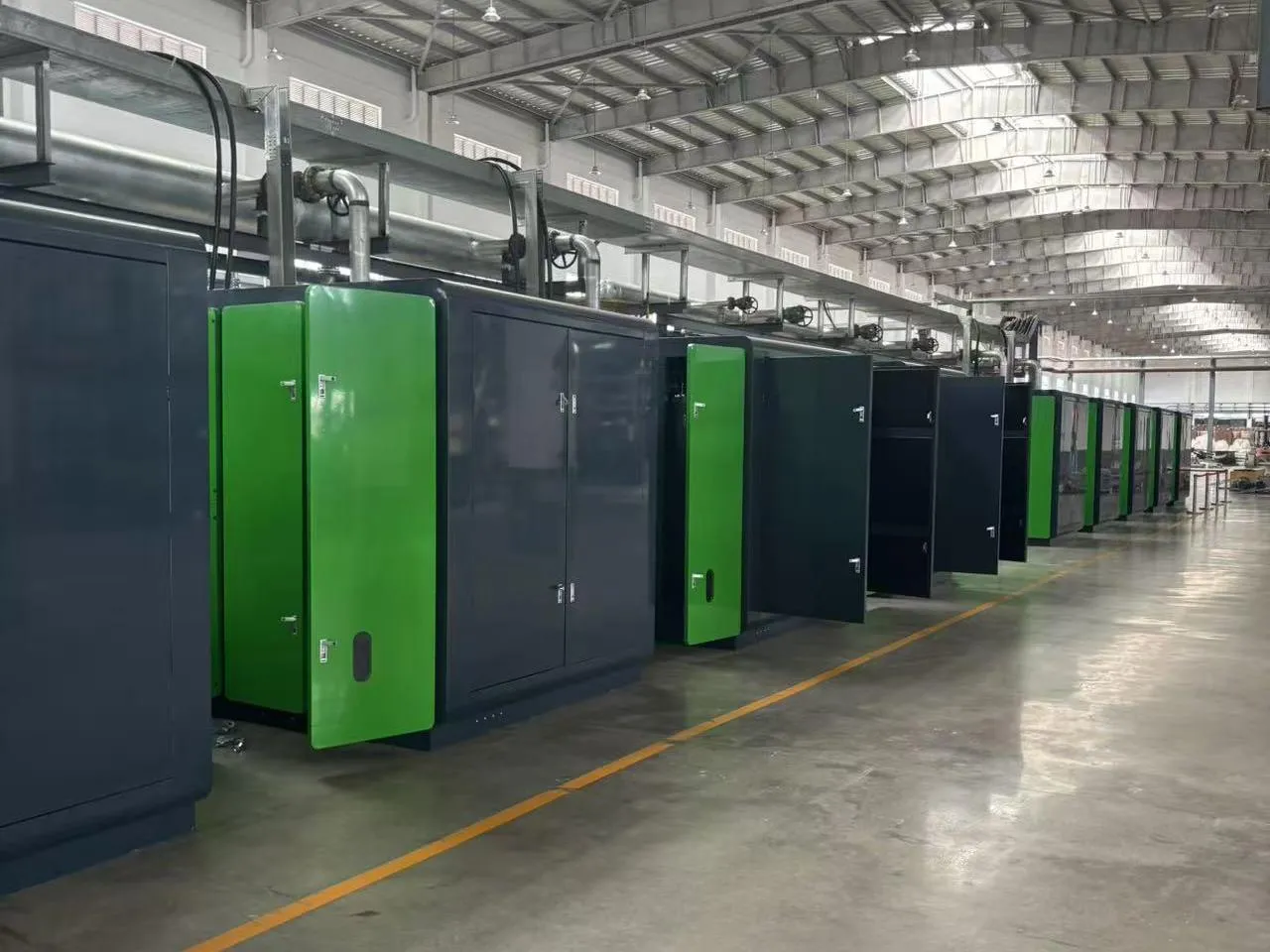 How Factories Slash Energy Costs with Energy-Efficient Air Compressors
 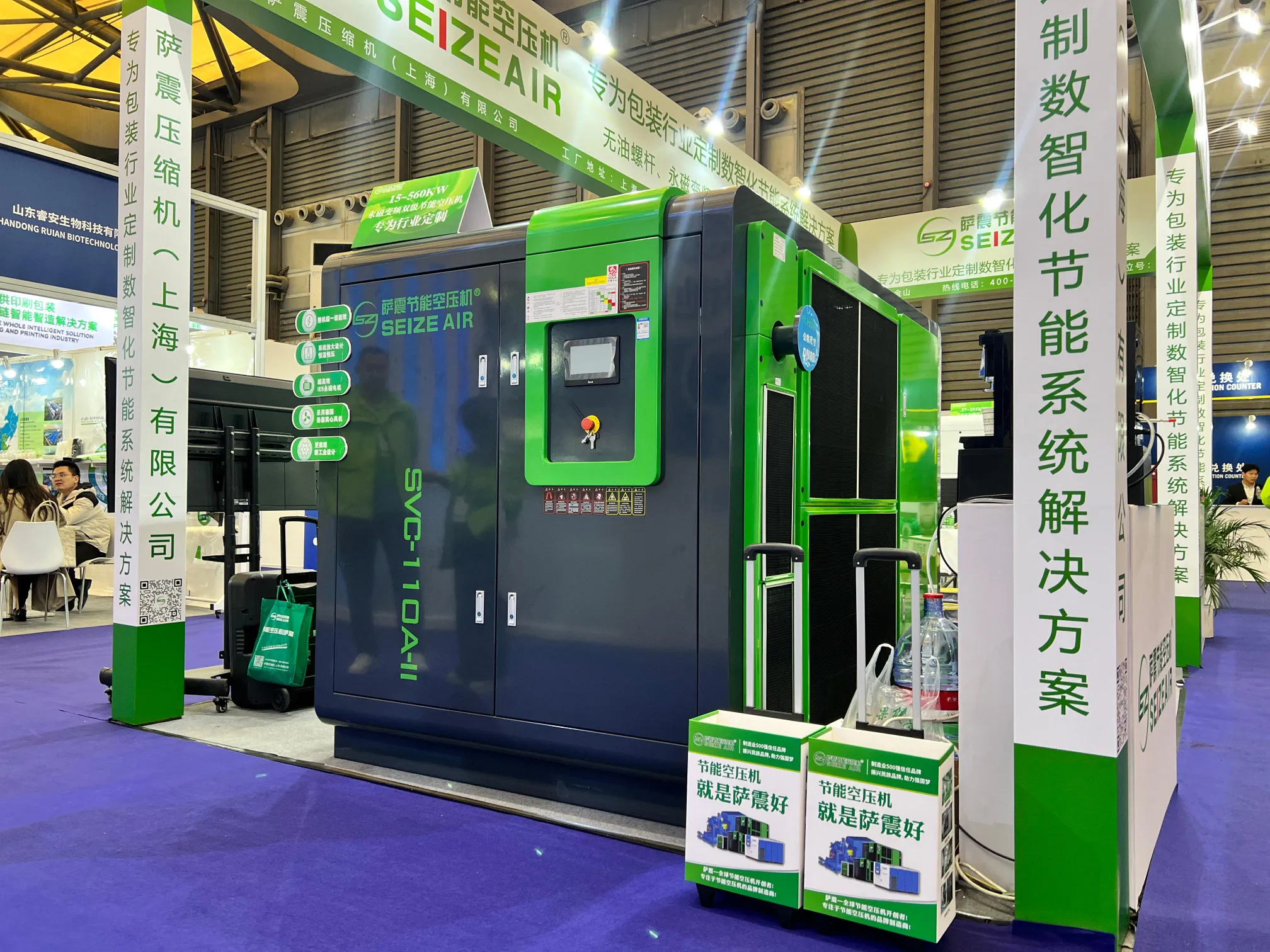 Why Piston Air Compressors Are Being Phased Out: A Consumer Perspective
 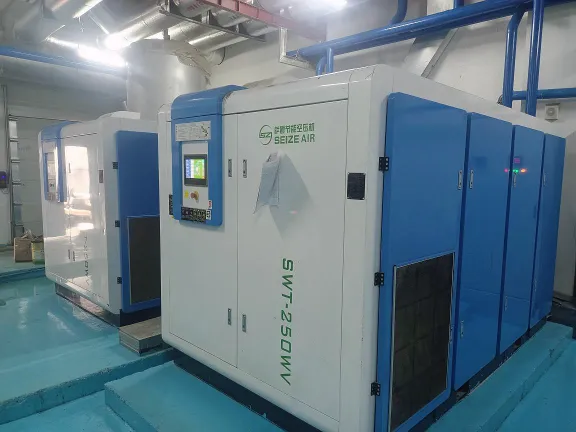 Permanent Magnet vs. Traditional Compressors: Which Saves More Money Long-Term?
  Technical Insights and Maintenance Tips for Water-Lubricated Compressors
 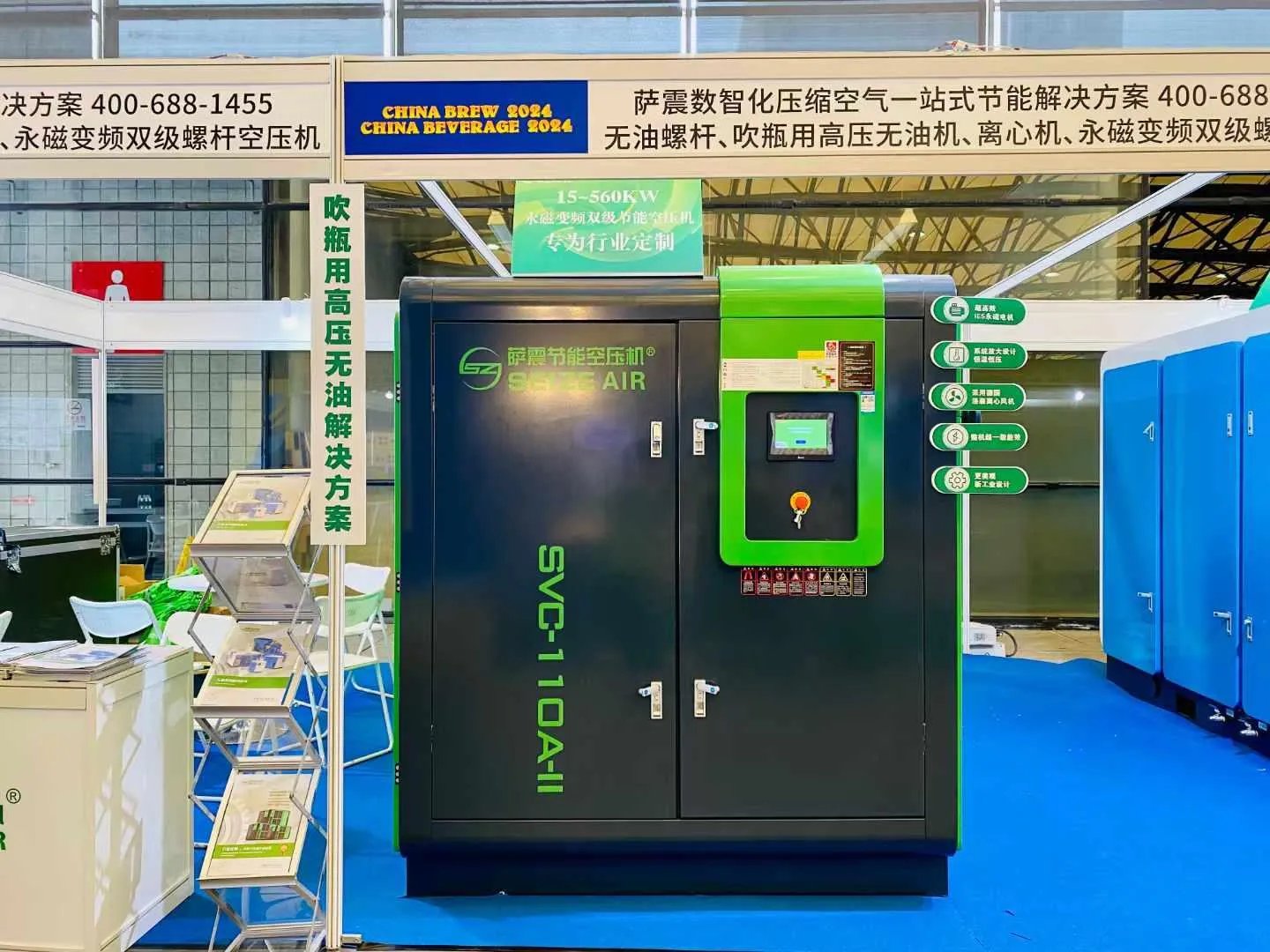 Why Oil-Free Screw Compressors Are the Future of Industrial Efficiency
 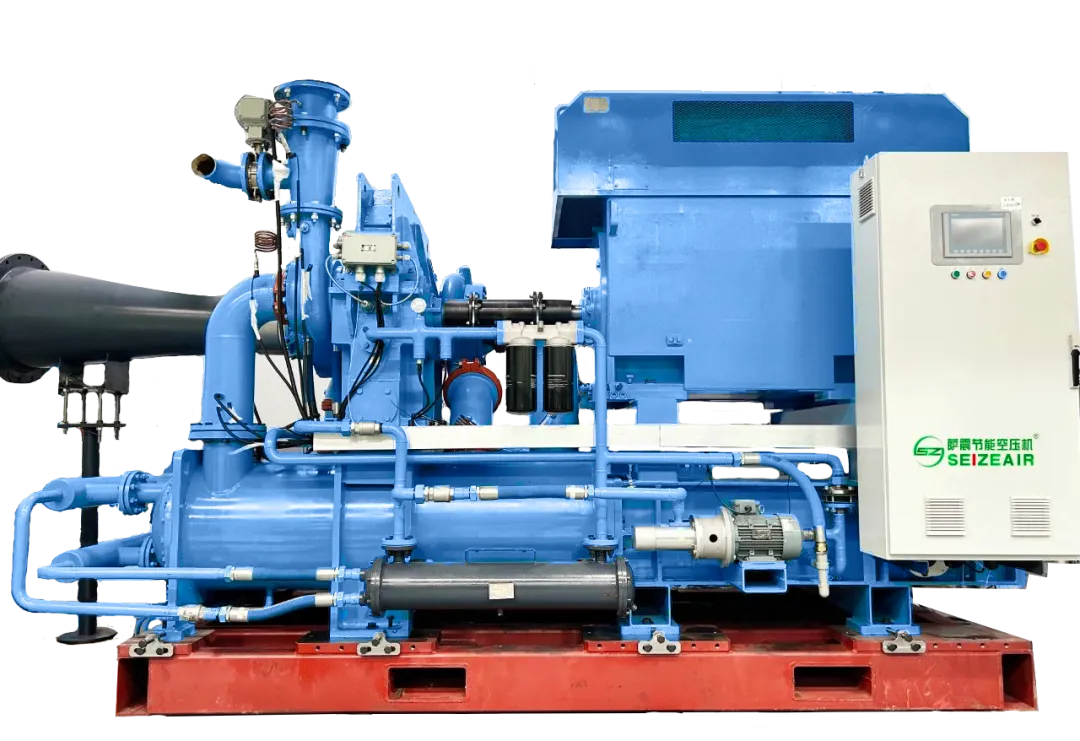 Industrial Air Compressor Solutions: Advanced Screw & Centrifugal Systems for Maximum ROI
 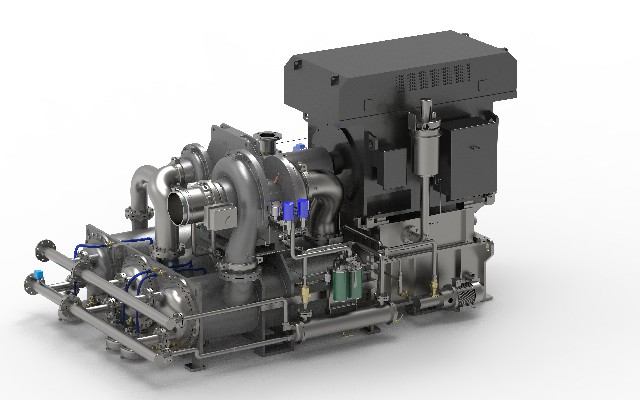 Energy-Efficient Compressors for Industrial Applications: Two-Stage Screw vs. Centrifugal Solutions
 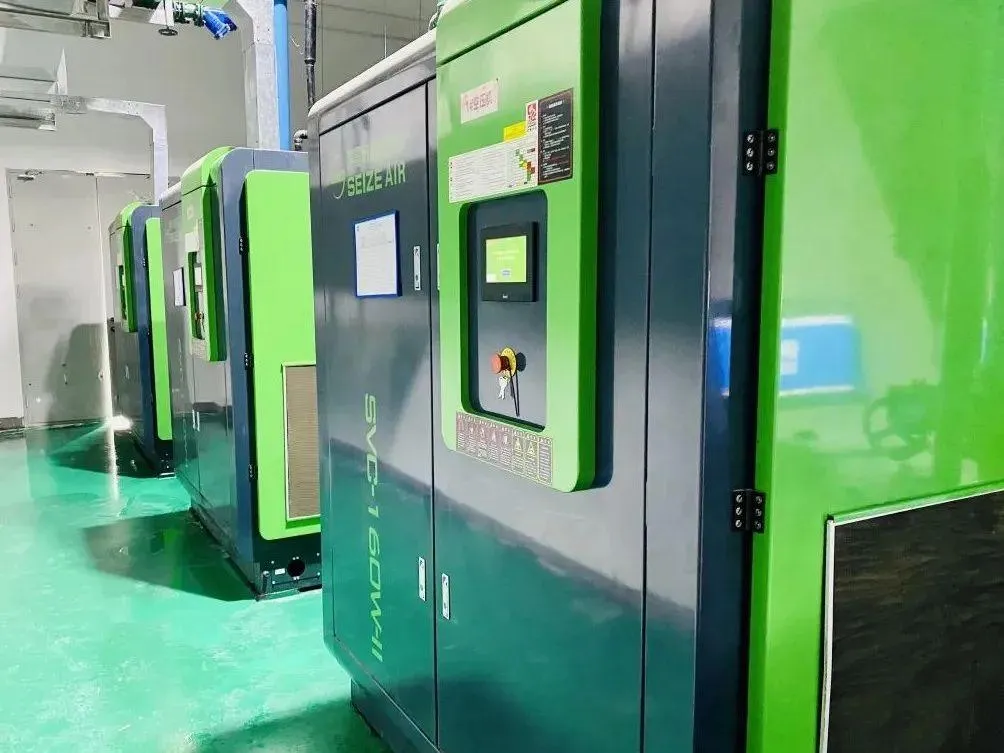 Energy-Efficient Air Compressors Manufacturer in China | [Your Company Name] – Powering Sustainability Worldwide