
Air Compressor Selection Guide: How to Choose the Right Air Compressor Based on Demand
2025-02-10
In industrial production, air compressors are one of the most critical power sources, and their selection directly impacts production efficiency and cost control. Proper air compressor selection not only meets the required compressed air flow and pressure needs but also improves energy efficiency and reduces operating costs.
1. Core Elements of Air Compressor Selection
Determining Flow and Pressure Requirements
Air Compressor Selection + Flow: The first step in selecting an air compressor is to clarify the required air volume. To choose the right air compressor, evaluate the system’s airflow demand, including both the maximum output and average load during actual use.
Air Compressor Selection + Pressure: Determining the operating pressure of the air compressor is crucial when making a selection. Generally, the operating pressure should be slightly higher than the maximum operating pressure required by the equipment to ensure stable system operation.
Impact of the Operating Environment on Air Compressor Selection
The working environment significantly affects the efficiency and stability of an air compressor. Temperature, humidity, and altitude all impact the compressor's performance. In high-temperature or high-humidity environments, it is necessary to choose equipment with high durability. In high-altitude areas, where the air is thinner, air compressors should be selected with higher airflow density and performance requirements.
Energy Efficiency and Operating Costs
Air Compressor Selection + Energy Efficiency: Nowadays, energy efficiency is a key criterion for selecting air compressors. Choosing models with variable frequency drive technology allows the compressor to adjust its operating speed according to actual air demand, significantly reducing energy consumption.
Air Compressor Selection + Maintenance Costs: Given the long-term operation of air compressors, choosing models that are easy to maintain, with lower parts replacement costs, can effectively reduce downtime and maintenance expenses.
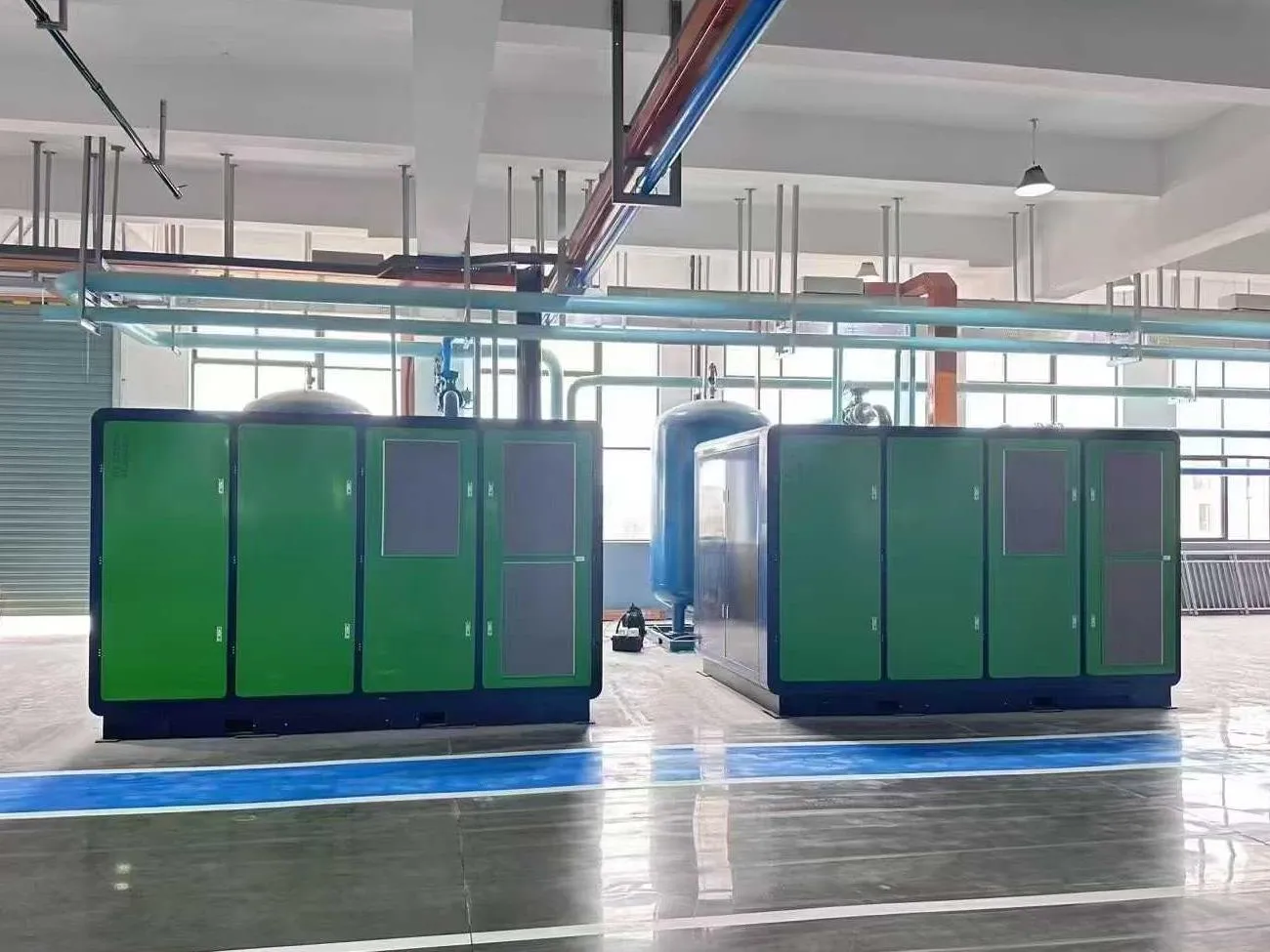
2. The Supplementary Role of Post-Treatment Equipment in Air Compressor Selection
In addition to the selection of the air compressor itself, post-treatment equipment is also an important aspect that cannot be ignored. Appropriate post-treatment equipment can significantly improve the quality of compressed air, ensuring the proper functioning of equipment that uses the air.
Air Tank: A properly sized air tank can help balance the load on the air compressor and reduce the wear caused by frequent start-stop cycles. Generally, the volume of the air tank should be more than 10% of the air compressor's discharge capacity.
Dryers and Filters: Choose suitable dryers (such as refrigerated or adsorption types) and filters based on air demand to ensure the air remains dry and clean. For applications requiring higher cleanliness, it’s necessary to use a combination of oil mist filters and fine filters.
3. Comprehensive Consideration of Long-Term Benefits in Air Compressor Selection
Ultimately, the proper air compressor selection + long-term benefits are not only reflected in the initial procurement costs but more importantly in its energy-saving effects, ease of maintenance, and stability during long-term operation. Through scientific selection, energy consumption can be minimized, failure rates reduced, and overall production line efficiency improved.
In summary, air compressor selection should not only focus on the basic specifications but also comprehensively consider factors such as operating costs, the selection of post-treatment equipment, and maintenance convenience. This approach will ultimately lead to an efficient, energy-saving, and low-maintenance system operation.
Contact us at://www.eescompressor.com/
WhatsApp:+86 15317057736

 Seize Oil-Free Screw Blowers: The Ultimate Energy-Efficient Air Compressor Solution for Industry 4.0
 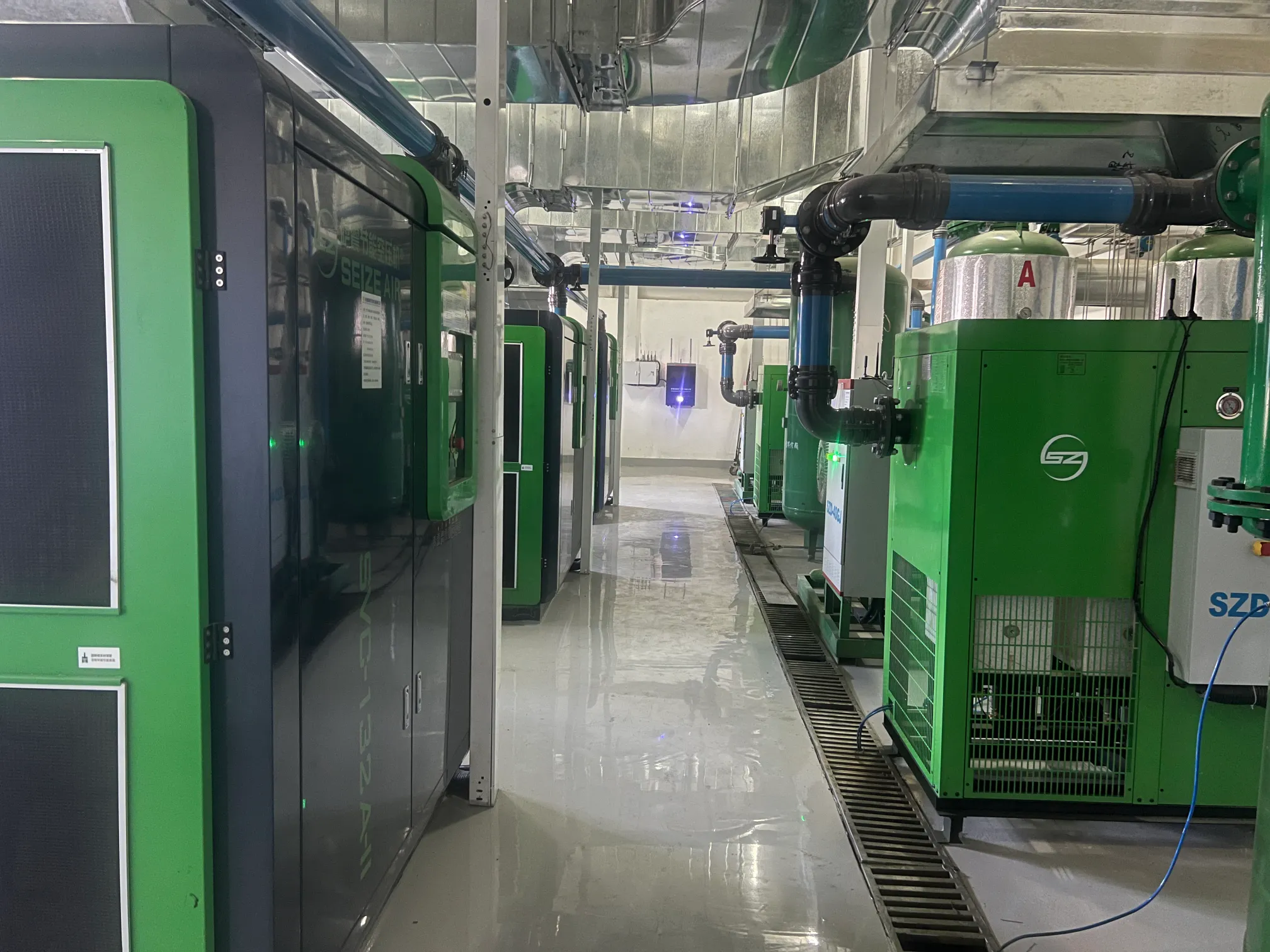 Maximize Energy Efficiency with Heat Recovery Systems for Energy-Saving Air Compressors
 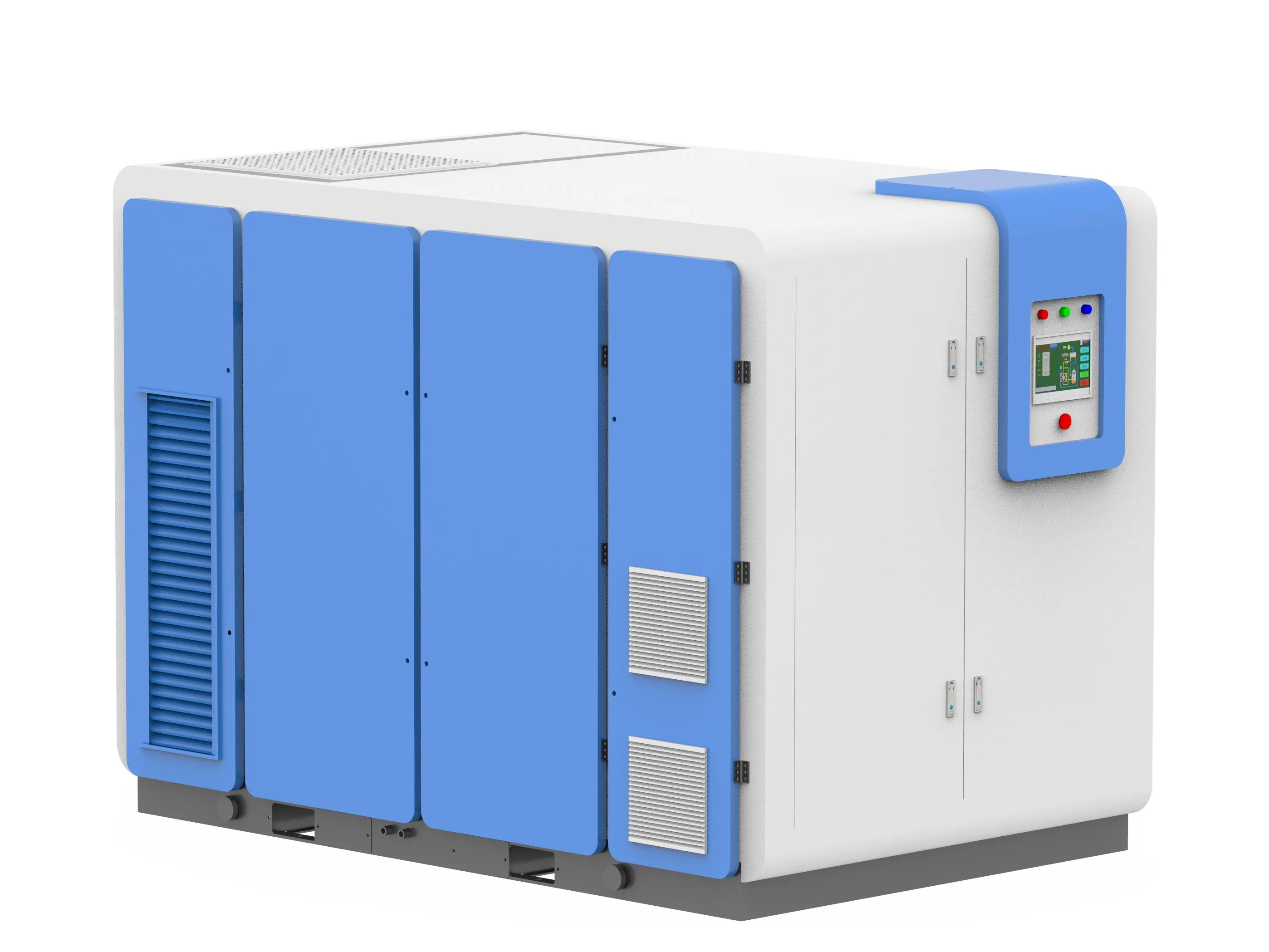 Top 7 Advantages of Centrifugal Blowers for Industrial Applications
 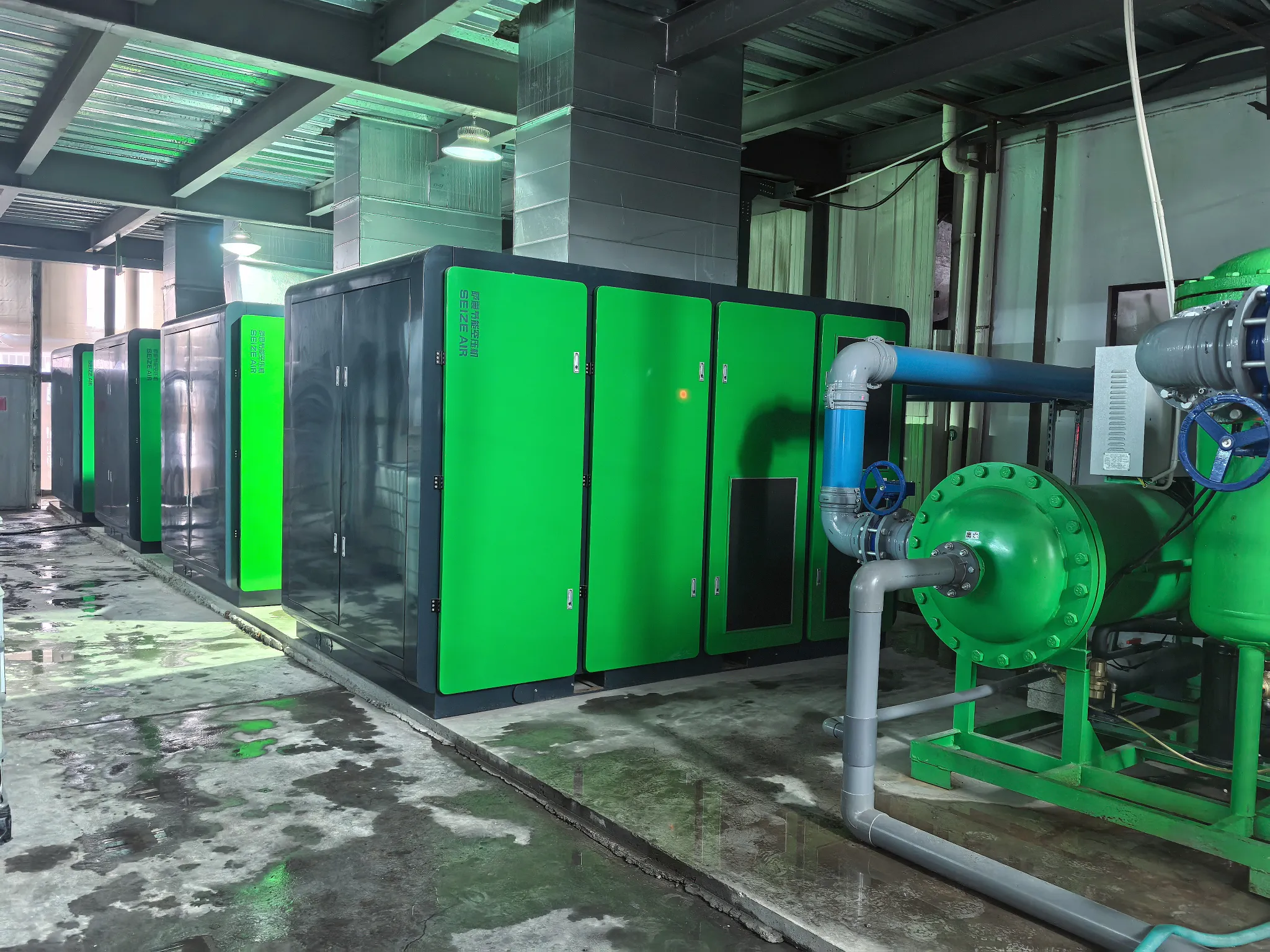 The Revolutionary Benefits of Permanent Magnet Variable Frequency Air Compressors: A Game-Changer for Modern Industries
 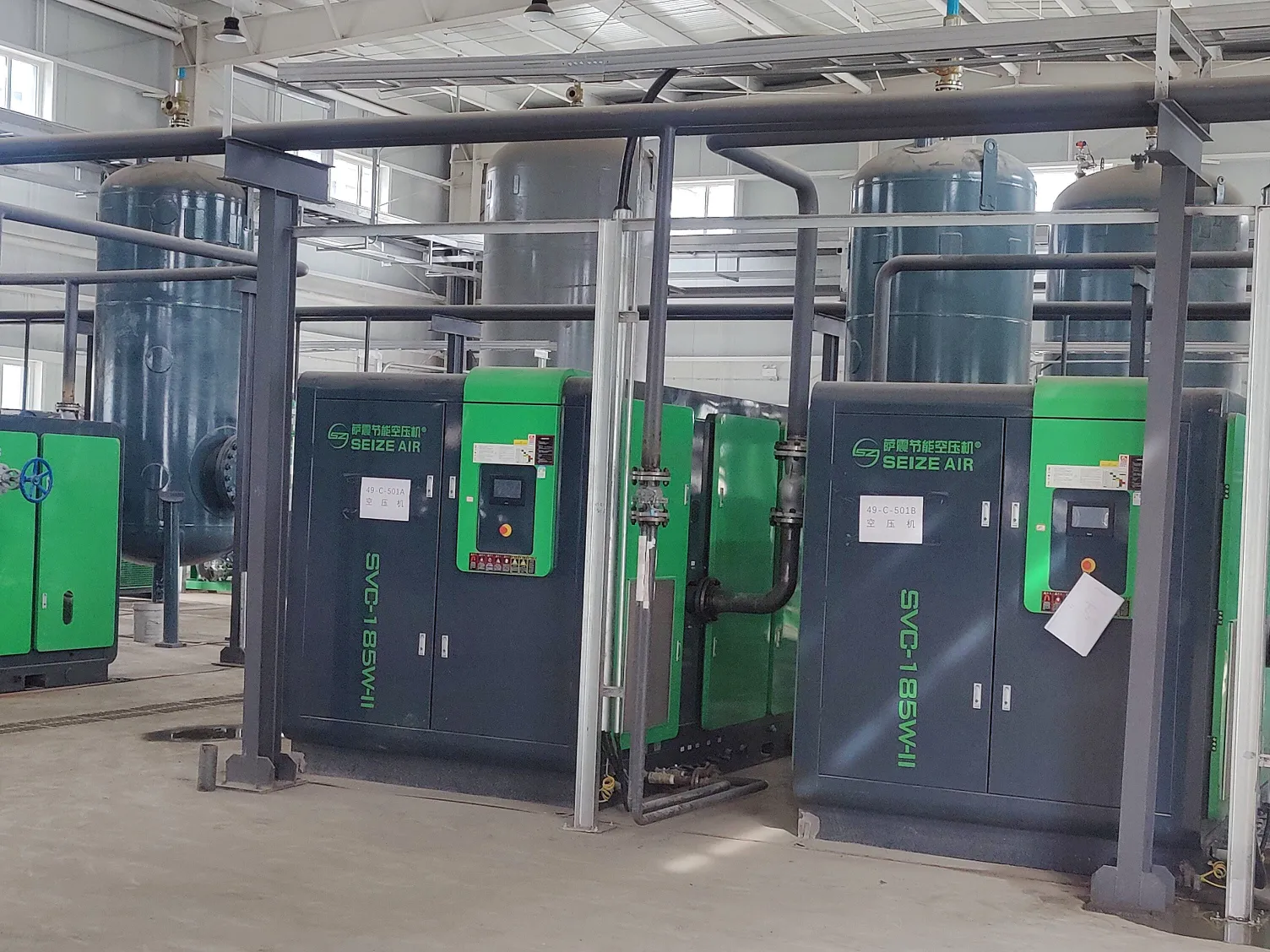 Variable Speed vs. Fixed Speed Air Compressors: Key Differences, Pros & Cons
 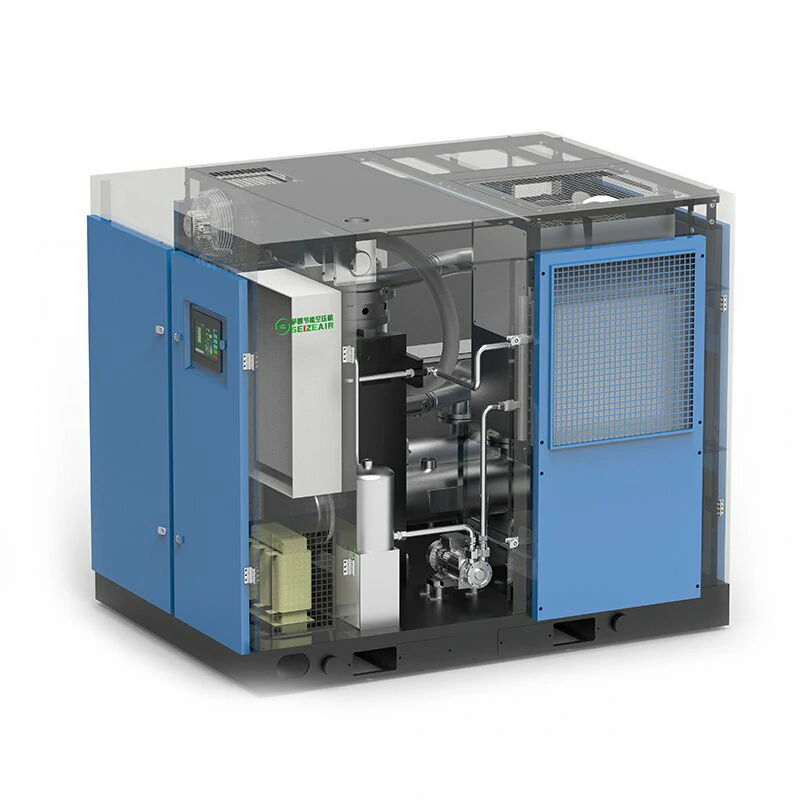 How to Choose Between Dry and Water-Lubricated Oil-Free Screw Compressors: A Comprehensive Comparison
 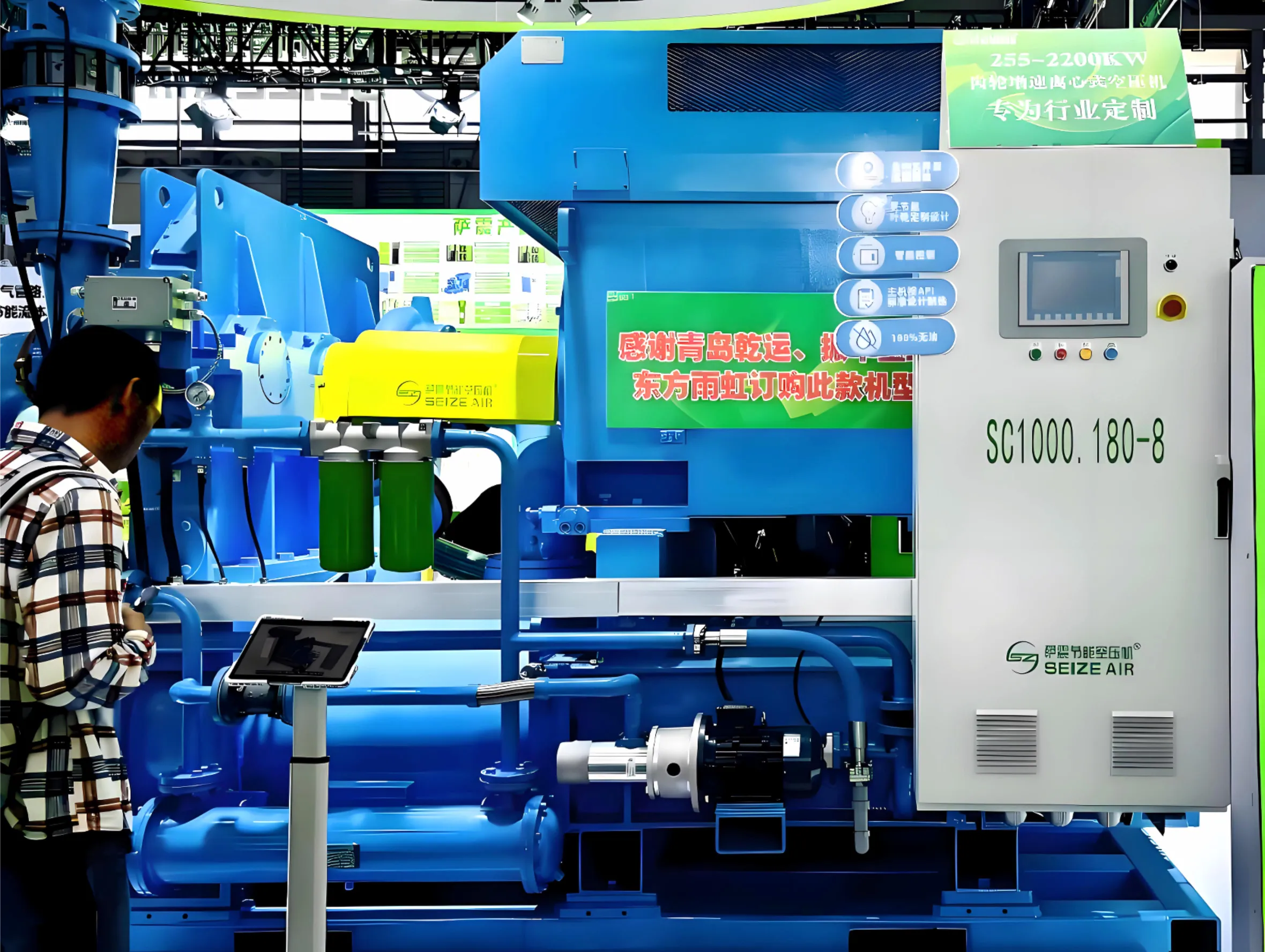 Centrifugal vs. Reciprocating Air Compressors: Why Centrifugal Wins for Industrial Applications
 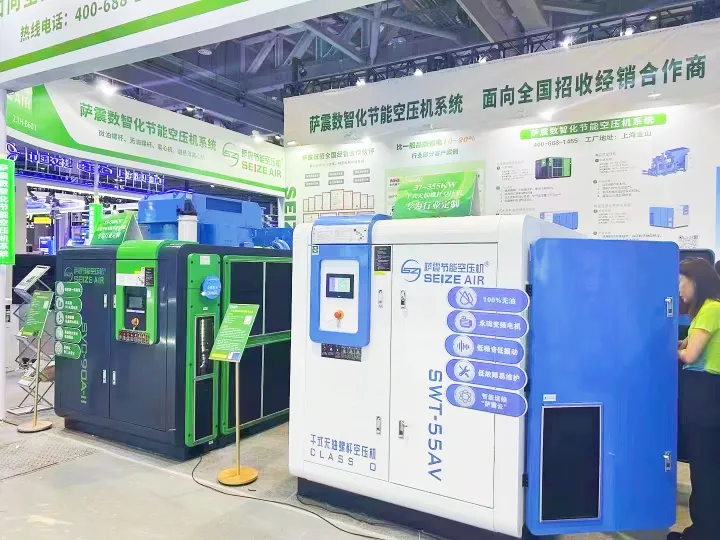 How to Calculate Air Compressor Specific Energy Consumption (SEC) for Energy Savings: A Guide for Southeast Asia, Middle East, and Europe
  Single-Stage vs. Two-Stage Compression: Which Is Right for Your Needs?
  Maximize Your Savings: The Long-Term Cost Advantages of SEIZEAIR's Energy-Efficient Air Compressors
  Energy Efficiency of Screw Compressors in Industrial Applications: Maximizing Savings and Sustainability
  Piston vs. Screw Air Compressors: 5 Key Reasons to Choose Rotary Screw Technology
  How Factories Slash Energy Costs with Energy-Efficient Air Compressors
  Why Piston Air Compressors Are Being Phased Out: A Consumer Perspective
  Permanent Magnet vs. Traditional Compressors: Which Saves More Money Long-Term?
  Technical Insights and Maintenance Tips for Water-Lubricated Compressors
  Why Oil-Free Screw Compressors Are the Future of Industrial Efficiency
  Industrial Air Compressor Solutions: Advanced Screw & Centrifugal Systems for Maximum ROI
  Energy-Efficient Compressors for Industrial Applications: Two-Stage Screw vs. Centrifugal Solutions
  Energy-Efficient Air Compressors Manufacturer in China | [Your Company Name] – Powering Sustainability Worldwide