
Magnetic Levitation Blowers: The Ultimate Guide to Energy-Efficient Industrial Air Solutions
Why Magnetic Levitation Blowers Are Transforming Industrial Air Systems
As industries worldwide seek sustainable solutions, magnetic levitation blowers emerge as game-changers in compressed air technology. Combining aerospace engineering principles with smart digital controls, these blowers deliver unprecedented efficiency for factories, wastewater plants, and manufacturing facilities.
How Magnetic Levitation Blowers Work: Zero-Friction Innovation
Unlike traditional blowers using ball bearings, maglev blowers employ:
- Active magnetic bearings suspending the impeller in a frictionless magnetic field
- Smart sensors monitoring position 10,000x/sec for perfect alignment
- Direct-drive motors eliminating gearbox energy losses
This breakthrough design enables:
✅ Zero physical contact between components
✅ Self-balancing rotation up to 50,000 RPM
✅ AI-powered vibration control
5 Key Benefits Driving Maglev Blower Adoption
1. 40-50% Energy Savings
By eliminating friction losses, maglev systems reduce power consumption dramatically. A 2023 DOE study showed:
- 42% lower energy use vs. multistage centrifugal blowers
- 37% savings compared to screw blowers
2. Maintenance-Free Operation
No bearings/lubricants mean:
- 70% lower maintenance costs
- Zero scheduled downtime for part replacements
- 10+ year lifespan (2-3x traditional blowers)
3. Ultra-Low Noise Pollution
Advanced maglev designs operate at <75 dB – quieter than office conversations.
4. Smart IoT Integration
Real-time monitoring via:
- Predictive maintenance alerts
- Energy consumption analytics
- Remote performance optimization
5. Sustainability Compliance
Maglev blowers help industries:
- Reduce Scope 2 emissions by 30-50%
- Meet ISO 50001/14001 standards
- Qualify for green manufacturing incentives
Top Industrial Applications of Maglev Blowers
| Industry | Use Case | Performance Gains |
|---|---|---|
| Wastewater | Aeration in treatment plants | 45% energy reduction |
| Pharma | Cleanroom air circulation | 99.9% vibration-free operation |
| Food & Beverage | Pneumatic conveying | 60% lower lifecycle costs |
| Semiconductors | Process cooling | ISO Class 1 air purity |
Maglev vs. Traditional Blowers: Cost Comparison
(Based on 100 HP system over 10 years)
| Factor | Maglev Blower | Screw Blower |
|---|---|---|
| Energy Cost | $320,000 | $580,000 |
| Maintenance | $15,000 | $85,000 |
| Downtime Losses | $0 | $120,000 |
| Total | $335,000 | $785,000 |
Choosing the Right Magnetic Levitation Blower: 3 Expert Tips
-
Match impeller design to airflow needs:
- Single-stage for constant pressure (30-100 m³/min)
- Multi-stage for variable loads (100-500 m³/min)
-
Verify smart control capabilities:
- Built-in VFD (Variable Frequency Drive)
- Modbus/Profibus communication protocols
-
Check certifications:
- CE/UL/ATEX compliance
- ISO 14064 carbon footprint reporting
The Future of Magnetic Bearing Technology
With 12.8% CAGR growth projected through 2030 (Grand View Research), next-gen maglev blowers will feature:
- Hydrogen-ready compressors for green energy plants
- Self-healing algorithms detecting micro-imbalances
- Blockchain-integrated energy tracking
Ready to Upgrade?
Contact our air systems experts to calculate your ROI potential with magnetic levitation blowers.
If you have any questions, you can contact us through the following contact information
WA:+86150 2121 8862. Email: sales@seize-air.com.
 Seize Oil-Free Screw Blowers: The Ultimate Energy-Efficient Air Compressor Solution for Industry 4.0
 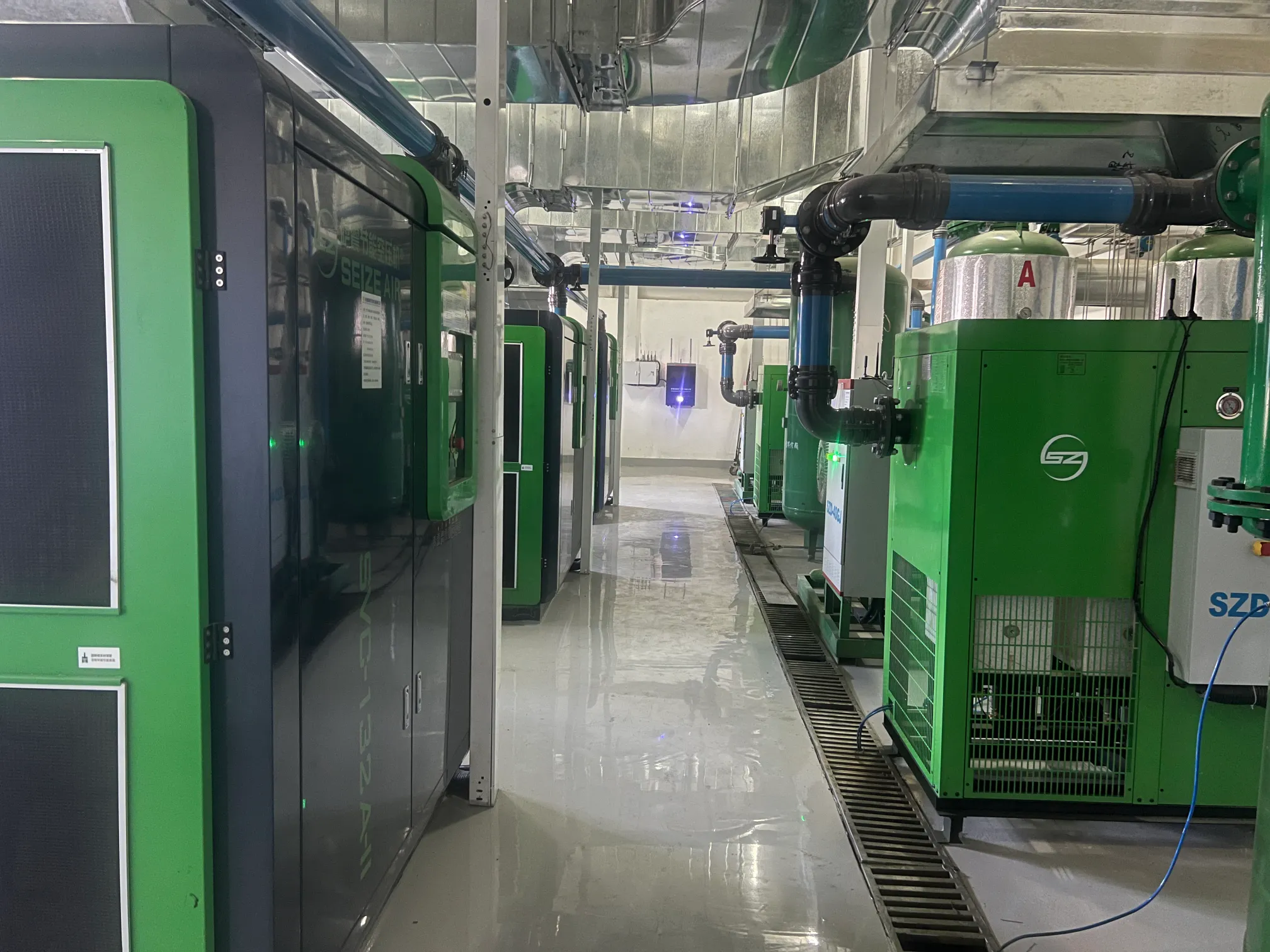 Maximize Energy Efficiency with Heat Recovery Systems for Energy-Saving Air Compressors
 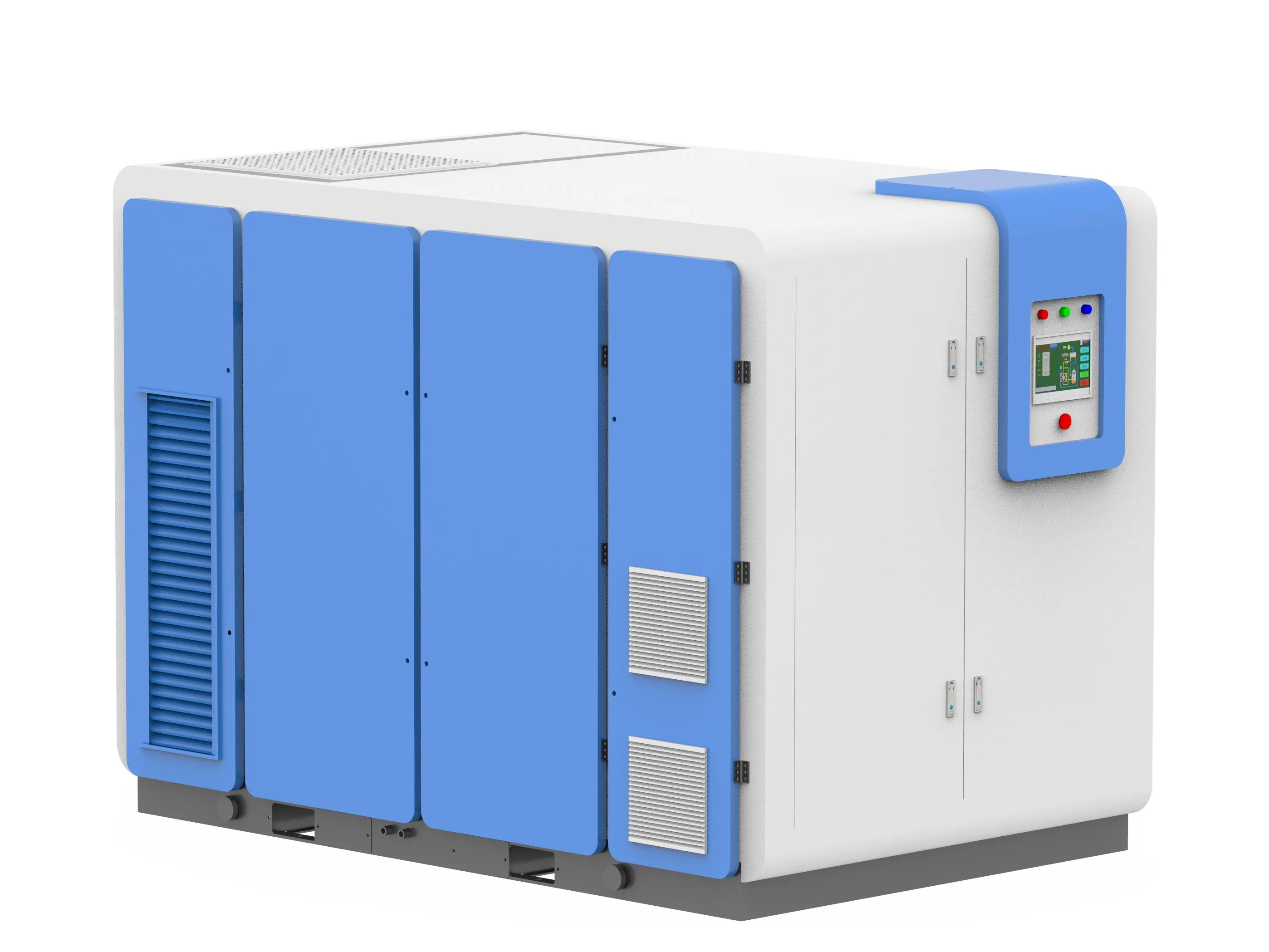 Top 7 Advantages of Centrifugal Blowers for Industrial Applications
 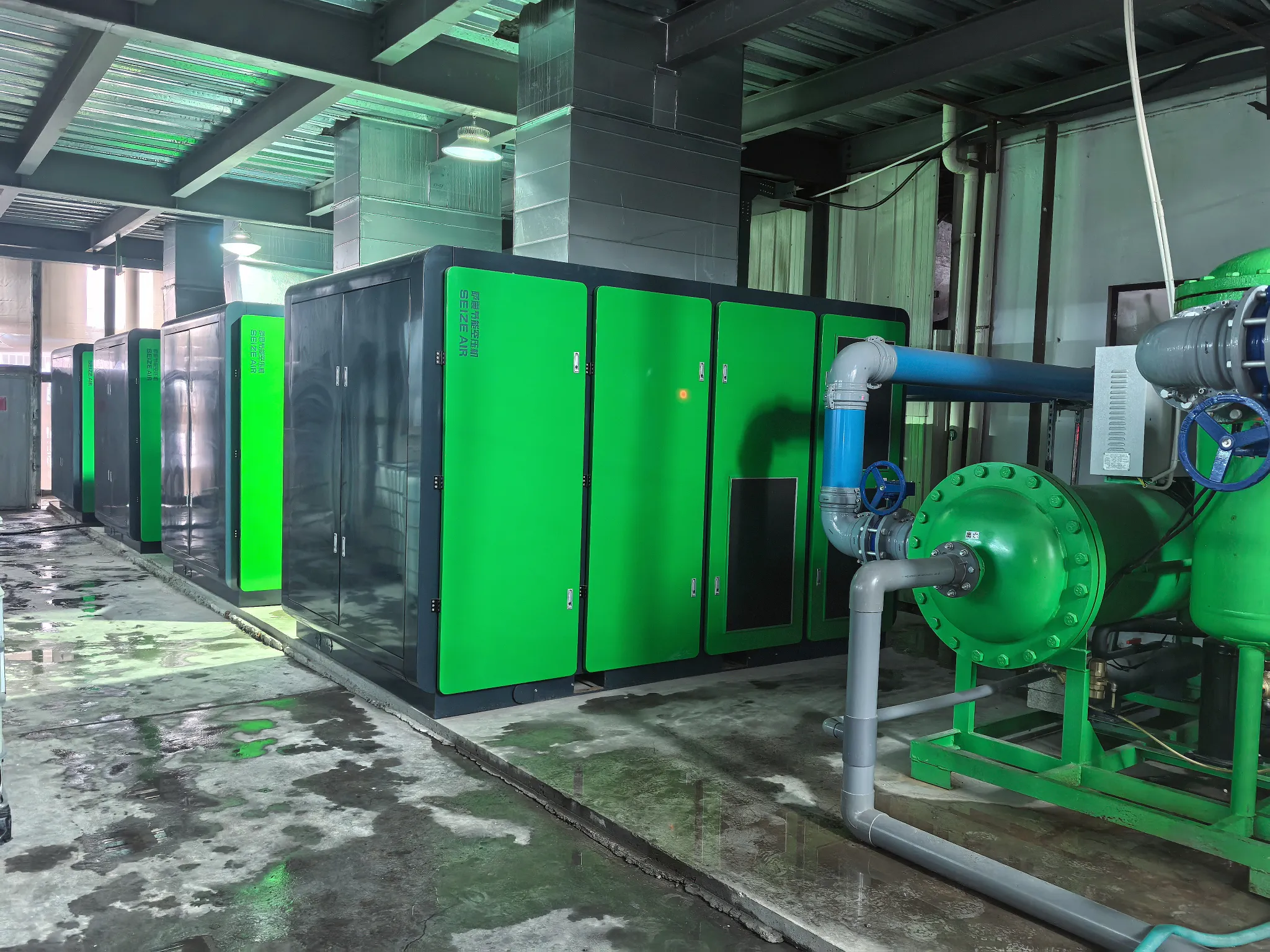 The Revolutionary Benefits of Permanent Magnet Variable Frequency Air Compressors: A Game-Changer for Modern Industries
 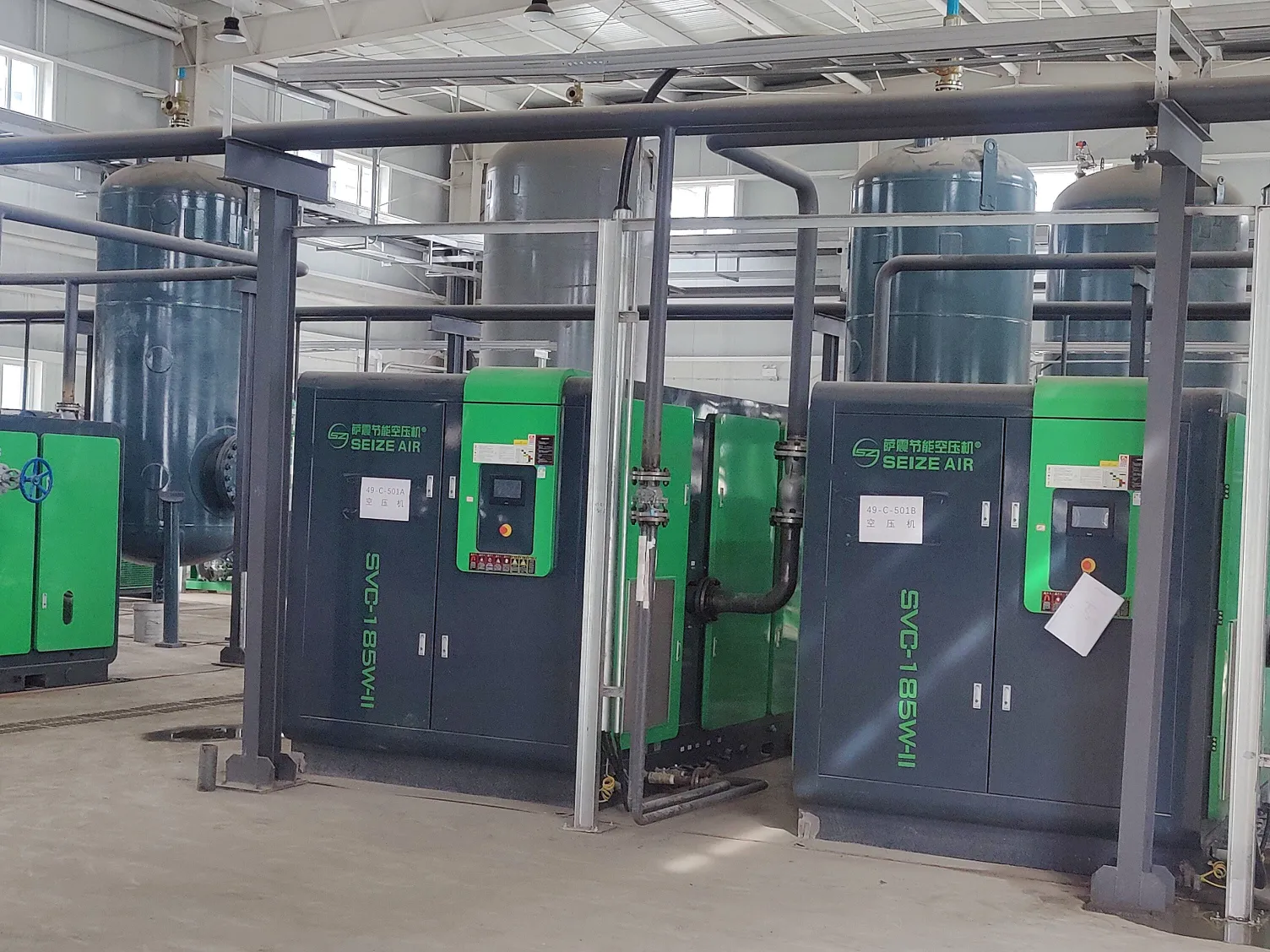 Variable Speed vs. Fixed Speed Air Compressors: Key Differences, Pros & Cons
 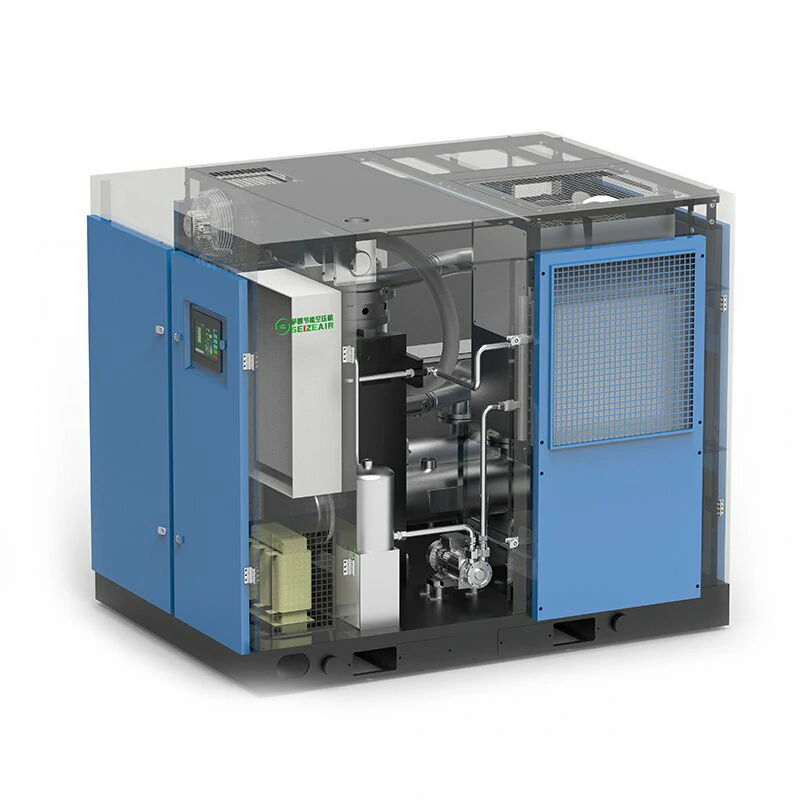 How to Choose Between Dry and Water-Lubricated Oil-Free Screw Compressors: A Comprehensive Comparison
 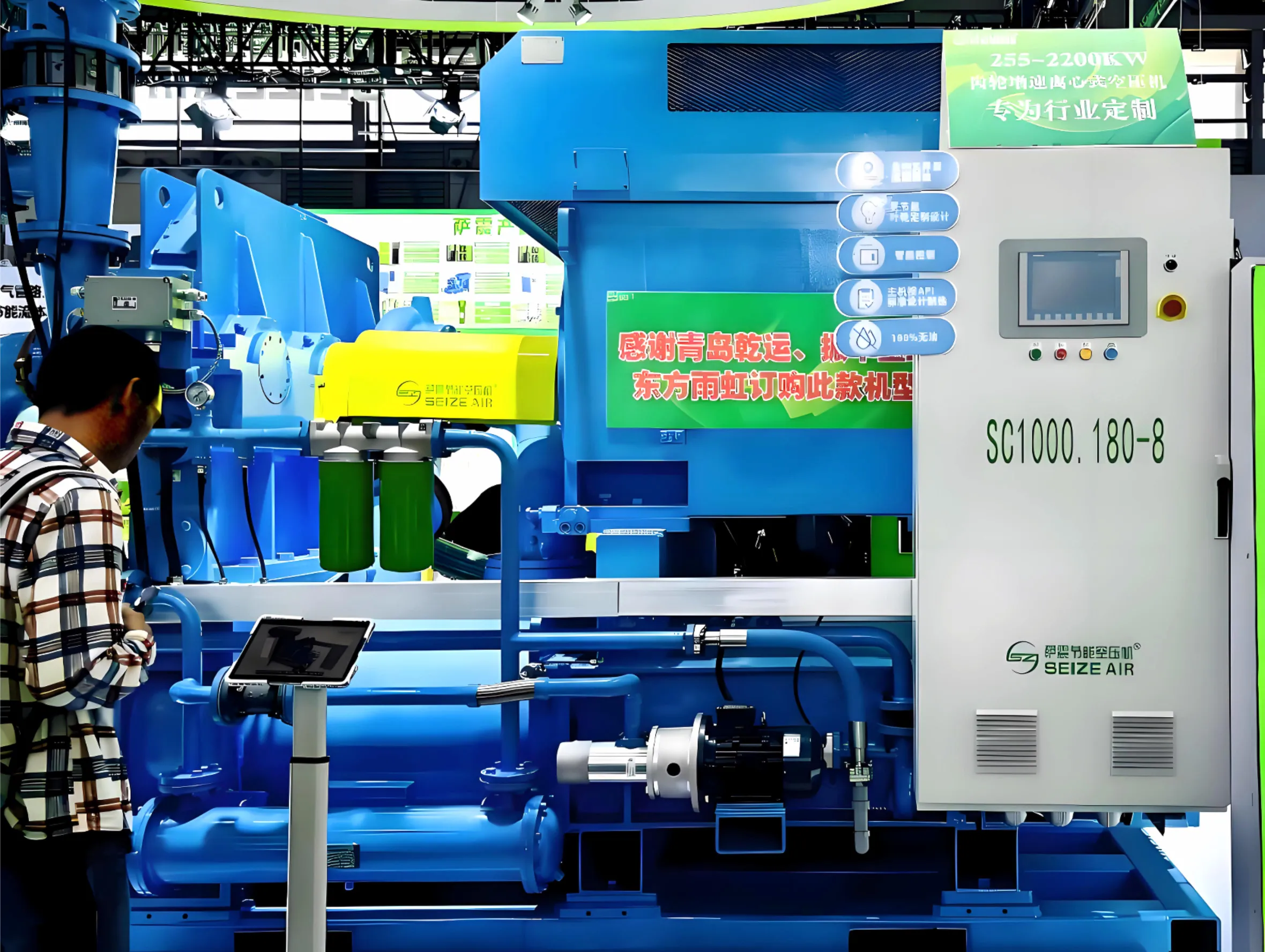 Centrifugal vs. Reciprocating Air Compressors: Why Centrifugal Wins for Industrial Applications
 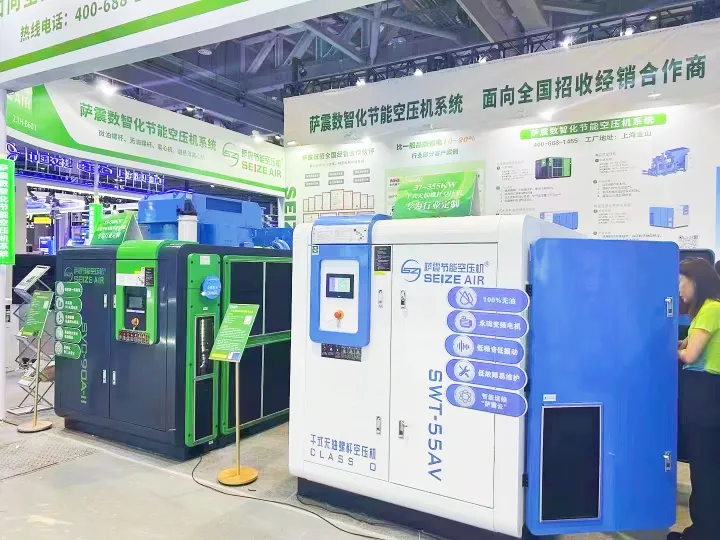 How to Calculate Air Compressor Specific Energy Consumption (SEC) for Energy Savings: A Guide for Southeast Asia, Middle East, and Europe
  Single-Stage vs. Two-Stage Compression: Which Is Right for Your Needs?
 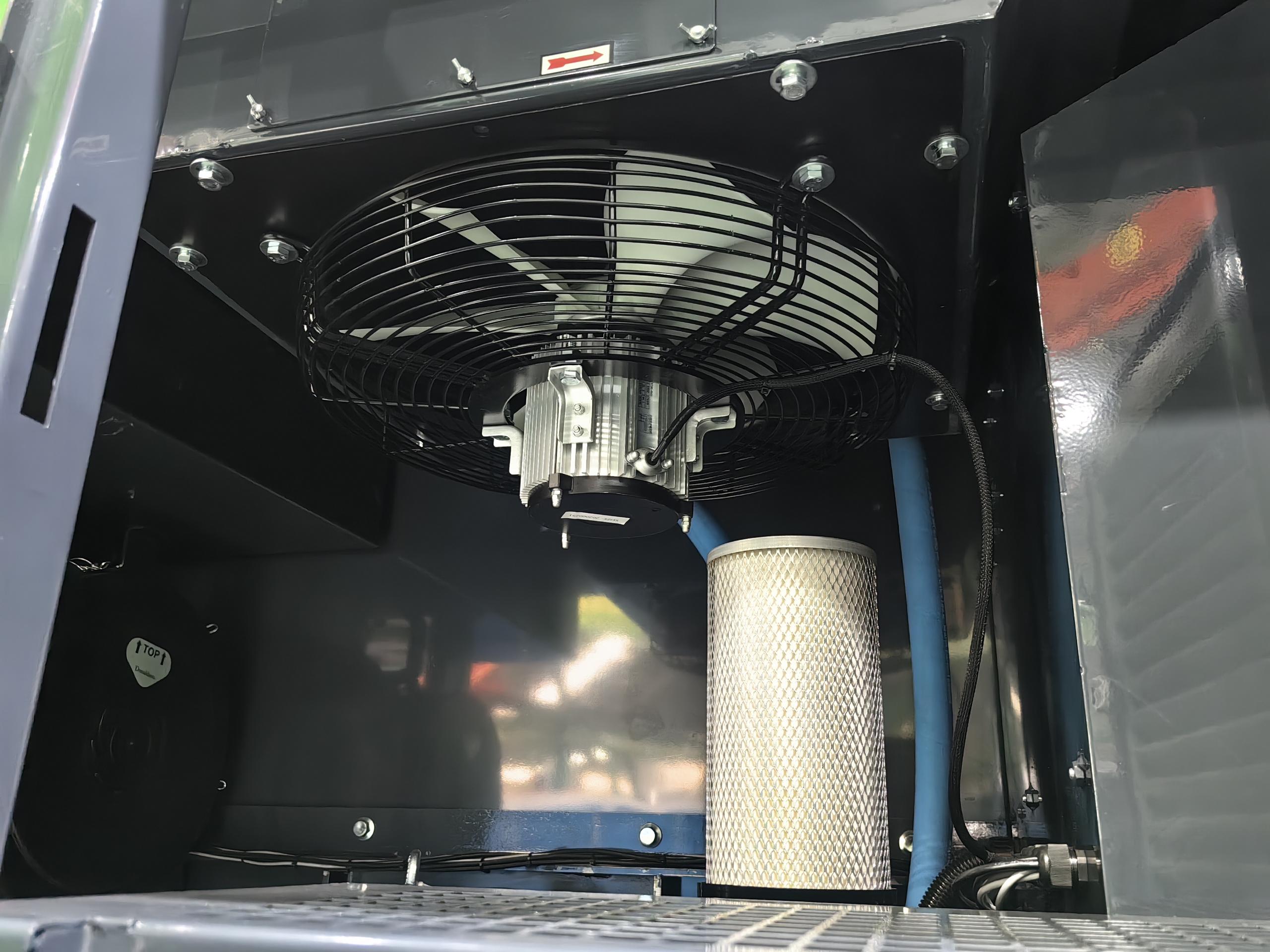 Maximize Your Savings: The Long-Term Cost Advantages of SEIZEAIR's Energy-Efficient Air Compressors
 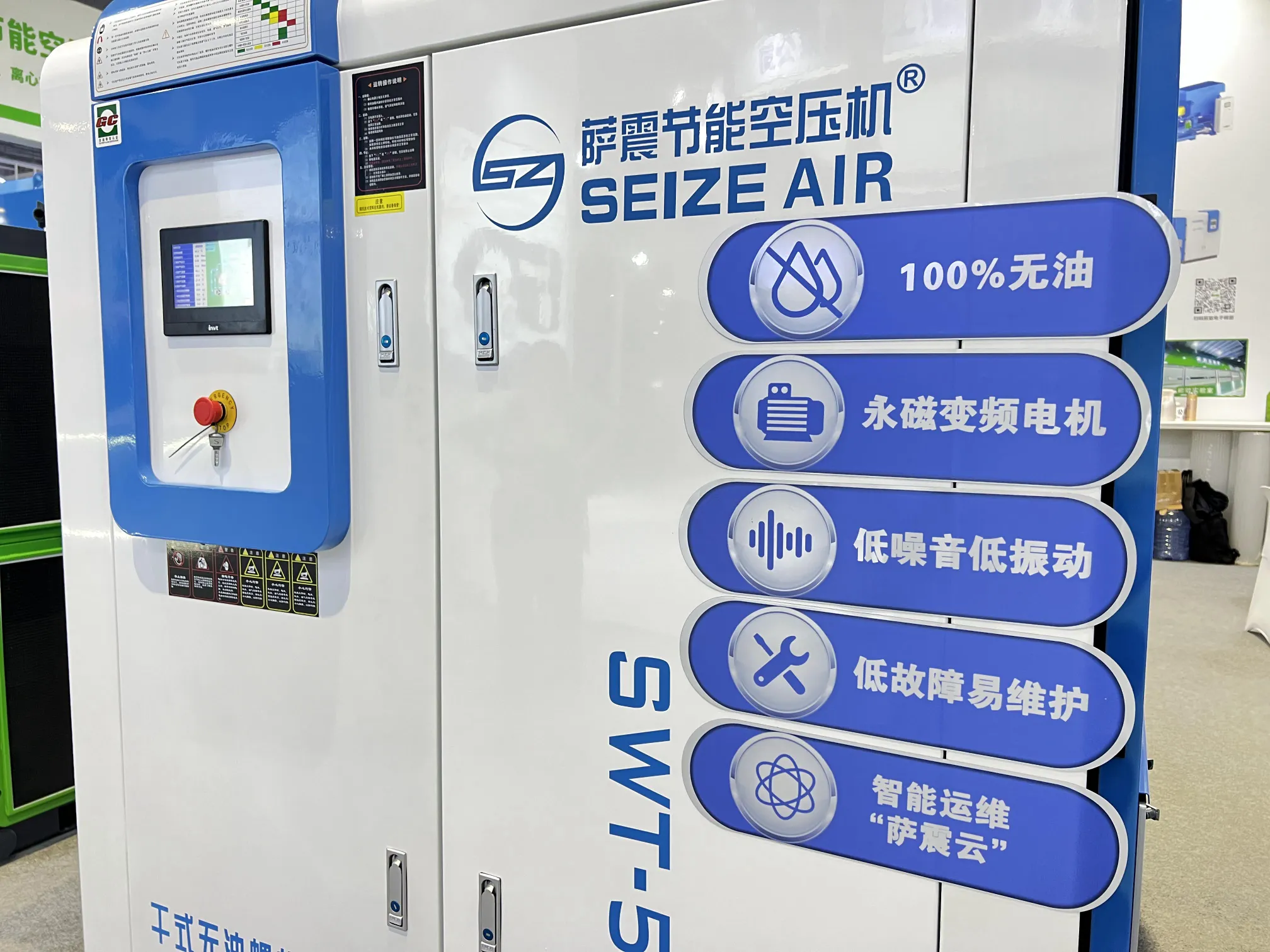 Energy Efficiency of Screw Compressors in Industrial Applications: Maximizing Savings and Sustainability
 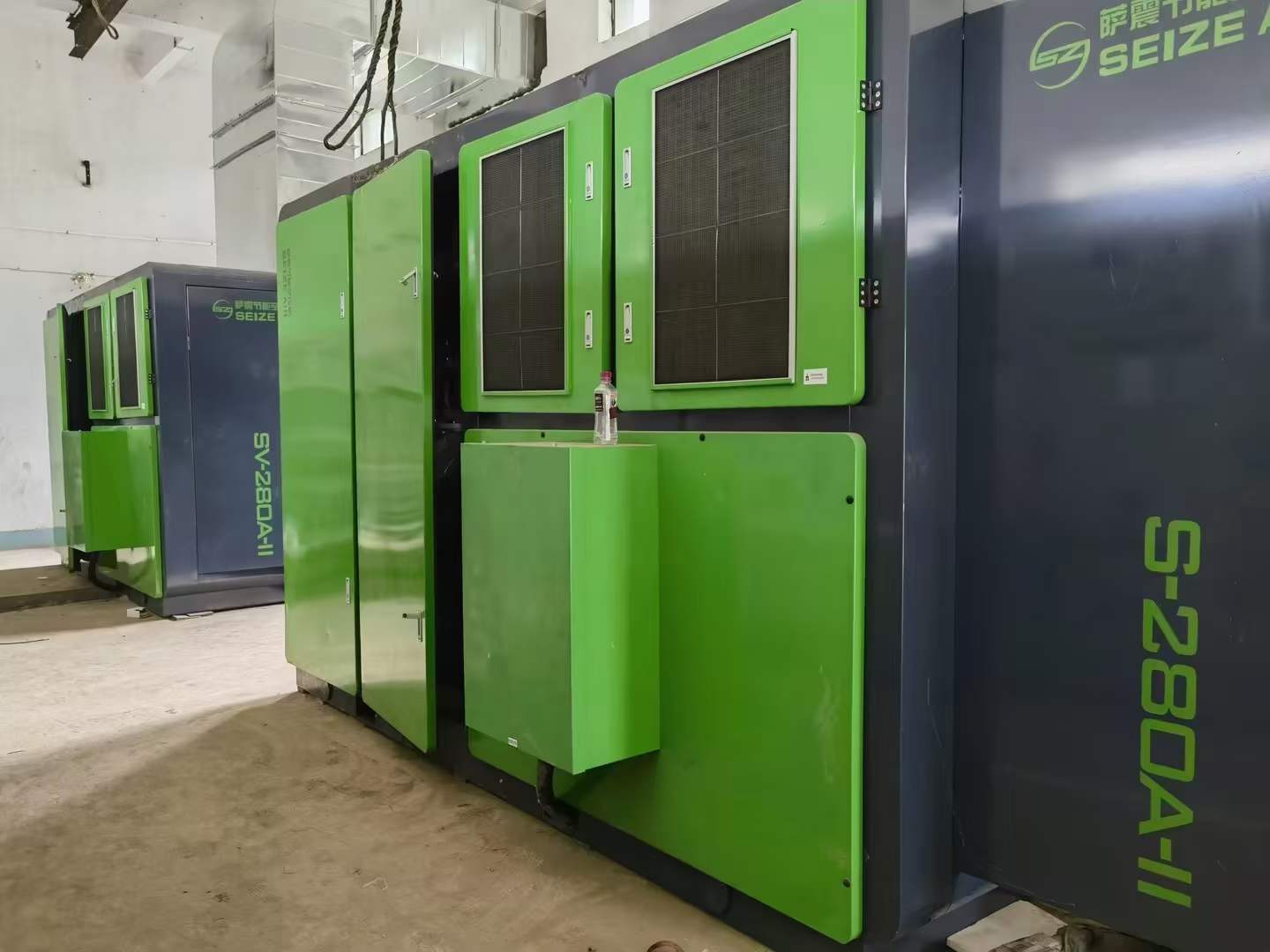 Piston vs. Screw Air Compressors: 5 Key Reasons to Choose Rotary Screw Technology
 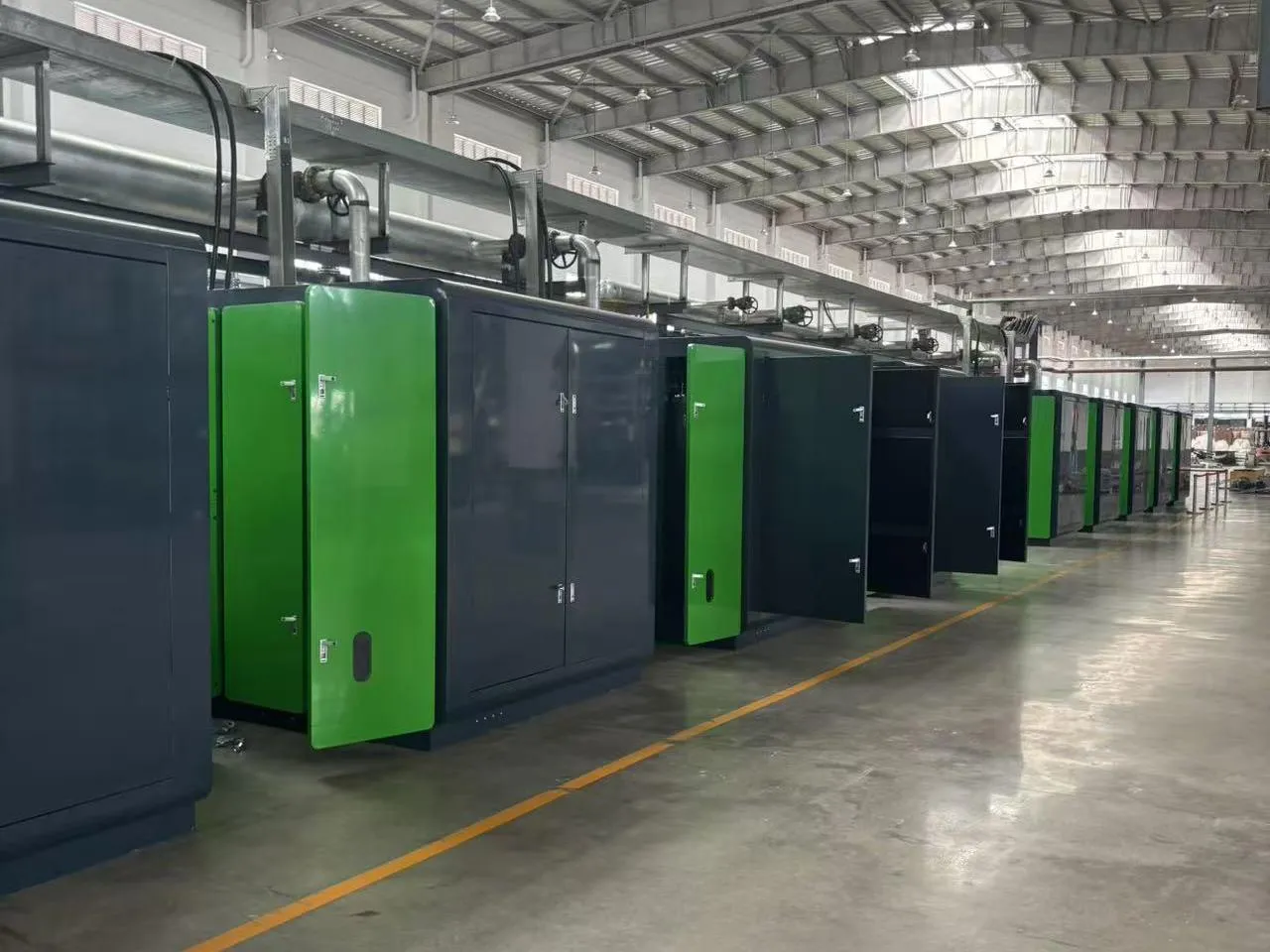 How Factories Slash Energy Costs with Energy-Efficient Air Compressors
 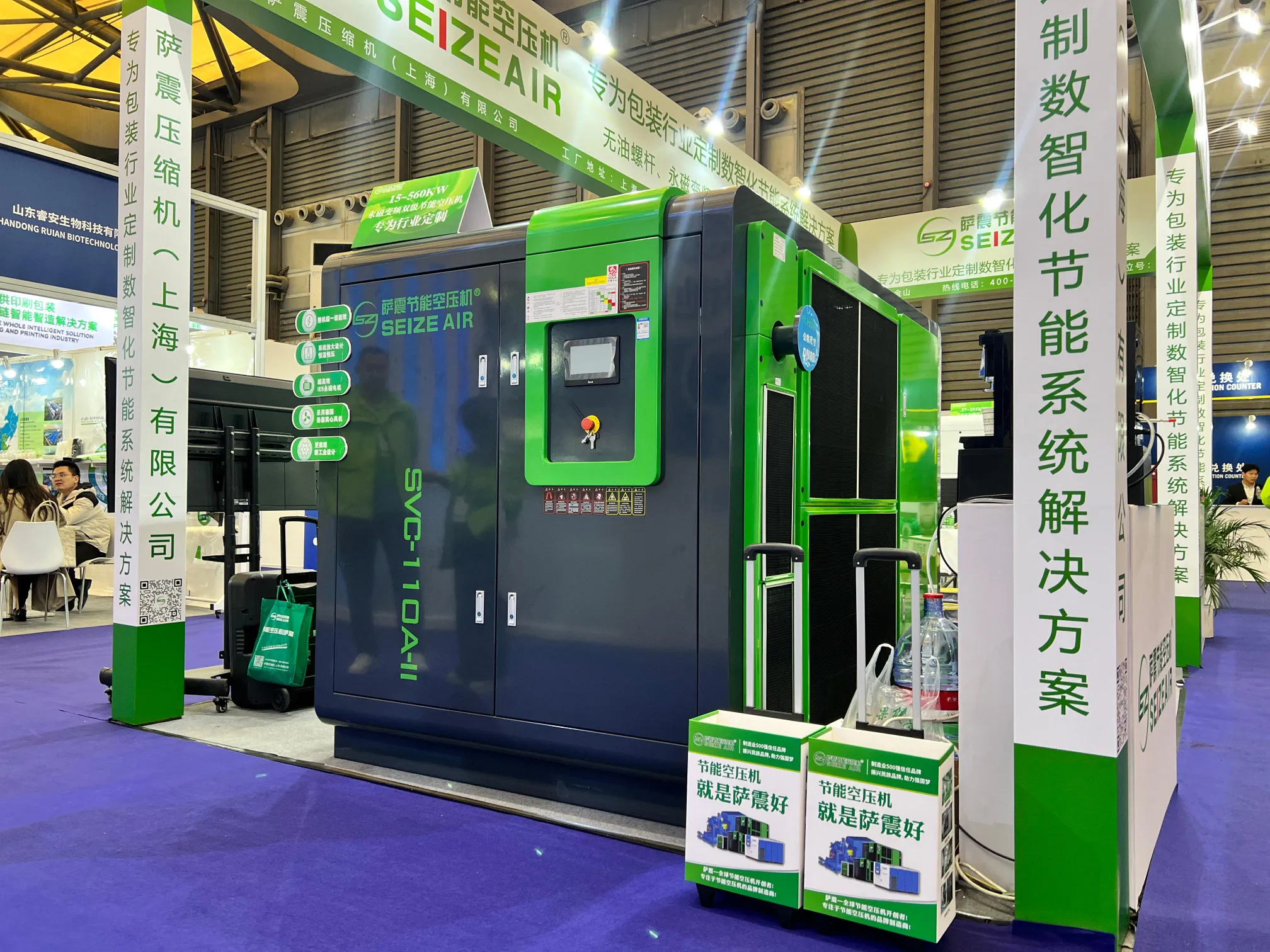 Why Piston Air Compressors Are Being Phased Out: A Consumer Perspective
 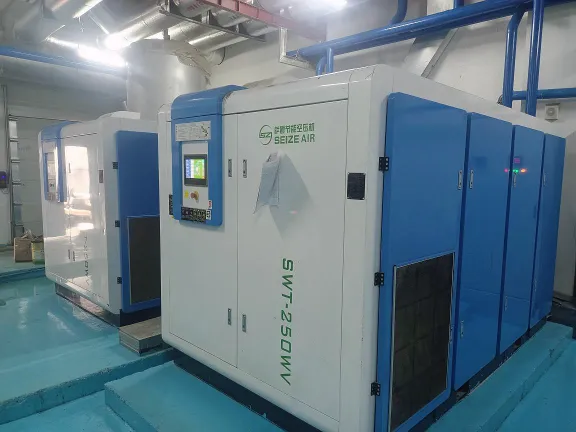 Permanent Magnet vs. Traditional Compressors: Which Saves More Money Long-Term?
  Technical Insights and Maintenance Tips for Water-Lubricated Compressors
 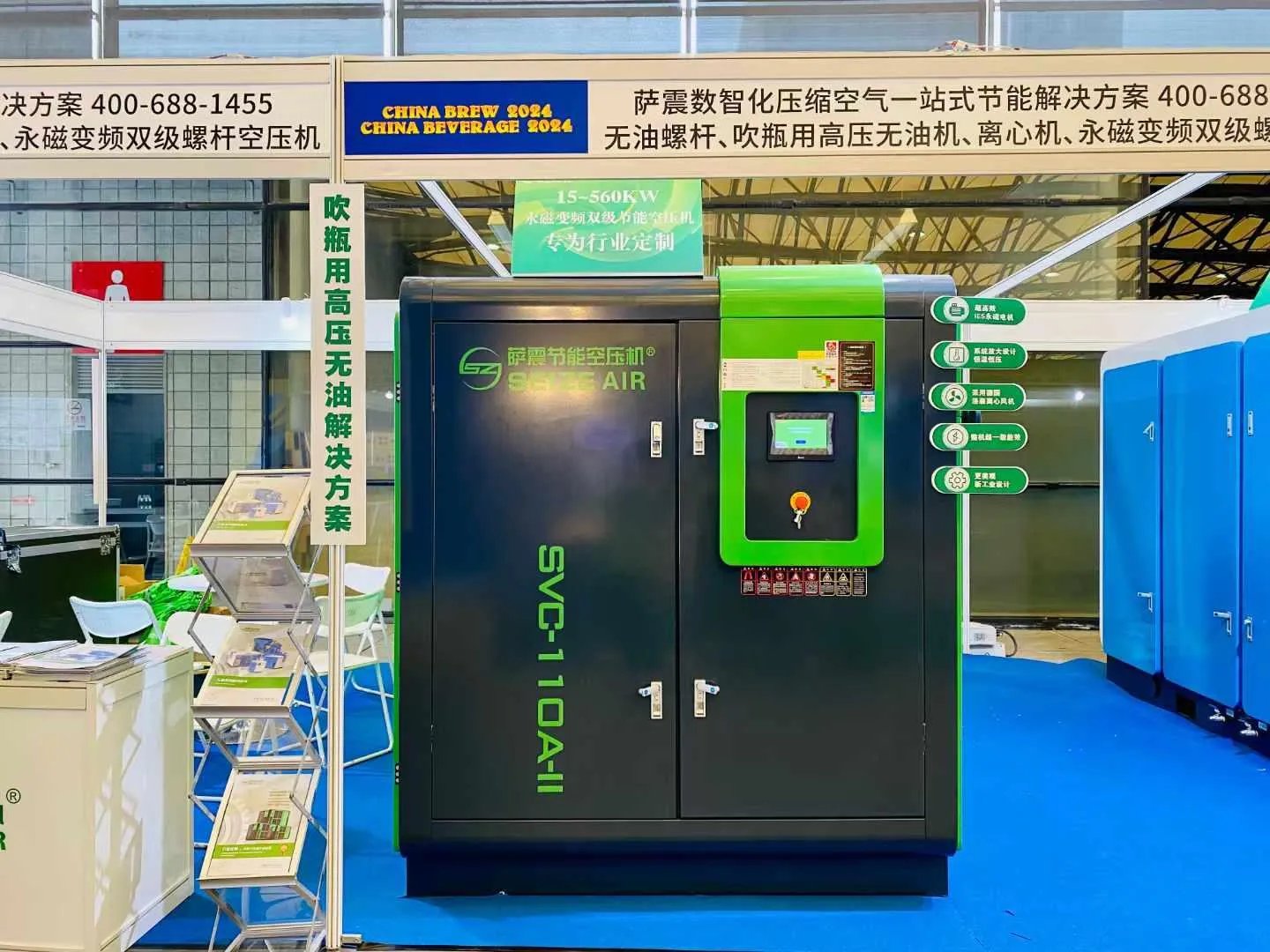 Why Oil-Free Screw Compressors Are the Future of Industrial Efficiency
 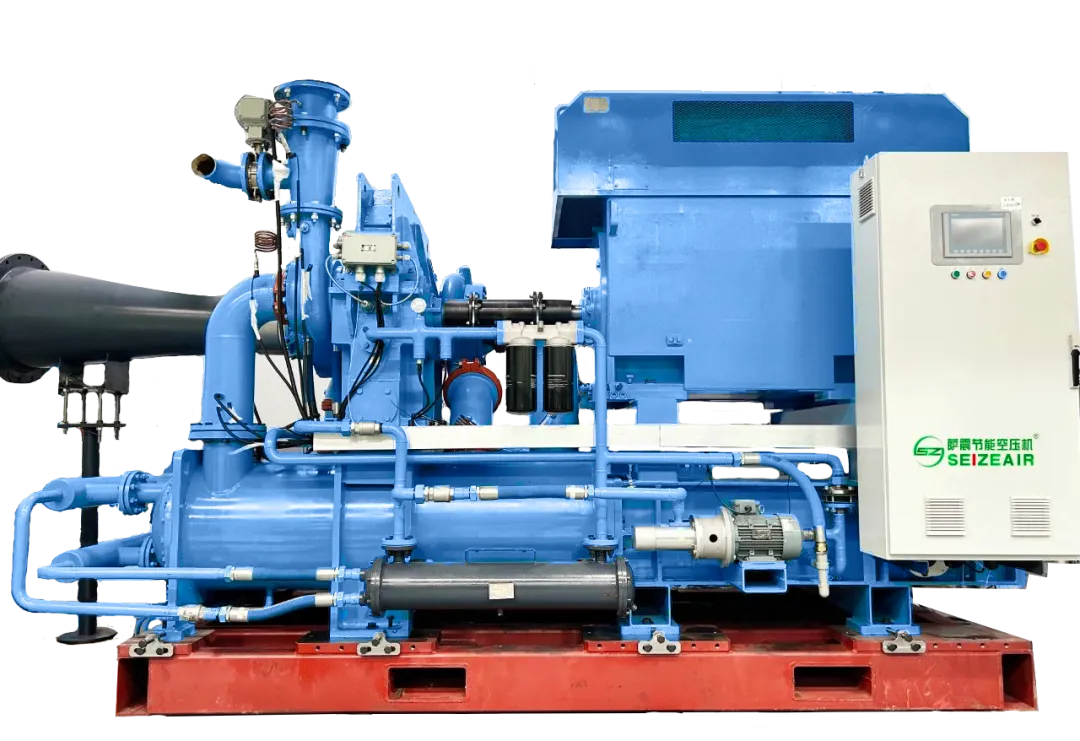 Industrial Air Compressor Solutions: Advanced Screw & Centrifugal Systems for Maximum ROI
 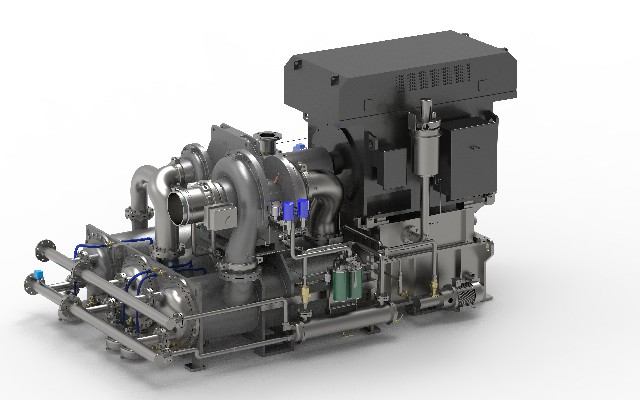 Energy-Efficient Compressors for Industrial Applications: Two-Stage Screw vs. Centrifugal Solutions
  Energy-Efficient Air Compressors Manufacturer in China | [Your Company Name] – Powering Sustainability Worldwide