
Compressed Air Station Energy Savings: How to Calculate Efficiency Ratings and Reduce Costs
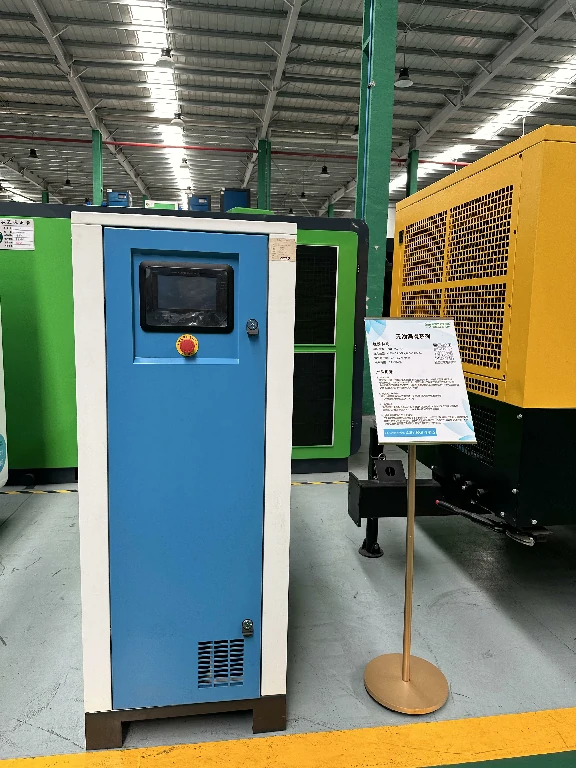
Why Energy Efficiency Matters for Compressed Air Systems
Compressed air systems account for 10–30% of industrial electricity consumption (U.S. Department of Energy), making them a prime target for cost-saving upgrades. Poorly maintained systems waste energy through leaks, over-pressurization, and outdated equipment. By optimizing efficiency, facilities can cut energy bills by 20–50% while meeting sustainability goals.
4 Key Strategies for Energy Savings in Compressed Air Stations
-
Fix Air Leaks Promptly
A single 3mm leak can waste \$8,000+ annually in energy costs. Use ultrasonic detectors to identify and repair leaks systematically. -
Right-Size Your Compressor
Oversized compressors cycle inefficiently. Match compressor capacity to demand using variable speed drives (VSDs) for fluctuating loads. -
Optimize Pressure Settings
Every 15 psi reduction lowers energy use by 1%. Install pressure regulators and use staged pressure zones for equipment. -
Recover Waste Heat
Up to 94% of compressor energy converts to heat. Redirect this energy to preheat water or workspace heating.
How to Calculate Energy Efficiency Ratings for Compressed Air Systems
The Specific Power (kW/100 CFM) metric quantifies efficiency. Follow ISO 11011 standards for accurate assessment:
Formula:
Specific Power=Compressor Input Power (kW)Actual Airflow (CFM)×100Specific Power=Actual Airflow (CFM)Compressor Input Power (kW)×100
Steps:
- Measure total power consumption (kW) over 24 hours.
- Calculate actual airflow using a flow meter.
- Compare results to benchmark values:
- Good Efficiency: <18 kW/100 CFM
- Poor Efficiency: >25 kW/100 CFM
Energy Efficiency Ratings: What Do They Mean?
Certifications like ISO 50001 and ENERGY STAR® validate system performance. Key classifications:
- Class 0 (Most Efficient): VSD compressors with heat recovery.
- Class 4 (Baseline): Fixed-speed compressors without optimization.
Upgrading from Class 4 to Class 0 can reduce energy use by 35%+.
5 Steps to Implement an Energy-Saving Plan
- Conduct an energy audit with leak detection and demand profiling.
- Prioritize fixes (leaks first, then equipment upgrades).
- Install monitoring systems for real-time data.
- Train staff on efficient operation practices.
- Schedule annual maintenance checks.
Conclusion
Optimizing compressed air station efficiency isn’t just about cutting costs—it’s a competitive advantage. By calculating your system’s energy efficiency rating and implementing targeted upgrades, facilities can achieve ROI in 12–24 months while reducing carbon footprints.
 Seize Oil-Free Screw Blowers: The Ultimate Energy-Efficient Air Compressor Solution for Industry 4.0
 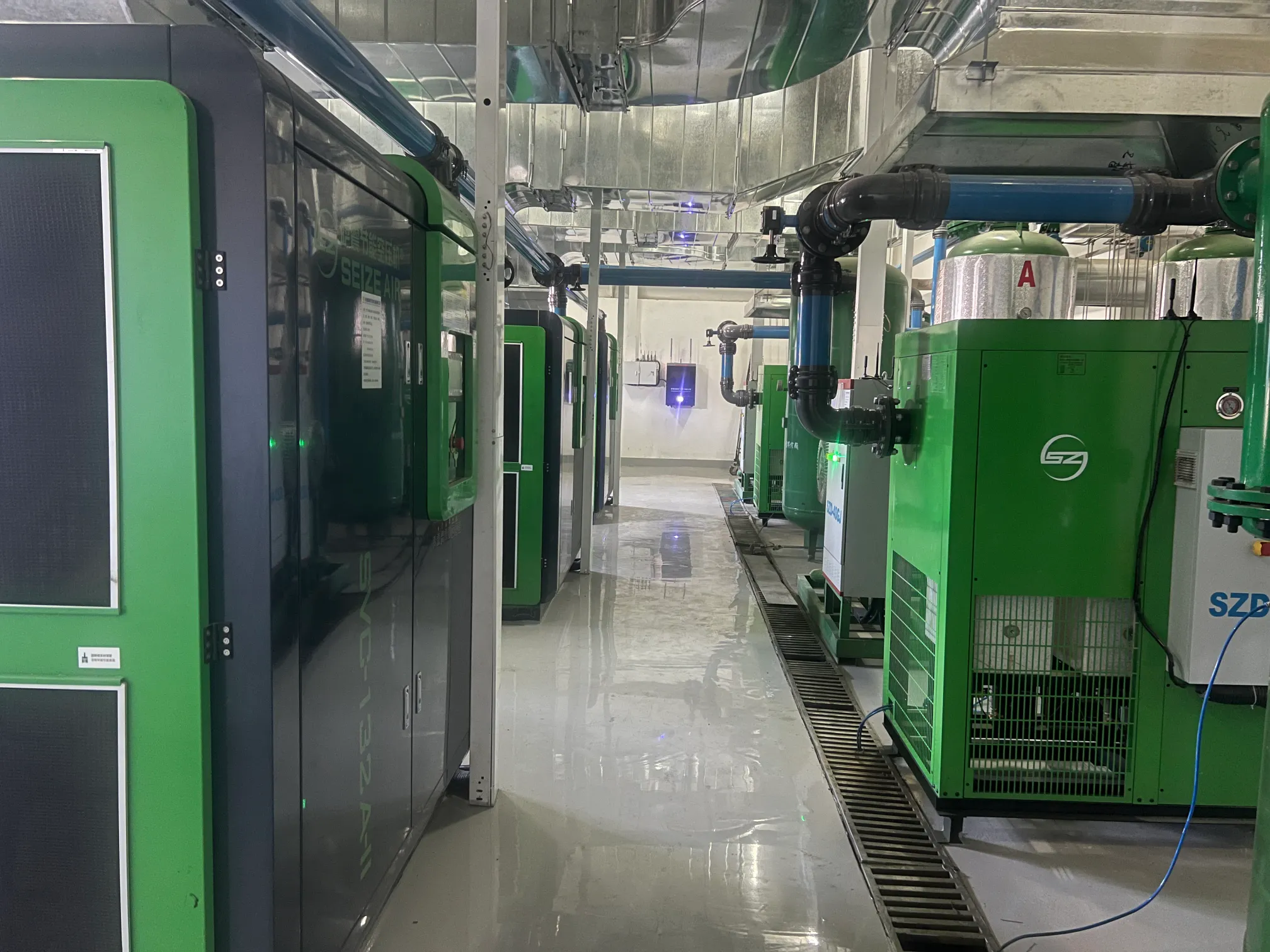 Maximize Energy Efficiency with Heat Recovery Systems for Energy-Saving Air Compressors
 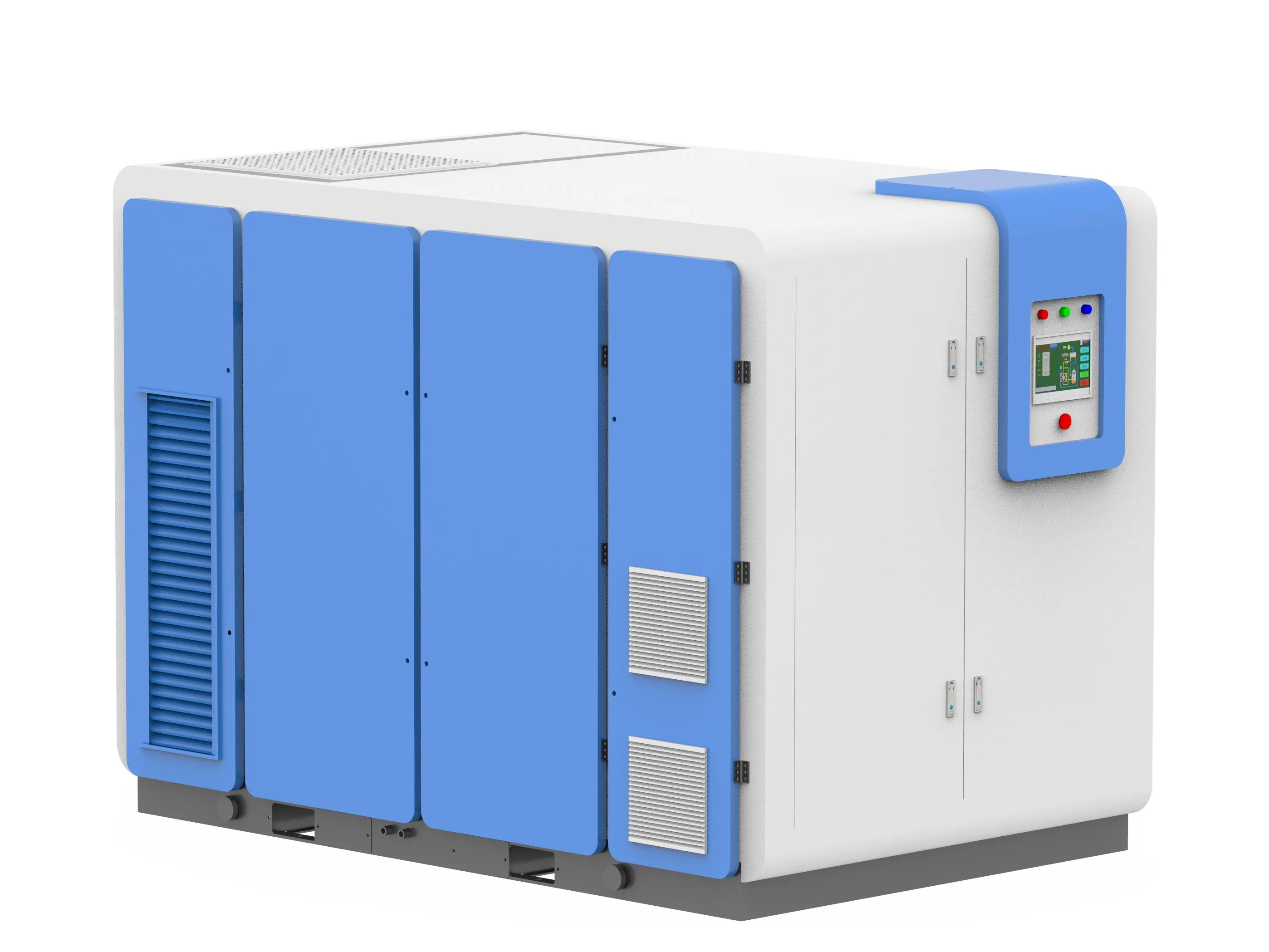 Top 7 Advantages of Centrifugal Blowers for Industrial Applications
 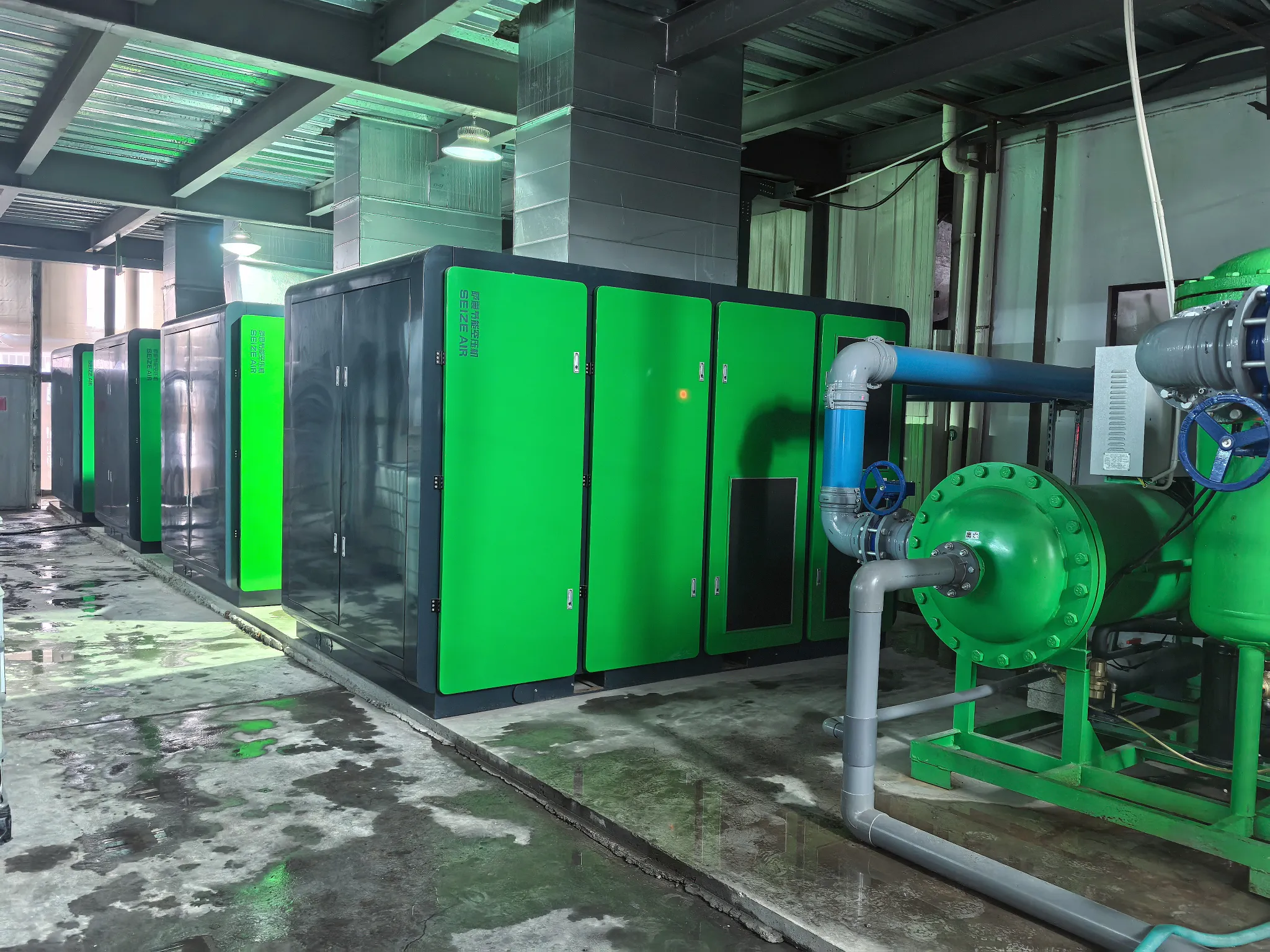 The Revolutionary Benefits of Permanent Magnet Variable Frequency Air Compressors: A Game-Changer for Modern Industries
 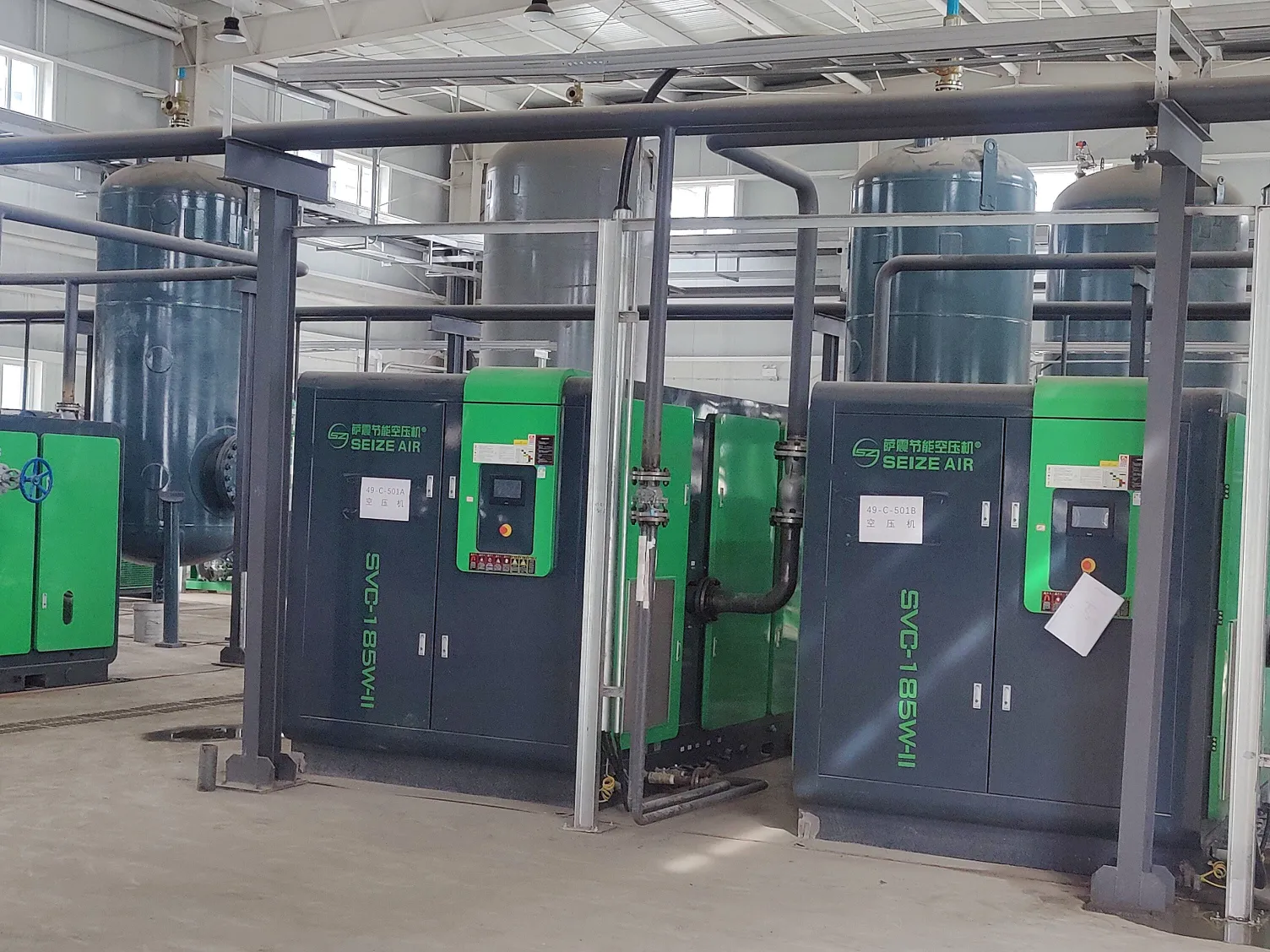 Variable Speed vs. Fixed Speed Air Compressors: Key Differences, Pros & Cons
 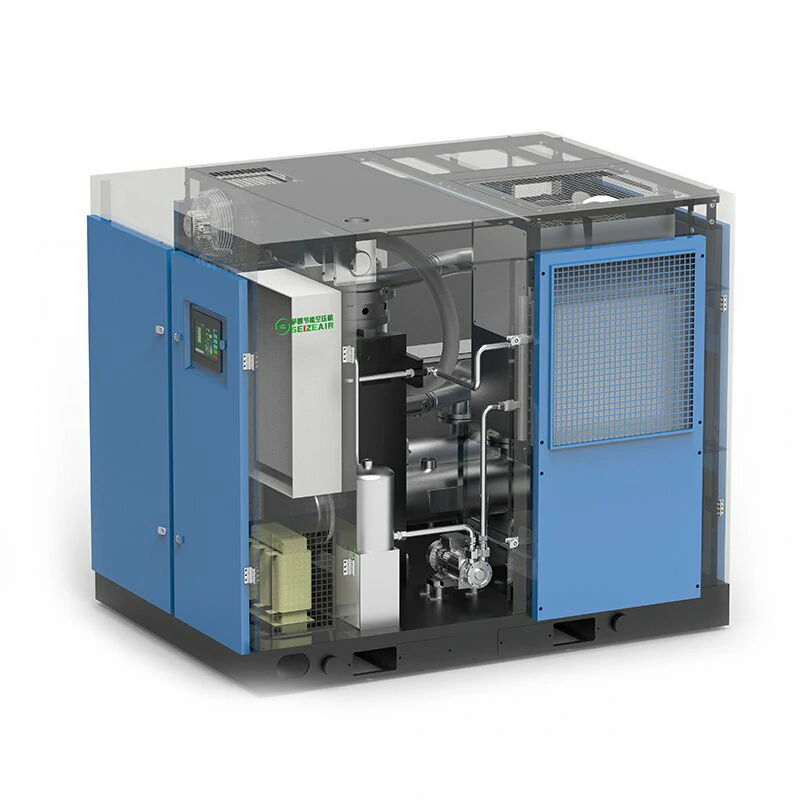 How to Choose Between Dry and Water-Lubricated Oil-Free Screw Compressors: A Comprehensive Comparison
 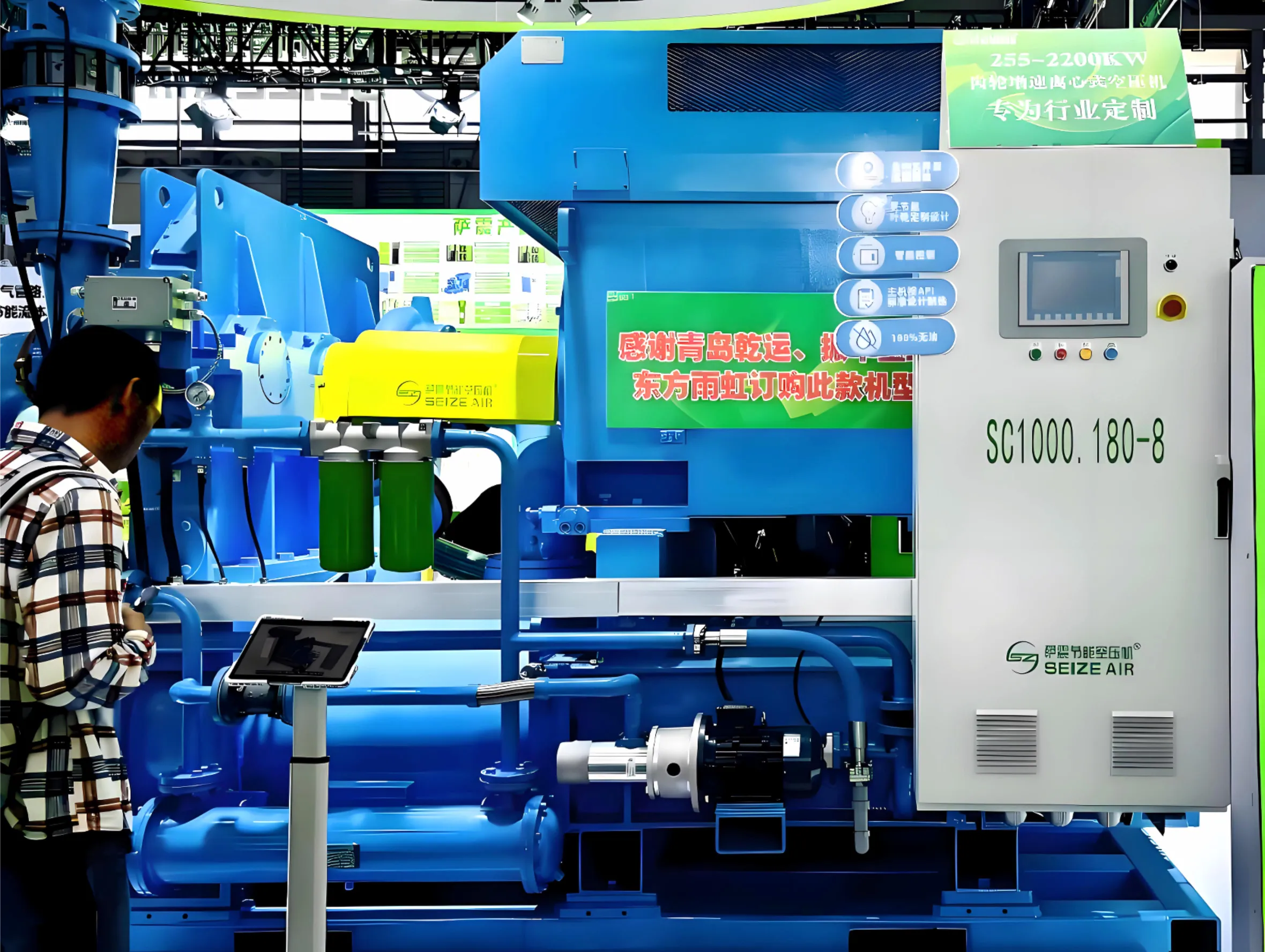 Centrifugal vs. Reciprocating Air Compressors: Why Centrifugal Wins for Industrial Applications
 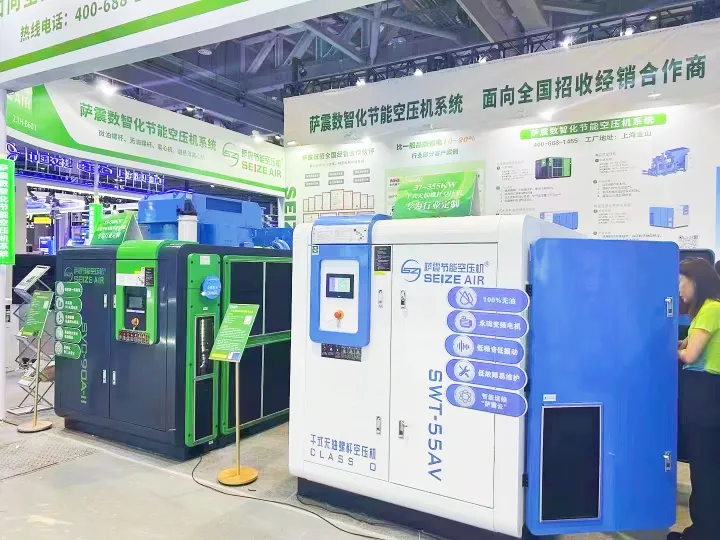 How to Calculate Air Compressor Specific Energy Consumption (SEC) for Energy Savings: A Guide for Southeast Asia, Middle East, and Europe
  Single-Stage vs. Two-Stage Compression: Which Is Right for Your Needs?
 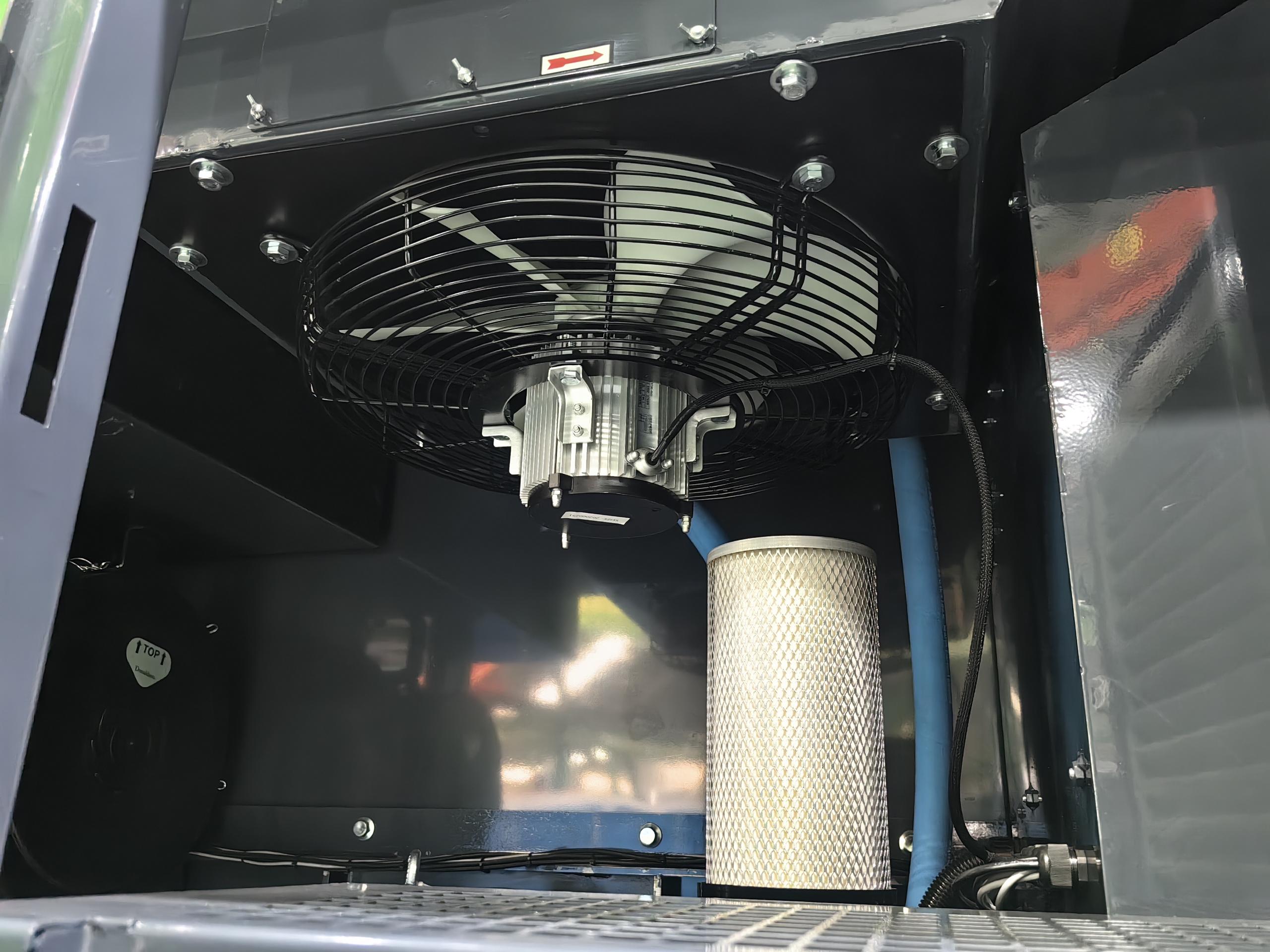 Maximize Your Savings: The Long-Term Cost Advantages of SEIZEAIR's Energy-Efficient Air Compressors
 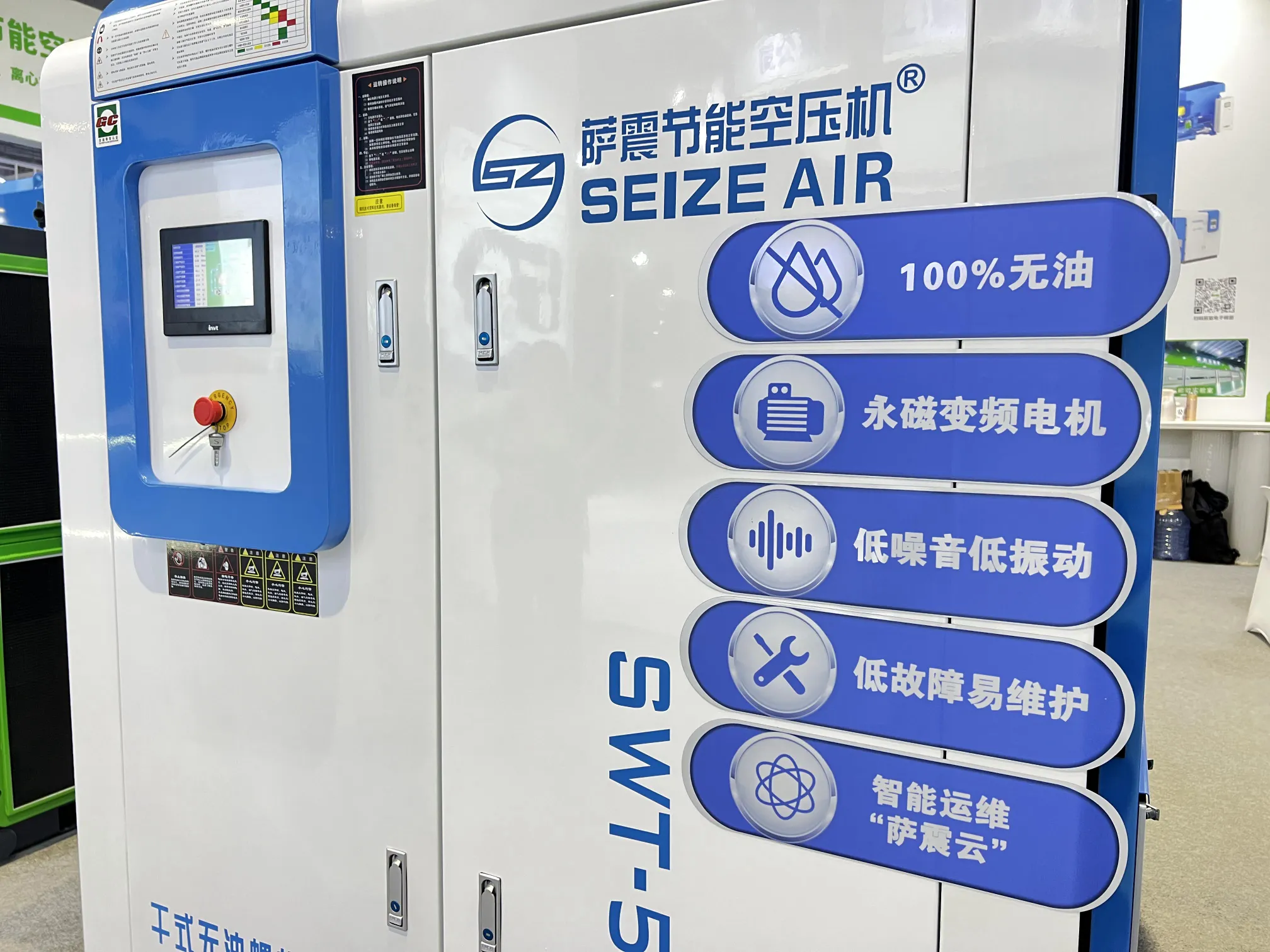 Energy Efficiency of Screw Compressors in Industrial Applications: Maximizing Savings and Sustainability
 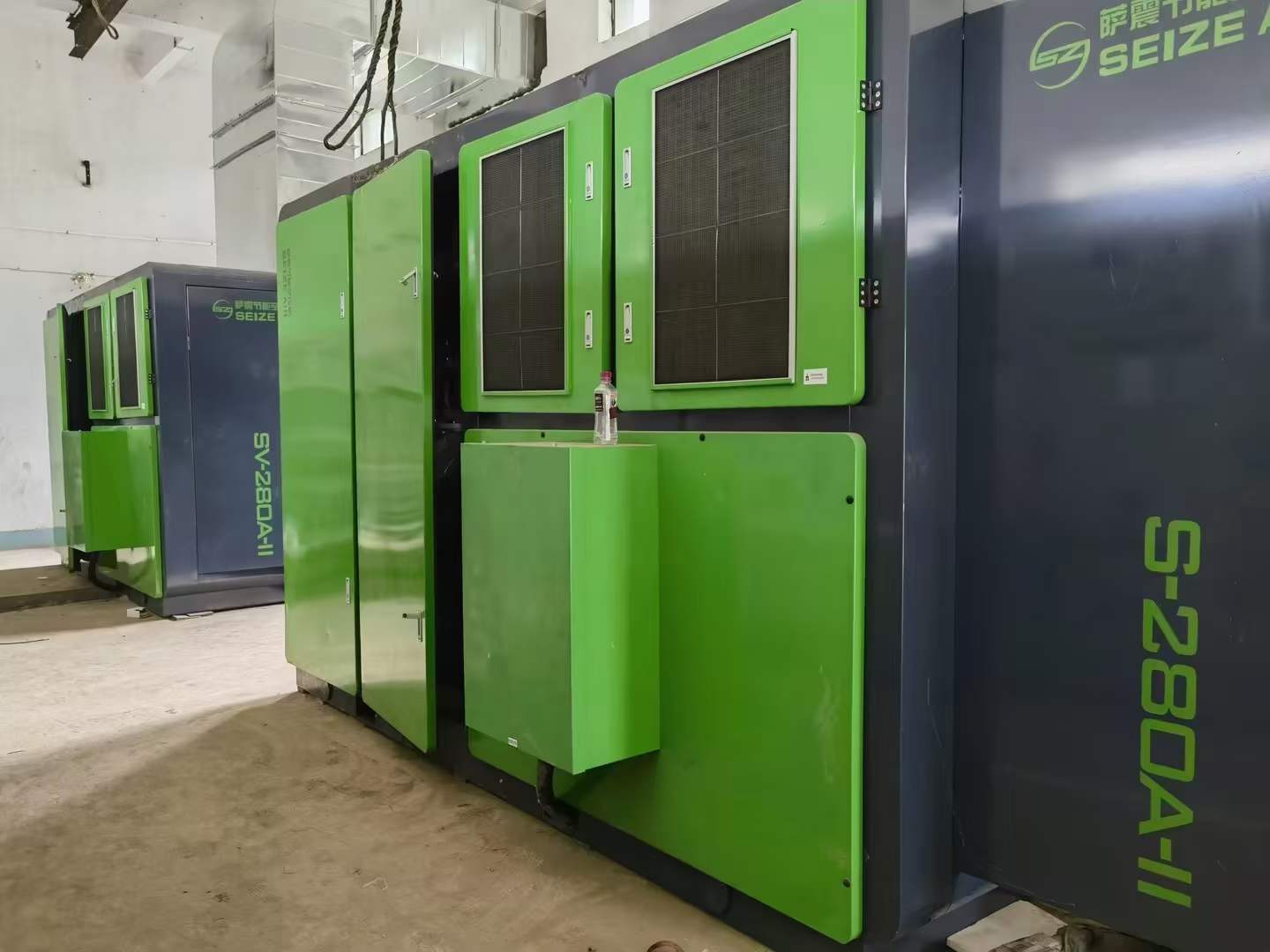 Piston vs. Screw Air Compressors: 5 Key Reasons to Choose Rotary Screw Technology
 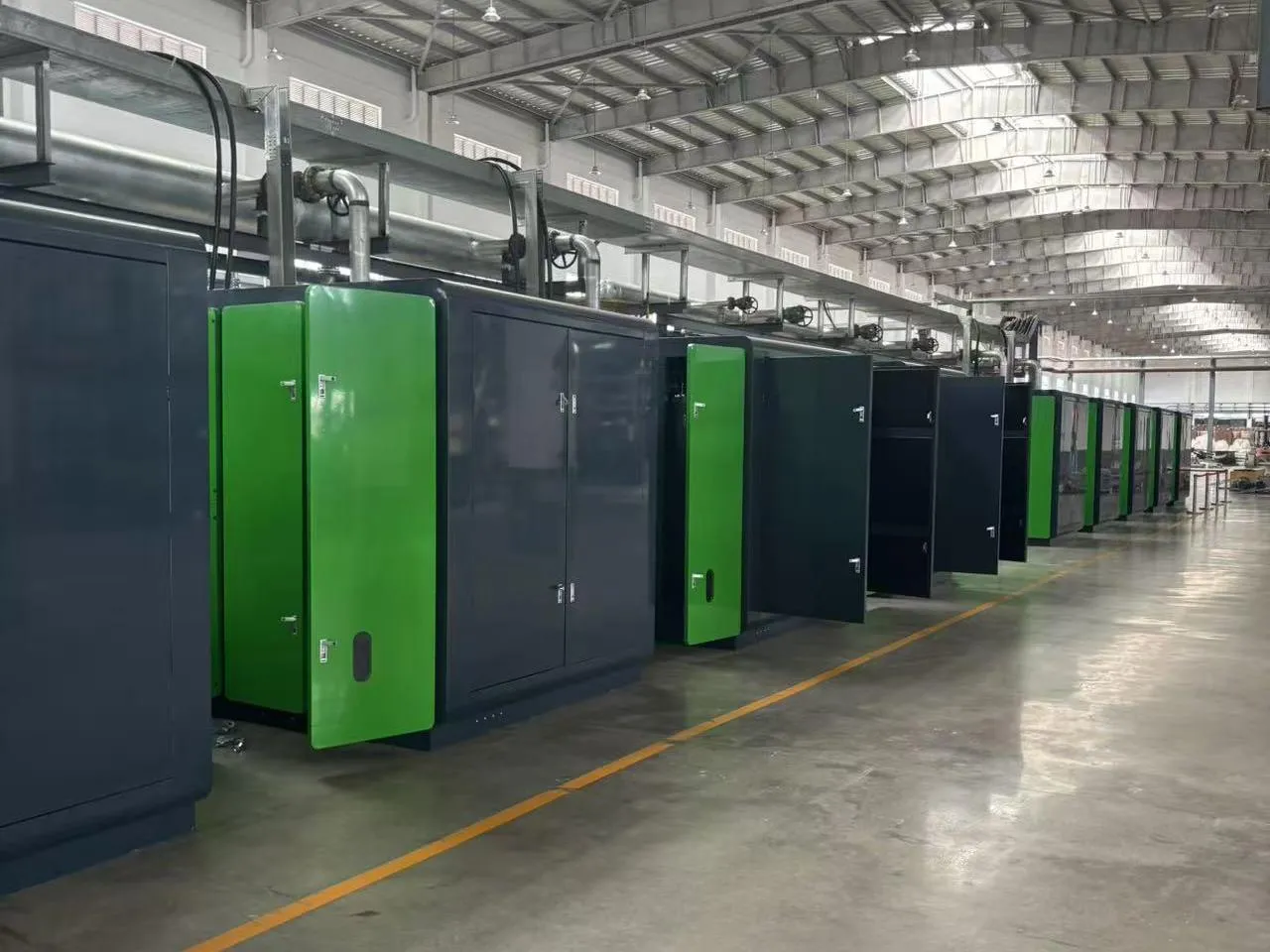 How Factories Slash Energy Costs with Energy-Efficient Air Compressors
  Why Piston Air Compressors Are Being Phased Out: A Consumer Perspective
  Permanent Magnet vs. Traditional Compressors: Which Saves More Money Long-Term?
  Technical Insights and Maintenance Tips for Water-Lubricated Compressors
  Why Oil-Free Screw Compressors Are the Future of Industrial Efficiency
  Industrial Air Compressor Solutions: Advanced Screw & Centrifugal Systems for Maximum ROI
 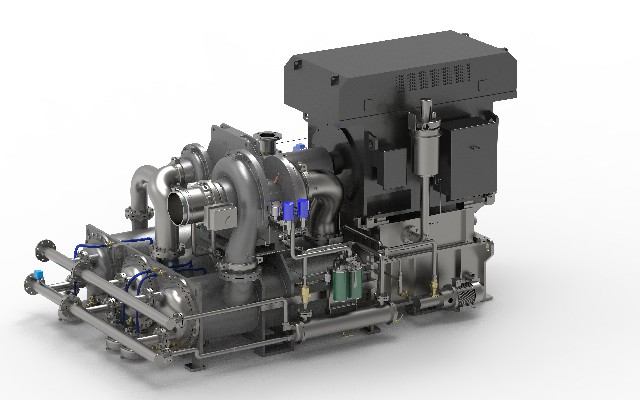 Energy-Efficient Compressors for Industrial Applications: Two-Stage Screw vs. Centrifugal Solutions
 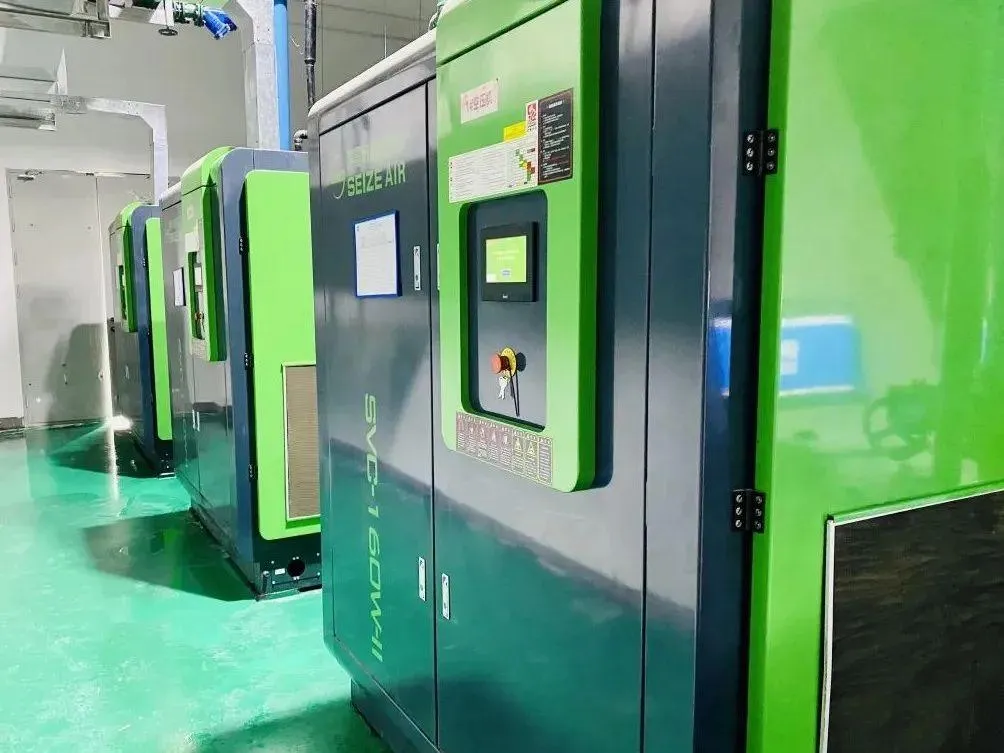 Energy-Efficient Air Compressors Manufacturer in China | [Your Company Name] – Powering Sustainability Worldwide