
Causes of High Moisture Content in Compressed Air and Solutions
2024-11-04
In industrial production, compressed air serves as a crucial power source and process medium, directly influencing equipment efficiency, product quality, and overall production safety. However, many enterprises encounter issues with high moisture content in compressed air, which can adversely affect production efficiency and potentially damage equipment.
1. High Humidity of External Air
The moisture in compressed air primarily comes from the external environment. When the external humidity is high, the air drawn into the compressor contains more water vapor. This is especially prevalent in humid seasons or regions, where the water vapor content in the air increases significantly. Even with a well-functioning compressor, it can be challenging to eliminate moisture from the compressed air under such conditions.
Solutions:
Install Dehumidification Equipment: Place dehumidifiers or dryers at the compressor inlet to reduce the humidity of the incoming air.
Improve Facility Environment: Ensure good ventilation in the compressor room to lower humidity levels, which helps decrease moisture in the compressed air.
2. Heat Generated by the Compressor
Compressors generate substantial heat during operation, which can cause water vapor in the air to evaporate, thereby increasing moisture levels in the compressed air. In high-temperature environments, compressor efficiency declines, leading to even more heat production and exacerbating moisture issues.
Solutions:
Enhance Cooling Systems: Improve the efficiency of the compressor's cooling system to reduce water vapor generation and effectively condense moisture.
Select High-Efficiency Compressors: Opt for compressors with higher energy efficiency and lower heat output to minimize heat generation.
Optimize Operating Environment: Maintain an appropriate operating temperature for the compressor to avoid prolonged use in high-temperature settings.
3. Ineffective Cooling System
A well-functioning cooling system is essential for cooling compressed air. If the cooling system is ineffective, it cannot adequately condense and separate water vapor, resulting in increased moisture levels. Common issues include clogged coolers, insufficient cooling media, or incorrect temperature settings.
Solutions:
Regularly Clean Coolers: Keep coolers free of dirt and debris through regular cleaning to ensure optimal airflow and cooling.
Check Cooling Media: Ensure that cooling media is sufficient and clean to maintain effective cooling performance.
Adjust Temperature Settings: Modify the cooling system's temperature settings based on actual requirements to ensure effective cooling of compressed air.

4. Inadequate Drainage System
Compressors are typically equipped with drainage systems to remove moisture from compressed air. However, if the drainage system is inadequate or malfunctioning, it may fail to effectively remove moisture, leading to increased moisture levels. Problems may arise from clogged drainage valves, blocked drainage pipes, or insufficient drainage frequency.
Solutions:
Regular Maintenance of Drainage Systems: Periodically inspect and clean drainage valves and pipes to ensure they remain unobstructed.
Optimize Drainage Frequency: Adjust the frequency and timing of drainage operations based on humidity levels and compressor performance to ensure timely moisture removal.
Install Automatic Drains: Use automatic drain valves in critical areas such as compressors and air tanks to facilitate automatic moisture removal, reducing the need for manual operations.
5. Malfunctioning or Missing Drying Equipment
Drying equipment is crucial for reducing moisture content in compressed air systems. If drying equipment is faulty or not installed, moisture cannot be effectively removed. Common issues include aging, damage, or inadequate maintenance of drying units.
Solutions:
Choose Quality Drying Equipment: Invest in reliable, high-performance drying equipment to ensure consistent operation.
Conduct Regular Maintenance: Maintain and service drying equipment regularly, including replacing filters and cleaning internal components.
Promptly Replace Faulty Equipment: Immediately address any issues with drying equipment to maintain compressed air quality.
6. Insufficient Post-Treatment Measures
In applications with stringent compressed air quality requirements, relying solely on compressors and drying equipment may not suffice. Additional post-treatment measures are necessary to further purify compressed air. However, if these measures are inadequate, moisture levels may still exceed acceptable limits.
Solutions:
Install Precision Filters: Use precision filters in the compressed air system to remove small particles and moisture.
Implement Adsorption Dryers: Utilize adsorption dryers to remove moisture from compressed air using adsorbents.
Conduct Regular Testing: Periodically assess the compressed air system to ensure the effectiveness and reliability of post-treatment measures.
7. Improper Compressor Use
Beyond the factors mentioned above, improper compressor use can also lead to increased moisture content. This includes neglecting proper drainage procedures or making inappropriate modifications to the compressor.
Solutions:
Provide Training and Education: Offer training for users on proper compressor operation and maintenance to improve awareness and skills.
Follow Operating Guidelines: Users should strictly adhere to operational guidelines to prevent issues related to improper usage.
Avoid Unauthorized Modifications: Users should not modify or adjust compressors without proper authorization to maintain performance and stability.
High moisture content in compressed air is a complex issue influenced by various factors. Addressing this problem requires a comprehensive approach, focusing on external humidity, compressor heat generation, cooling system effectiveness, drainage system performance, drying equipment functionality, and proper usage practices. By implementing these solutions, businesses can effectively reduce moisture levels in compressed air, enhancing air quality and stability for improved production outcomes.
Contact us at://www.eescompressor.com/
WhatsApp:+86 15317057736

 Seize Oil-Free Screw Blowers: The Ultimate Energy-Efficient Air Compressor Solution for Industry 4.0
  Maximize Energy Efficiency with Heat Recovery Systems for Energy-Saving Air Compressors
  Top 7 Advantages of Centrifugal Blowers for Industrial Applications
  The Revolutionary Benefits of Permanent Magnet Variable Frequency Air Compressors: A Game-Changer for Modern Industries
  Variable Speed vs. Fixed Speed Air Compressors: Key Differences, Pros & Cons
  How to Choose Between Dry and Water-Lubricated Oil-Free Screw Compressors: A Comprehensive Comparison
  Centrifugal vs. Reciprocating Air Compressors: Why Centrifugal Wins for Industrial Applications
  How to Calculate Air Compressor Specific Energy Consumption (SEC) for Energy Savings: A Guide for Southeast Asia, Middle East, and Europe
  Single-Stage vs. Two-Stage Compression: Which Is Right for Your Needs?
  Maximize Your Savings: The Long-Term Cost Advantages of SEIZEAIR's Energy-Efficient Air Compressors
 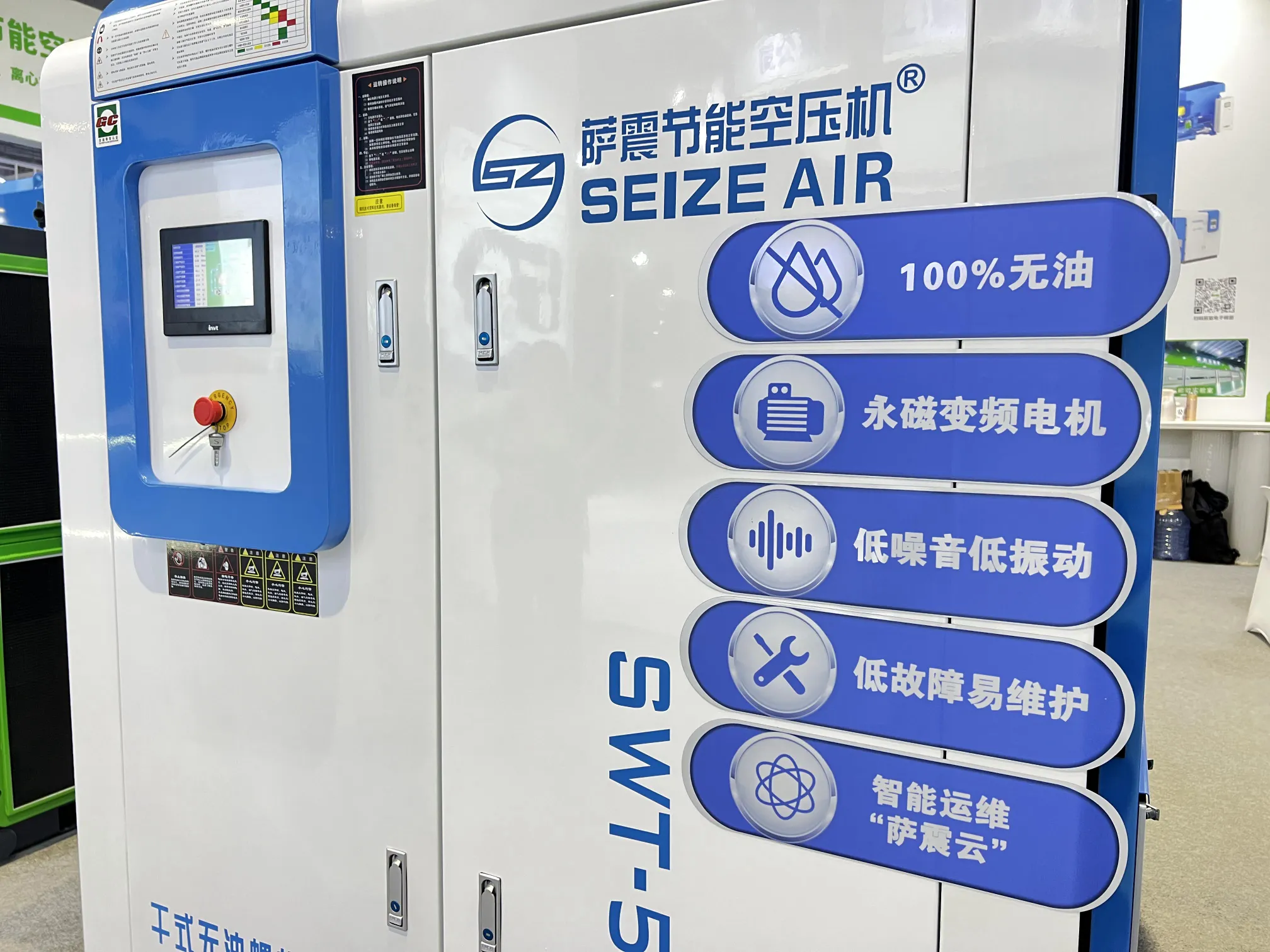 Energy Efficiency of Screw Compressors in Industrial Applications: Maximizing Savings and Sustainability
 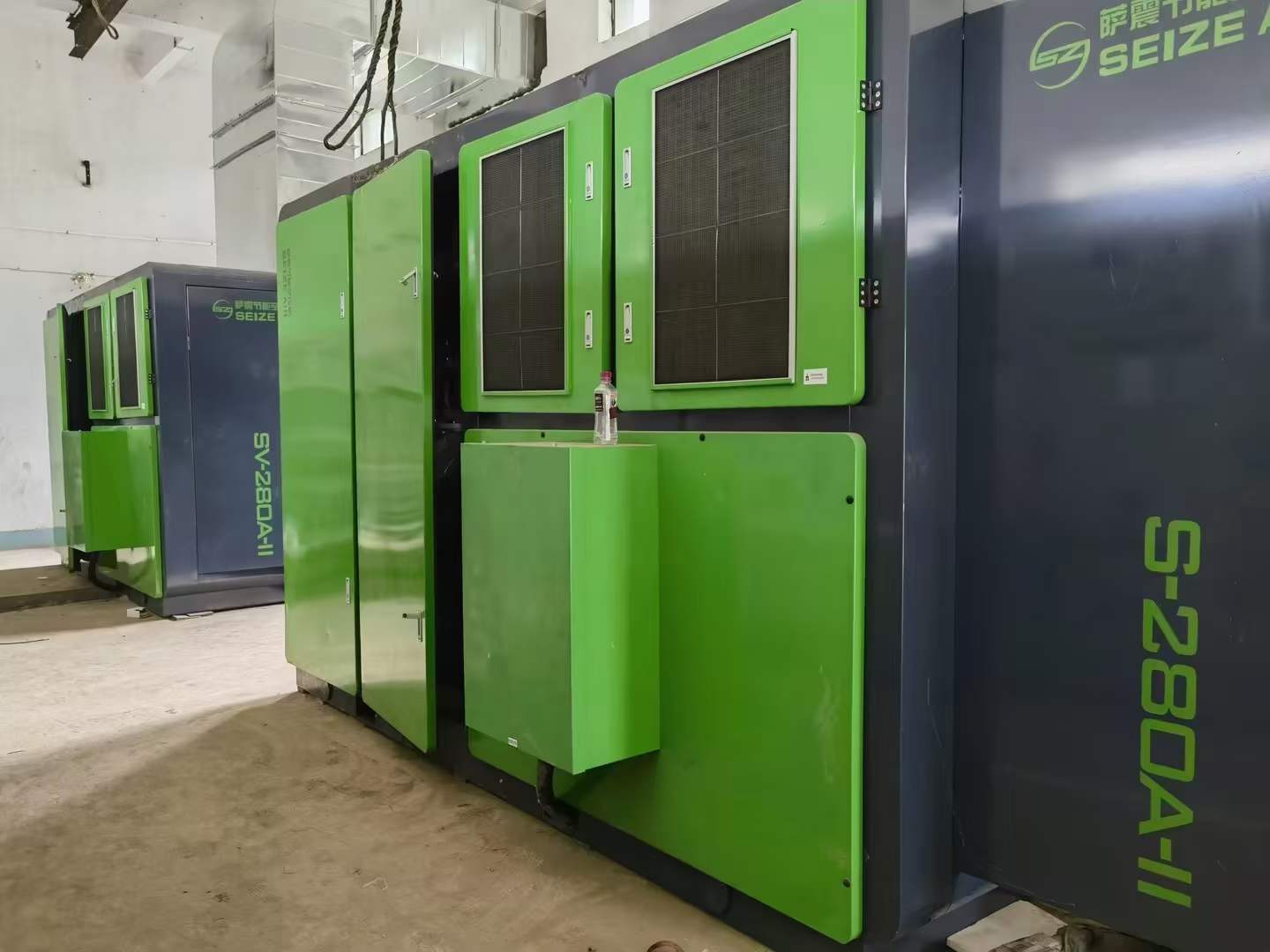 Piston vs. Screw Air Compressors: 5 Key Reasons to Choose Rotary Screw Technology
 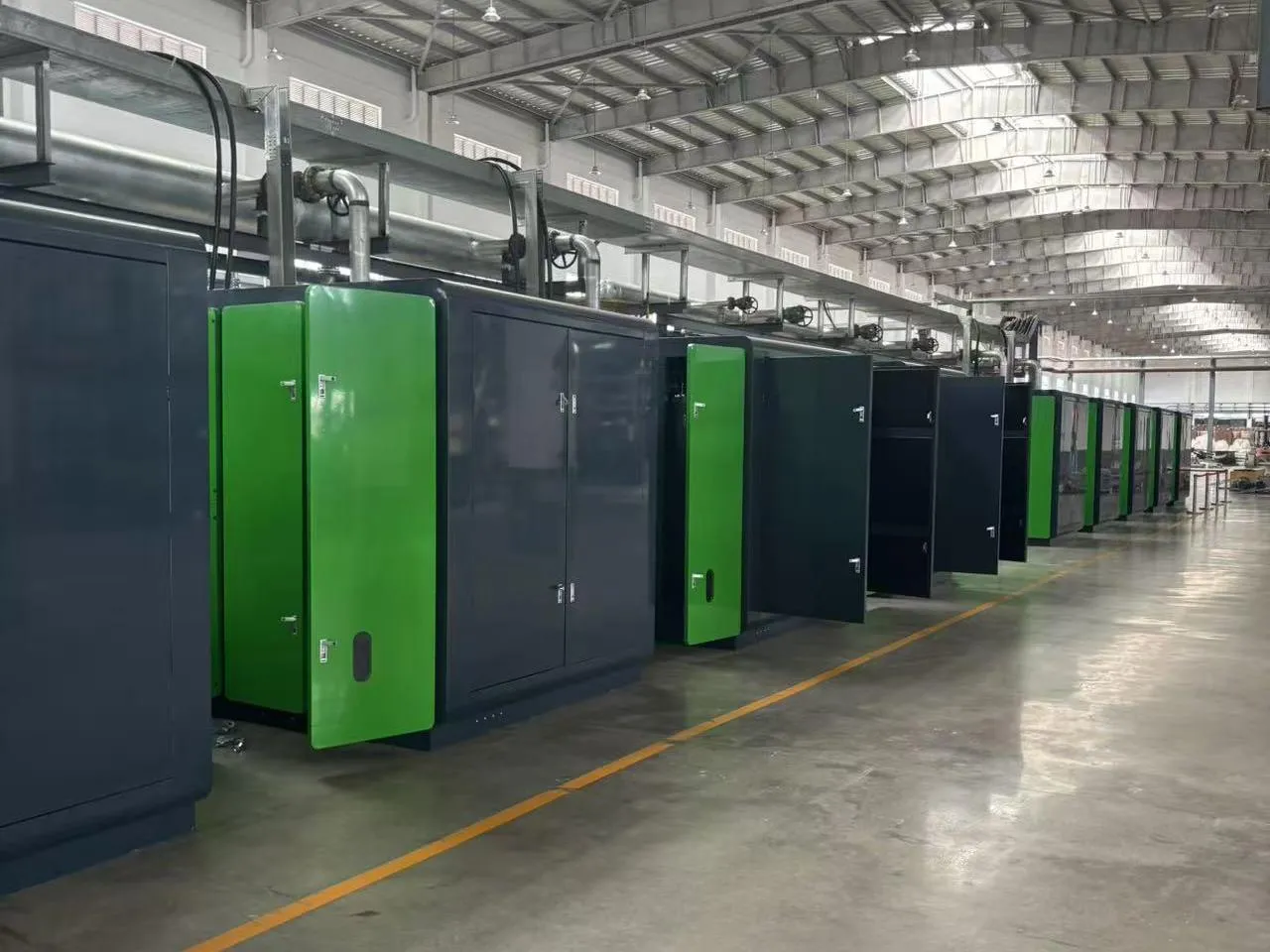 How Factories Slash Energy Costs with Energy-Efficient Air Compressors
 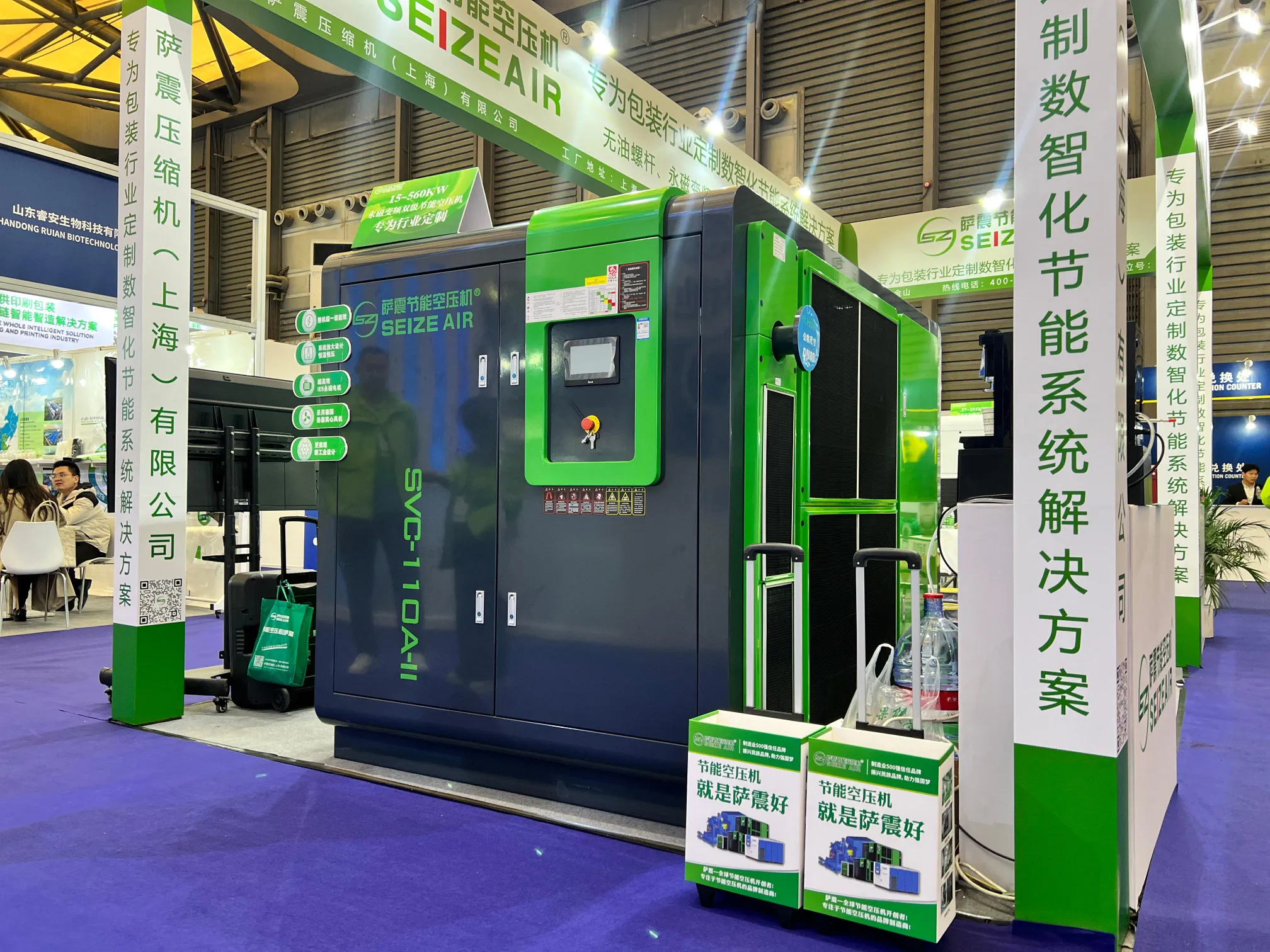 Why Piston Air Compressors Are Being Phased Out: A Consumer Perspective
 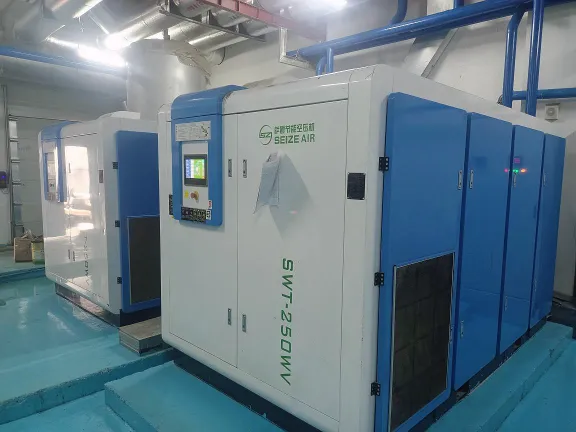 Permanent Magnet vs. Traditional Compressors: Which Saves More Money Long-Term?
  Technical Insights and Maintenance Tips for Water-Lubricated Compressors
 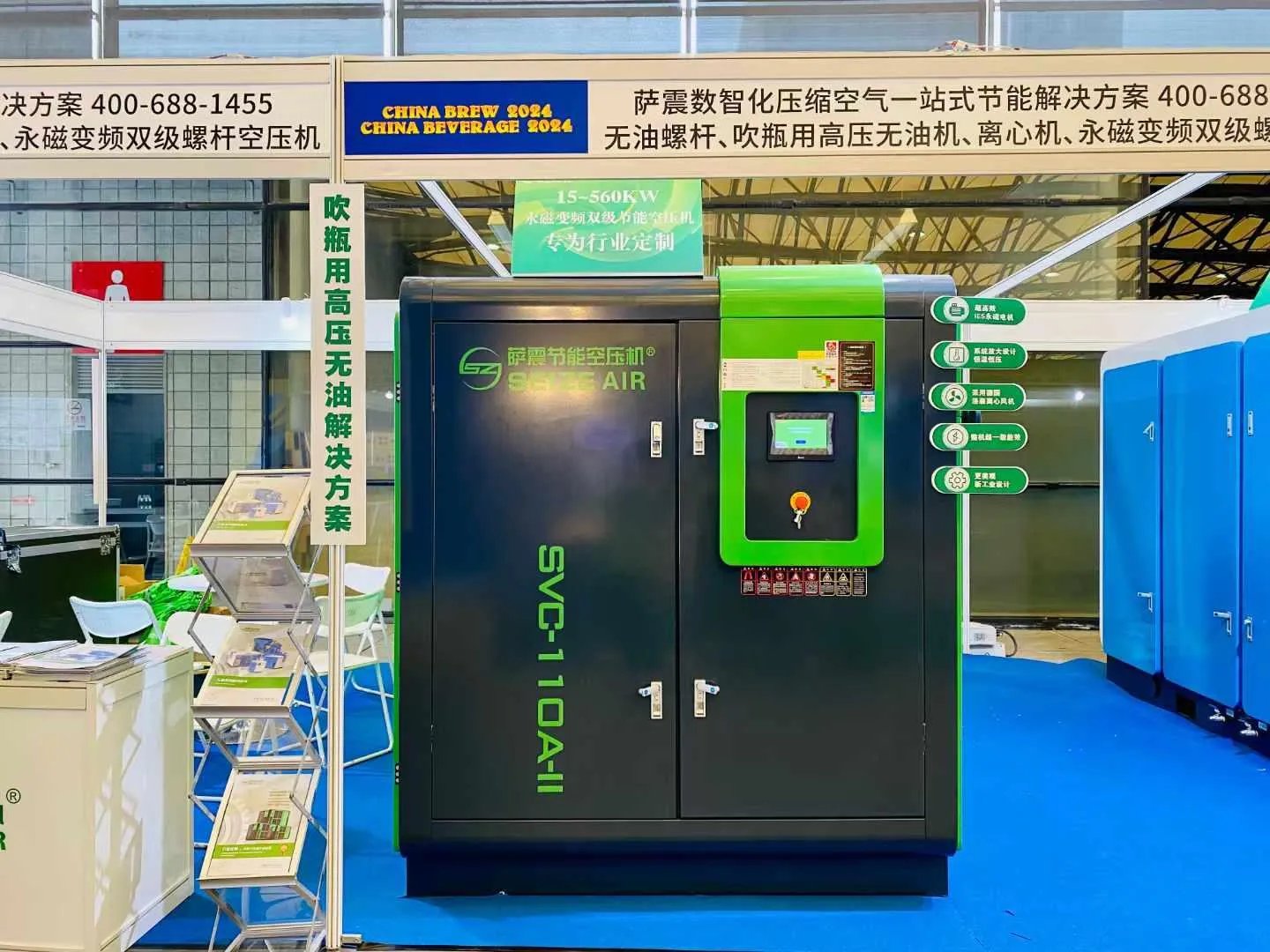 Why Oil-Free Screw Compressors Are the Future of Industrial Efficiency
 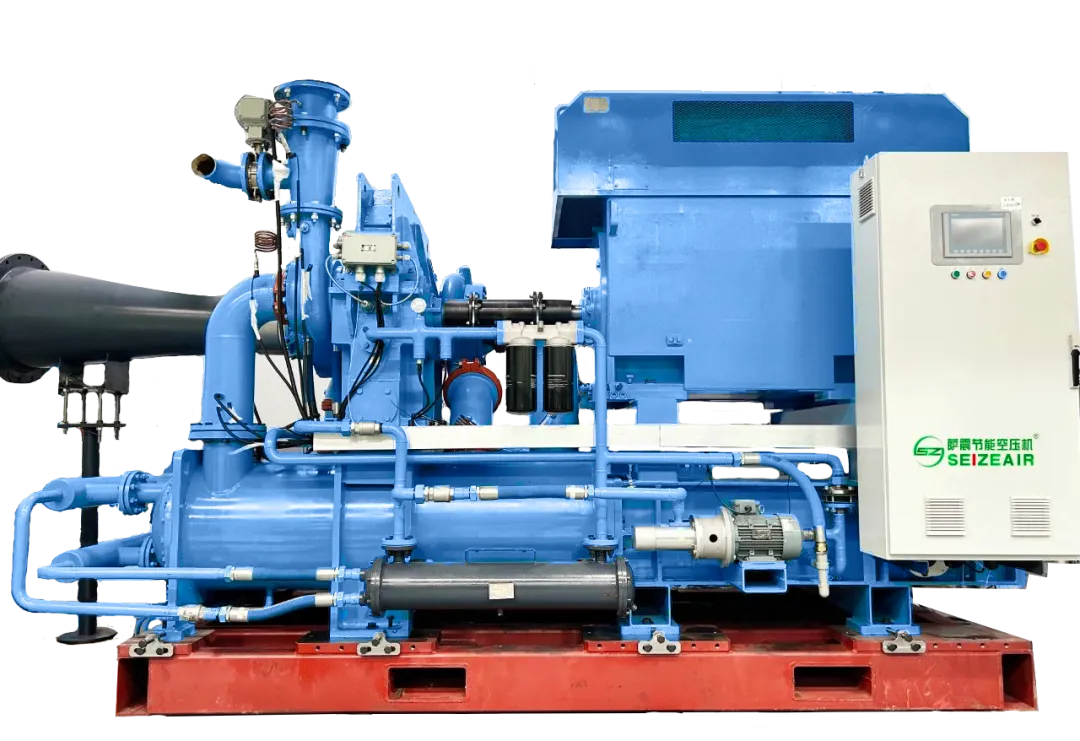 Industrial Air Compressor Solutions: Advanced Screw & Centrifugal Systems for Maximum ROI
 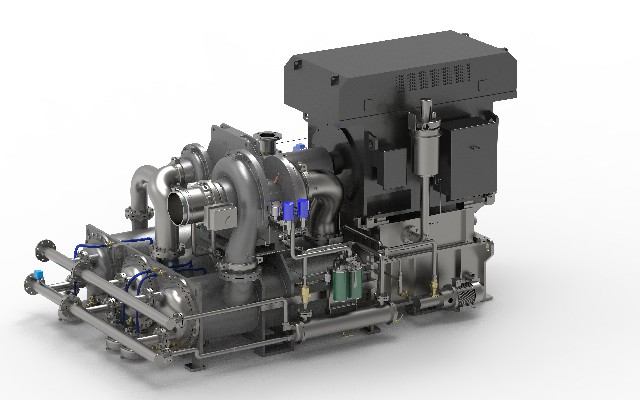 Energy-Efficient Compressors for Industrial Applications: Two-Stage Screw vs. Centrifugal Solutions
  Energy-Efficient Air Compressors Manufacturer in China | [Your Company Name] – Powering Sustainability Worldwide