
Comparison of 4 Common Screw Air Compressor Starting Methods
2024-12-02
Screw air compressors are widely used in industrial applications, and selecting the right starting method is crucial for ensuring stable operation, energy efficiency, and extending the compressor's lifespan. This article compares four common starting methods for screw air compressors: Direct Start, Star-Delta Start, Soft Starter, and Variable Frequency Drive (VFD) Start. Understanding the pros and cons of each method can help optimize compressor performance for different operational needs.
1. Direct Start Method
The Direct Start method is one of the simplest and most common ways to start a screw air compressor, typically used for smaller compressors.
Pros:
Simple to operate with no additional equipment required.
Lower upfront cost, ideal for light-duty applications like small factories and offices.
Cons:
High inrush current during startup, which can cause electrical grid disturbances.
Potential overload protection trips on the electrical grid, affecting stability.
Best suited for compressors with smaller power ratings.
2. Star-Delta Start Method
The Star-Delta (Y-Δ) method is often used for larger screw compressors. It works by initially connecting the motor in a star configuration to reduce inrush current and then switching to a delta configuration for normal operation once the motor reaches a certain speed.
Pros:
Reduces inrush current, minimizing electrical grid impact.
More suitable for medium to large compressors, helping to extend their lifespan.
Lower cost compared to advanced methods, relatively easy to implement.
Cons:
Requires a more complex control circuit.
Startup time is longer as it involves switching between star and delta configurations.
Energy-saving benefits are less than with a VFD.
3. Soft Starter Method
A Soft Starter uses an electronic device to gradually increase the voltage to the motor during startup, ensuring a smooth transition from idle to operational speed.
Pros:
Provides a smooth, controlled startup with reduced mechanical and electrical stress.
Extends the lifespan of both the compressor and electrical components.
Ideal for environments with strict requirements on current surges.
Cons:
Additional cost for soft starter equipment.
Requires ongoing maintenance and periodic checks to ensure proper operation.
4. Variable Frequency Drive (VFD) Start Method
The VFD method is an advanced solution that controls the motor's speed and torque by adjusting the frequency of the power supply, enabling smooth starts and operational flexibility.
Pros:
Provides the smoothest startup with minimal inrush current and reduced electrical grid impact.
Allows for precise control over motor speed, improving energy efficiency and compressor performance.
Especially beneficial for applications with fluctuating air demands or pressures.
Cons:
Higher initial cost due to the need for a VFD and advanced control systems.
Requires regular maintenance of the VFD and motor to ensure optimal operation.
Choosing the right starting method for your screw air compressor depends on factors such as compressor size, load requirements, electrical conditions, and budget. While the Direct Start method is cost-effective for smaller compressors, methods like Star-Delta, Soft Starter, and VFD offer more efficient solutions for larger and more demanding applications. Regular maintenance is crucial regardless of the starting method to ensure reliable, long-term operation.
By understanding these methods, you can select the best one to suit your specific needs, optimizing both performance and energy usage.
Contact us at://www.eescompressor.com/
WhatsApp:+86 15317057736

 Seize Oil-Free Screw Blowers: The Ultimate Energy-Efficient Air Compressor Solution for Industry 4.0
 Maximize Energy Efficiency with Heat Recovery Systems for Energy-Saving Air Compressors
 Top 7 Advantages of Centrifugal Blowers for Industrial Applications
 The Revolutionary Benefits of Permanent Magnet Variable Frequency Air Compressors: A Game-Changer for Modern Industries
 Variable Speed vs. Fixed Speed Air Compressors: Key Differences, Pros & Cons
 How to Choose Between Dry and Water-Lubricated Oil-Free Screw Compressors: A Comprehensive Comparison
 Centrifugal vs. Reciprocating Air Compressors: Why Centrifugal Wins for Industrial Applications
 How to Calculate Air Compressor Specific Energy Consumption (SEC) for Energy Savings: A Guide for Southeast Asia, Middle East, and Europe
 Single-Stage vs. Two-Stage Compression: Which Is Right for Your Needs?
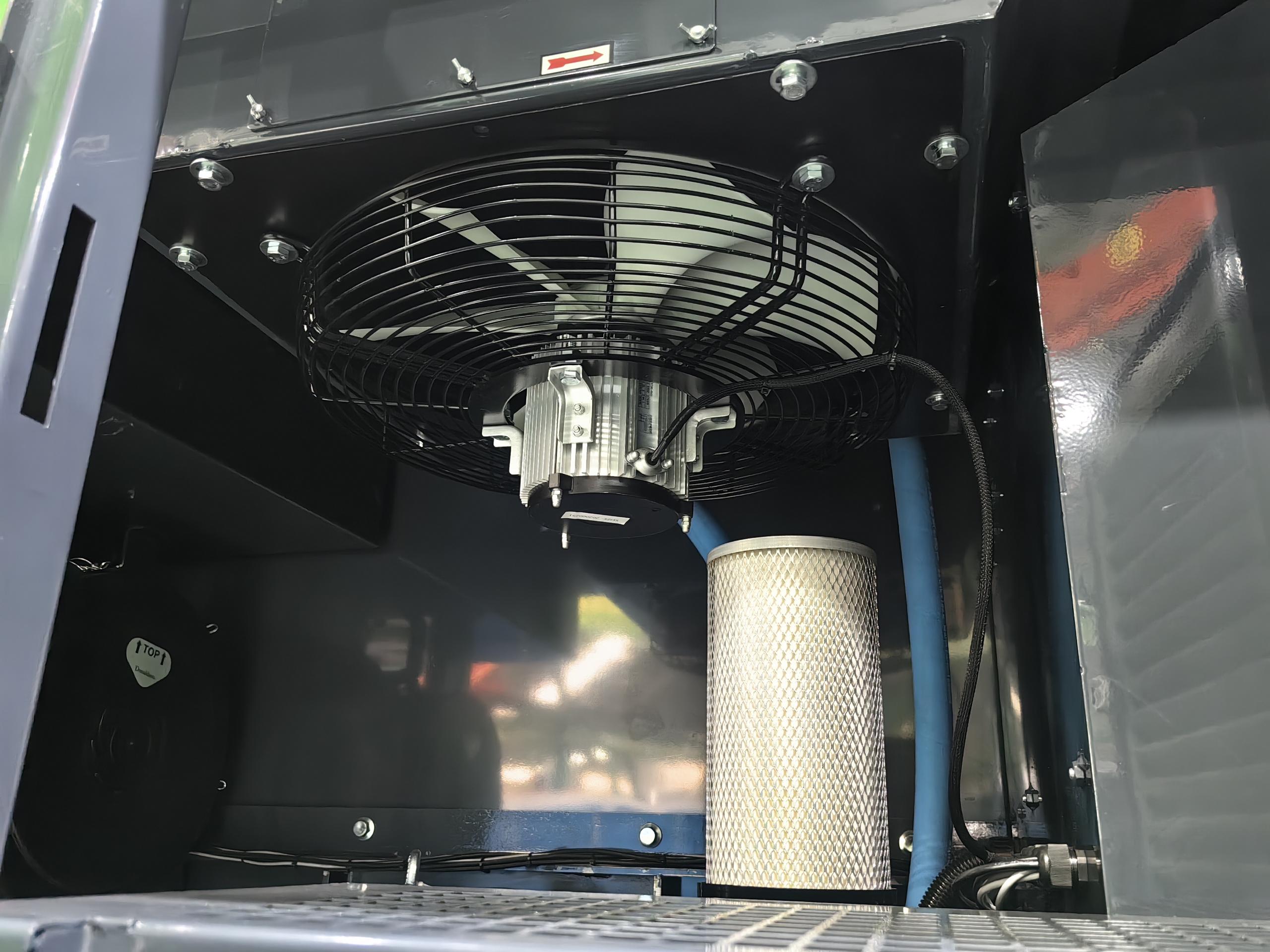 Maximize Your Savings: The Long-Term Cost Advantages of SEIZEAIR's Energy-Efficient Air Compressors
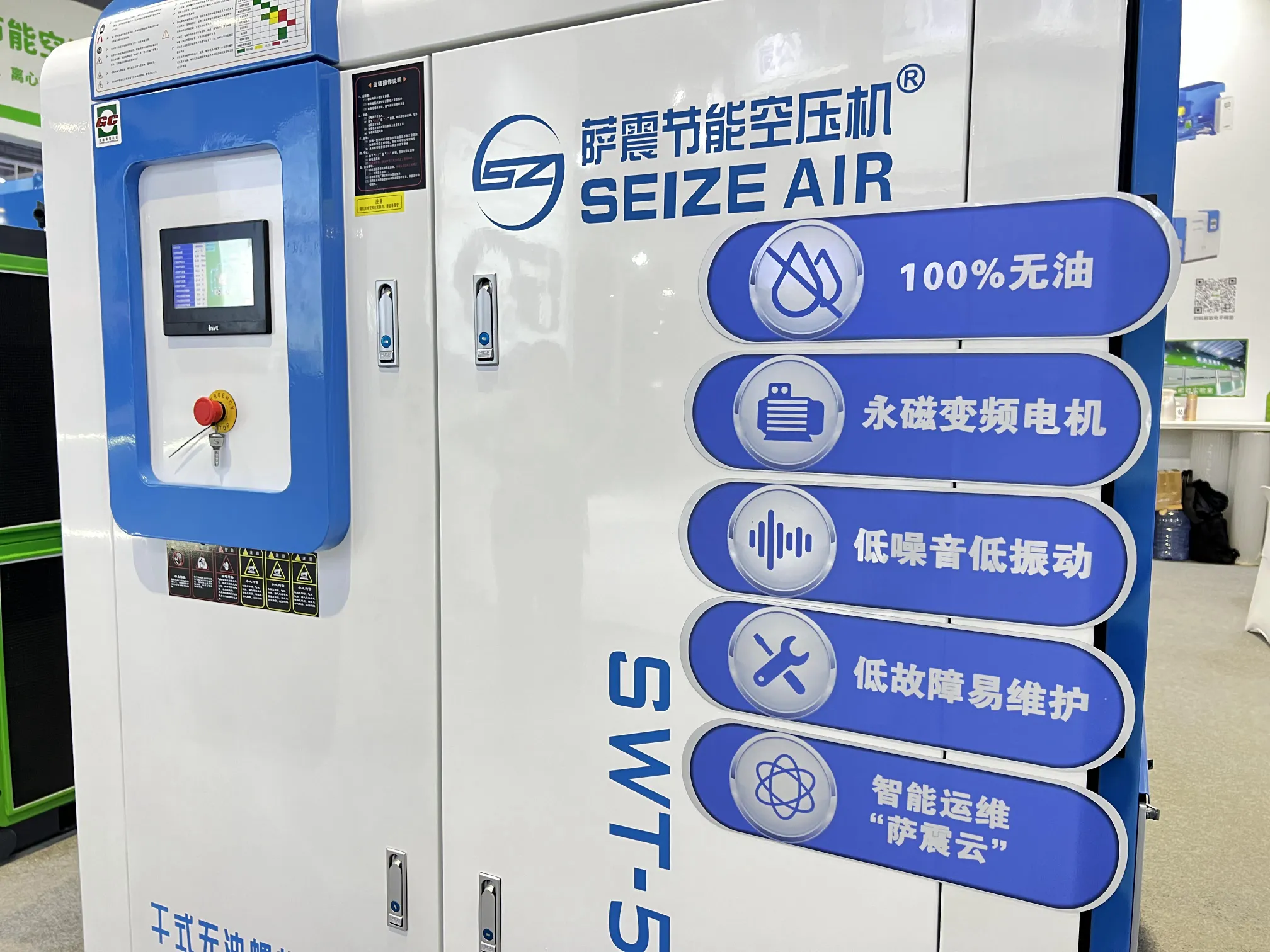 Energy Efficiency of Screw Compressors in Industrial Applications: Maximizing Savings and Sustainability
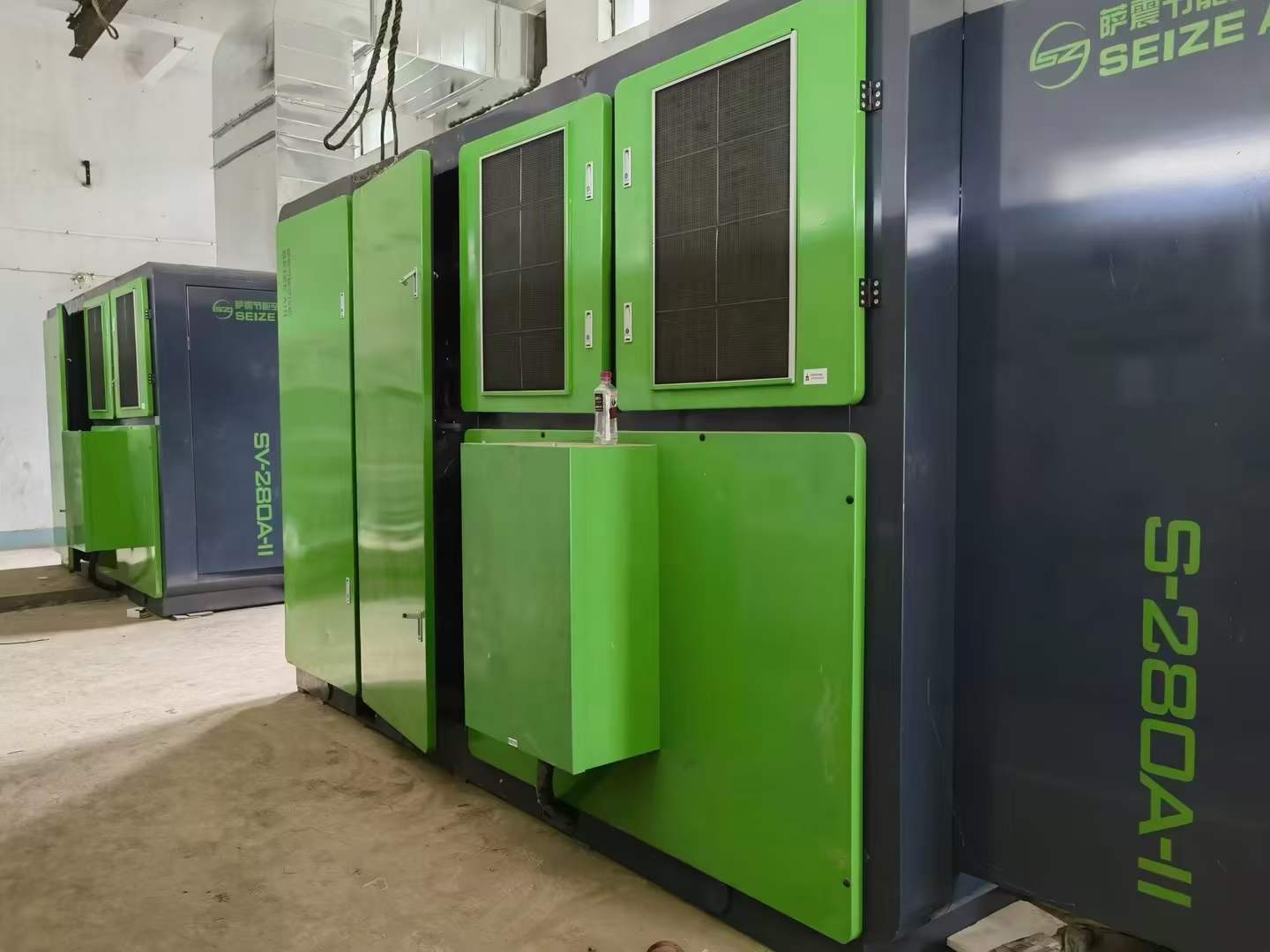 Piston vs. Screw Air Compressors: 5 Key Reasons to Choose Rotary Screw Technology
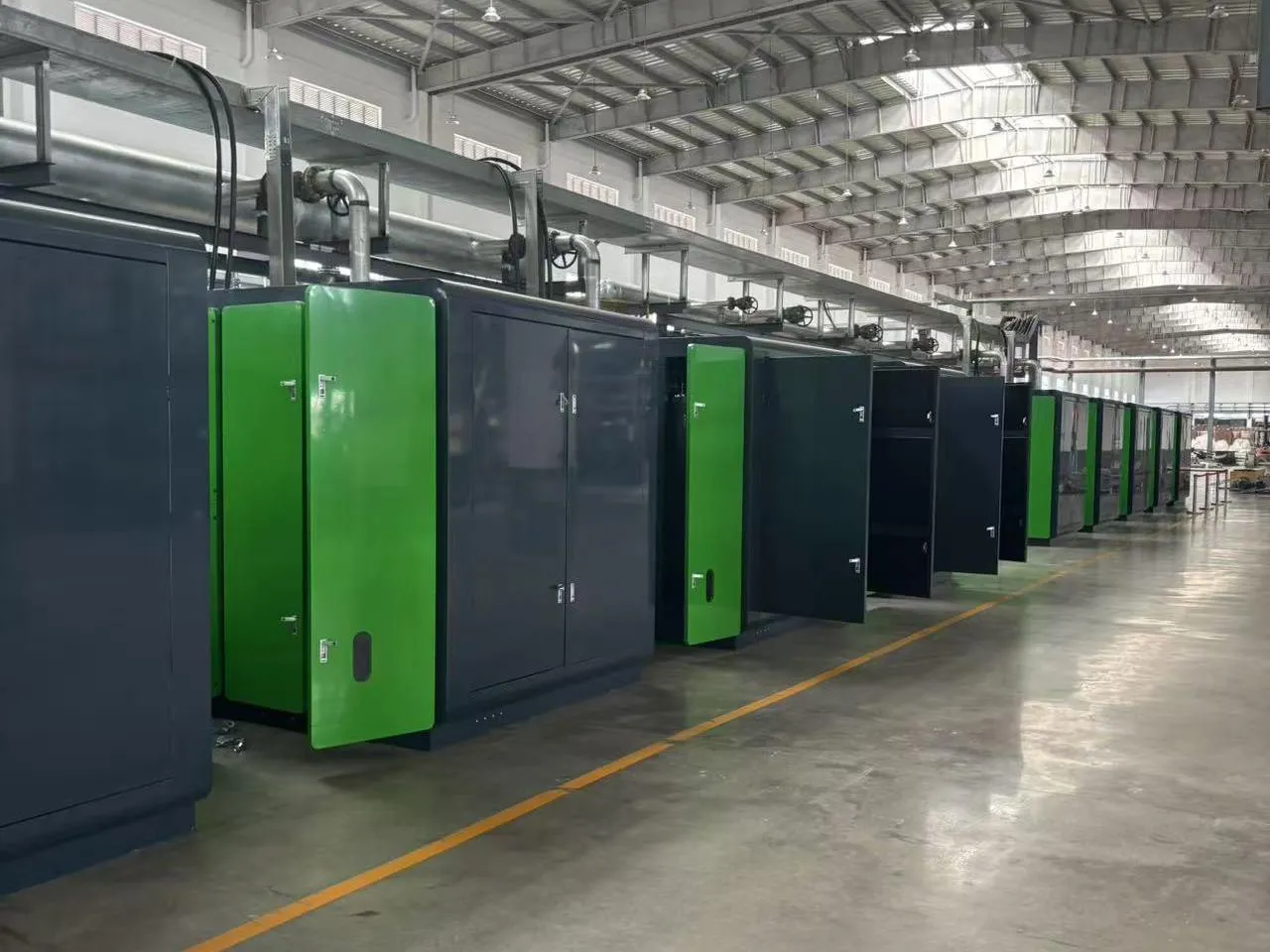 How Factories Slash Energy Costs with Energy-Efficient Air Compressors
 Why Piston Air Compressors Are Being Phased Out: A Consumer Perspective
 Permanent Magnet vs. Traditional Compressors: Which Saves More Money Long-Term?
 Technical Insights and Maintenance Tips for Water-Lubricated Compressors
 Why Oil-Free Screw Compressors Are the Future of Industrial Efficiency
 Industrial Air Compressor Solutions: Advanced Screw & Centrifugal Systems for Maximum ROI
 Energy-Efficient Compressors for Industrial Applications: Two-Stage Screw vs. Centrifugal Solutions
 Energy-Efficient Air Compressors Manufacturer in China | [Your Company Name] – Powering Sustainability Worldwide