
Comprehensive Guide to Maintaining and Servicing Screw Air Compressors for Optimal Performance
2024-10-30
Screw air compressors play a vital role in various industries, from food processing to manufacturing, ensuring a steady supply of compressed air. However, like all machinery, these compressors can face issues due to wear, aging, or improper operation. Regular maintenance and servicing are crucial not only for extending the lifespan of the equipment but also for maintaining production safety and efficiency.
Daily Inspections: The First Line of Defense Against Failures
Daily inspections form the foundation of screw air compressor maintenance. Regular observation, recording, and minor adjustments can help prevent many potential issues:
Oil Level Check: Ensure that the lubricant is within the recommended range. Low levels can lead to insufficient lubrication, while high levels may cause abnormal oil pressure.
Discharge Temperature: Monitor the discharge temperature, which should remain within the specified range. High temperatures may indicate cooling system failures or clogged filters.
Leak Checks: Inspect oil separators, pipeline connections, and seals for leaks. Prompt repairs prevent oil-gas mixing and pressure drops.
Vibration and Noise Monitoring: Unusual vibrations or noises often signal loose or worn components that need immediate attention.

Regular Maintenance: Key to Sustaining Equipment Performance
Regular maintenance is essential for the long-term stability of screw air compressors. Depending on usage and environment, maintenance intervals can be set for monthly, quarterly, or yearly tasks:
Change Lubricating Oil and Oil Filter: Lubricating oil not only lubricates rotors and bearings but also provides cooling and sealing. Oil filters remove impurities, keeping oil clean. It’s generally recommended to change these every 2000-4000 operating hours.
Clean the Cooling System: Dust and dirt accumulate on cooler surfaces, affecting heat dissipation and raising discharge temperatures. Regularly clean the cooler using compressed air or specialized cleaning agents.
Inspect and Replace Air Filters: Air filters block dust and impurities from entering the compressor. Clogged filters reduce intake efficiency and increase energy consumption. Replace them every 1000-3000 operating hours.
Check Bearings and Seals: Regularly inspect bearings and seals for wear. Replacing worn parts helps prevent leaks and noise issues.
Professional Servicing: Addressing Complex Problems
When daily checks and routine maintenance fail to resolve issues, professional servicing is necessary. This includes:
Adjusting Rotor and Housing Clearance: Over time, the gap between the rotor and housing can increase, reducing compression efficiency. Use specialized tools to measure and adjust this clearance.
Electrical System Inspection: Check motors, starters, and control circuit boards for reliable electrical connections and look for shorts or breaks.
Pressure Control Calibration: Verify the accuracy of pressure switches and sensors, which directly impact the compressor's pressure regulation. Regular calibration ensures stable and reliable control.
Vibration Analysis and Fault Diagnosis: Use vibration analysis tools to identify abnormal vibration sources, such as imbalances or worn parts, facilitating precise repairs.
Maintaining and servicing screw air compressors is a comprehensive process involving daily inspections, regular maintenance, professional servicing, and smart monitoring. Through effective management and meticulous upkeep, businesses can extend equipment lifespan, improve efficiency, and prevent safety incidents, ensuring the smooth operation of industrial production.
Contact us at://www.eescompressor.com/
WhatsApp:+86 15317057736

 Seize Oil-Free Screw Blowers: The Ultimate Energy-Efficient Air Compressor Solution for Industry 4.0
 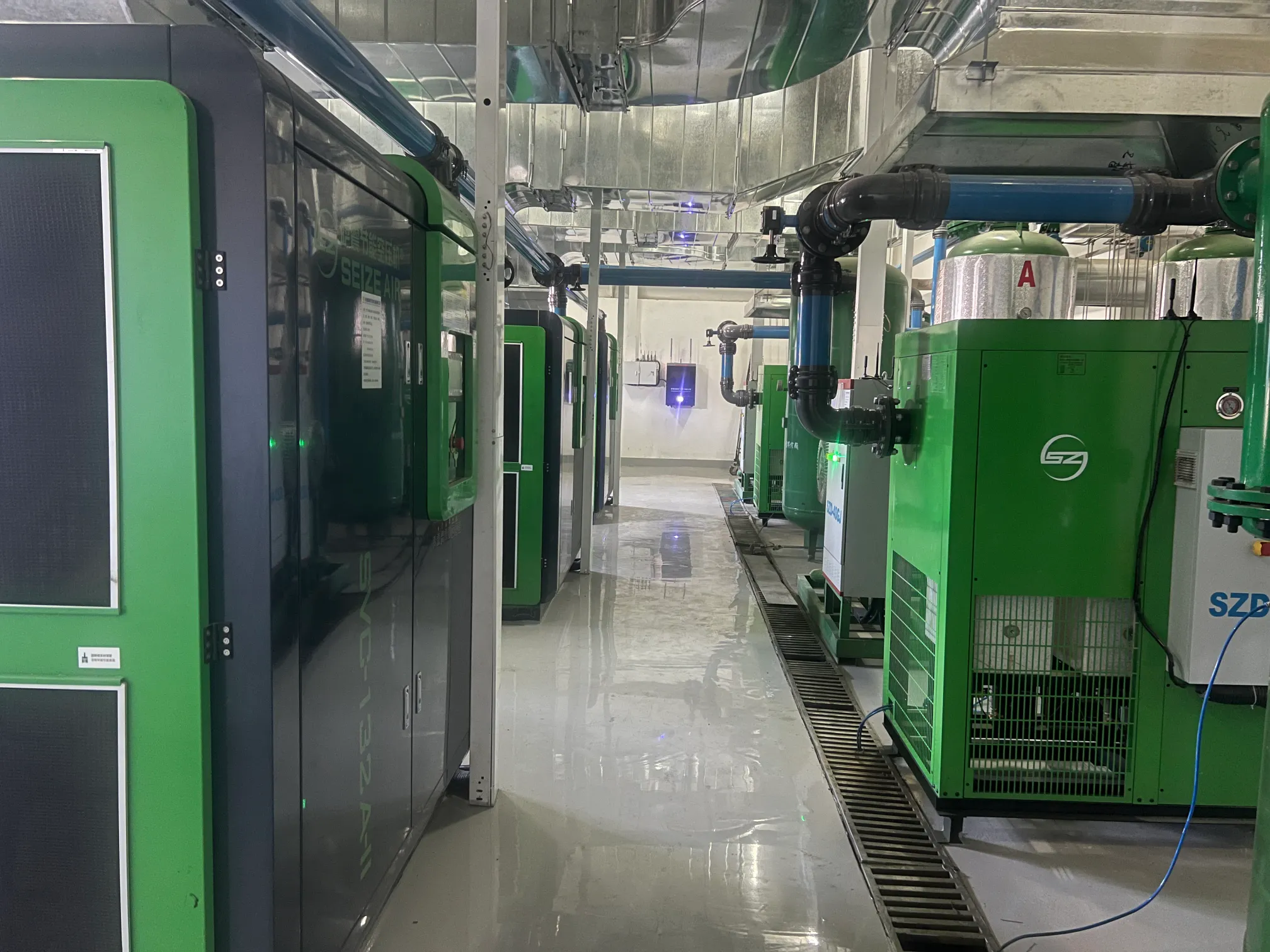 Maximize Energy Efficiency with Heat Recovery Systems for Energy-Saving Air Compressors
 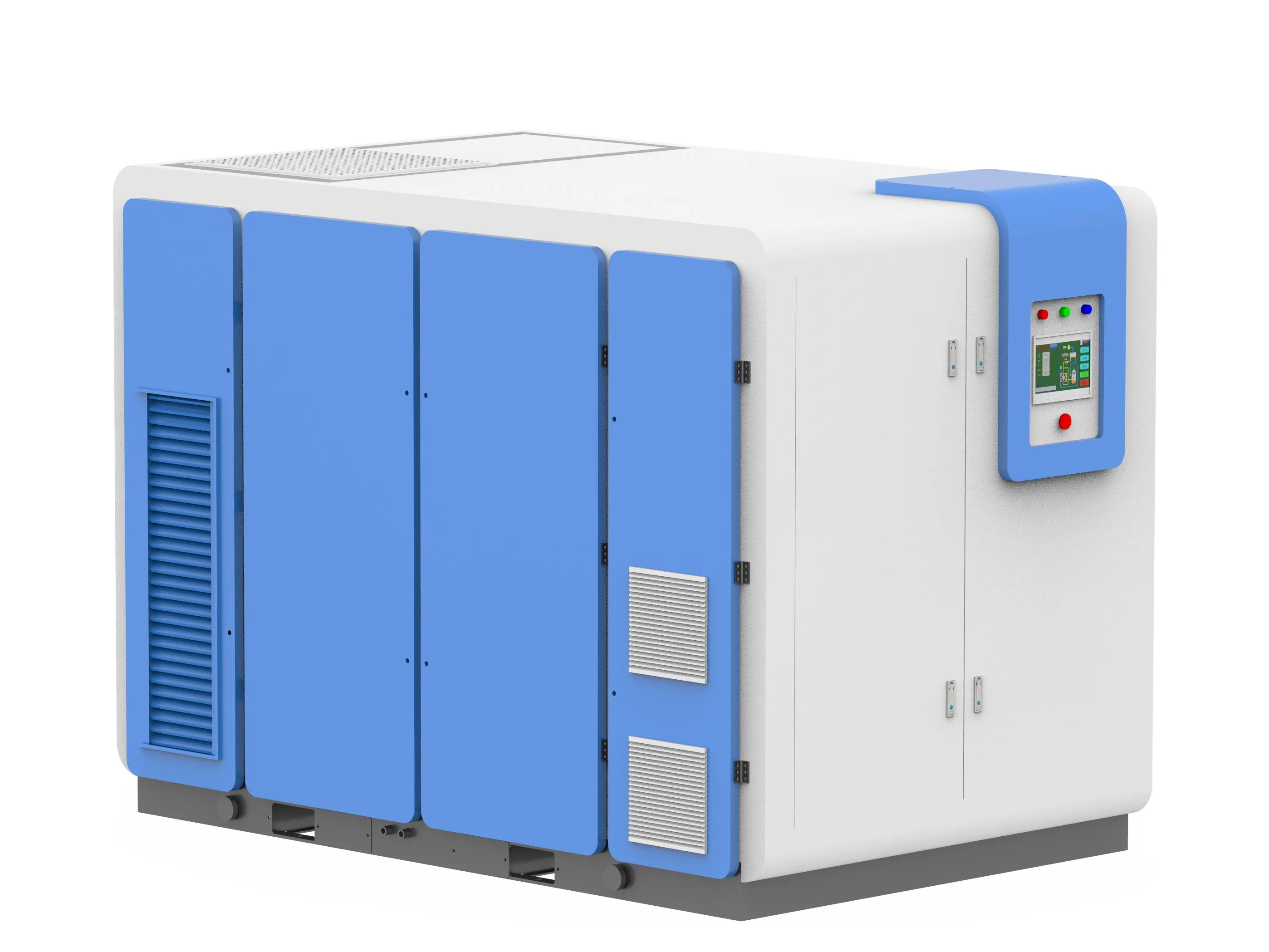 Top 7 Advantages of Centrifugal Blowers for Industrial Applications
 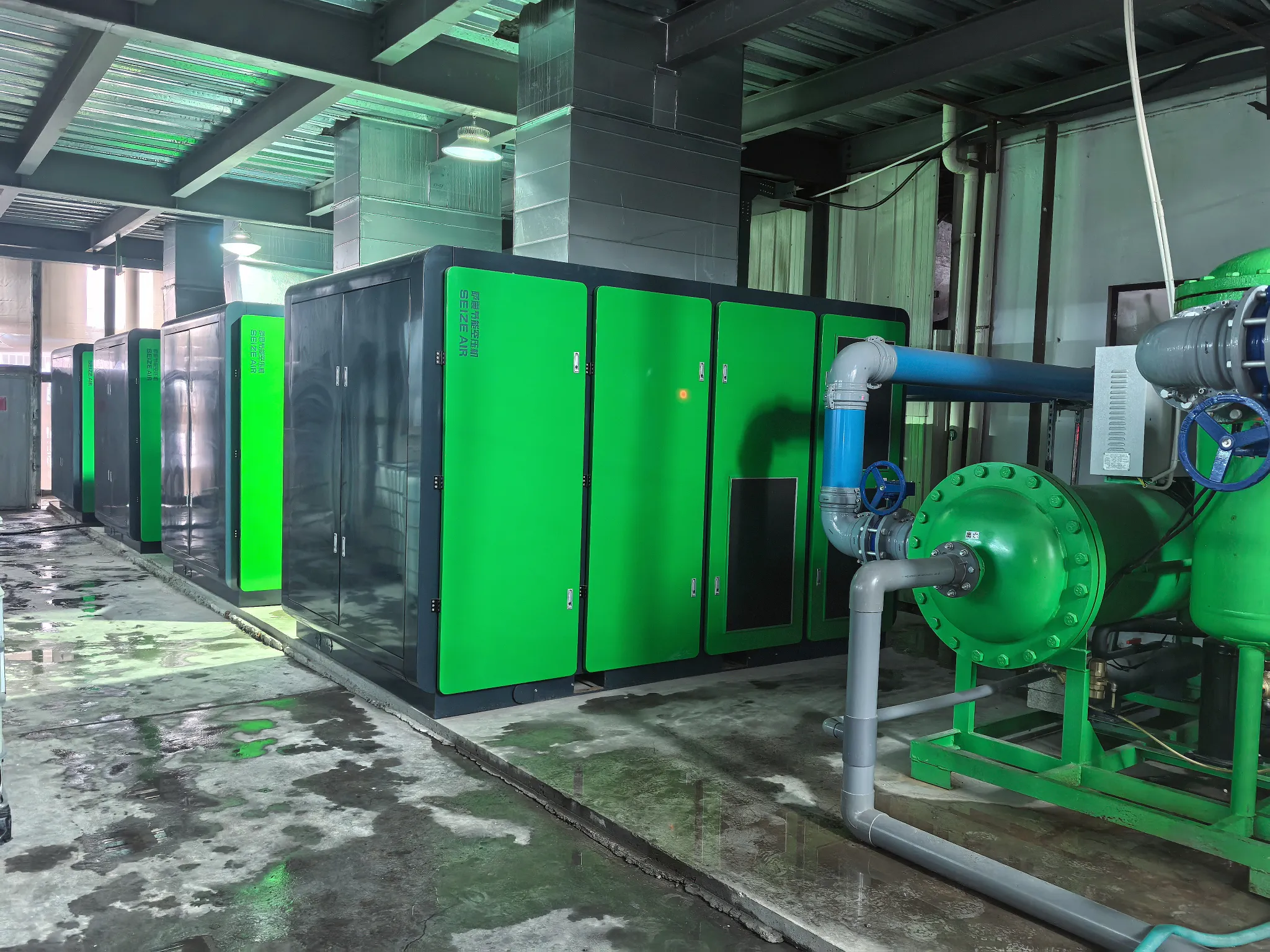 The Revolutionary Benefits of Permanent Magnet Variable Frequency Air Compressors: A Game-Changer for Modern Industries
 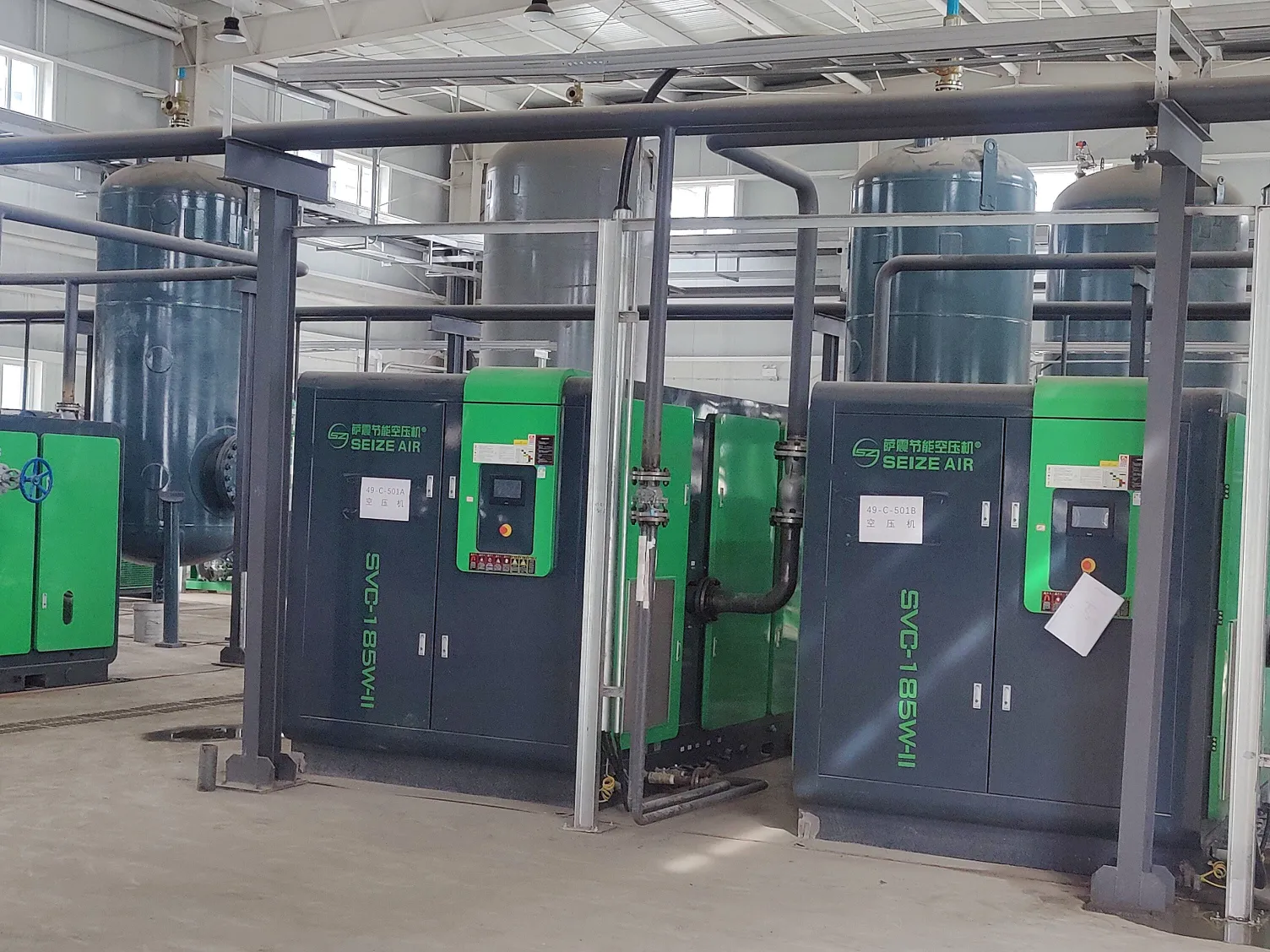 Variable Speed vs. Fixed Speed Air Compressors: Key Differences, Pros & Cons
 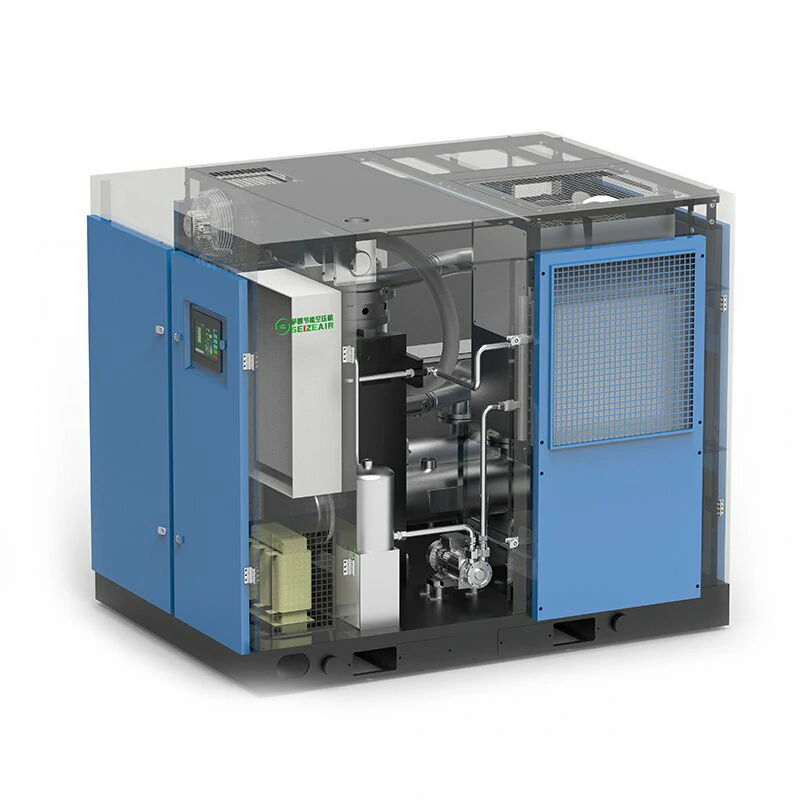 How to Choose Between Dry and Water-Lubricated Oil-Free Screw Compressors: A Comprehensive Comparison
 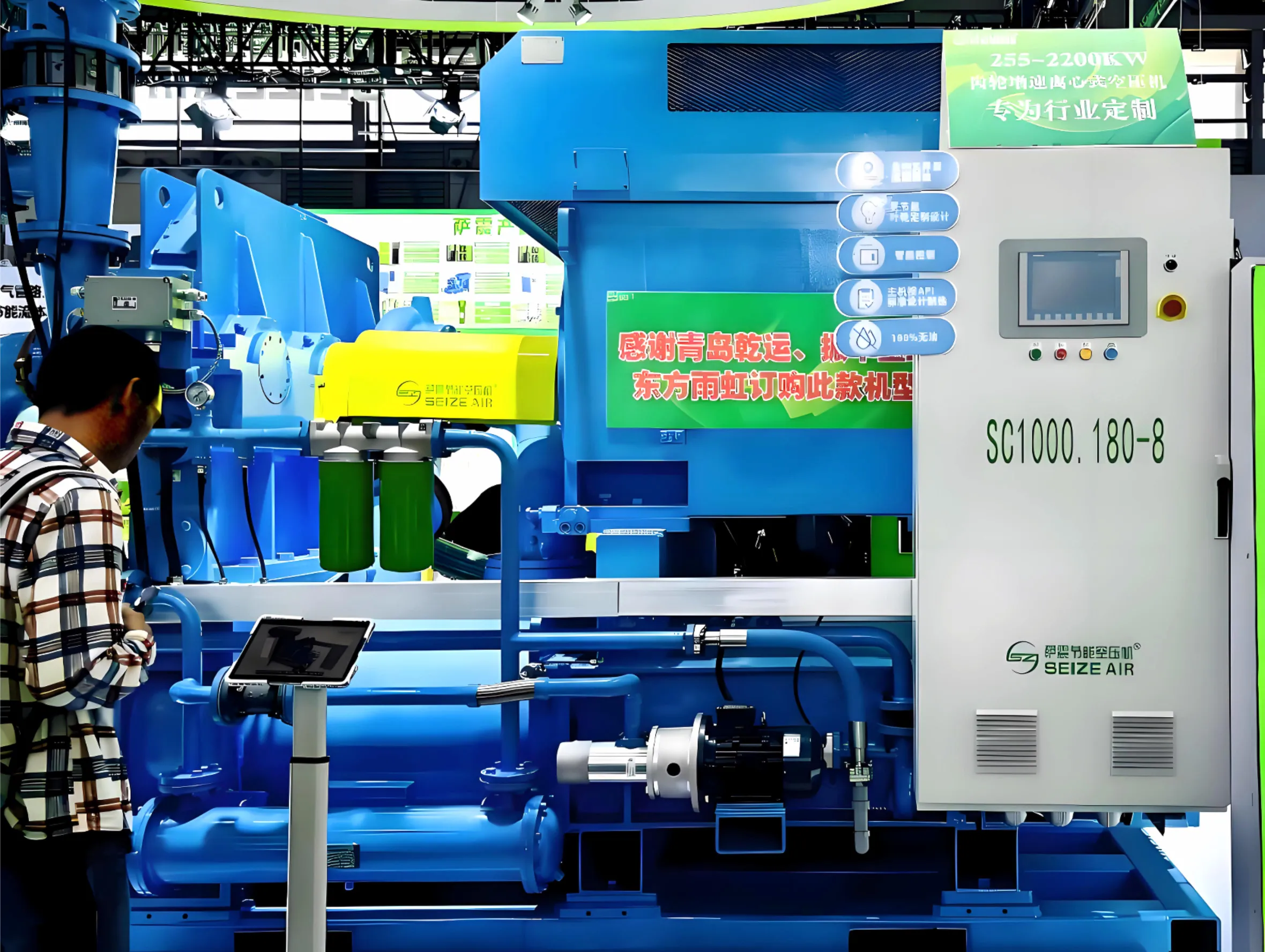 Centrifugal vs. Reciprocating Air Compressors: Why Centrifugal Wins for Industrial Applications
 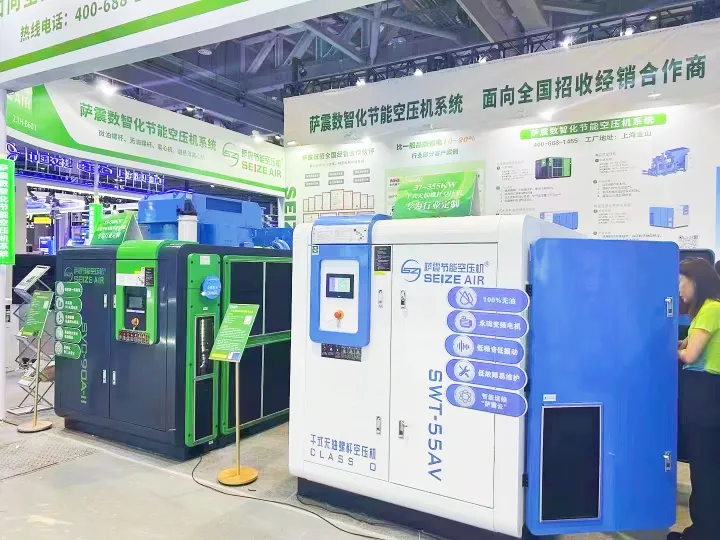 How to Calculate Air Compressor Specific Energy Consumption (SEC) for Energy Savings: A Guide for Southeast Asia, Middle East, and Europe
  Single-Stage vs. Two-Stage Compression: Which Is Right for Your Needs?
 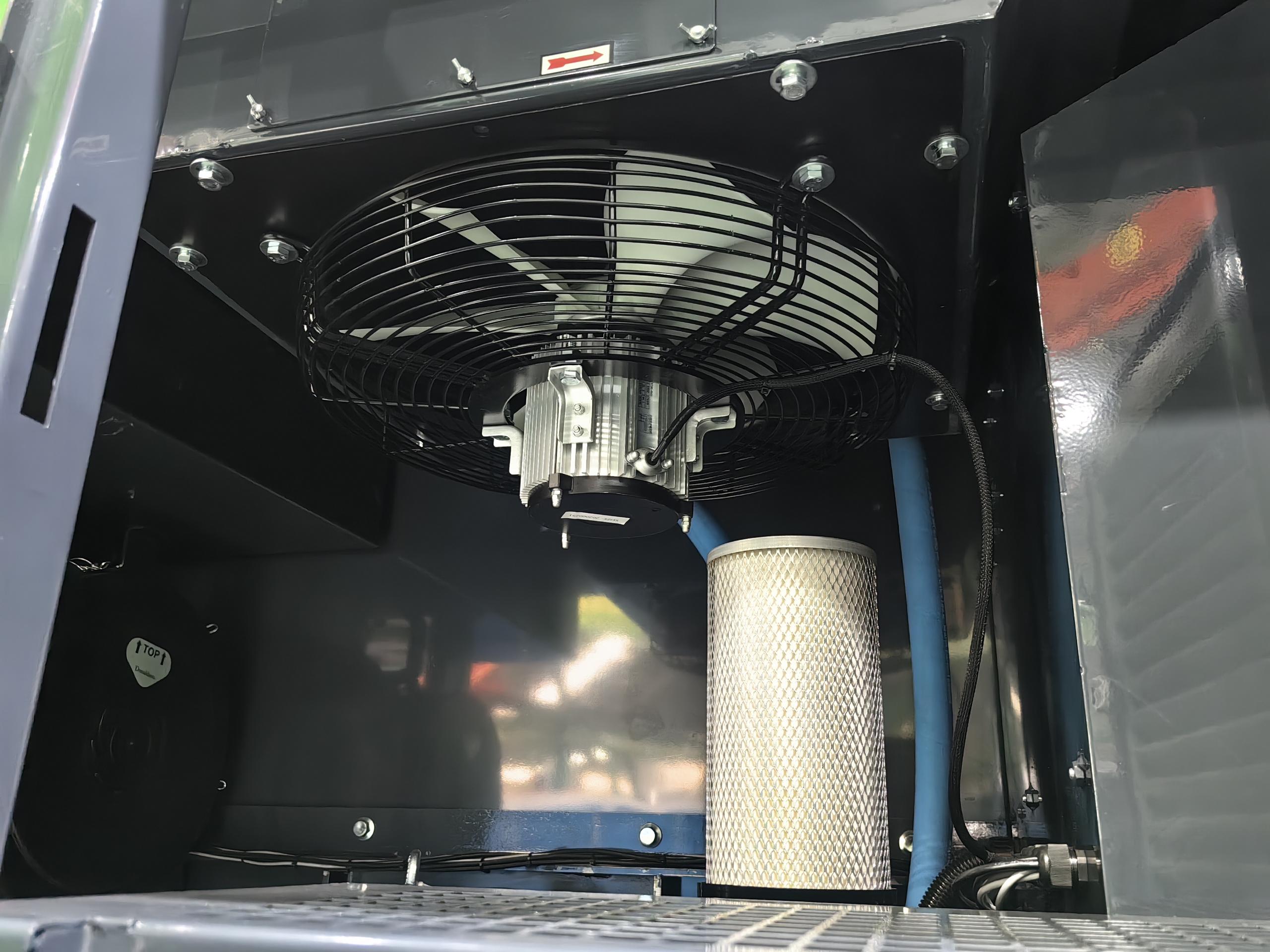 Maximize Your Savings: The Long-Term Cost Advantages of SEIZEAIR's Energy-Efficient Air Compressors
 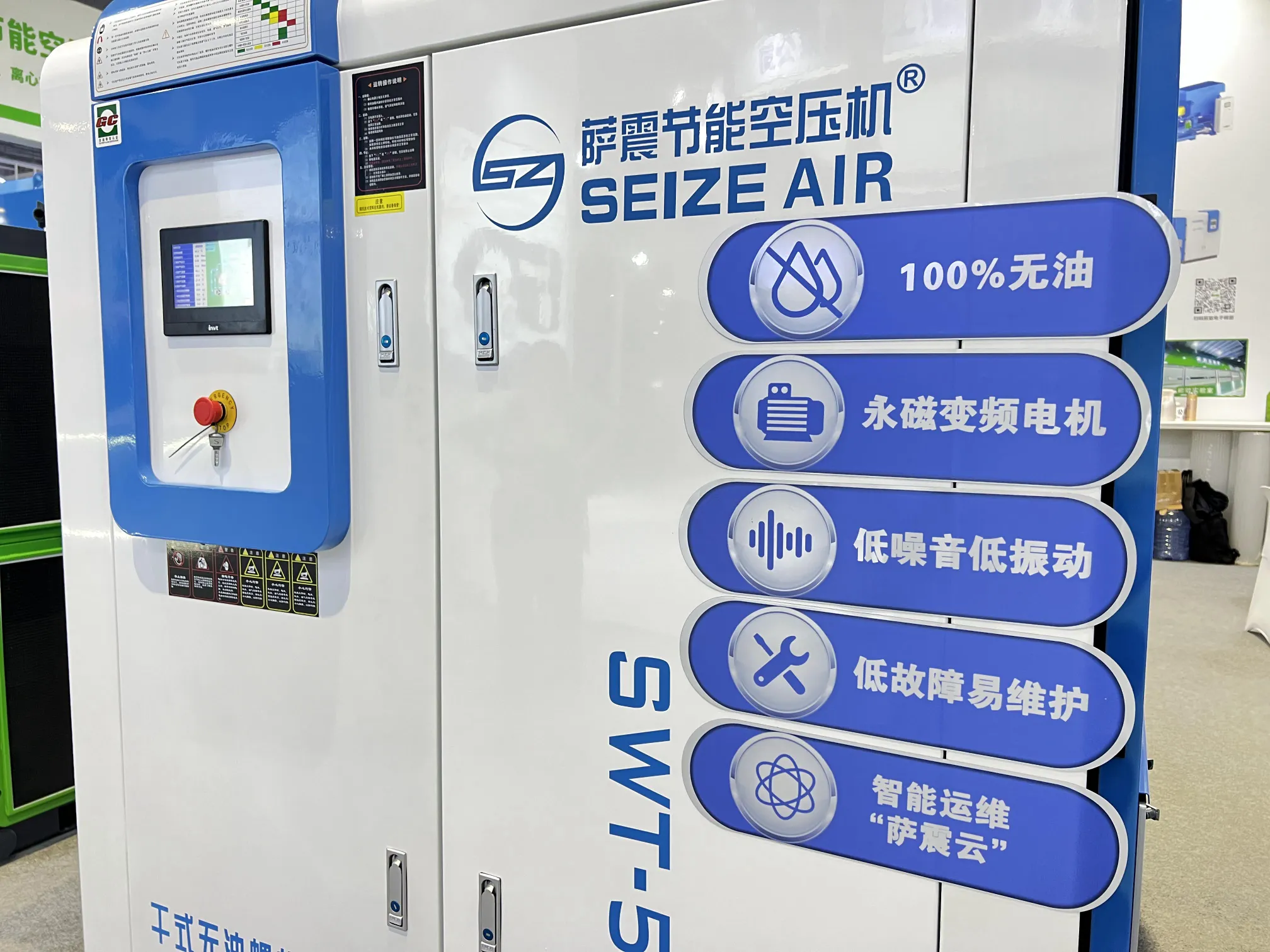 Energy Efficiency of Screw Compressors in Industrial Applications: Maximizing Savings and Sustainability
 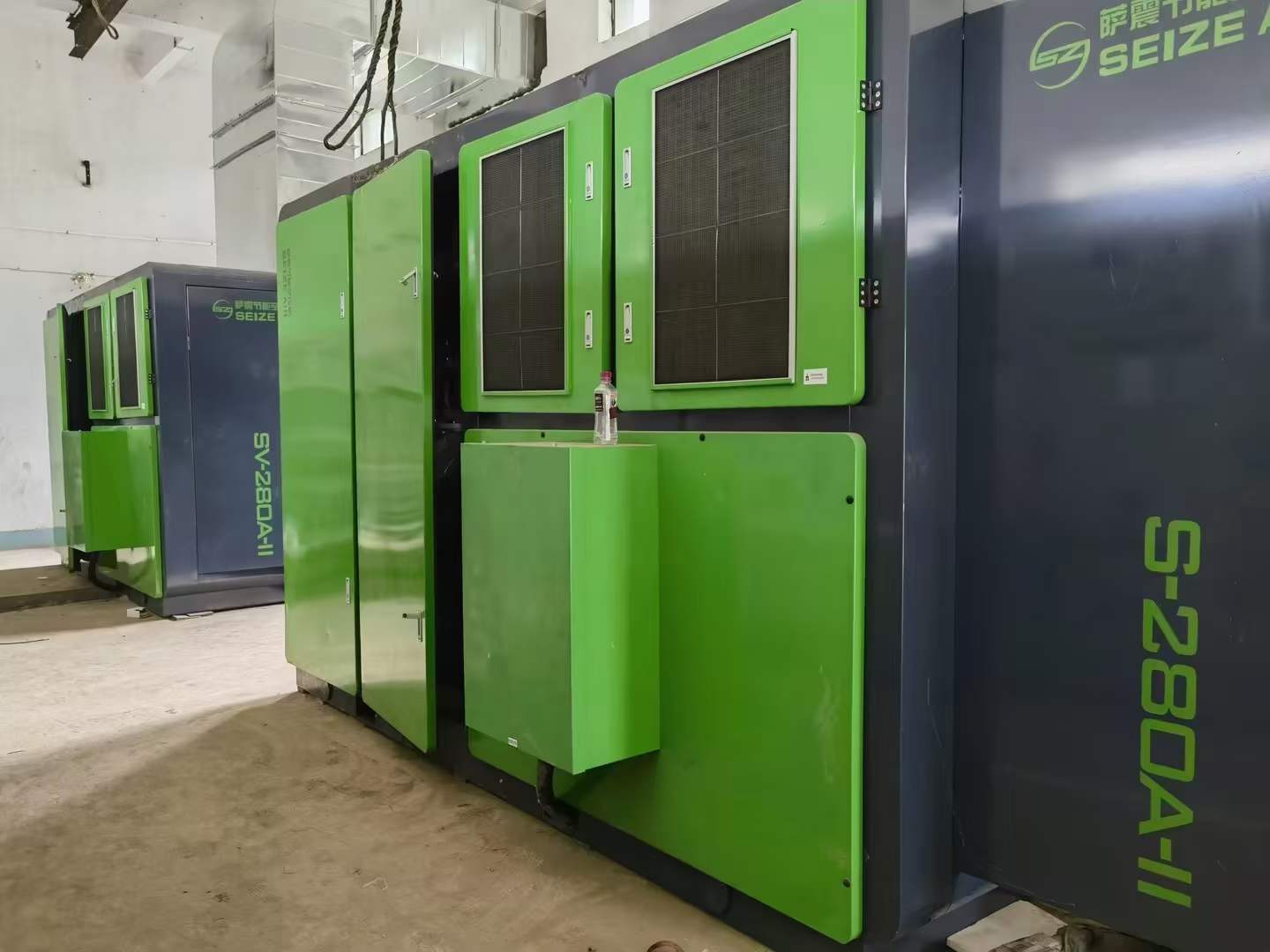 Piston vs. Screw Air Compressors: 5 Key Reasons to Choose Rotary Screw Technology
 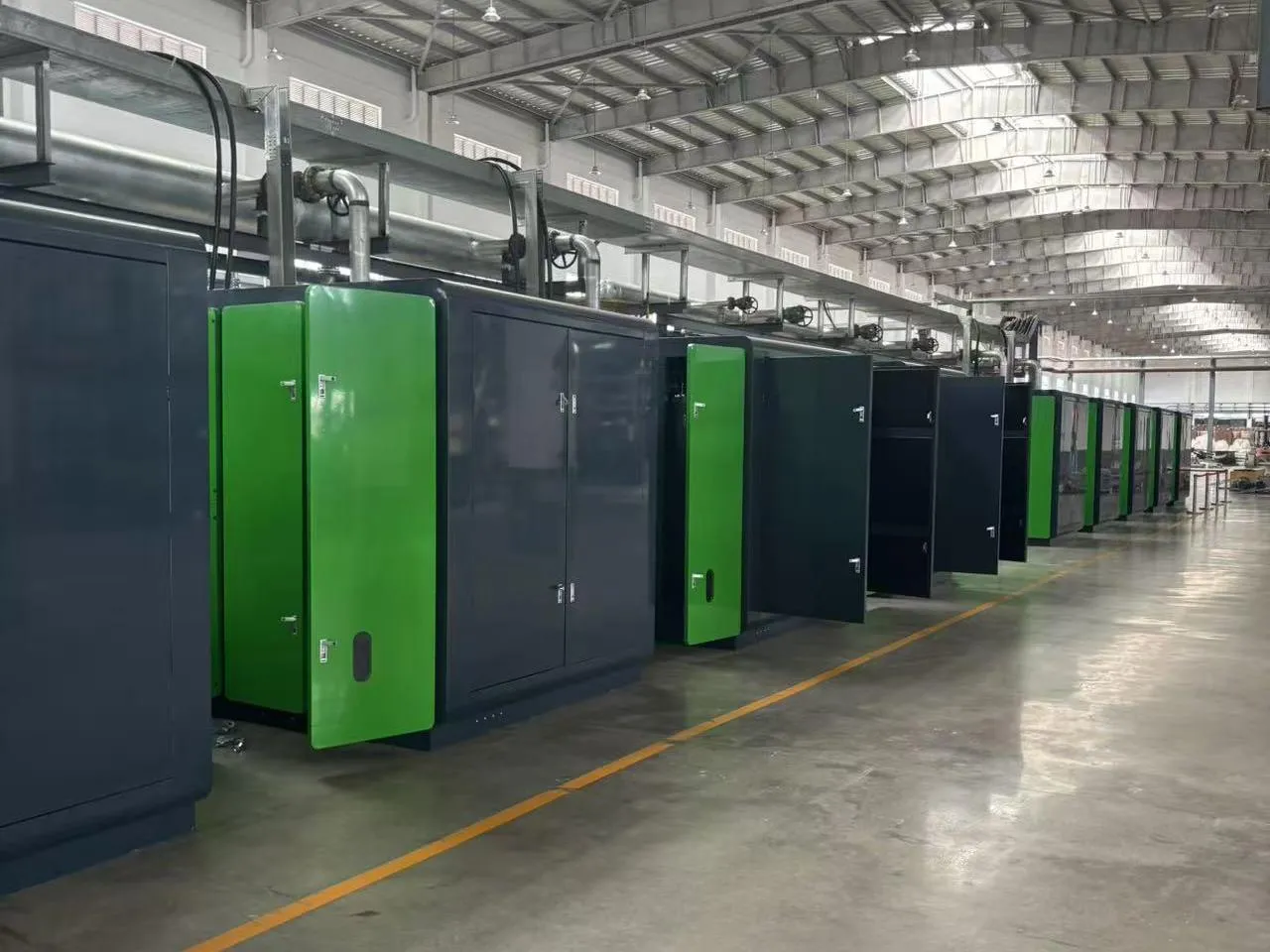 How Factories Slash Energy Costs with Energy-Efficient Air Compressors
 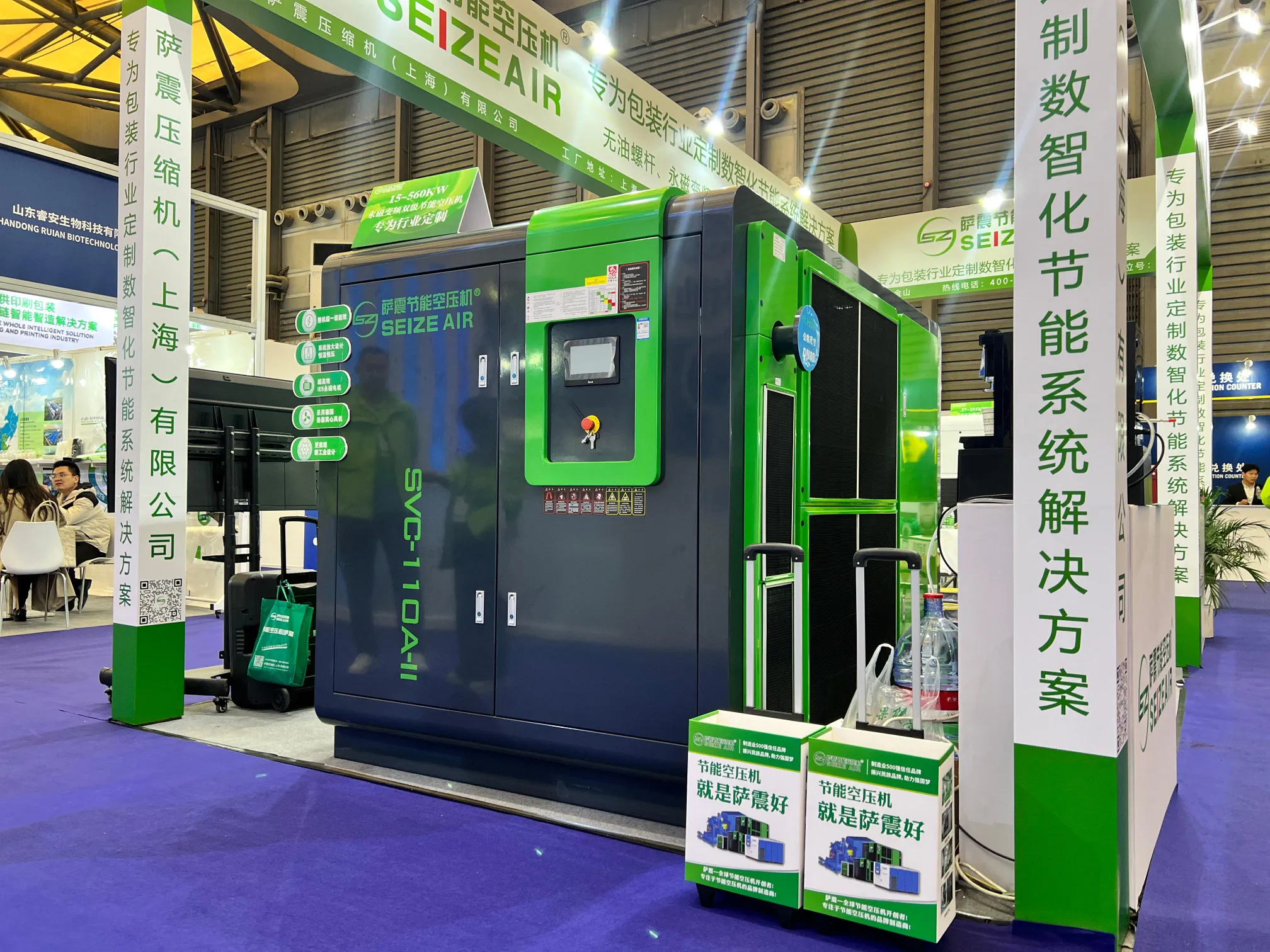 Why Piston Air Compressors Are Being Phased Out: A Consumer Perspective
  Permanent Magnet vs. Traditional Compressors: Which Saves More Money Long-Term?
  Technical Insights and Maintenance Tips for Water-Lubricated Compressors
  Why Oil-Free Screw Compressors Are the Future of Industrial Efficiency
  Industrial Air Compressor Solutions: Advanced Screw & Centrifugal Systems for Maximum ROI
  Energy-Efficient Compressors for Industrial Applications: Two-Stage Screw vs. Centrifugal Solutions
  Energy-Efficient Air Compressors Manufacturer in China | [Your Company Name] – Powering Sustainability Worldwide