
Explore the causes and elimination methods of water content in compressed air of air compressor
2023-12-20
With the increasing demand for compressed air from air compressors in most industries, many industries need anhydrous compressed air, but water often appears in air compressors. What causes water in air compressors?
1. Because there is always water in the air, the so-called humidity, it will become supersaturated after compression, and the water in the air will precipitate and become liquid. The moisture content in compressed air is related to the humidity of the air. If the environment in the computer room is too humid, the water content in the air will exceed the use standard.
2. The automatic drainer of the air compressor itself is blocked or the automatic drainer of the air storage tank is blocked.
3. The corresponding dryer was not installed or did not work normally after installation (the dry explosion equipment failed, and it was not found and treated in time). Finally, the gas compressed by the air compressor was not treated in time, resulting in a large amount of water after removal, which could not meet the requirements of normal use.
4. Post-installation measures are not sufficient. In the production process with strict requirements on compressor gas quality, there are usually facilities such as precision filters to carry out the second action on the gas and further purify it until it meets the production requirements.

How is water produced?
The internal temperature of the air compressor is very high when it is working, and the moisture in the inhaled natural air will form water vapor during the operation of the air compressor. The gas storage tank can not only provide a buffer and gas storage space for compressed air, but also decompress and cool down. When compressed air passes through the gas storage tank, the high-speed airflow hits the gas storage wall to make it converge, which makes the temperature drop rapidly in the gas storage tank, so that a large amount of water vapor is liquefied and condensed water is formed. If we catch up with wet weather or winter, more cold water will be formed.
How to remove condensed water?
Install a drainer, and regularly discharge condensed water or install an automatic drainer according to the specific use environment and working conditions. This time mainly depends on the humidity of the inhaled air and the outlet temperature of the air compressor. Drainers are divided into automatic drains and manual drains, and automatic drains are divided into electronic and physical automatic drains, which can be selected according to the specific use conditions.
 Seize Oil-Free Screw Blowers: The Ultimate Energy-Efficient Air Compressor Solution for Industry 4.0
  Maximize Energy Efficiency with Heat Recovery Systems for Energy-Saving Air Compressors
  Top 7 Advantages of Centrifugal Blowers for Industrial Applications
  The Revolutionary Benefits of Permanent Magnet Variable Frequency Air Compressors: A Game-Changer for Modern Industries
  Variable Speed vs. Fixed Speed Air Compressors: Key Differences, Pros & Cons
  How to Choose Between Dry and Water-Lubricated Oil-Free Screw Compressors: A Comprehensive Comparison
  Centrifugal vs. Reciprocating Air Compressors: Why Centrifugal Wins for Industrial Applications
  How to Calculate Air Compressor Specific Energy Consumption (SEC) for Energy Savings: A Guide for Southeast Asia, Middle East, and Europe
  Single-Stage vs. Two-Stage Compression: Which Is Right for Your Needs?
  Maximize Your Savings: The Long-Term Cost Advantages of SEIZEAIR's Energy-Efficient Air Compressors
 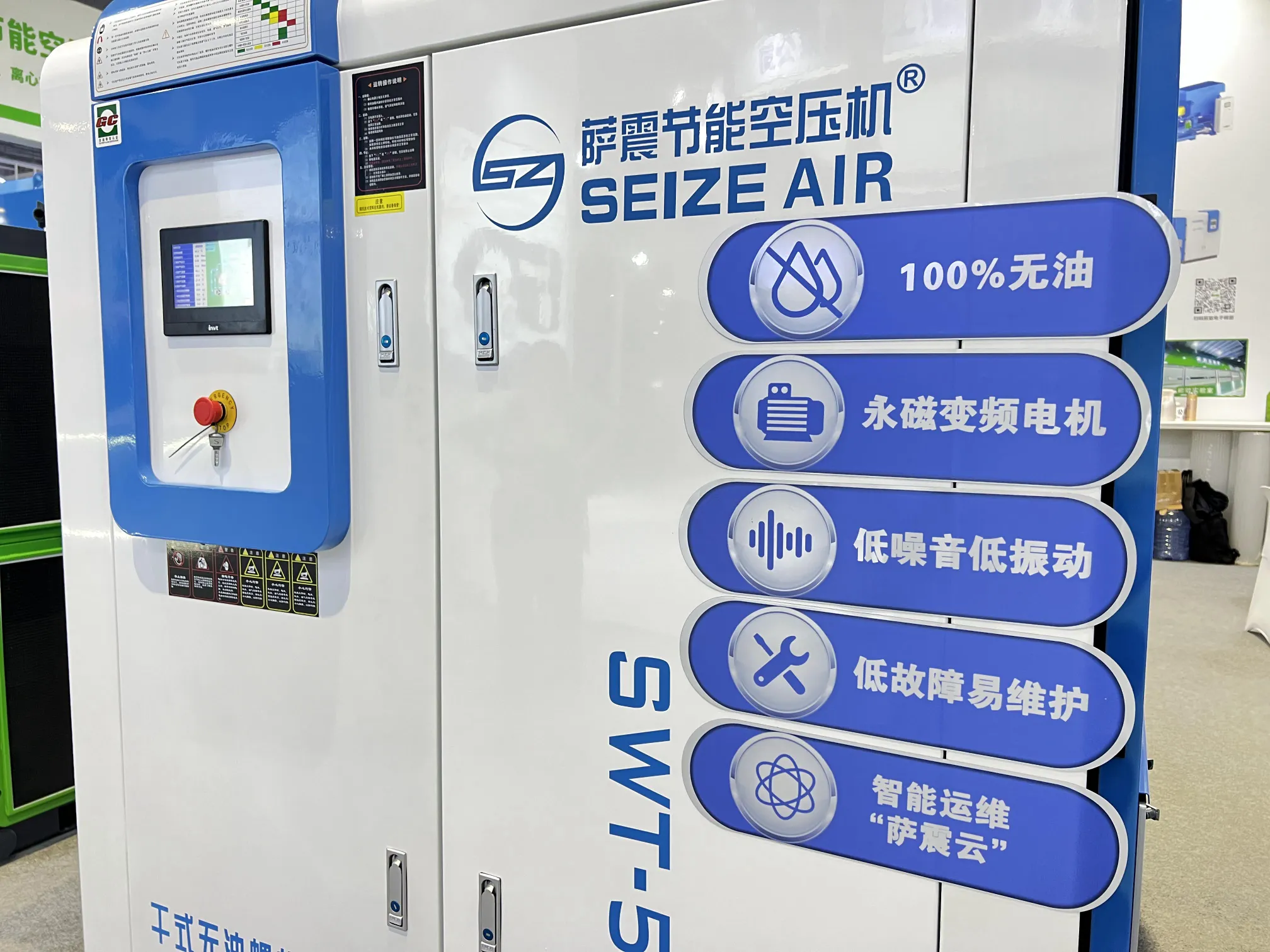 Energy Efficiency of Screw Compressors in Industrial Applications: Maximizing Savings and Sustainability
 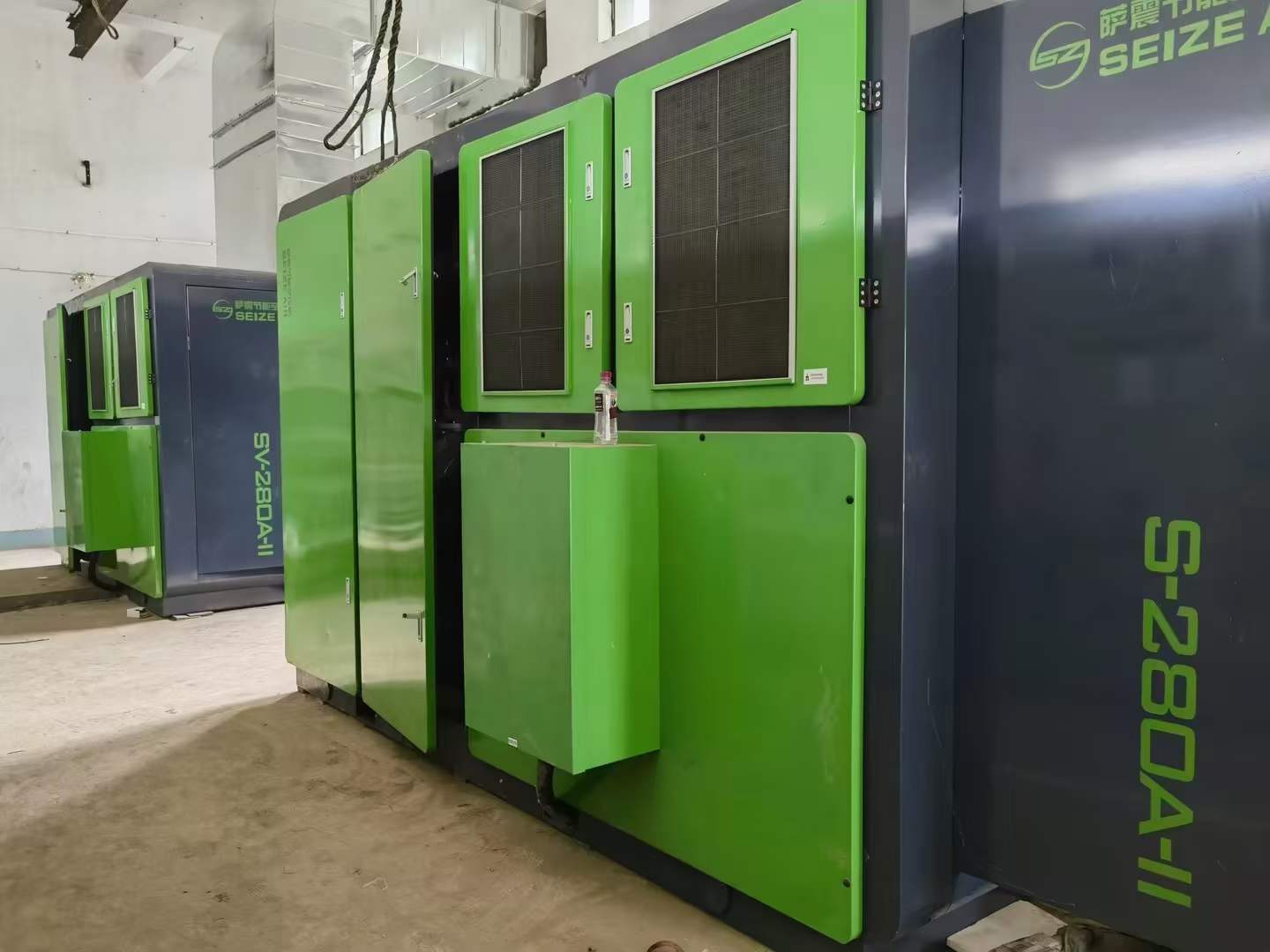 Piston vs. Screw Air Compressors: 5 Key Reasons to Choose Rotary Screw Technology
 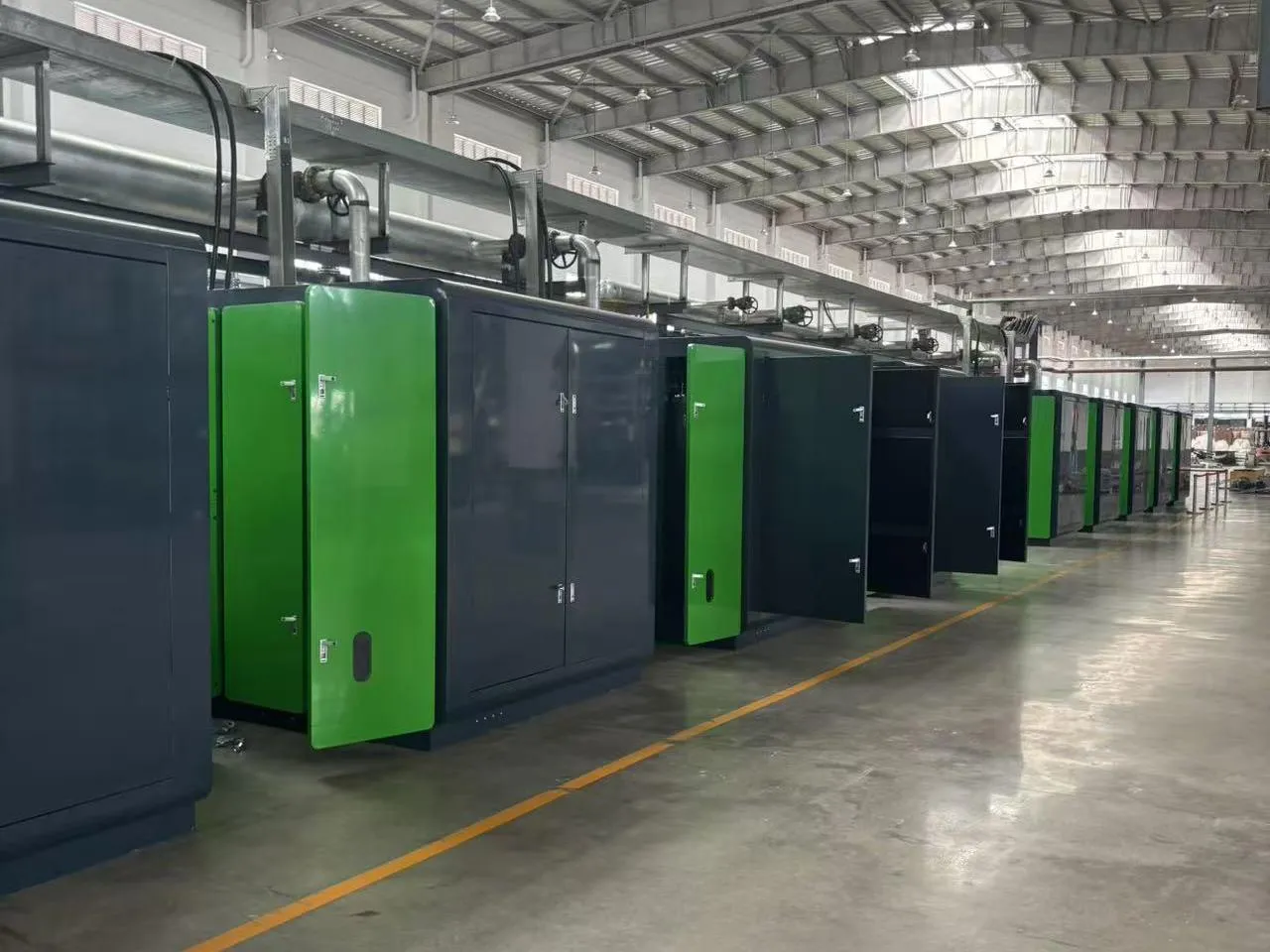 How Factories Slash Energy Costs with Energy-Efficient Air Compressors
  Why Piston Air Compressors Are Being Phased Out: A Consumer Perspective
  Permanent Magnet vs. Traditional Compressors: Which Saves More Money Long-Term?
  Technical Insights and Maintenance Tips for Water-Lubricated Compressors
  Why Oil-Free Screw Compressors Are the Future of Industrial Efficiency
  Industrial Air Compressor Solutions: Advanced Screw & Centrifugal Systems for Maximum ROI
  Energy-Efficient Compressors for Industrial Applications: Two-Stage Screw vs. Centrifugal Solutions
  Energy-Efficient Air Compressors Manufacturer in China | [Your Company Name] – Powering Sustainability Worldwide