
How to Manage and Maintain an Air Compressor That Is Not in Continuous Use
2024-11-11
In modern industrial and manufacturing environments, air compressors play a critical role as essential equipment. For air compressors that are used intermittently, proper management and maintenance are particularly crucial. Regular maintenance not only extends the lifespan of the air compressor but also ensures consistent operational efficiency.
1. Understanding the Characteristics of Intermittently Used Air Compressors
An air compressor used intermittently, as the name suggests, is a piece of equipment that starts and stops according to demand during production. Compared to continuously running air compressors, those used intermittently face unique challenges. Frequent starting and stopping can lead to issues such as oil sedimentation, increased wear on components, and dust accumulation. Proper maintenance is required to address these concerns and ensure the air compressor operates smoothly when needed.
2. Importance of Daily Management and Maintenance
For air compressors that are used intermittently, daily management and maintenance are key to ensuring efficient operation. This includes routine checks, periodic cleaning, and recording operational data.
Daily Inspections
Performing daily checks on the air compressor is essential to monitor its performance. This includes checking indicators like oil levels, air pressure, and other operational parameters. Early detection of potential problems can prevent unexpected breakdowns.
Regular Cleaning
To ensure the air compressor is running at optimal performance, regular cleaning is necessary. Clean both the compressor itself and its surrounding environment to maintain proper ventilation and cooling. Dust and debris can significantly affect the efficiency of the compressor, so keeping it clean is crucial.
Data Logging
Recording the air compressor's operational data—such as air pressure, oil temperature, and bearing temperatures—provides valuable insights into its health. This data helps identify potential issues and facilitates proactive maintenance, reducing downtime and costly repairs.

3. Maintenance of Key Air Compressor Components
The performance and longevity of an air compressor heavily depend on the maintenance of its critical components. Below are some essential maintenance tips for key parts of the air compressor:
Dust Filters and Air Filters
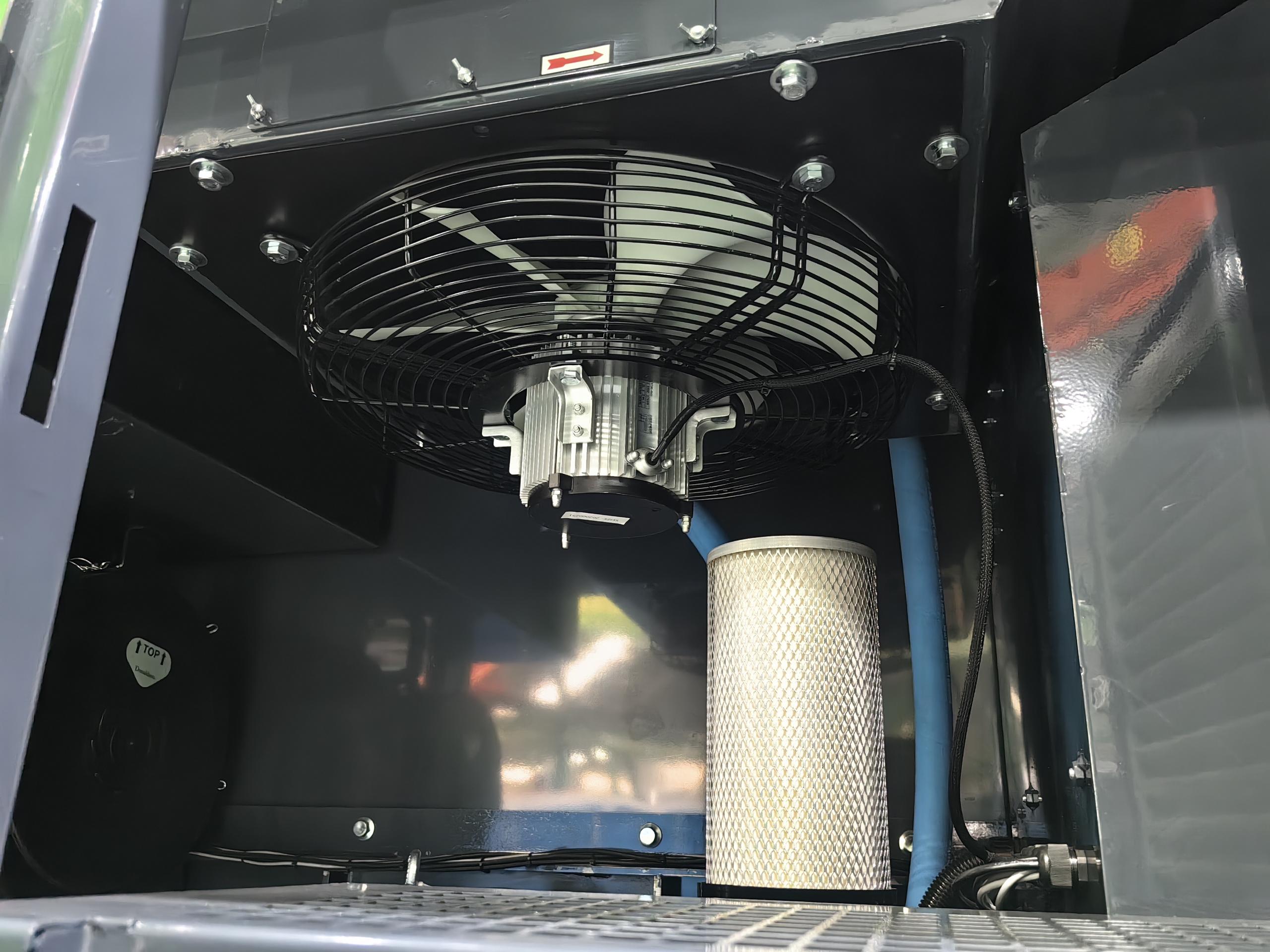
Air filters and dust filters help keep the air entering the compressor clean. Regular cleaning or replacing of the filters ensures there is no blockage or contamination, which can reduce performance and efficiency.
Oil Filters
Oil filters remove impurities from the oil, maintaining the cleanliness and effectiveness of the lubrication system. It is recommended to replace the oil filter every 3,000 hours of operation to prevent clogging and reduce wear on the bearings.
Lubrication Oil
Lubrication oil plays a crucial role in reducing friction, cooling, and sealing in key parts of the air compressor. Regular oil changes help maintain the oil's effectiveness and keep the compressor running smoothly. Change the oil as per the manufacturer’s recommendation (usually between 2,000 to 4,000 hours of operation).
Managing and maintaining an air compressor that is not in continuous use requires attention to detail and a proactive approach. By implementing daily checks, maintaining key components, and following special maintenance strategies, you can ensure the air compressor runs efficiently and has a long service life. Regular maintenance, combined with effective management practices, is key to minimizing downtime and maximizing the performance of your air compressor.
Contact us at://www.eescompressor.com/
WhatsApp:+86 15317057736

 Seize Oil-Free Screw Blowers: The Ultimate Energy-Efficient Air Compressor Solution for Industry 4.0
  Maximize Energy Efficiency with Heat Recovery Systems for Energy-Saving Air Compressors
  Top 7 Advantages of Centrifugal Blowers for Industrial Applications
  The Revolutionary Benefits of Permanent Magnet Variable Frequency Air Compressors: A Game-Changer for Modern Industries
  Variable Speed vs. Fixed Speed Air Compressors: Key Differences, Pros & Cons
  How to Choose Between Dry and Water-Lubricated Oil-Free Screw Compressors: A Comprehensive Comparison
  Centrifugal vs. Reciprocating Air Compressors: Why Centrifugal Wins for Industrial Applications
  How to Calculate Air Compressor Specific Energy Consumption (SEC) for Energy Savings: A Guide for Southeast Asia, Middle East, and Europe
  Single-Stage vs. Two-Stage Compression: Which Is Right for Your Needs?
  Maximize Your Savings: The Long-Term Cost Advantages of SEIZEAIR's Energy-Efficient Air Compressors
  Energy Efficiency of Screw Compressors in Industrial Applications: Maximizing Savings and Sustainability
  Piston vs. Screw Air Compressors: 5 Key Reasons to Choose Rotary Screw Technology
  How Factories Slash Energy Costs with Energy-Efficient Air Compressors
  Why Piston Air Compressors Are Being Phased Out: A Consumer Perspective
  Permanent Magnet vs. Traditional Compressors: Which Saves More Money Long-Term?
  Technical Insights and Maintenance Tips for Water-Lubricated Compressors
  Why Oil-Free Screw Compressors Are the Future of Industrial Efficiency
  Industrial Air Compressor Solutions: Advanced Screw & Centrifugal Systems for Maximum ROI
  Energy-Efficient Compressors for Industrial Applications: Two-Stage Screw vs. Centrifugal Solutions
  Energy-Efficient Air Compressors Manufacturer in China | [Your Company Name] – Powering Sustainability Worldwide