
Maintenance and Management of Air Compressors During Winter Cold Waves

Cold weather in winter can cause air compressors to malfunction, affecting their normal operation. To ensure that the compressor works smoothly in low temperatures, it is crucial to implement proper maintenance and management measures. Here are the key strategies for maintaining air compressors during winter:
1. Insulation and Cold Protection
Install windbreaks or enclosures: To reduce the impact of cold winds on the compressor.
Place compressors in warmer environments: Keep the equipment within the ideal operating temperature range (4.5°C - 35°C) to prevent freezing damage.
2. Keep the Equipment Dry
Install moisture barriers: Prevent moisture from entering the compressor to protect the equipment from water damage.
Prevent freezing of moisture: Ensure that the drainage system and pipes are not blocked by frozen water. Regularly check electronic condensate drains.
3. Use Appropriate Low-Temperature Oils
Choose low-viscosity oil: Ensure that the oil remains fluid in low temperatures, preventing thickening that could affect compressor performance.
Regularly check oil condition: Make sure that the oil is not thickened due to low temperatures.
4. Routine Maintenance and Inspections
Replace filters regularly: Ensure air quality is optimal and maintain compressor performance.
Check internal cleanliness of the compressor: Remove accumulated dust and oil to prevent clogging and corrosion.
Monitor gauges and pressure indicators: Regularly check pressure and temperature readings to detect any abnormalities.
Inspect pipes and seals: Ensure there are no leaks, and replace any damaged components promptly.
5. Operational Procedures and Staff Training
Train operators: Ensure that staff are knowledgeable about correct operational and maintenance procedures and can detect potential issues early.
Follow operational protocols: Perform checks before startup, and monitor data during operation. If any abnormalities arise, stop the machine immediately for inspection.
6. Emergency Preparedness
Keep spare parts on hand: Stock essential parts in advance to minimize downtime during equipment failure.
Establish emergency response plans: Ensure clear procedures are in place for addressing faults, with easy access to professional repair personnel when necessary.
By implementing measures such as insulation, moisture control, selecting appropriate oils, regular inspections, and operator training, you can effectively reduce the impact of cold weather on air compressors. This will help maintain stable performance and prolong the service life of the equipment during winter months.

 Seize Oil-Free Screw Blowers: The Ultimate Energy-Efficient Air Compressor Solution for Industry 4.0
 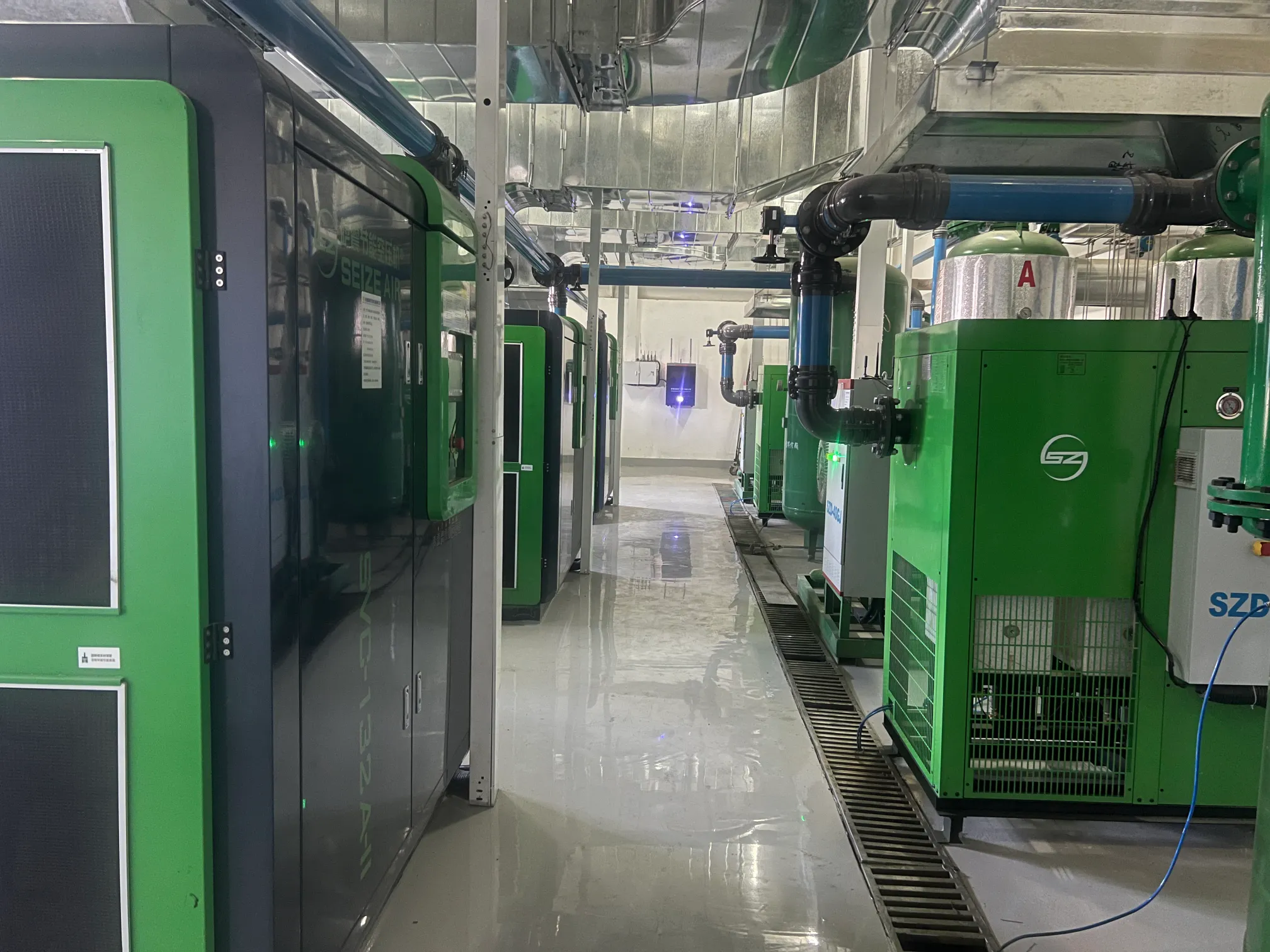 Maximize Energy Efficiency with Heat Recovery Systems for Energy-Saving Air Compressors
 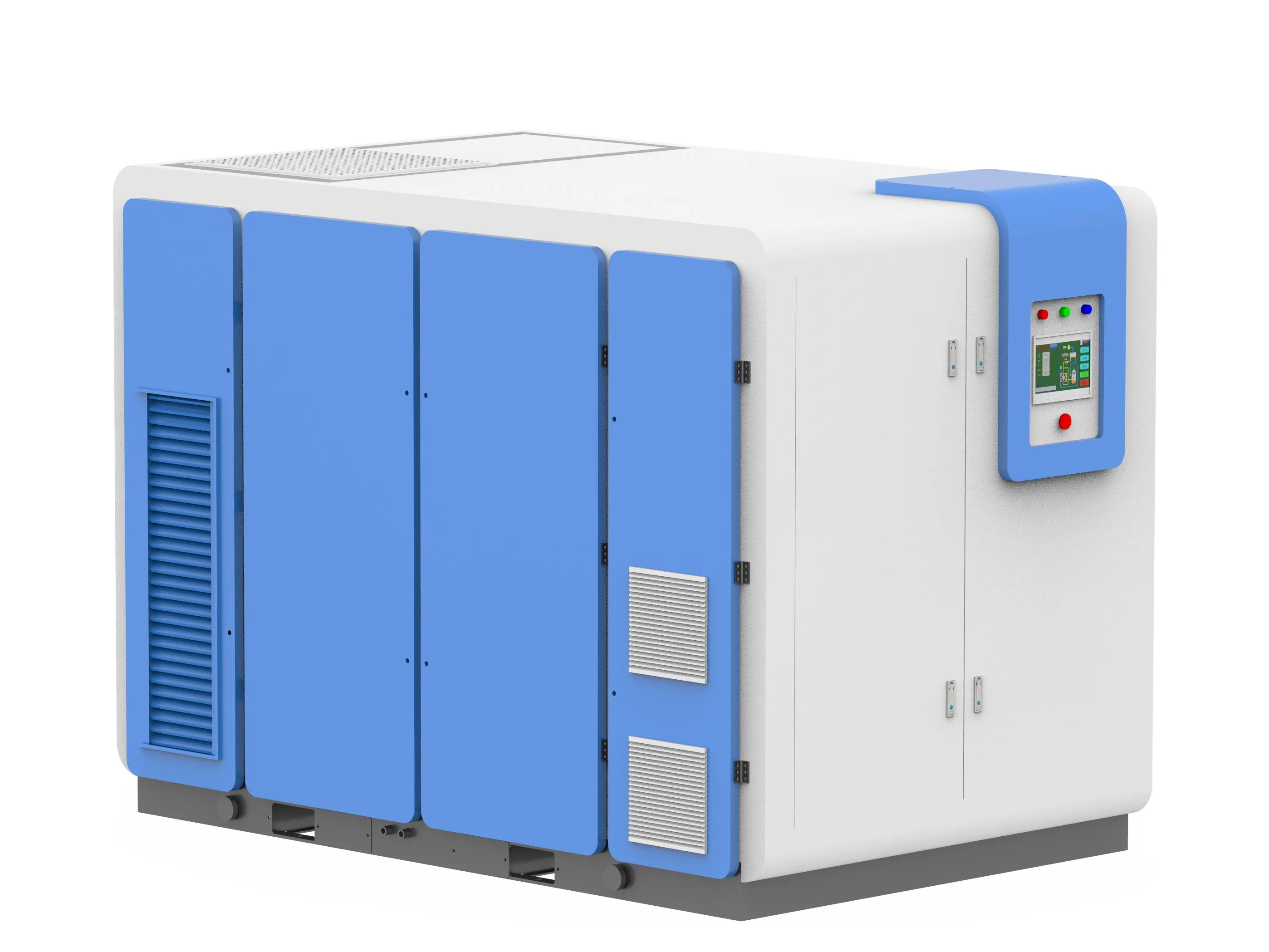 Top 7 Advantages of Centrifugal Blowers for Industrial Applications
 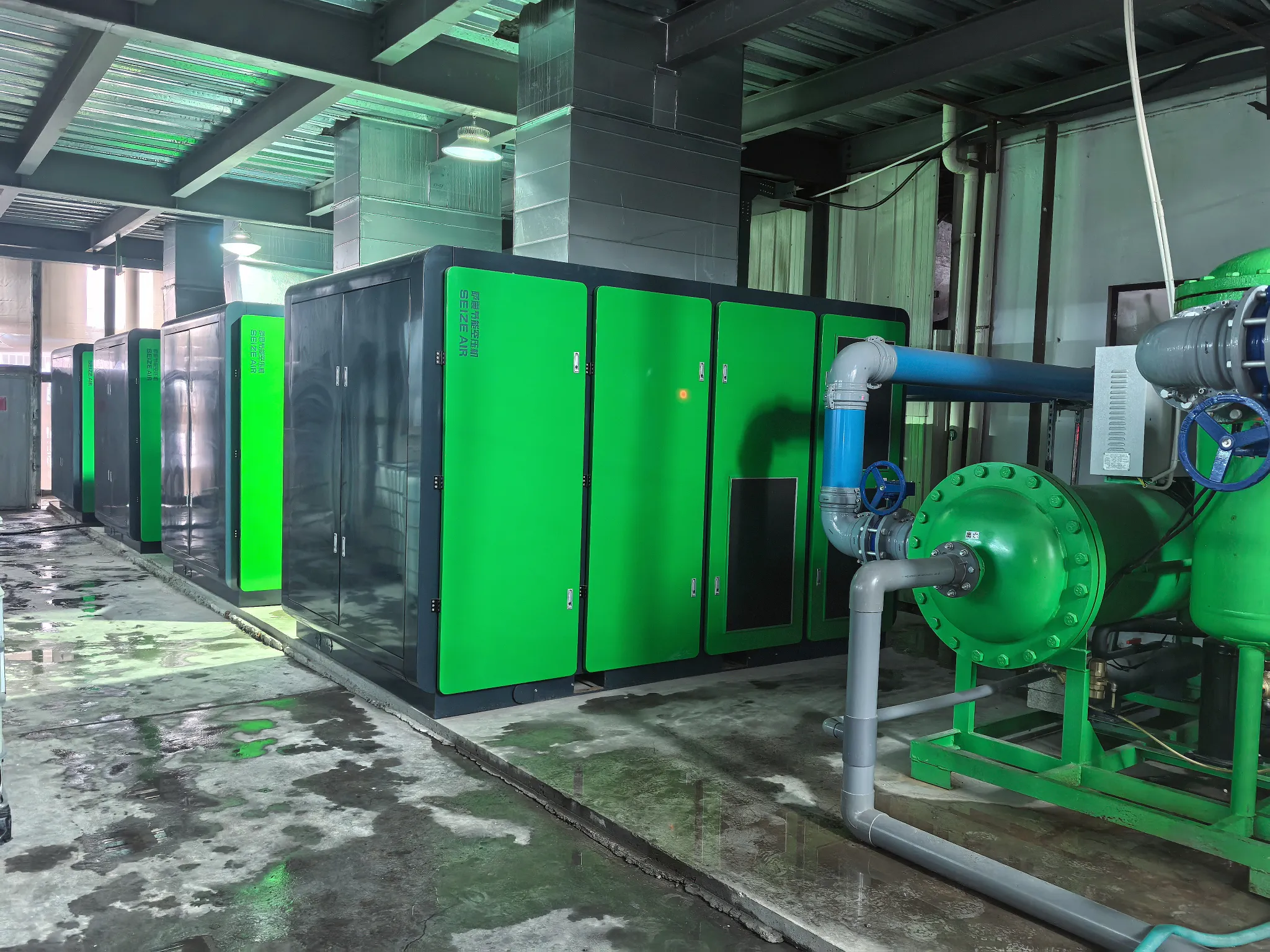 The Revolutionary Benefits of Permanent Magnet Variable Frequency Air Compressors: A Game-Changer for Modern Industries
 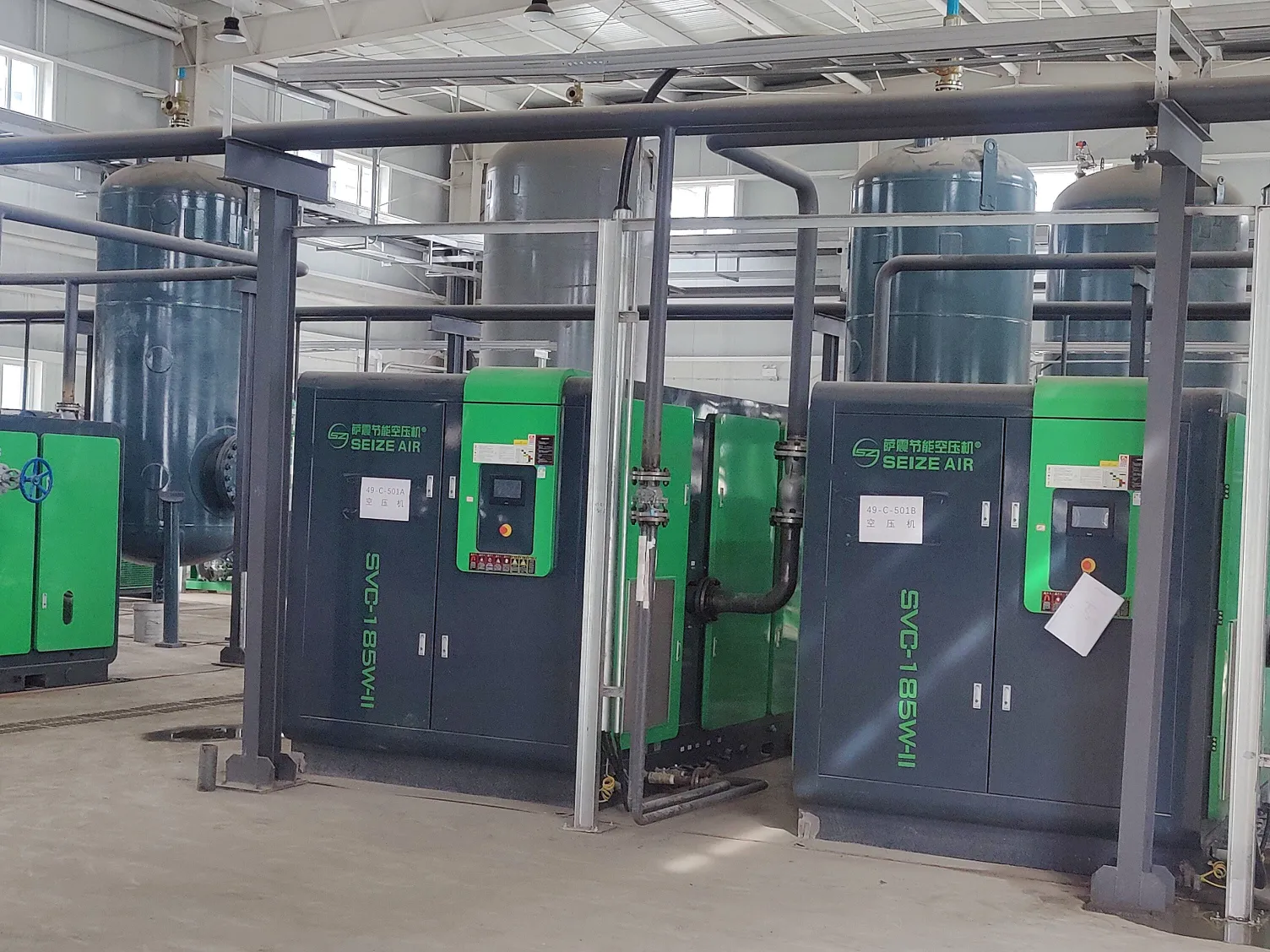 Variable Speed vs. Fixed Speed Air Compressors: Key Differences, Pros & Cons
 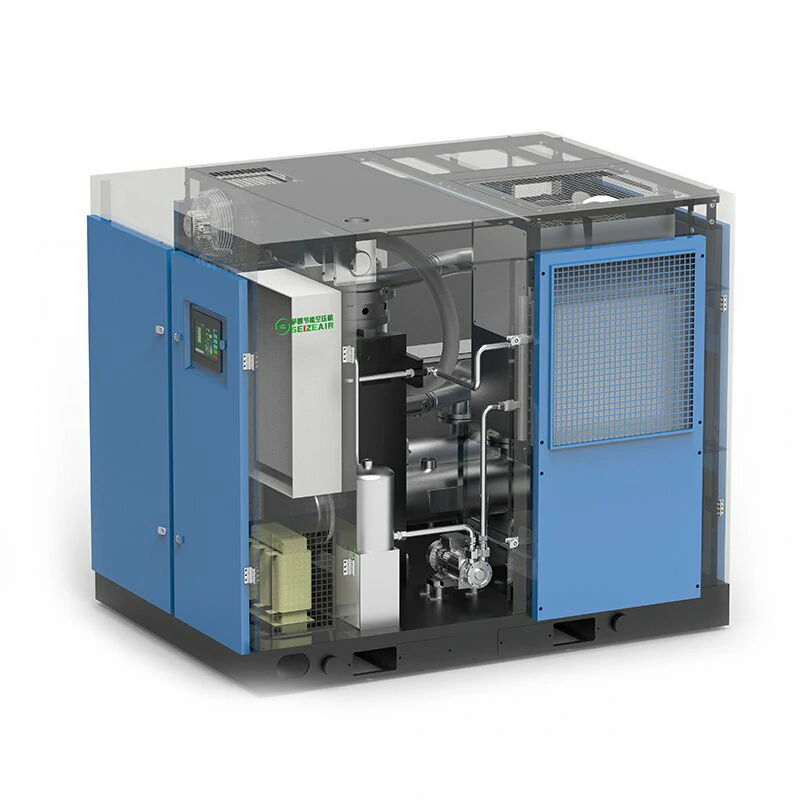 How to Choose Between Dry and Water-Lubricated Oil-Free Screw Compressors: A Comprehensive Comparison
 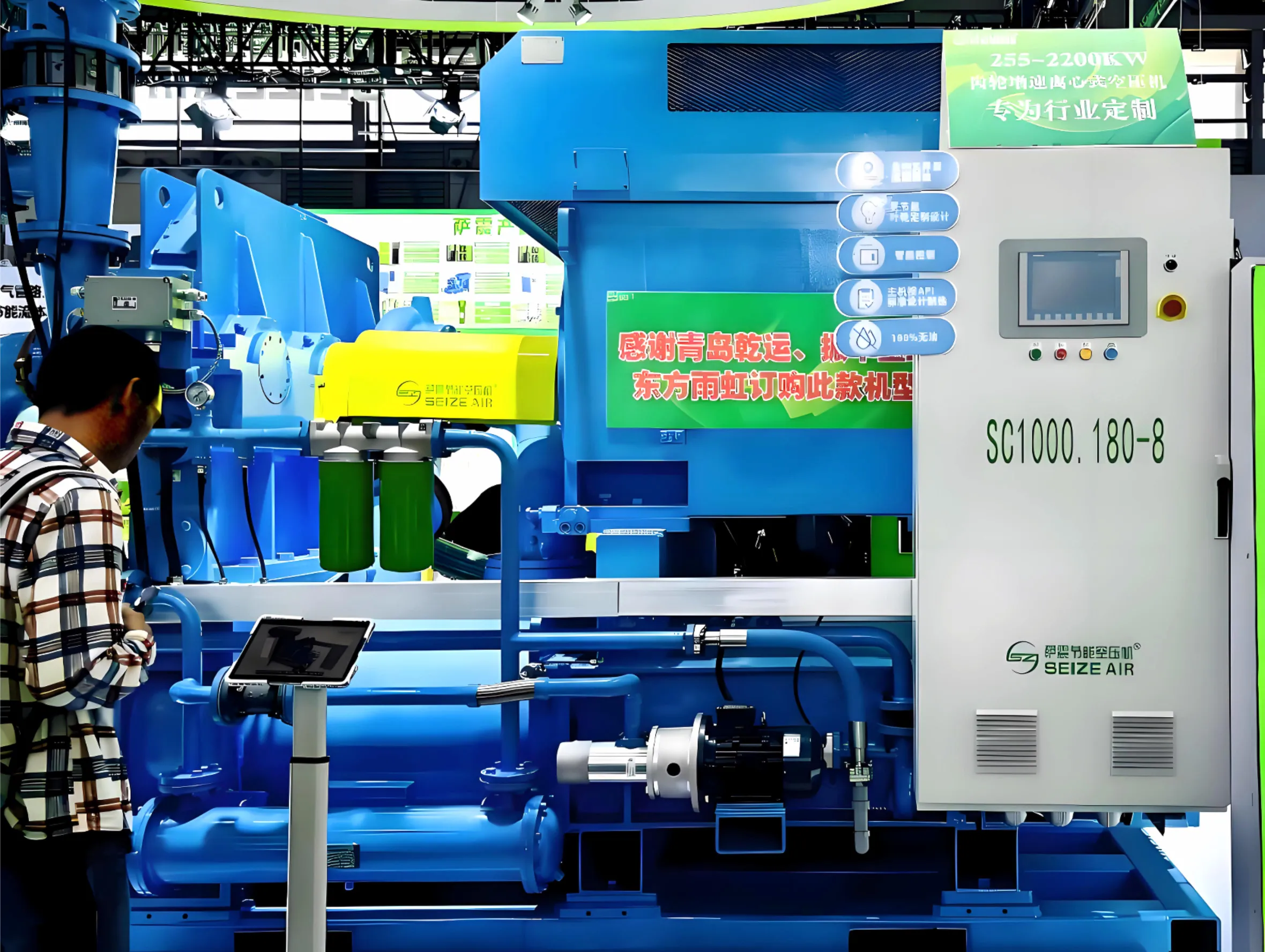 Centrifugal vs. Reciprocating Air Compressors: Why Centrifugal Wins for Industrial Applications
 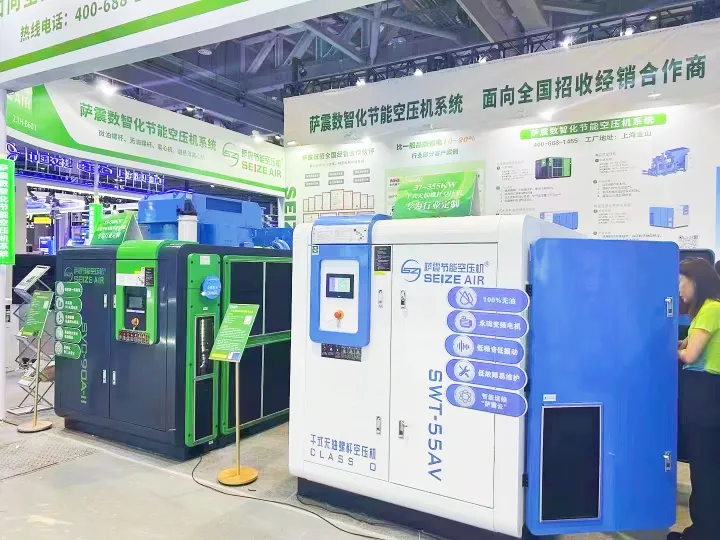 How to Calculate Air Compressor Specific Energy Consumption (SEC) for Energy Savings: A Guide for Southeast Asia, Middle East, and Europe
  Single-Stage vs. Two-Stage Compression: Which Is Right for Your Needs?
 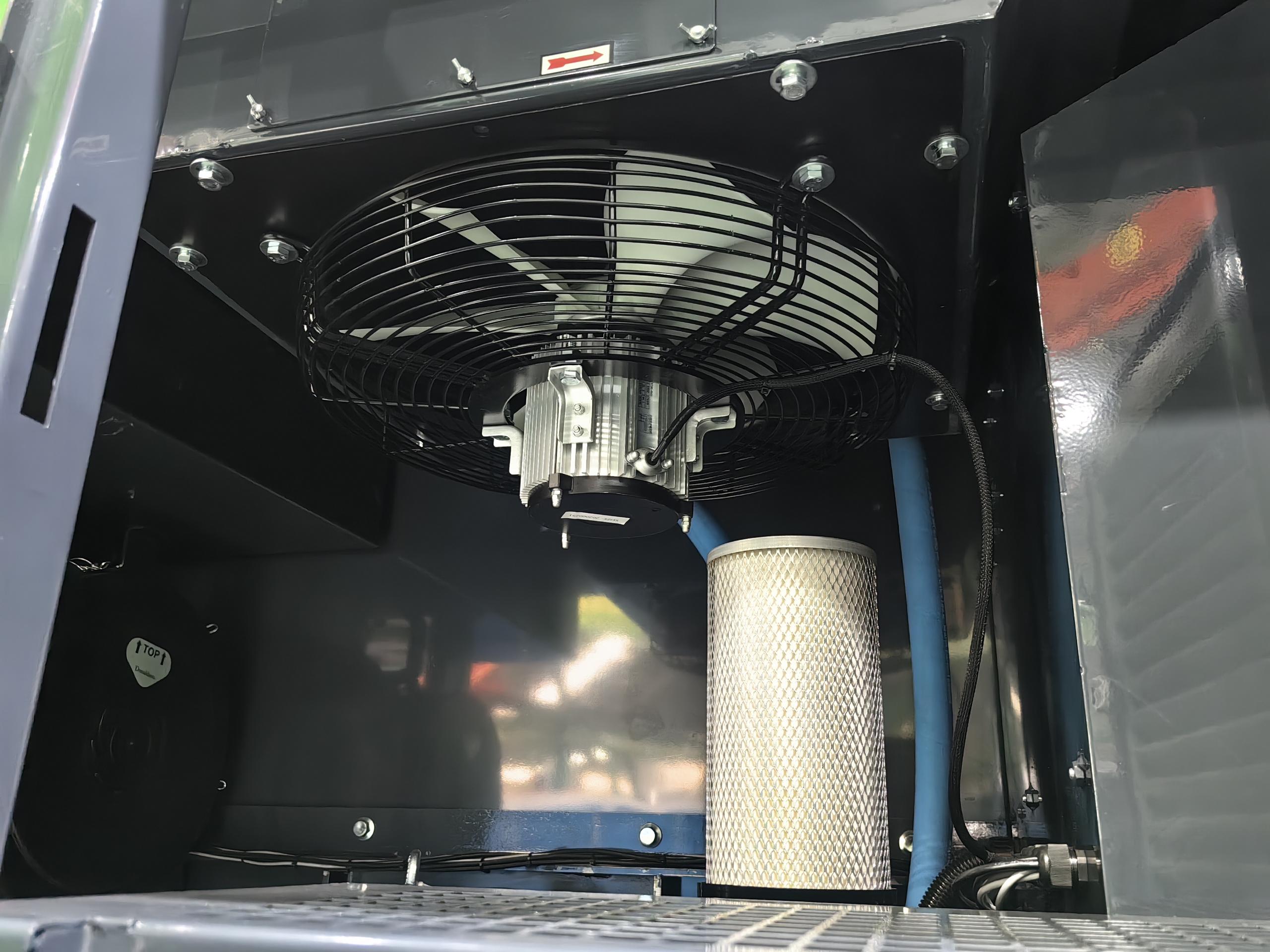 Maximize Your Savings: The Long-Term Cost Advantages of SEIZEAIR's Energy-Efficient Air Compressors
 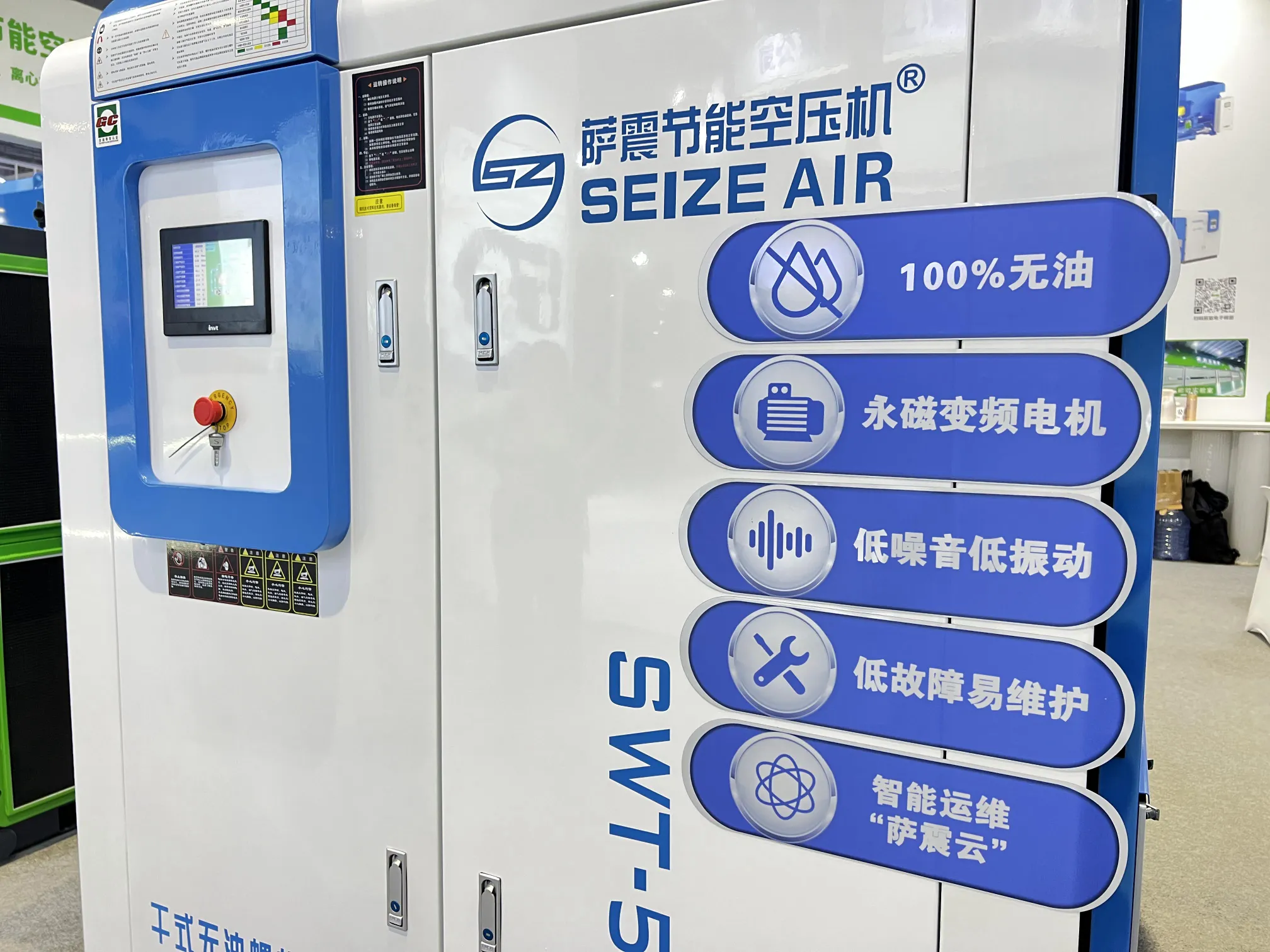 Energy Efficiency of Screw Compressors in Industrial Applications: Maximizing Savings and Sustainability
 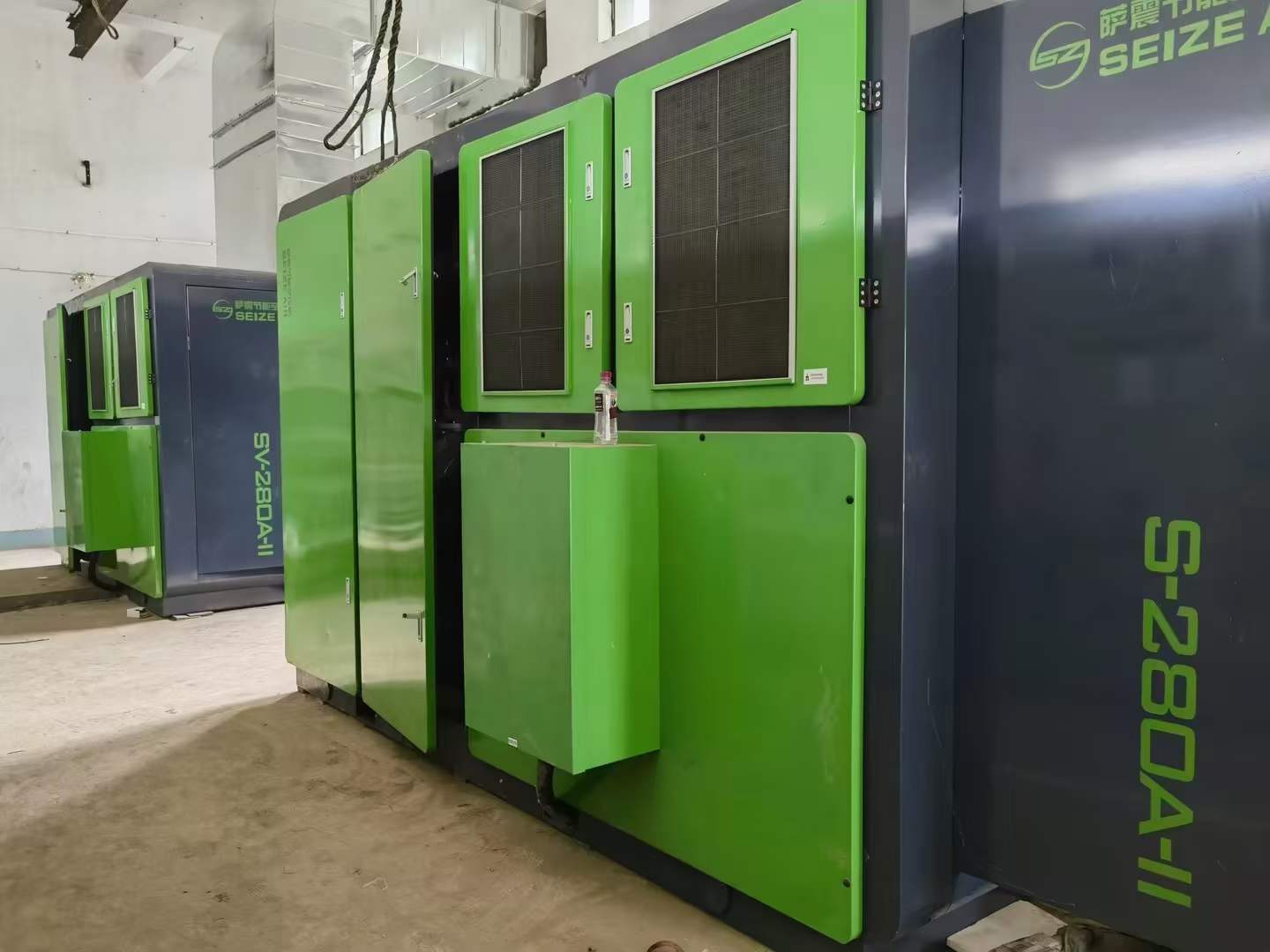 Piston vs. Screw Air Compressors: 5 Key Reasons to Choose Rotary Screw Technology
 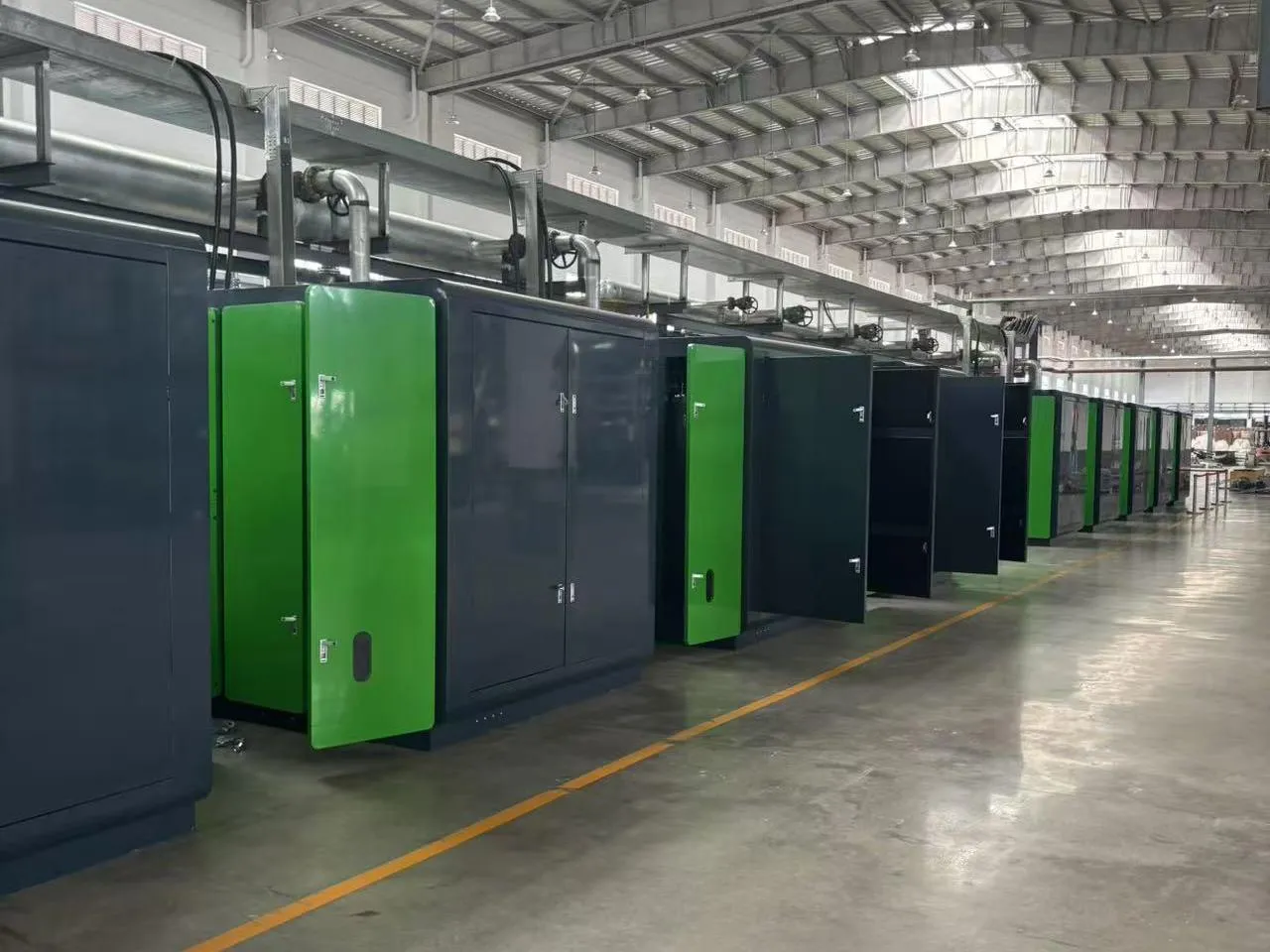 How Factories Slash Energy Costs with Energy-Efficient Air Compressors
 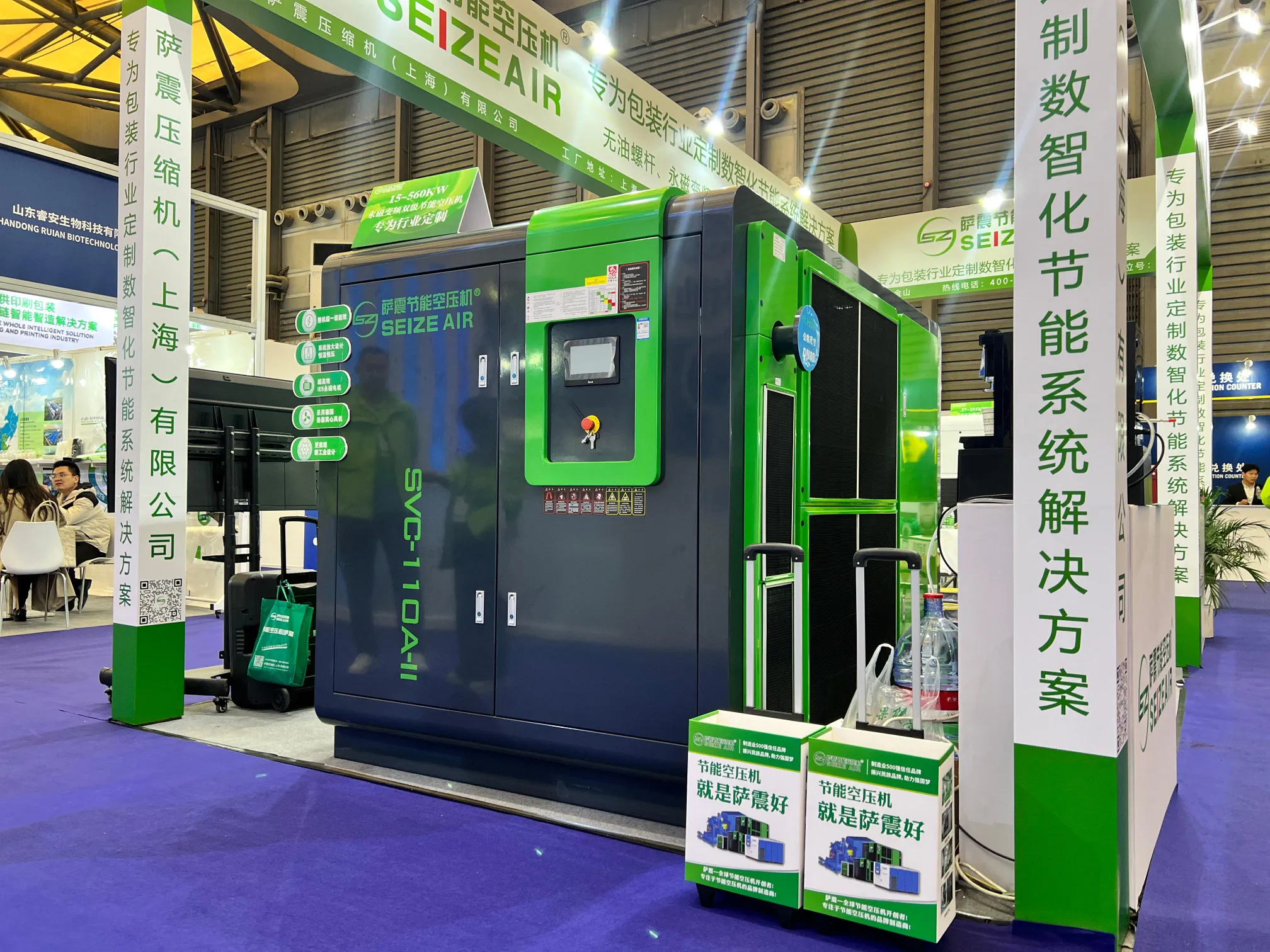 Why Piston Air Compressors Are Being Phased Out: A Consumer Perspective
 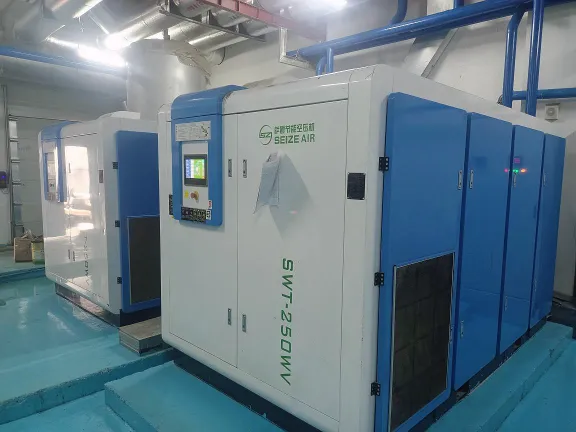 Permanent Magnet vs. Traditional Compressors: Which Saves More Money Long-Term?
  Technical Insights and Maintenance Tips for Water-Lubricated Compressors
 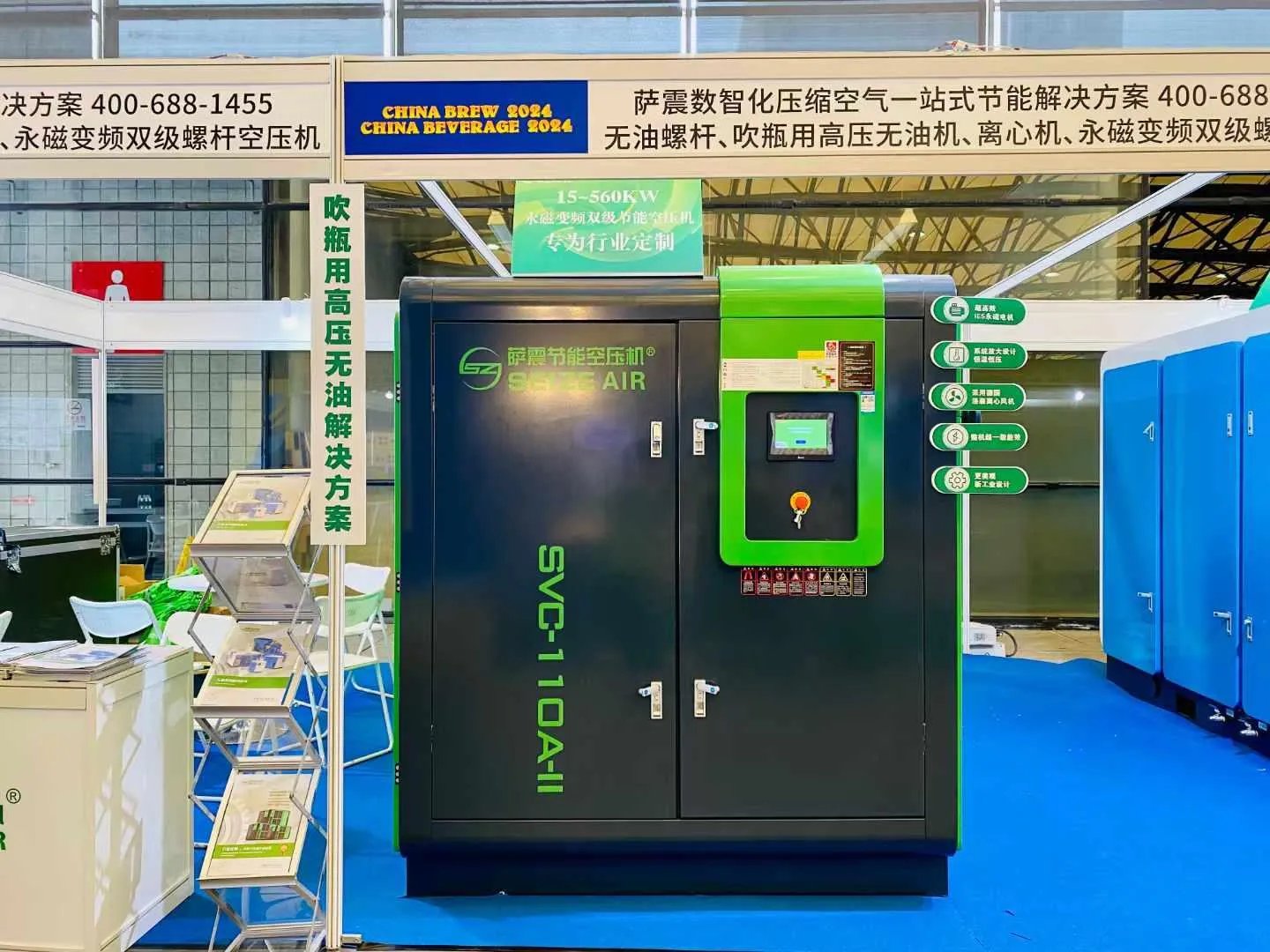 Why Oil-Free Screw Compressors Are the Future of Industrial Efficiency
 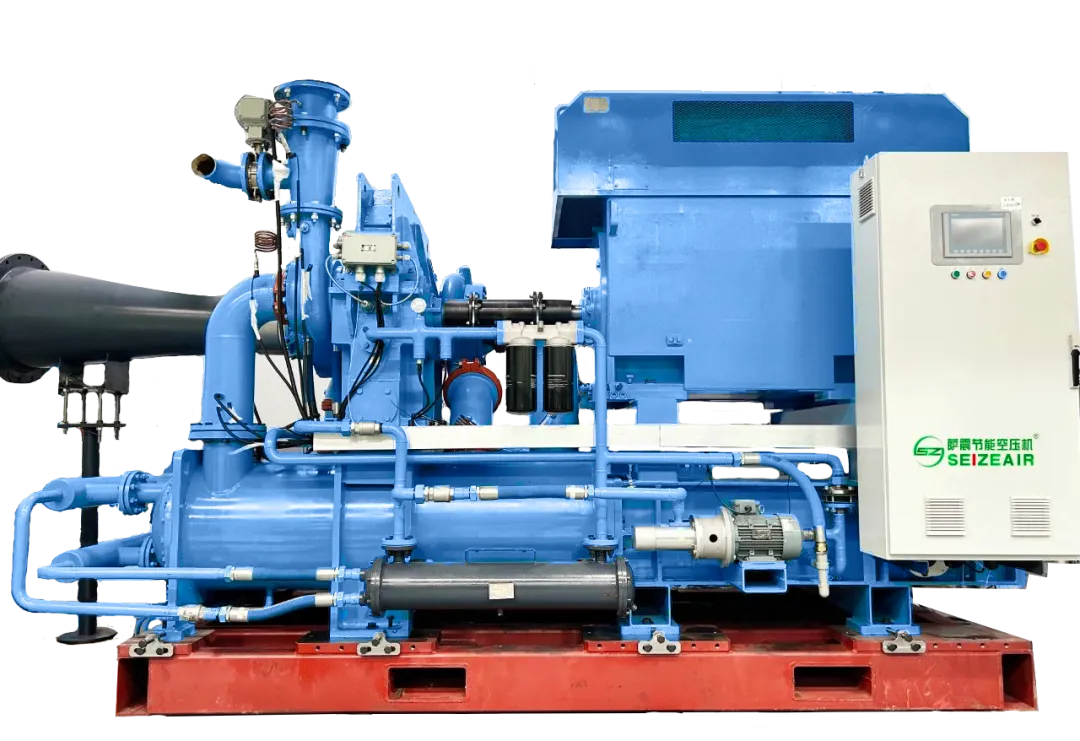 Industrial Air Compressor Solutions: Advanced Screw & Centrifugal Systems for Maximum ROI
 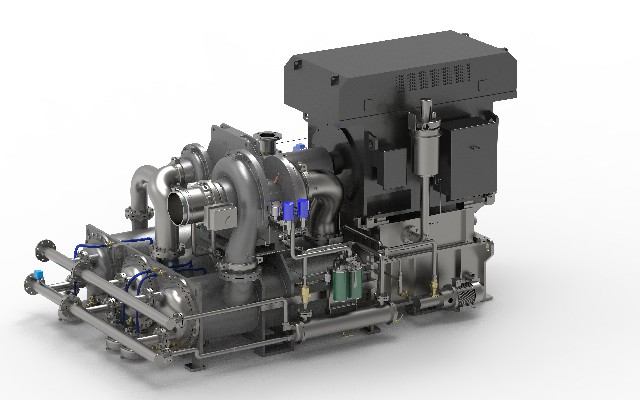 Energy-Efficient Compressors for Industrial Applications: Two-Stage Screw vs. Centrifugal Solutions
  Energy-Efficient Air Compressors Manufacturer in China | [Your Company Name] – Powering Sustainability Worldwide