
Oil-Gas Separation in Oil-Injected Screw Air Compressors

Oil-injected screw air compressors are essential in many industries, and one of the critical components is the oil-gas separator, which separates oil from the compressed air. The separation process involves several stages and principles, ensuring cleaner air and efficient operation.
1. Formation of Oil-Gas Mixture
In these compressors, lubricating oil is injected into the compression rotors. The oil mixes with the compressed air, forming an oil-gas mixture that needs to be separated before the air is delivered.
2. Oil-Gas Separation Process
Coarse Separation:
When the oil-gas mixture enters the separator, larger oil droplets are removed through gravitational settling and centrifugal force. Baffles inside the separator help capture these large droplets, which then fall to the bottom.
Fine Separation:
The remaining fine droplets are filtered out by a coalescing filter or similar media. Smaller oil droplets combine into larger ones, which are separated by gravity, leaving clean, oil-free compressed air.
3. Key Factors Affecting Separation Efficiency
Droplet Size: Larger droplets are easier to separate.
Gas Flow Rate: Slower flow improves separation efficiency.
Separator Design: The design of the separator, including internal filters and baffles, enhances oil removal.
4. Importance of Oil-Gas Separators
A well-functioning oil-gas separator is crucial for maintaining compressed air purity and ensuring that air leaving the compressor is free of oil. This also helps reduce maintenance costs and improves the longevity of the compressor by preventing oil contamination in downstream equipment.
The oil-gas separation process in screw compressors combines centrifugal force, gravity, and filtration to efficiently separate oil from compressed air. With the right separator design and optimized conditions, compressors can operate more efficiently and last longer, providing clean air for industrial applications.

 Seize Oil-Free Screw Blowers: The Ultimate Energy-Efficient Air Compressor Solution for Industry 4.0
 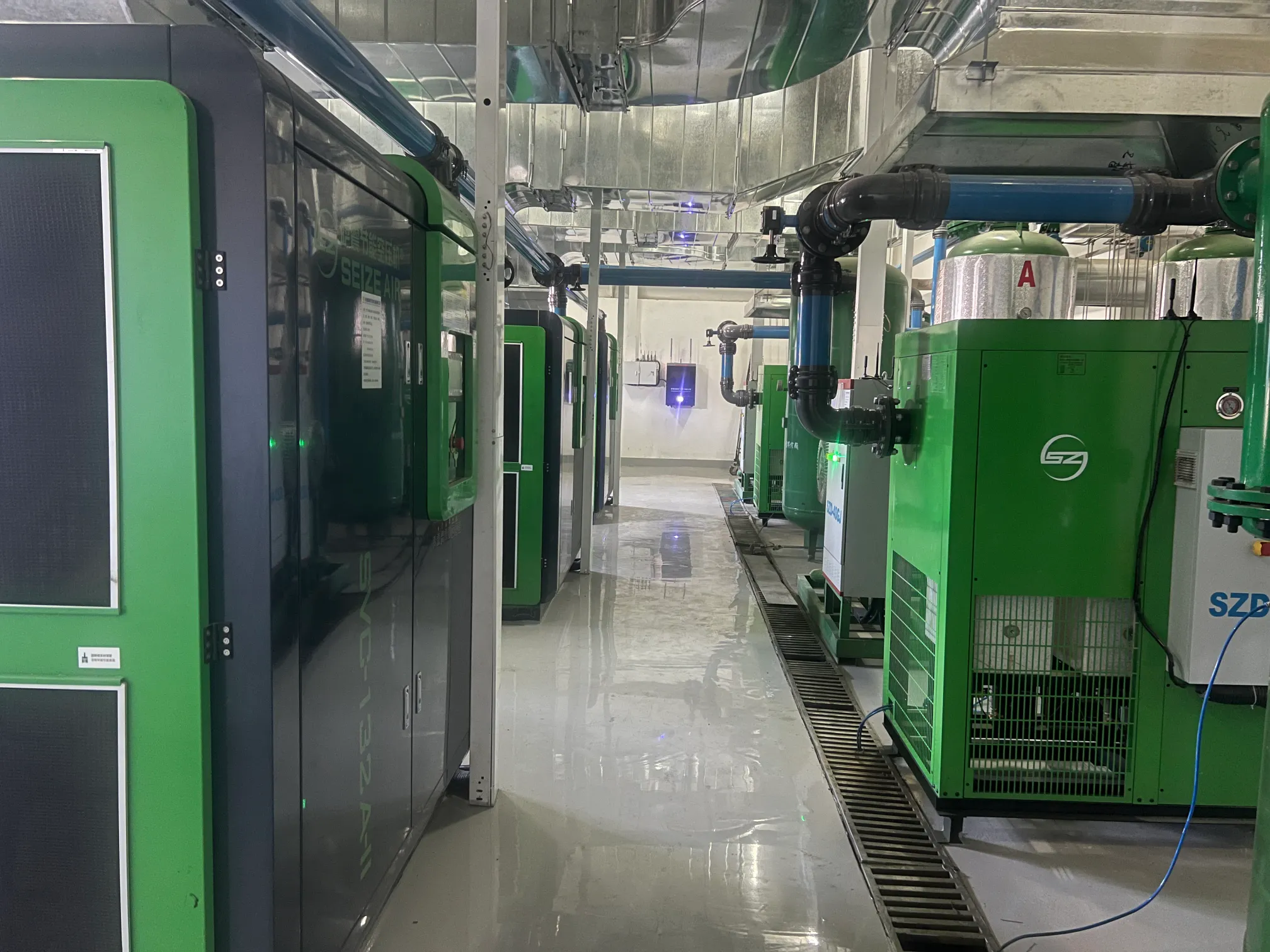 Maximize Energy Efficiency with Heat Recovery Systems for Energy-Saving Air Compressors
 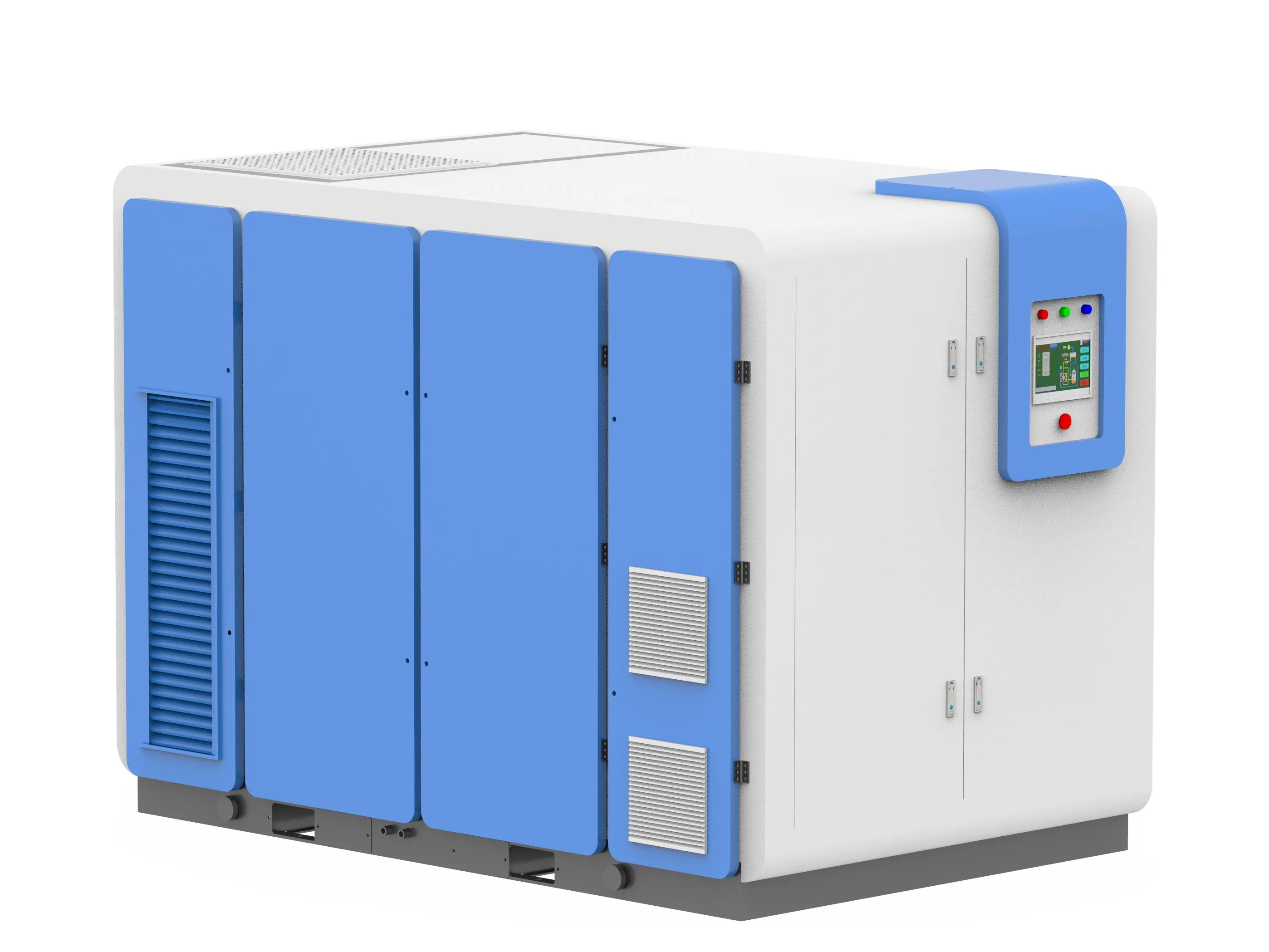 Top 7 Advantages of Centrifugal Blowers for Industrial Applications
 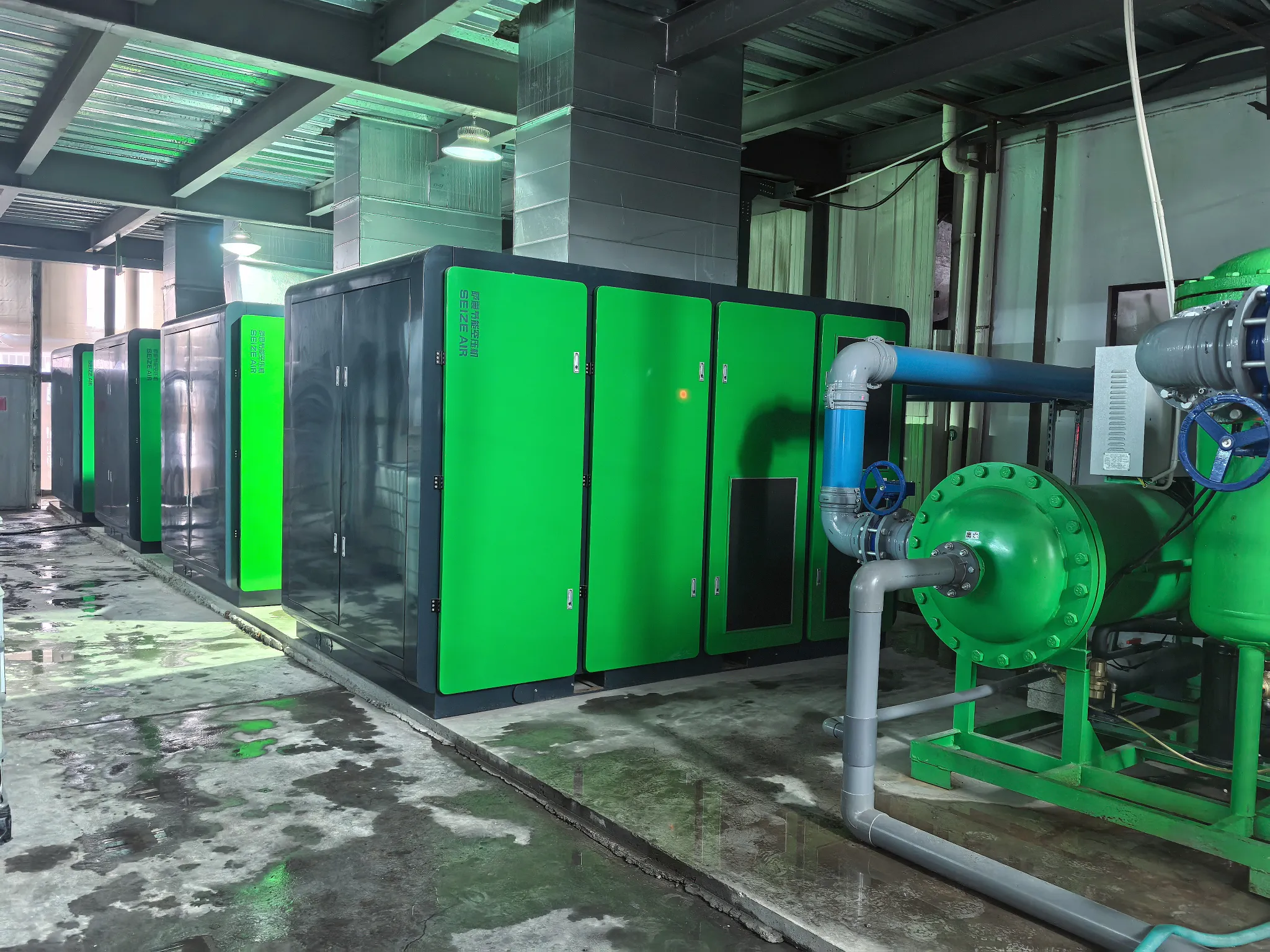 The Revolutionary Benefits of Permanent Magnet Variable Frequency Air Compressors: A Game-Changer for Modern Industries
 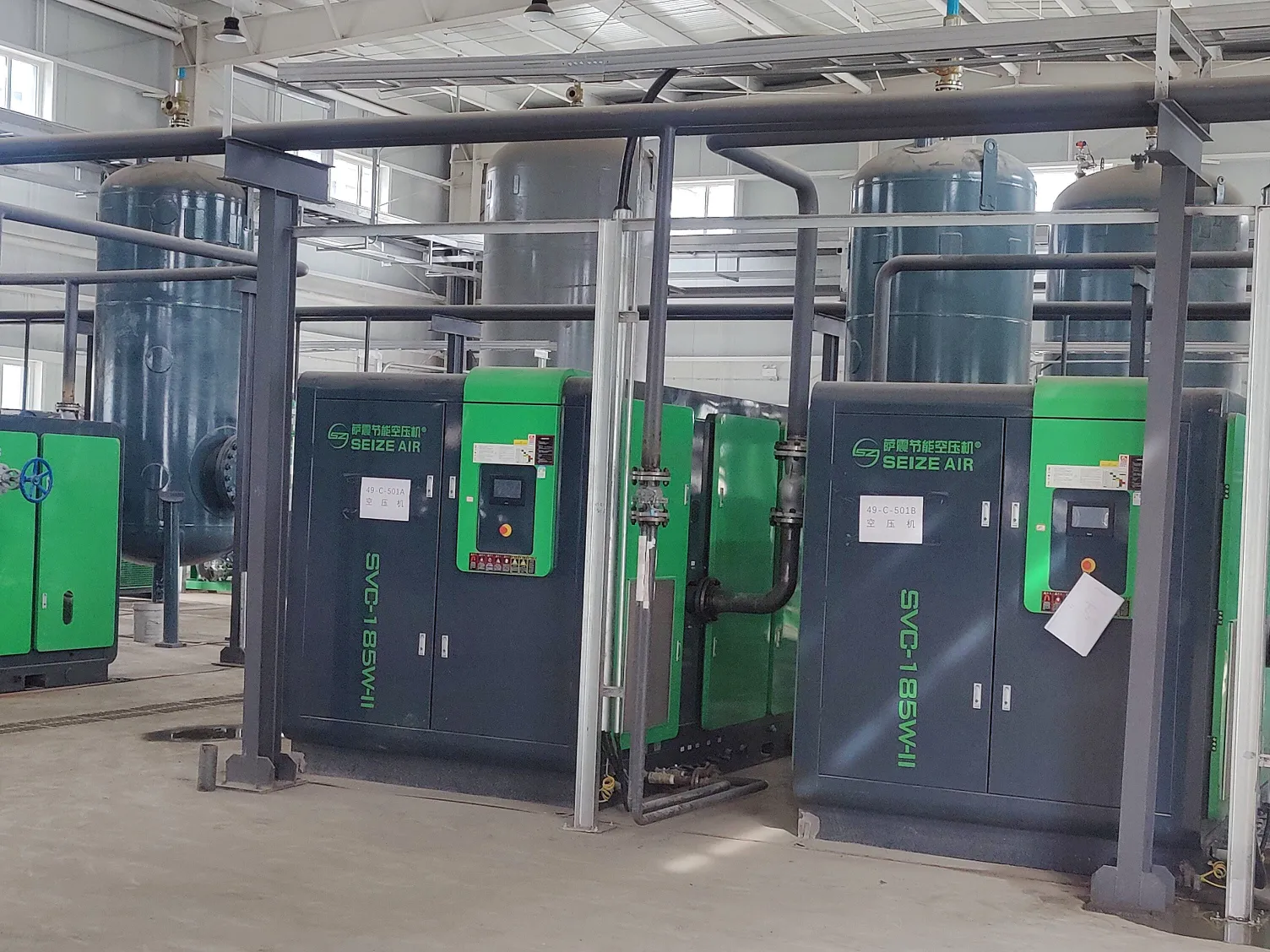 Variable Speed vs. Fixed Speed Air Compressors: Key Differences, Pros & Cons
  How to Choose Between Dry and Water-Lubricated Oil-Free Screw Compressors: A Comprehensive Comparison
  Centrifugal vs. Reciprocating Air Compressors: Why Centrifugal Wins for Industrial Applications
  How to Calculate Air Compressor Specific Energy Consumption (SEC) for Energy Savings: A Guide for Southeast Asia, Middle East, and Europe
  Single-Stage vs. Two-Stage Compression: Which Is Right for Your Needs?
  Maximize Your Savings: The Long-Term Cost Advantages of SEIZEAIR's Energy-Efficient Air Compressors
 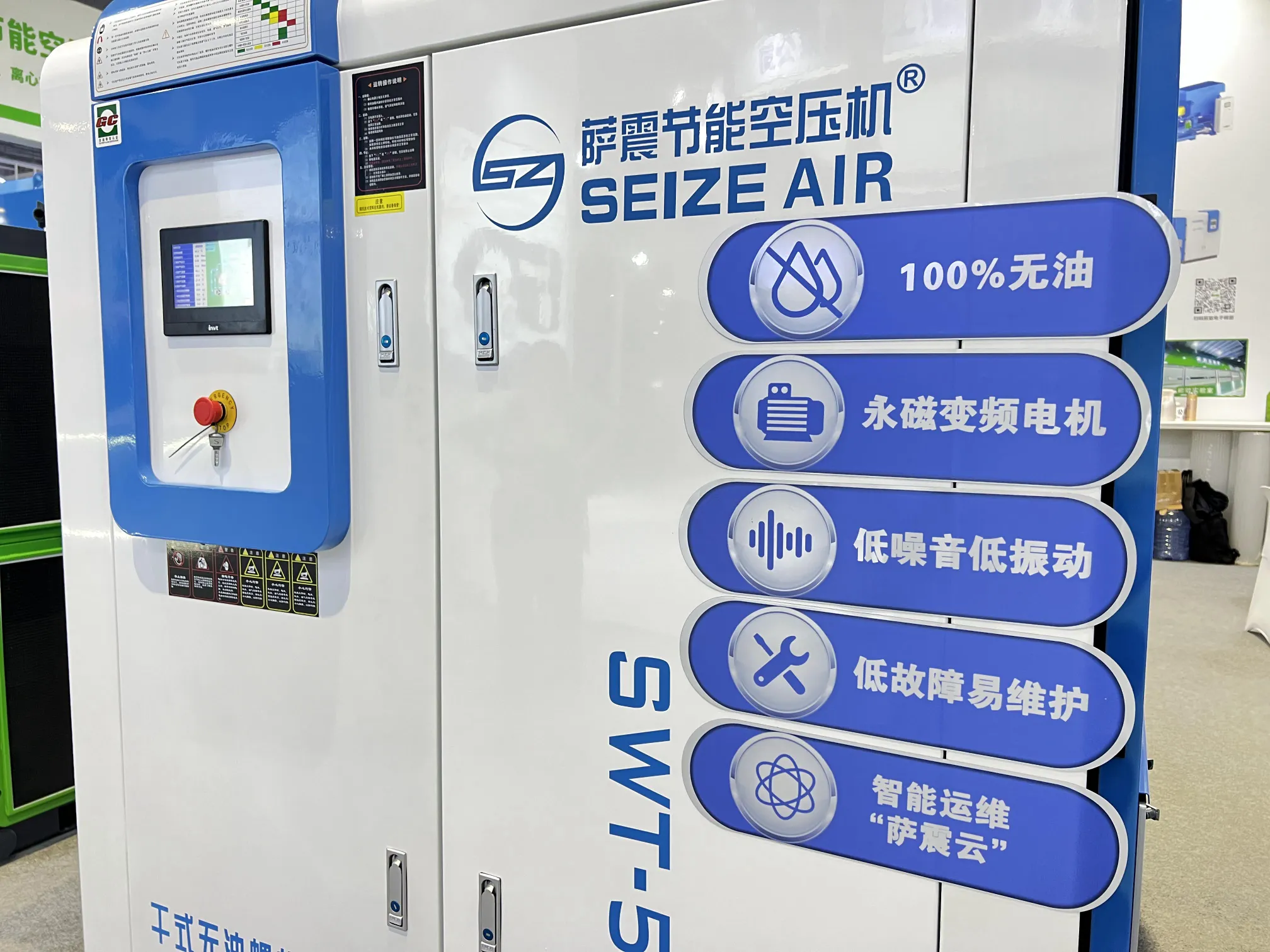 Energy Efficiency of Screw Compressors in Industrial Applications: Maximizing Savings and Sustainability
 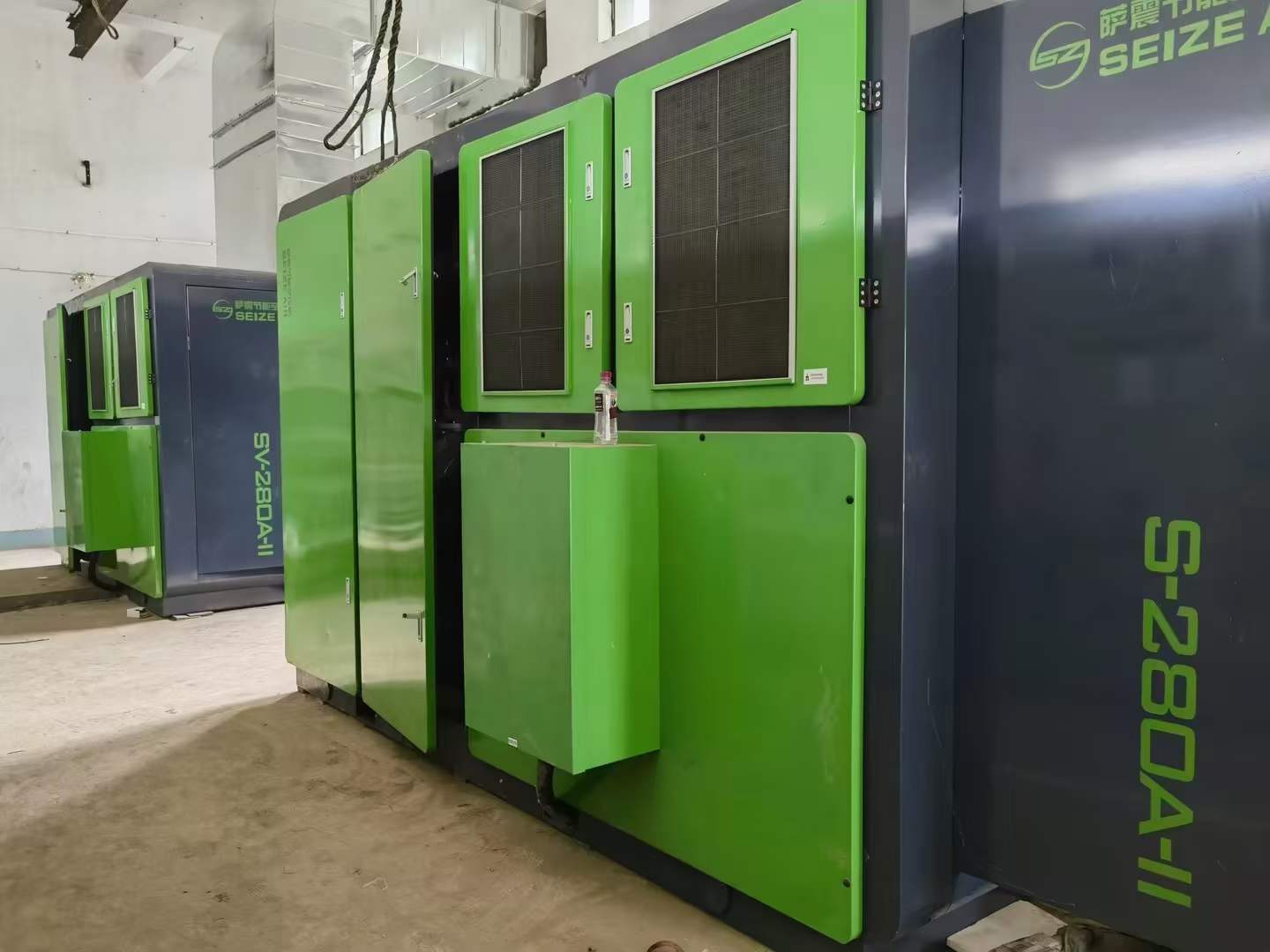 Piston vs. Screw Air Compressors: 5 Key Reasons to Choose Rotary Screw Technology
 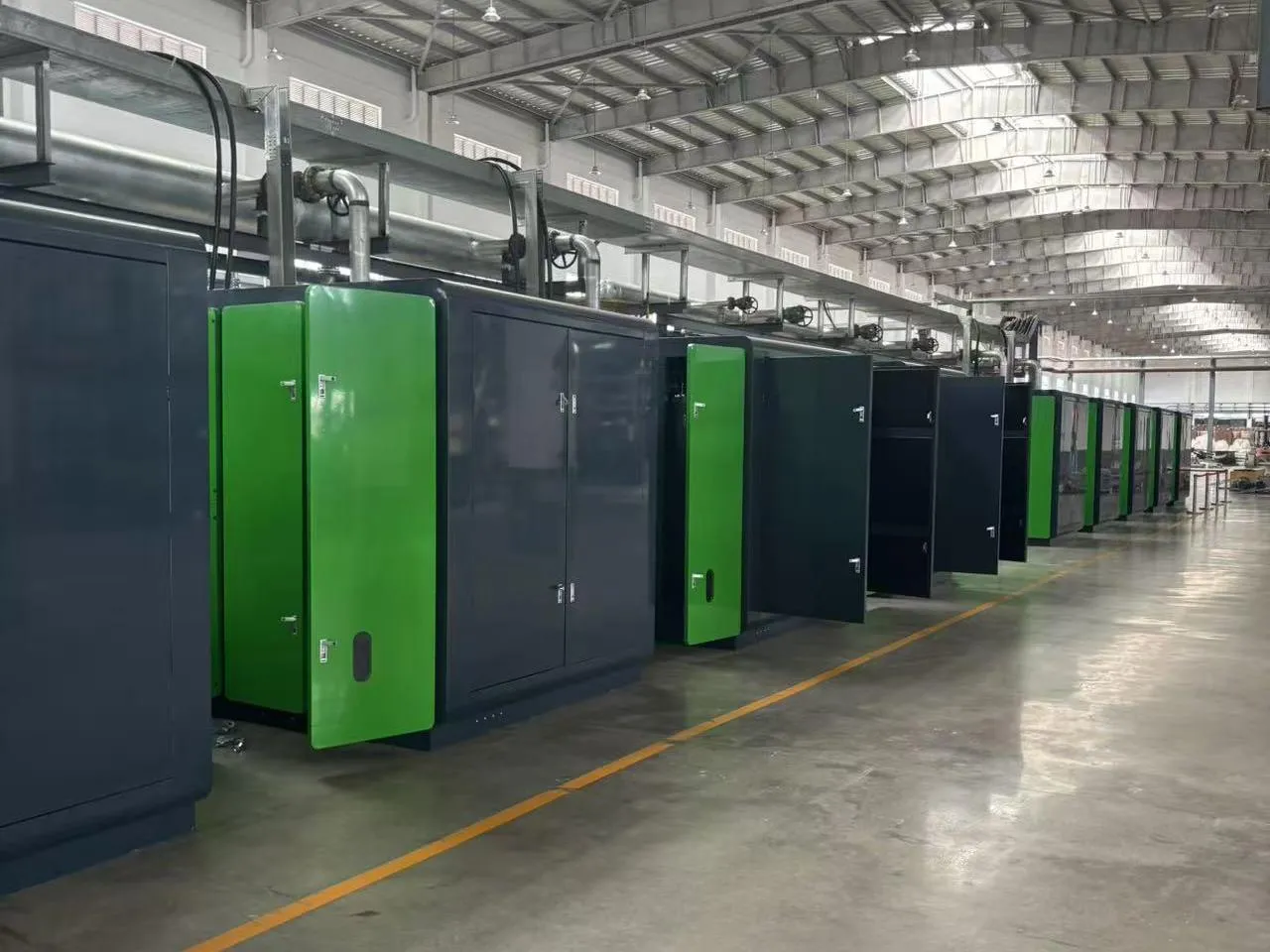 How Factories Slash Energy Costs with Energy-Efficient Air Compressors
 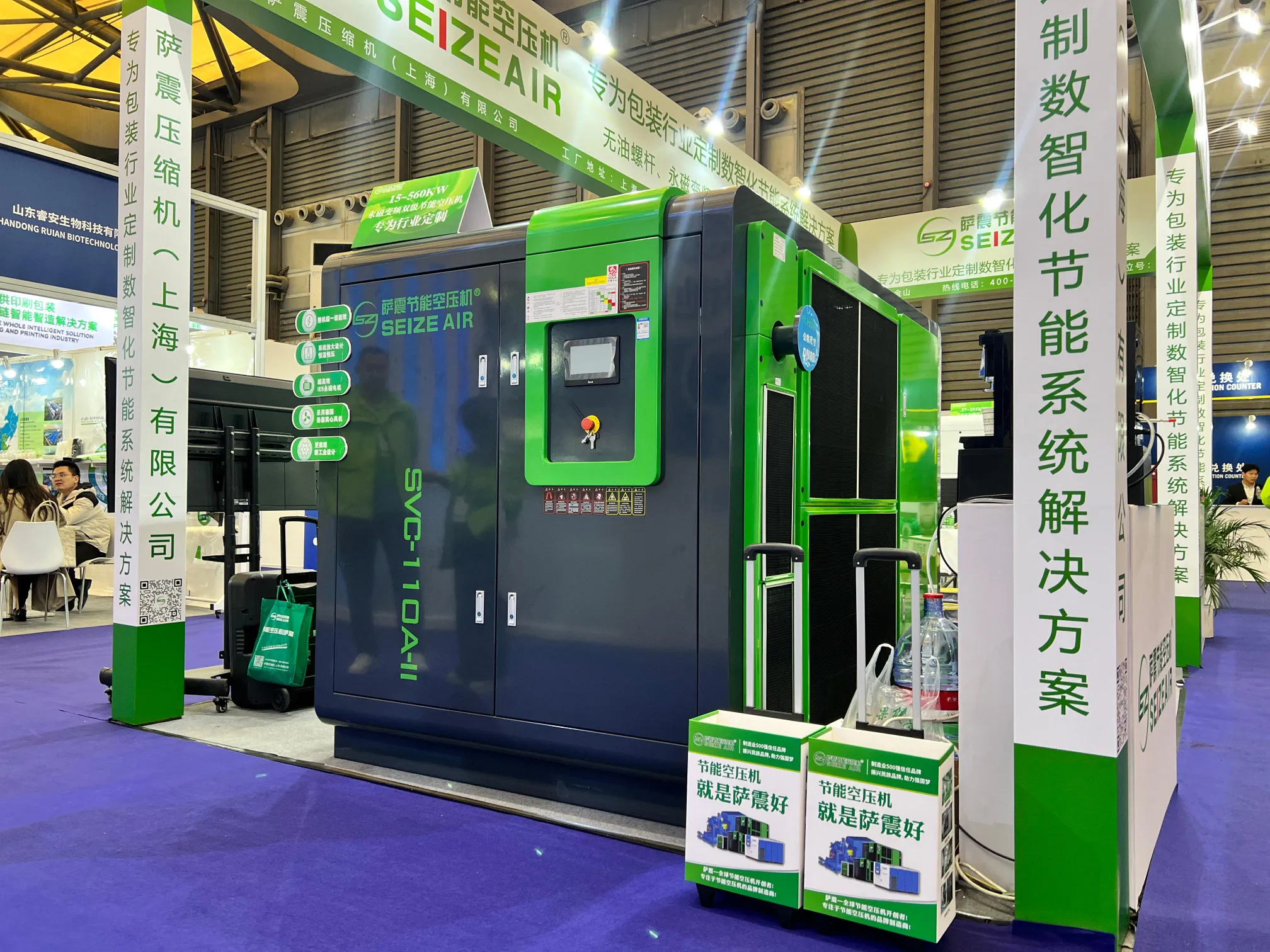 Why Piston Air Compressors Are Being Phased Out: A Consumer Perspective
 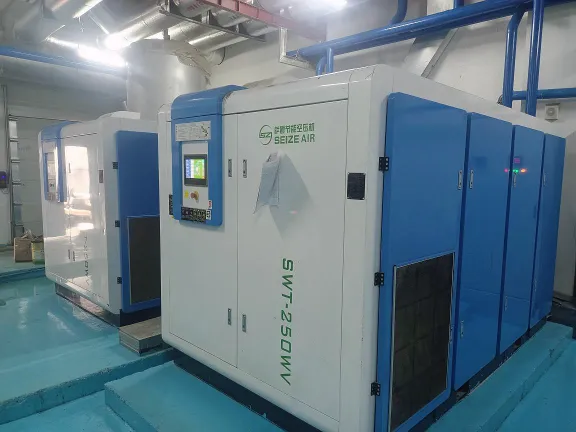 Permanent Magnet vs. Traditional Compressors: Which Saves More Money Long-Term?
  Technical Insights and Maintenance Tips for Water-Lubricated Compressors
 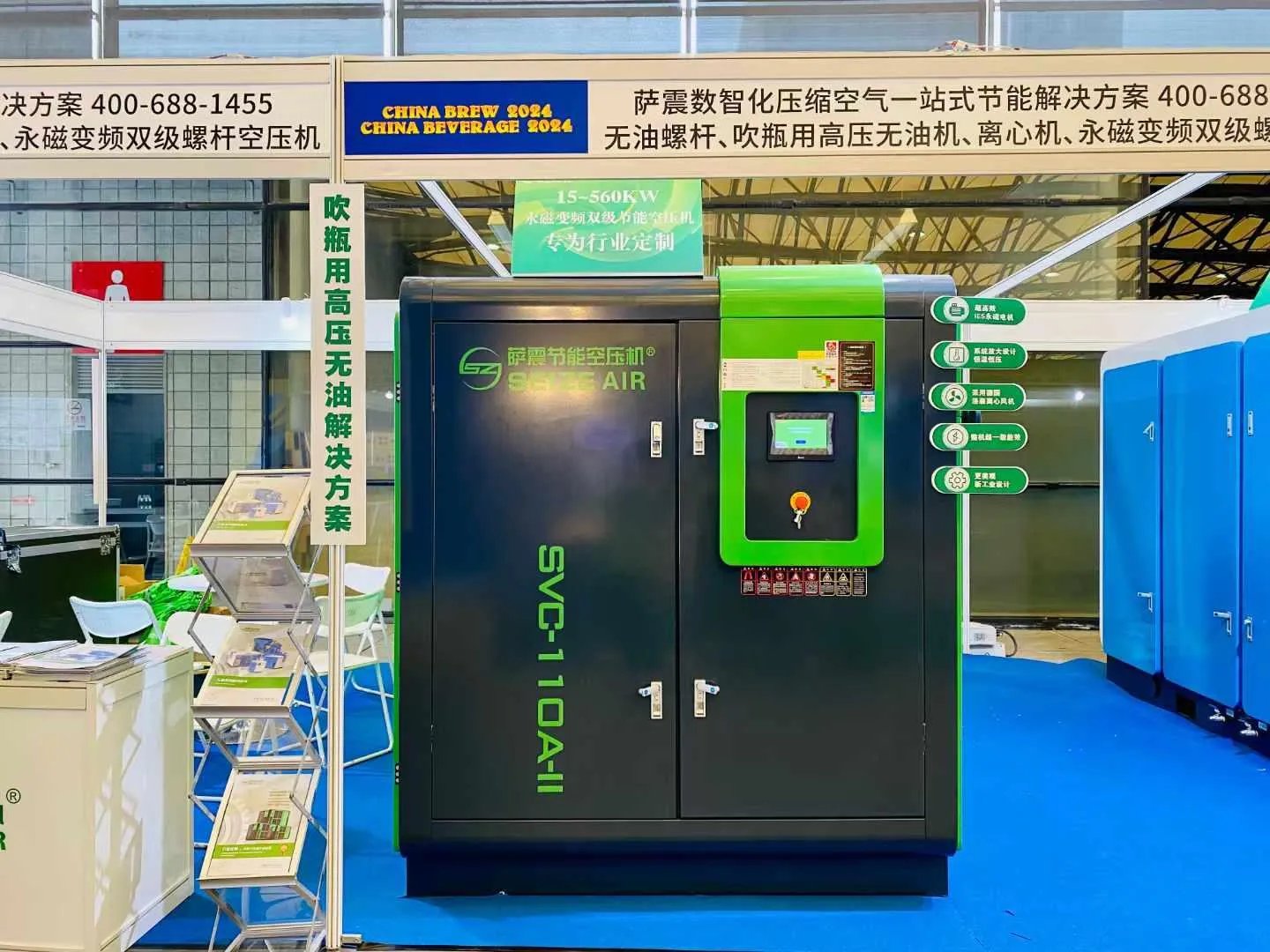 Why Oil-Free Screw Compressors Are the Future of Industrial Efficiency
 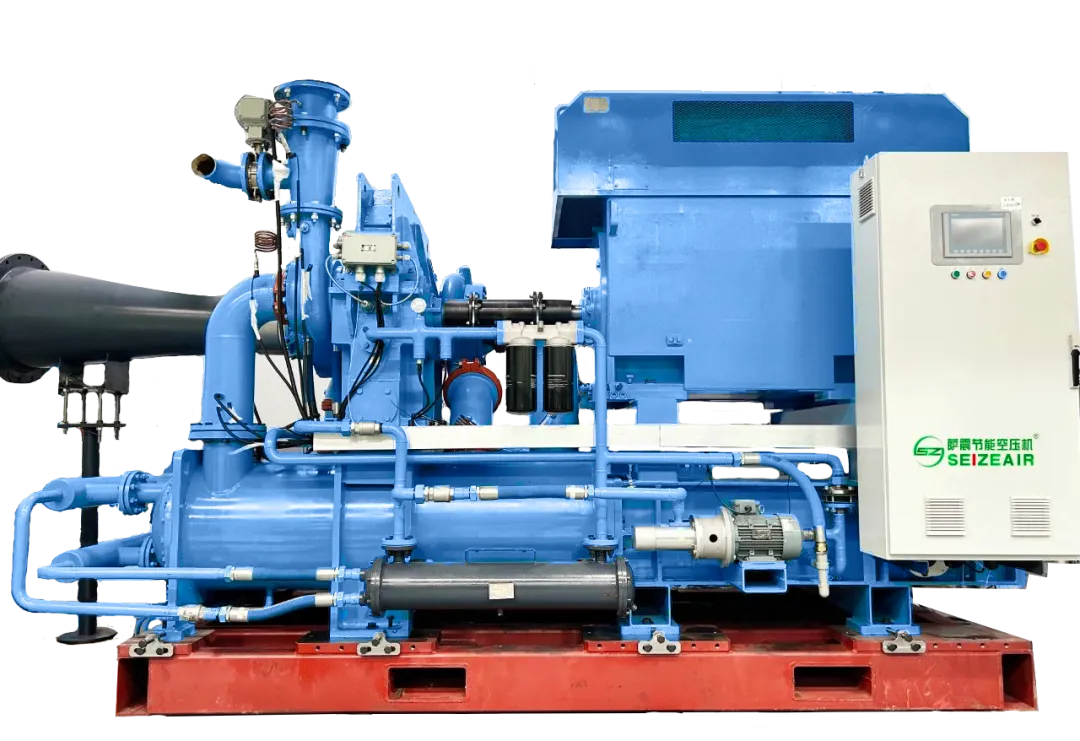 Industrial Air Compressor Solutions: Advanced Screw & Centrifugal Systems for Maximum ROI
 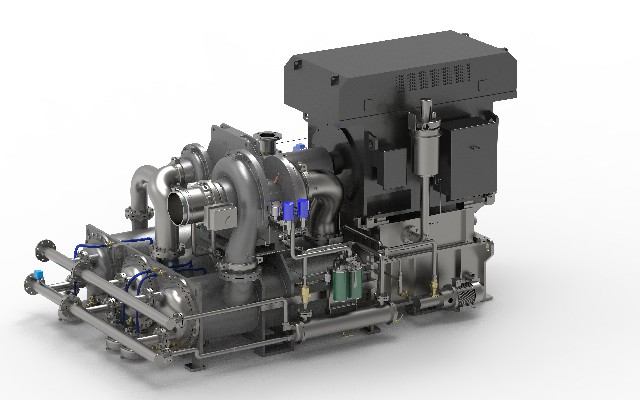 Energy-Efficient Compressors for Industrial Applications: Two-Stage Screw vs. Centrifugal Solutions
  Energy-Efficient Air Compressors Manufacturer in China | [Your Company Name] – Powering Sustainability Worldwide