
Technical comparison of magnetic suspension single-stage centrifugal blower

Comparison of magnetic suspension single-stage centrifugal blower VS multi-stage centrifugal blower
(1) Multi-stage centrifugal blower uses the inlet throttle net to adjust the flow, which leads to the loss of inlet resistance. Even if the flow rate is 70% of the design flow rate, the throttle net is still needed to adjust the flow rate. Magnetic suspension single-stage centrifugal blower adopts frequency regulator to adjust air volume, which is more energy-saving than throttle valve.
(2) Multi-stage centrifugal blower adopts multiple impellers, which inevitably leads to interstage loss. The magnetic suspension single-stage centrifugal blower adopts a single impeller, and there is no interstage loss.
(3) Multi-stage centrifugal blower is a rolling bearing or a sliding bearing, which belongs to relative friction movement, and there is bound to be wear and useless work consumption. The bearings of magnetic suspension single-stage centrifugal blower have no contact, wear and useless work consumption during operation.
(4) Generally, the air volume adjustment range of the current centrifugal blower is 65%~100%, and that of the magnetic suspension single-stage centrifugal blower is 45%~100%.
(5) Magnetic suspension single-stage centrifugal blower needs to be imported from abroad, so the direct investment of equipment is greater than that of multi-stage centrifugal blower.
(6) Although the rotating speed of multistage centrifugal blower is low, the bearing is still worn, and the lubricating oil should be replaced regularly. Although the magnetic suspension single-stage centrifugal blower has a high rotating speed, various components operate in a non-contact manner, without wear and need of lubricating oil. The main component of the magnetic suspension bearing is replaced once every 20 years, and the price is generally 100,000 yuan.

Comparison of magnetic suspension single-stage centrifugal blower VS traditional single-stage centrifugal blower
(1) The traditional single-stage centrifugal blower adopts the structure of low-speed motor+speed-increasing gearbox+rolling or sliding mechanical bearing+mechanical guide vane, and the air volume is adjusted by mechanical guide vane, so it is impossible to use frequency conversion adjustment, and there is resistance loss. The magnetic suspension single-stage centrifugal blower adopts frequency converter to adjust the air volume, which is relatively energy-saving.
(2) The traditional single-stage centrifugal blower adopts rolling or sliding mechanical bearings, which have short bearing life, need complex hole lubricating oil and shaft sealing system, and have wear and useless work consumption; The bearings of magnetic suspension single-stage centrifugal blower have no contact, wear and useless work consumption during operation.
(3) The traditional single-stage centrifugal blower has hundreds of mechanical moving parts, which has high failure frequency, relatively complicated maintenance and high direct maintenance costs. The maintenance cost of magnetic suspension single-stage centrifugal blower is low.
(4) The traditional single-stage centrifugal blower needs an anti-vibration device, the foundation needs special treatment, the structural size is large, the floor area is large, and the voice is high (above 90dB), so it needs a sound insulation cover. The magnetic suspension single-stage centrifugal blower occupies a small area, has no vibration, does not need special foundation treatment, and the noise is below 80dB.
 Seize Oil-Free Screw Blowers: The Ultimate Energy-Efficient Air Compressor Solution for Industry 4.0
  Maximize Energy Efficiency with Heat Recovery Systems for Energy-Saving Air Compressors
  Top 7 Advantages of Centrifugal Blowers for Industrial Applications
  The Revolutionary Benefits of Permanent Magnet Variable Frequency Air Compressors: A Game-Changer for Modern Industries
  Variable Speed vs. Fixed Speed Air Compressors: Key Differences, Pros & Cons
 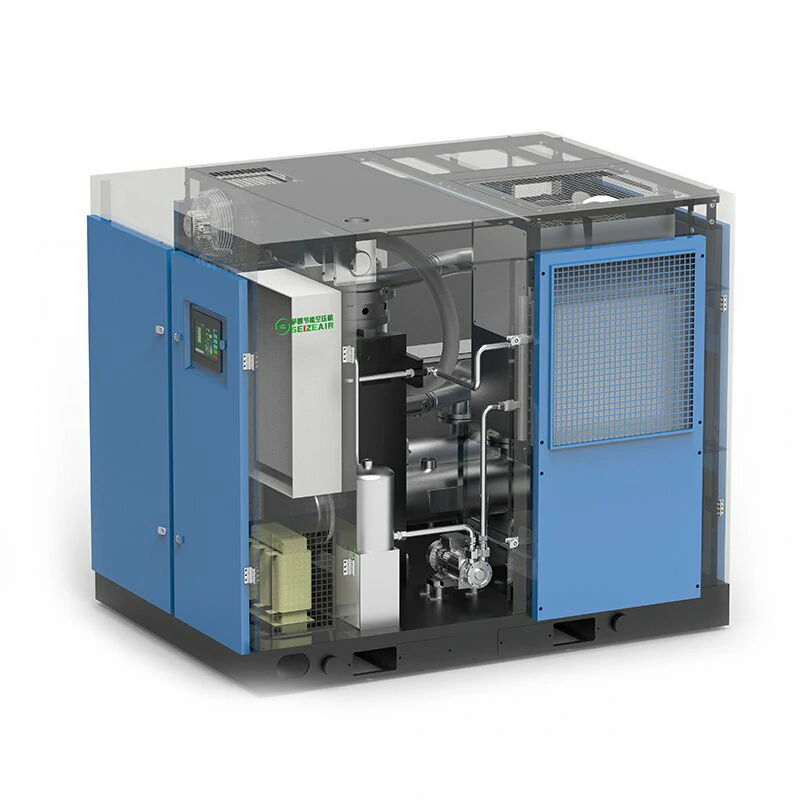 How to Choose Between Dry and Water-Lubricated Oil-Free Screw Compressors: A Comprehensive Comparison
 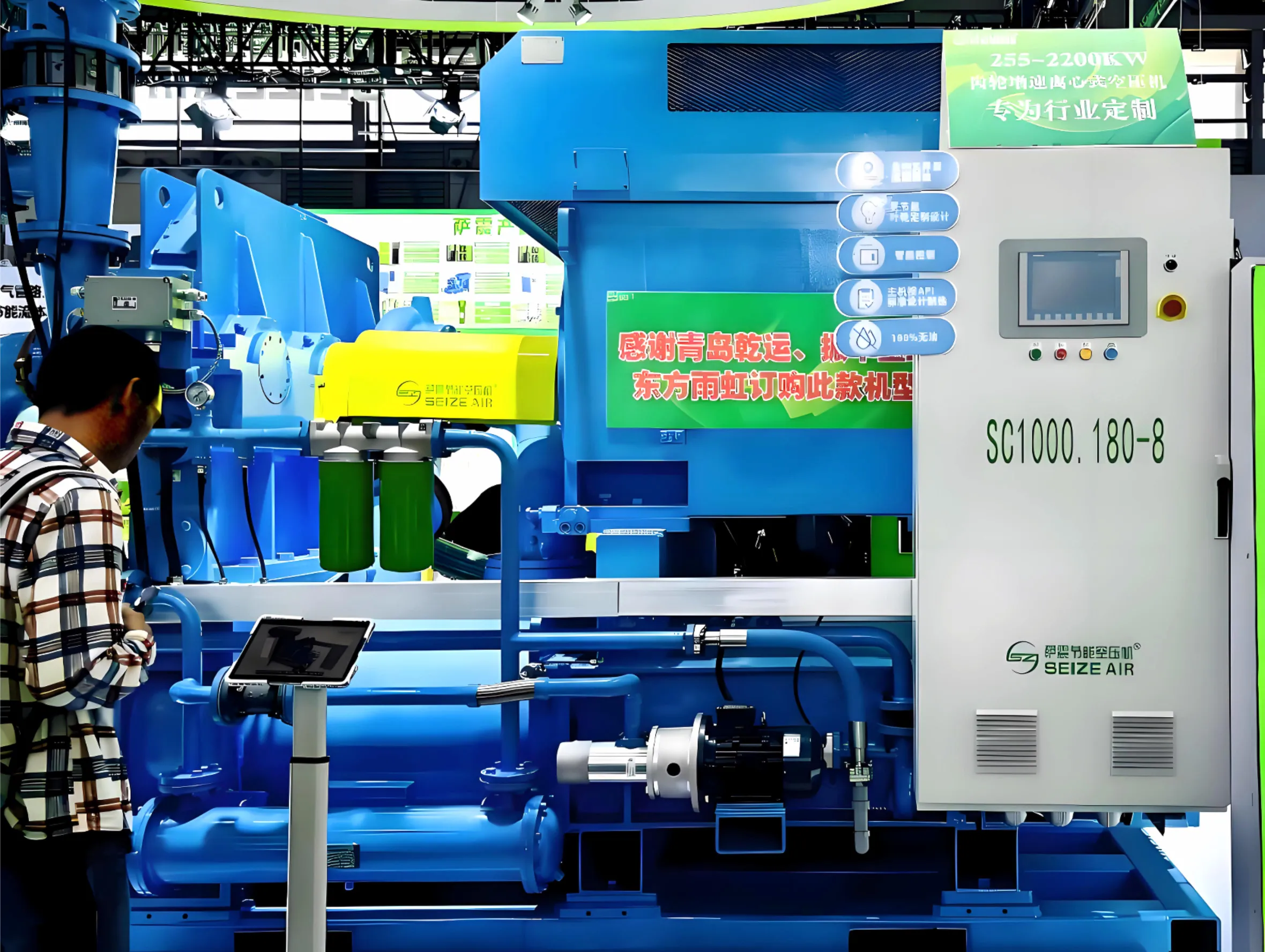 Centrifugal vs. Reciprocating Air Compressors: Why Centrifugal Wins for Industrial Applications
 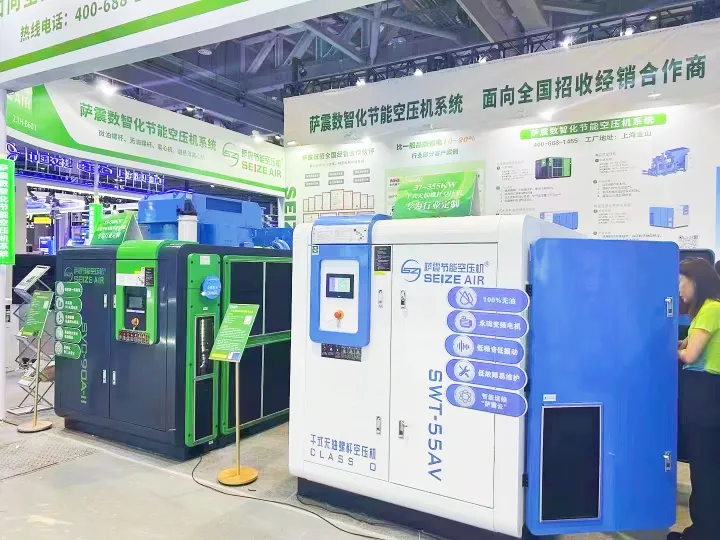 How to Calculate Air Compressor Specific Energy Consumption (SEC) for Energy Savings: A Guide for Southeast Asia, Middle East, and Europe
  Single-Stage vs. Two-Stage Compression: Which Is Right for Your Needs?
 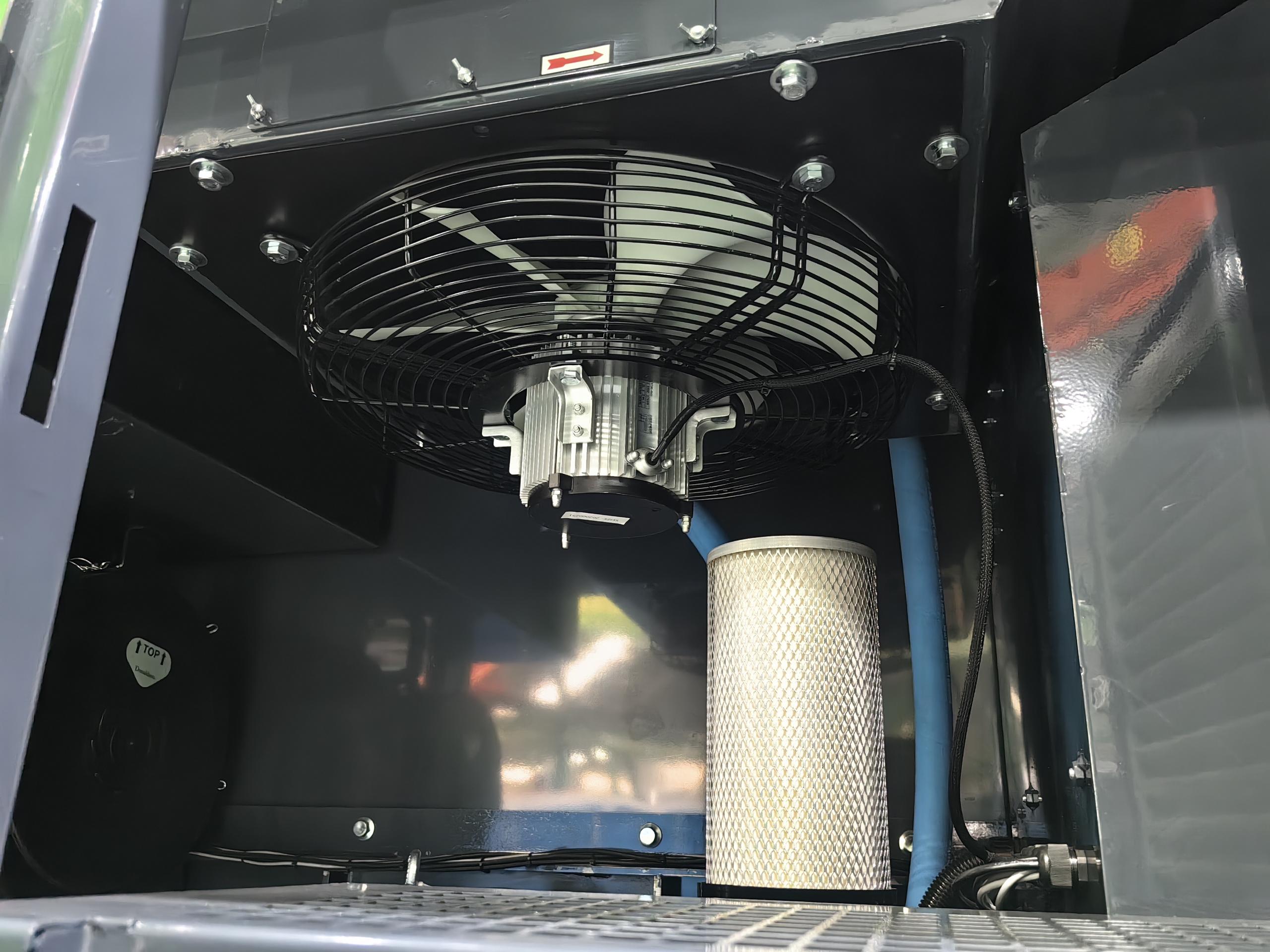 Maximize Your Savings: The Long-Term Cost Advantages of SEIZEAIR's Energy-Efficient Air Compressors
 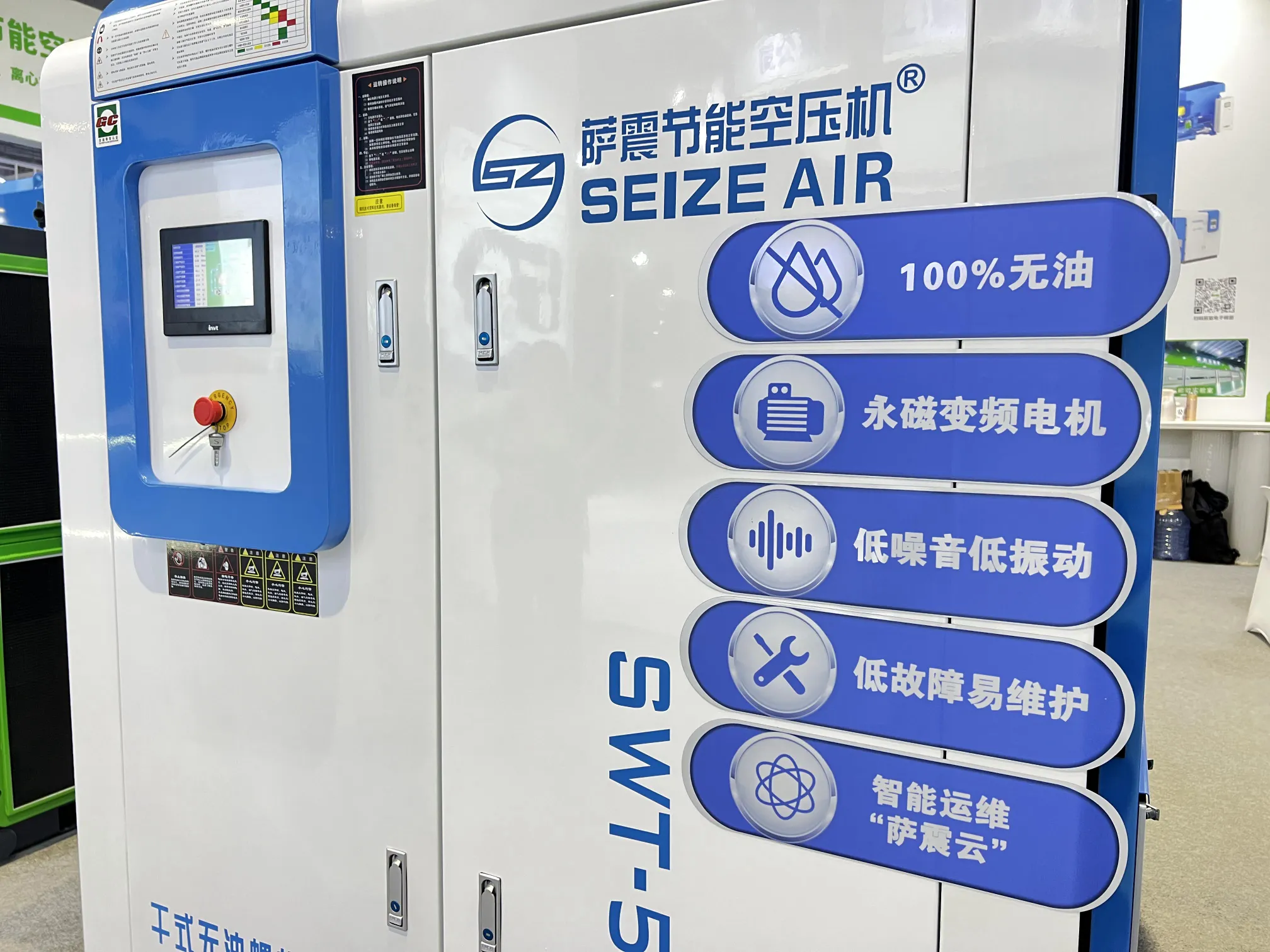 Energy Efficiency of Screw Compressors in Industrial Applications: Maximizing Savings and Sustainability
 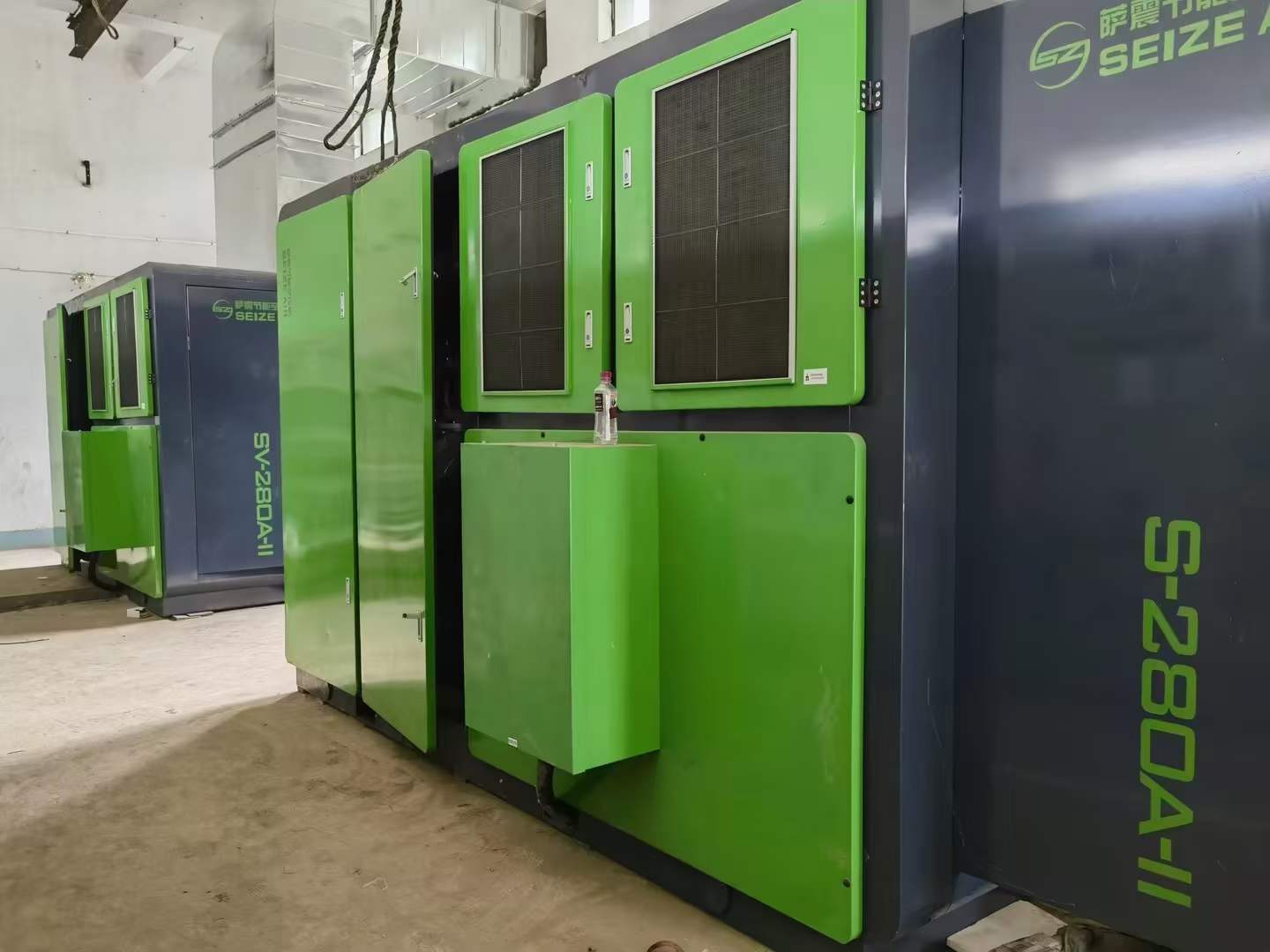 Piston vs. Screw Air Compressors: 5 Key Reasons to Choose Rotary Screw Technology
 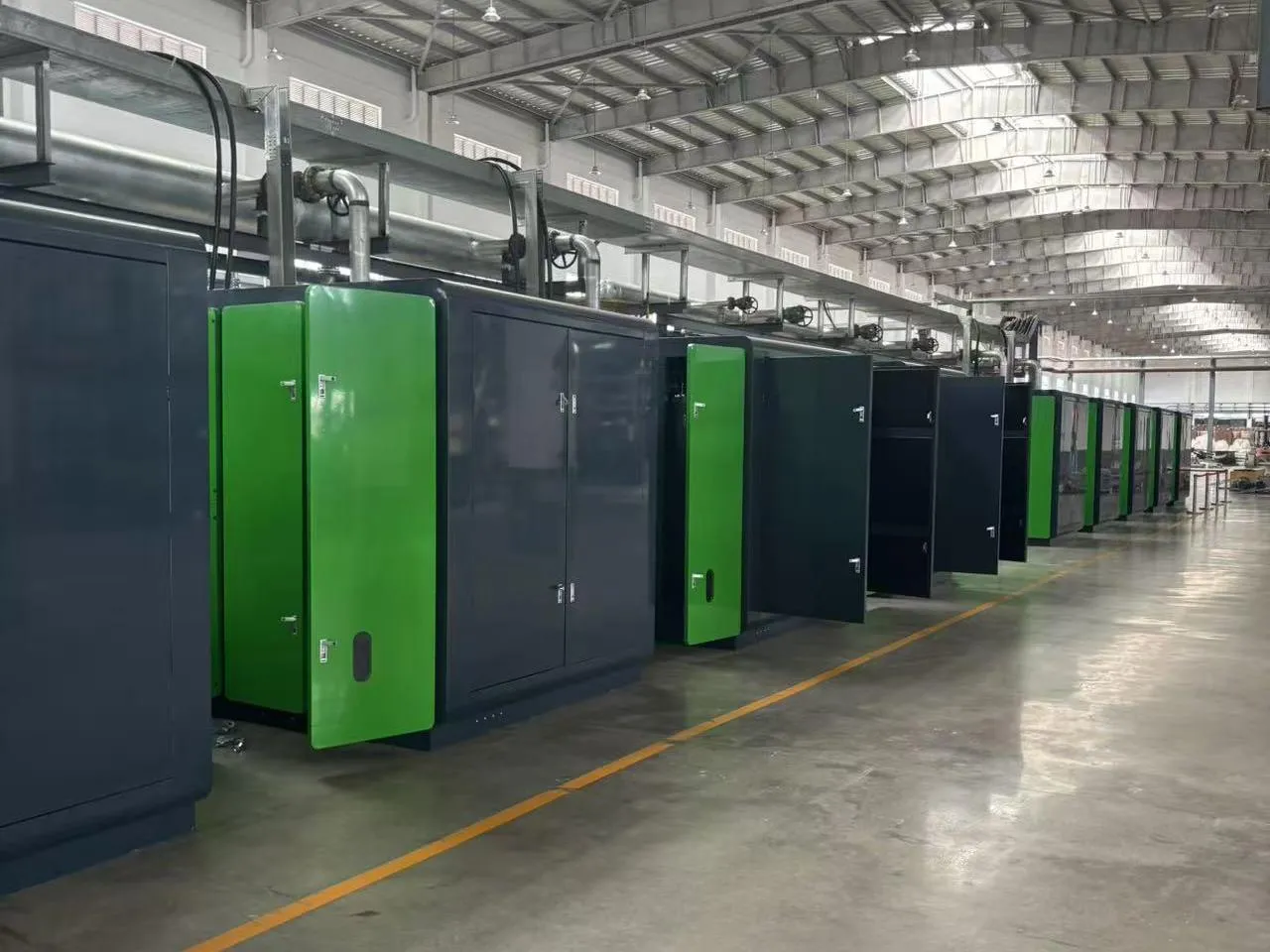 How Factories Slash Energy Costs with Energy-Efficient Air Compressors
 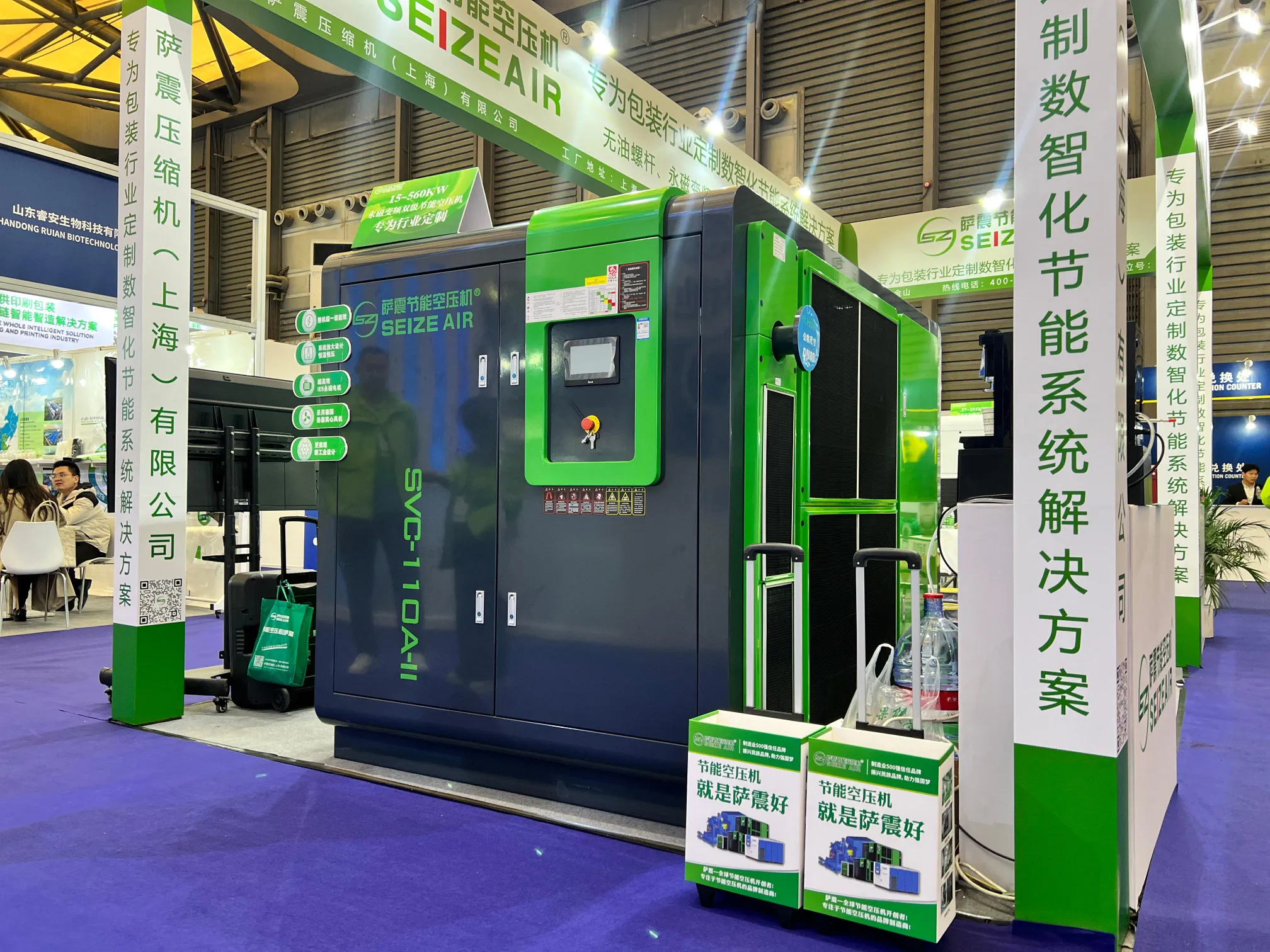 Why Piston Air Compressors Are Being Phased Out: A Consumer Perspective
 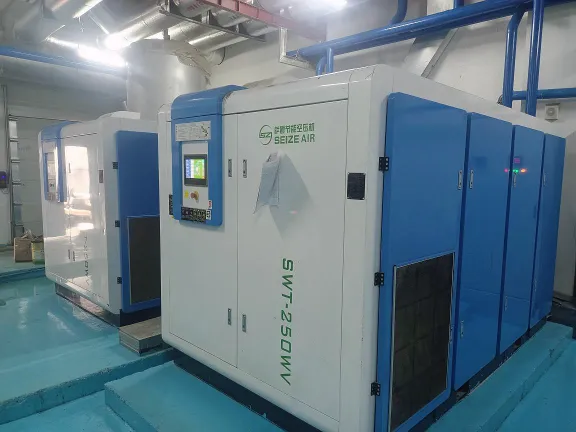 Permanent Magnet vs. Traditional Compressors: Which Saves More Money Long-Term?
  Technical Insights and Maintenance Tips for Water-Lubricated Compressors
 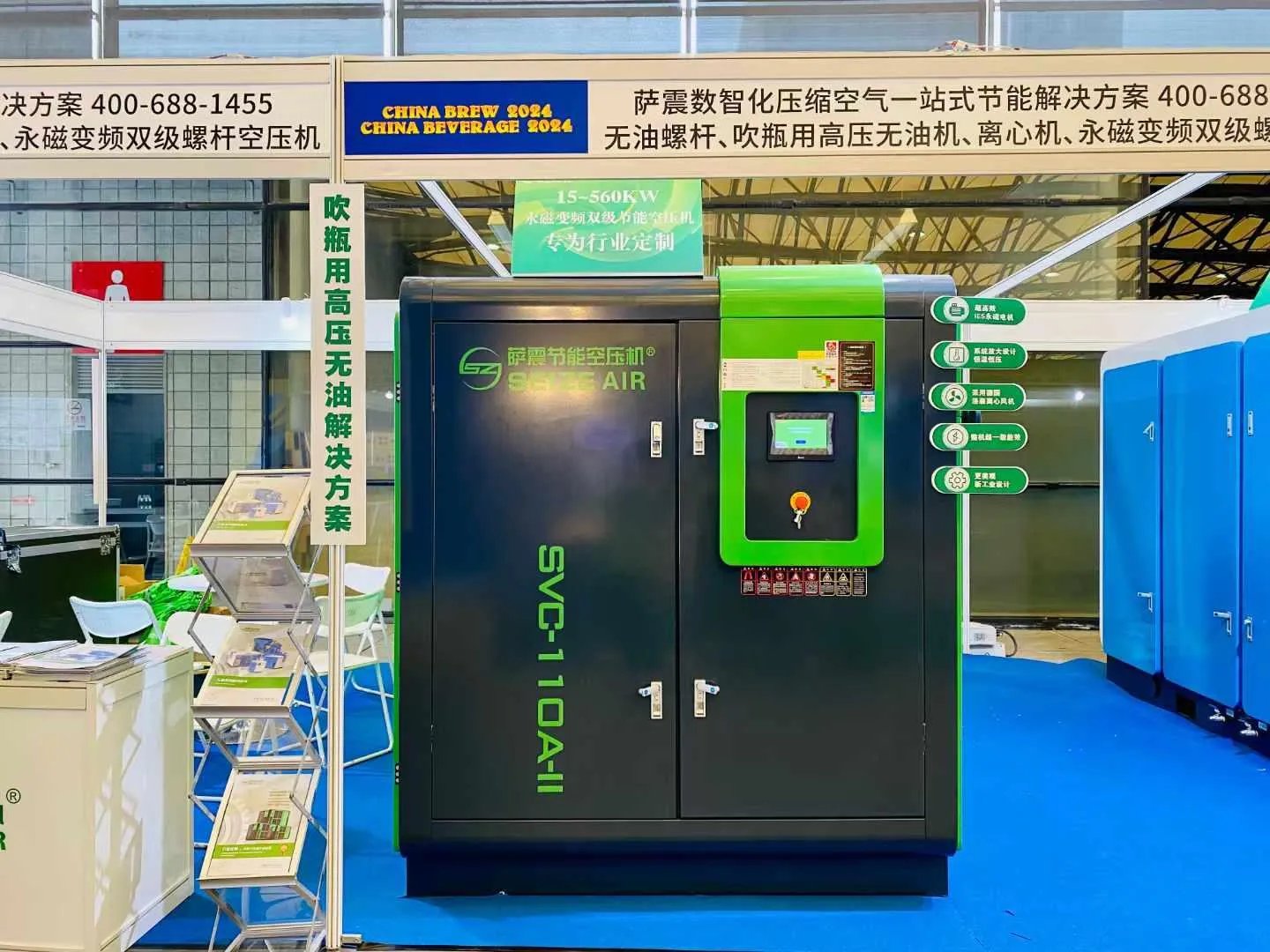 Why Oil-Free Screw Compressors Are the Future of Industrial Efficiency
 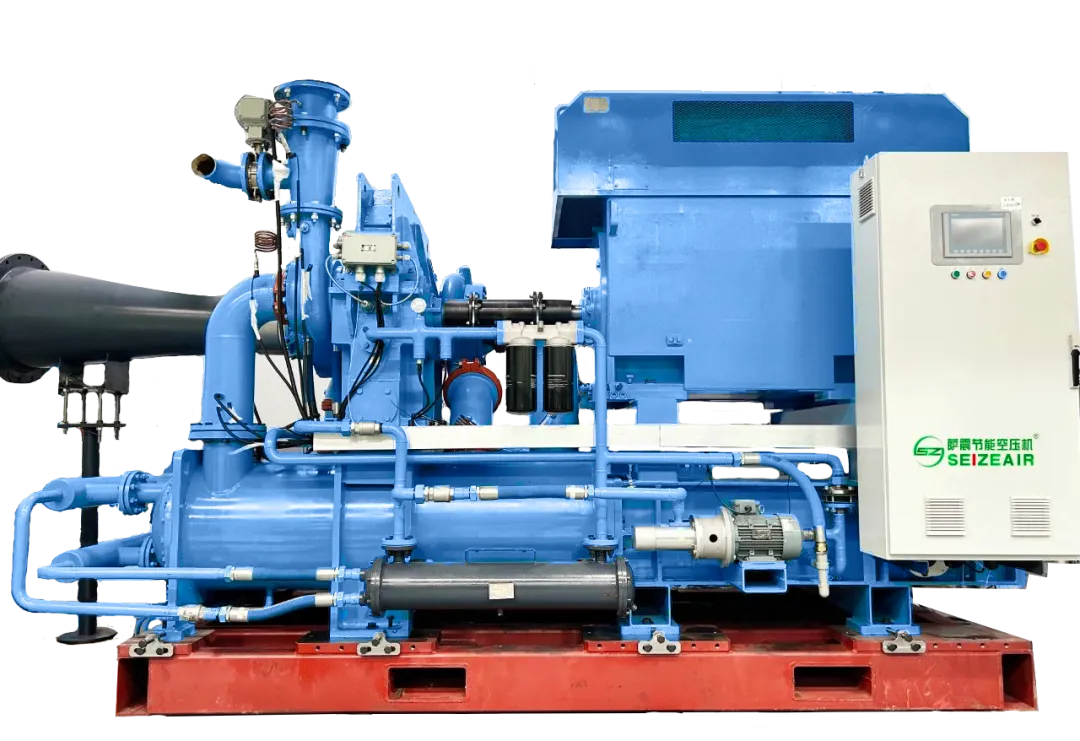 Industrial Air Compressor Solutions: Advanced Screw & Centrifugal Systems for Maximum ROI
 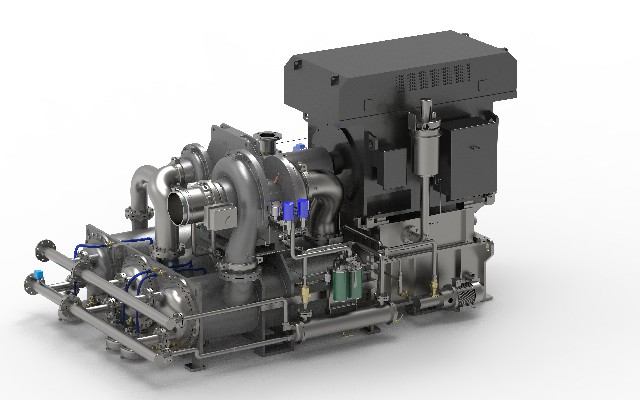 Energy-Efficient Compressors for Industrial Applications: Two-Stage Screw vs. Centrifugal Solutions
  Energy-Efficient Air Compressors Manufacturer in China | [Your Company Name] – Powering Sustainability Worldwide