
Understanding the Replacement Cycle of Adsorbents in Compressed Air Dryers
2024-10-28
Adsorbent materials, such as molecular sieves and activated alumina, are crucial components in adsorption-type dryers used for compressing air. These materials feature a porous structure and a high specific surface area, which enable them to effectively absorb moisture from compressed air. During the adsorption process, water vapor molecules are attracted to the adsorbent’s pores, achieving the desired drying effect.
The performance of the adsorbent directly influences the dryer’s drying efficiency. Over time, with repeated adsorption and regeneration, the adsorbent's capacity diminishes, leading to reduced drying effectiveness. This not only affects the moisture removal from compressed air but may also negatively impact downstream production processes. Therefore, regular replacement of the adsorbent is essential for the optimal operation of the adsorption dryer.
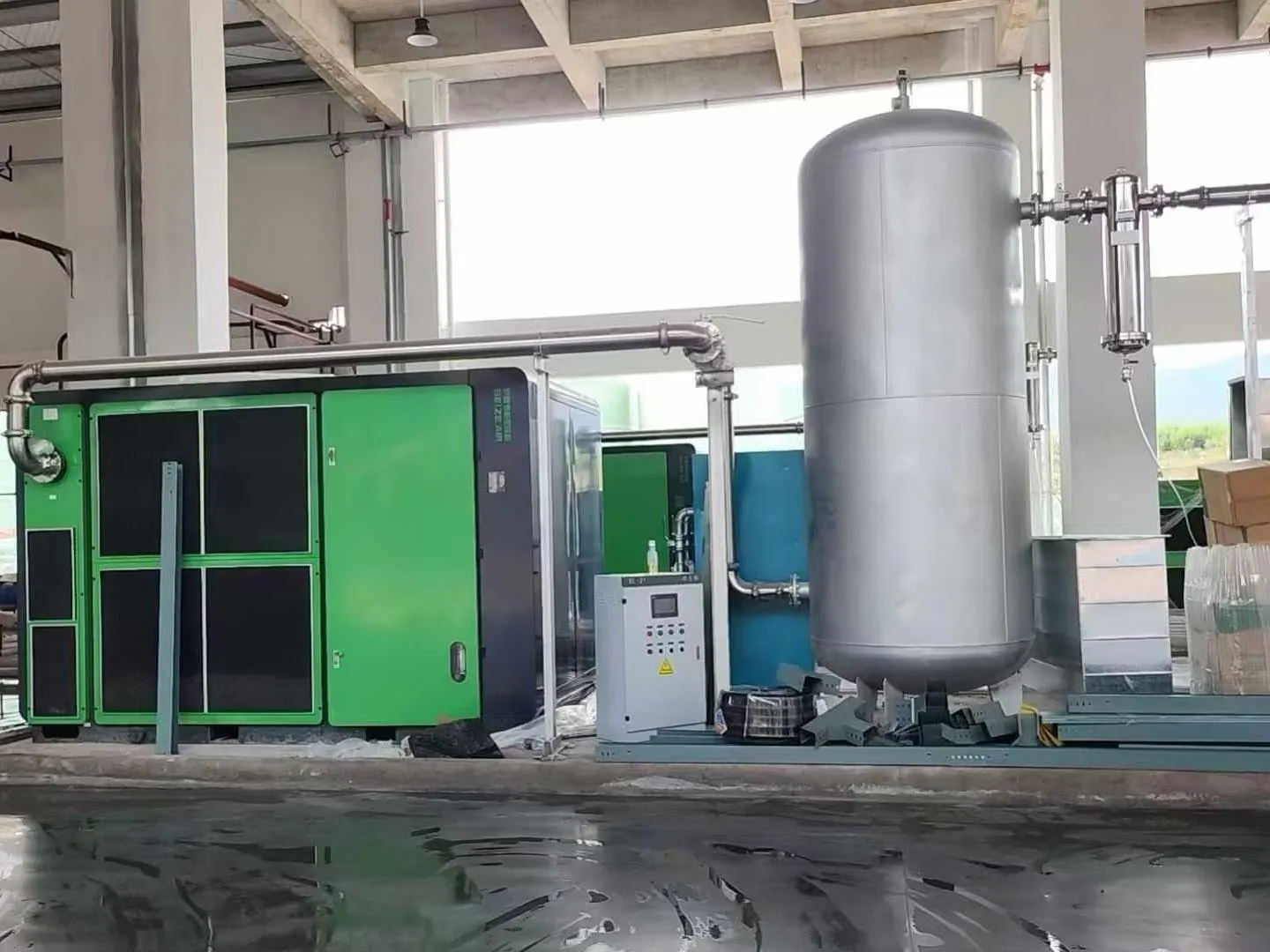
Factors Influencing Adsorbent Replacement Cycle
The replacement cycle for adsorbents is influenced by several factors, generally ranging from one to two years. However, the specific duration should be assessed based on actual usage and manufacturer recommendations. Key factors include:
Usage Frequency: Higher usage frequency increases the adsorbent’s saturation level, necessitating more frequent replacements.
Inlet Humidity: Higher inlet humidity means more water vapor for the adsorbent to absorb, leading to a shorter replacement cycle.
Operating Pressure: Abnormal inlet or outlet pressures may indicate that the adsorbent is nearing saturation, warranting inspection and possible replacement.
Dew Point Temperature: An elevated dew point temperature exceeding set limits indicates poor drying performance, prompting a check on the adsorbent's condition.
Load Variations: Increased system load demands more moisture handling, accelerating adsorbent saturation.
Operating Conditions: Environmental factors, such as temperature and humidity, can affect adsorption efficiency and necessitate adjustments in the replacement schedule.
In summary, the adsorbent replacement cycle requires careful consideration of various factors. It is advisable to replace adsorbents every two years to ensure equipment operates efficiently. However, special circumstances, like frequent maintenance, harsh operating conditions, or prolonged high-load operation, may require earlier checks and replacements.
Contact us at://www.eescompressor.com/
WhatsApp:+86 15317057736

 Seize Oil-Free Screw Blowers: The Ultimate Energy-Efficient Air Compressor Solution for Industry 4.0
  Maximize Energy Efficiency with Heat Recovery Systems for Energy-Saving Air Compressors
  Top 7 Advantages of Centrifugal Blowers for Industrial Applications
  The Revolutionary Benefits of Permanent Magnet Variable Frequency Air Compressors: A Game-Changer for Modern Industries
 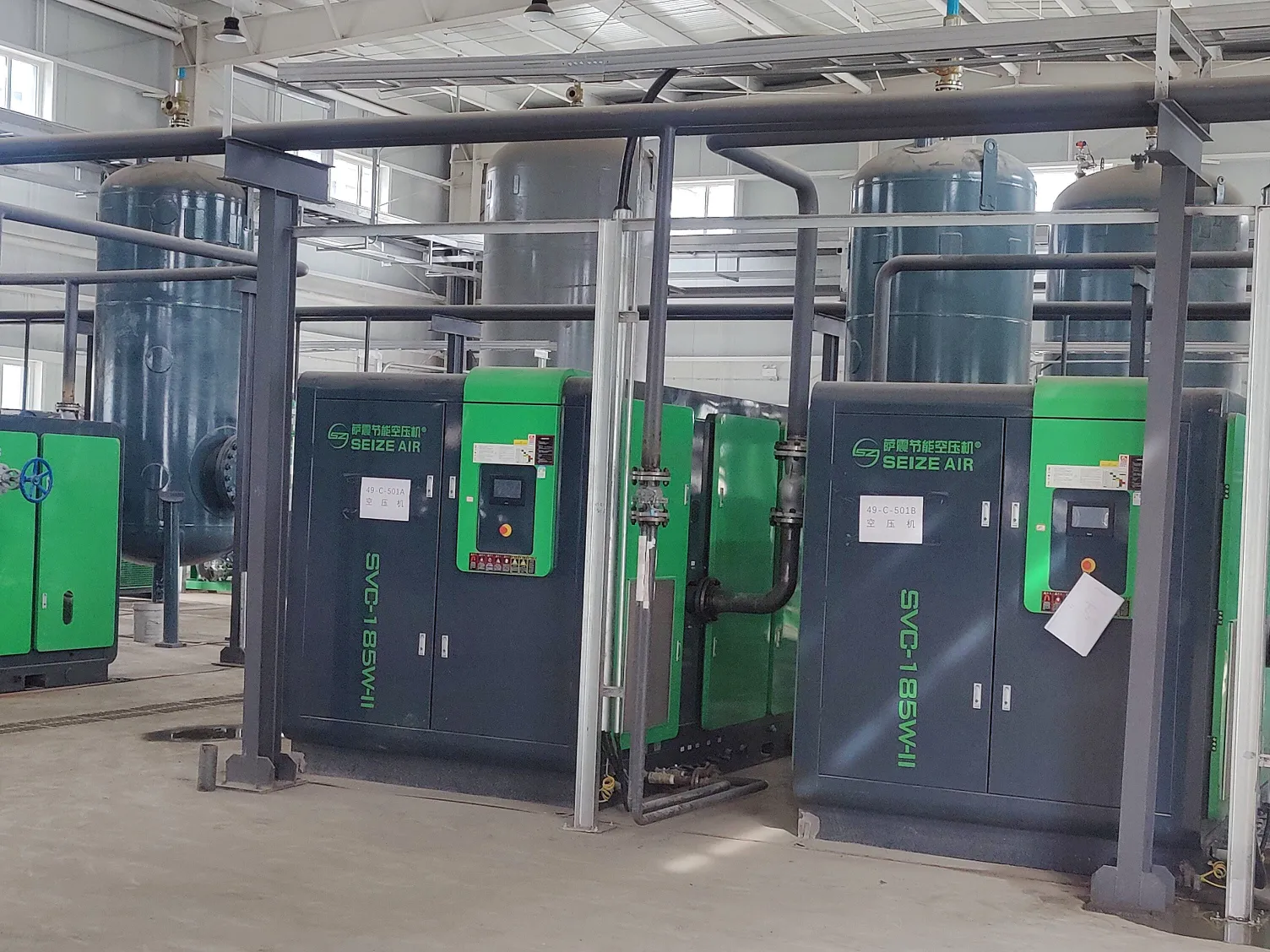 Variable Speed vs. Fixed Speed Air Compressors: Key Differences, Pros & Cons
 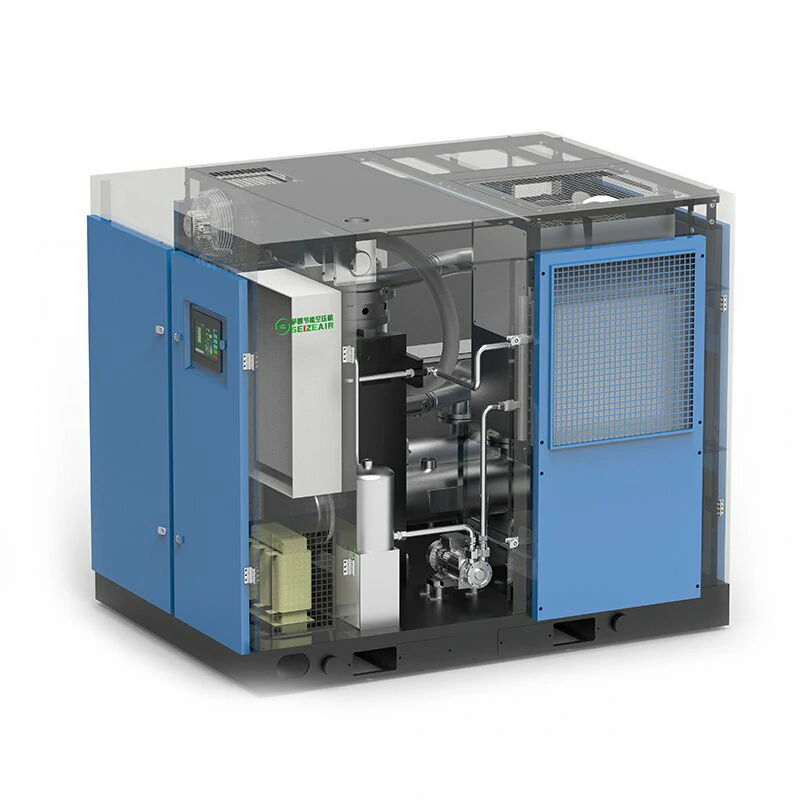 How to Choose Between Dry and Water-Lubricated Oil-Free Screw Compressors: A Comprehensive Comparison
 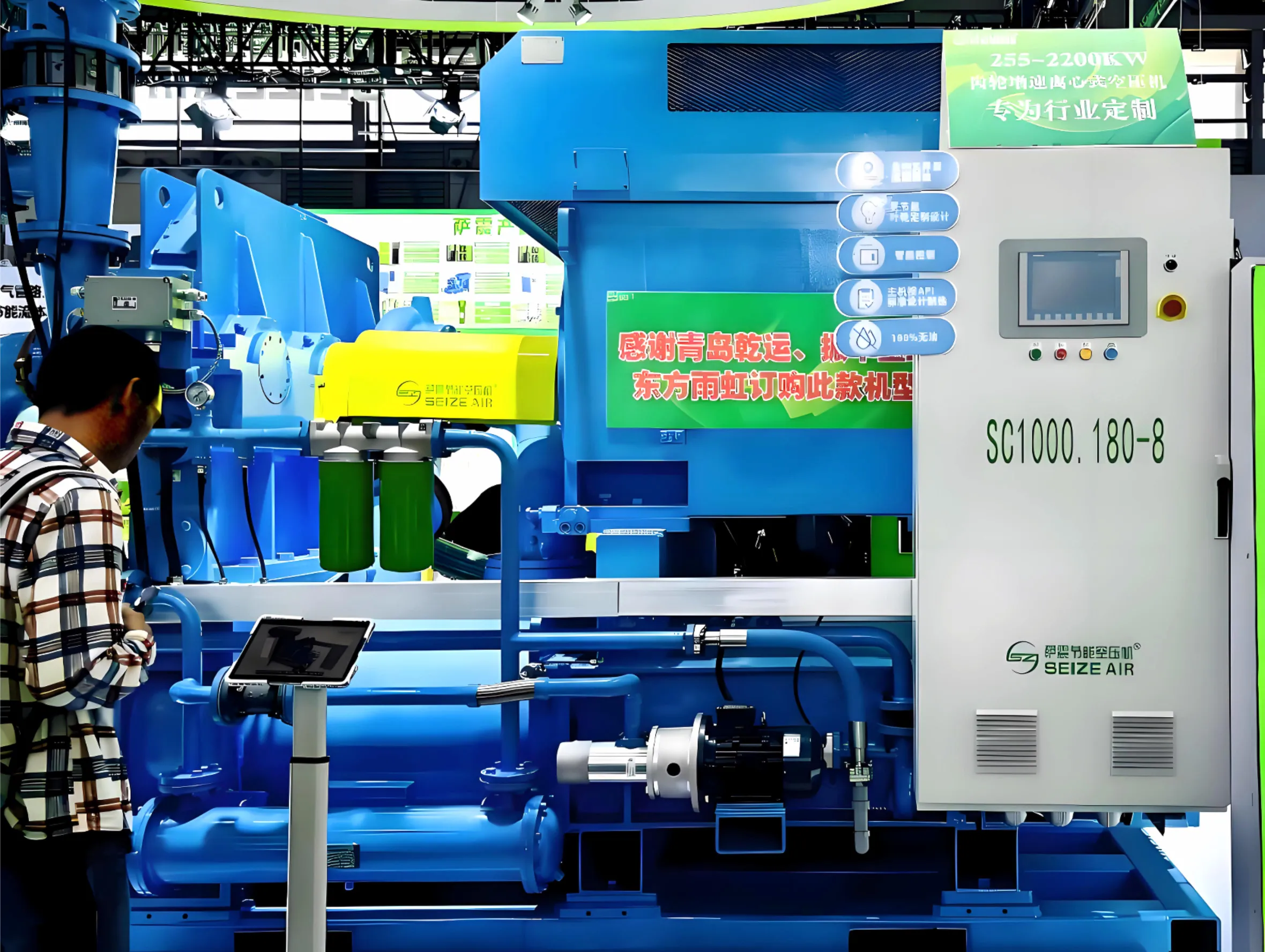 Centrifugal vs. Reciprocating Air Compressors: Why Centrifugal Wins for Industrial Applications
 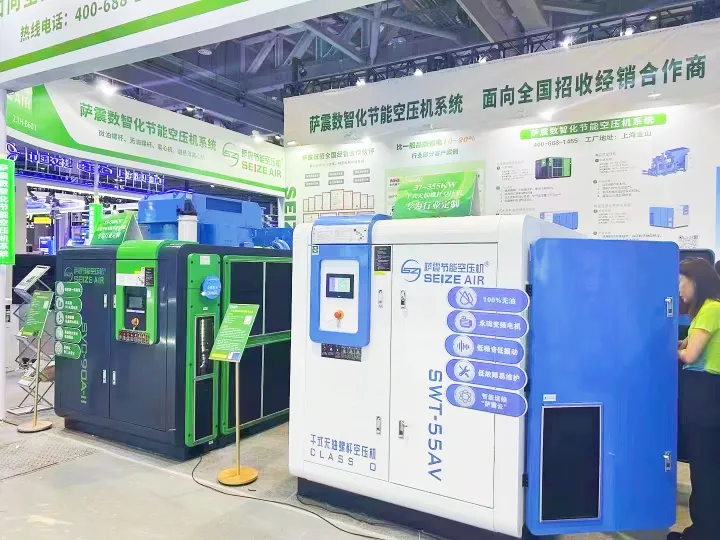 How to Calculate Air Compressor Specific Energy Consumption (SEC) for Energy Savings: A Guide for Southeast Asia, Middle East, and Europe
  Single-Stage vs. Two-Stage Compression: Which Is Right for Your Needs?
 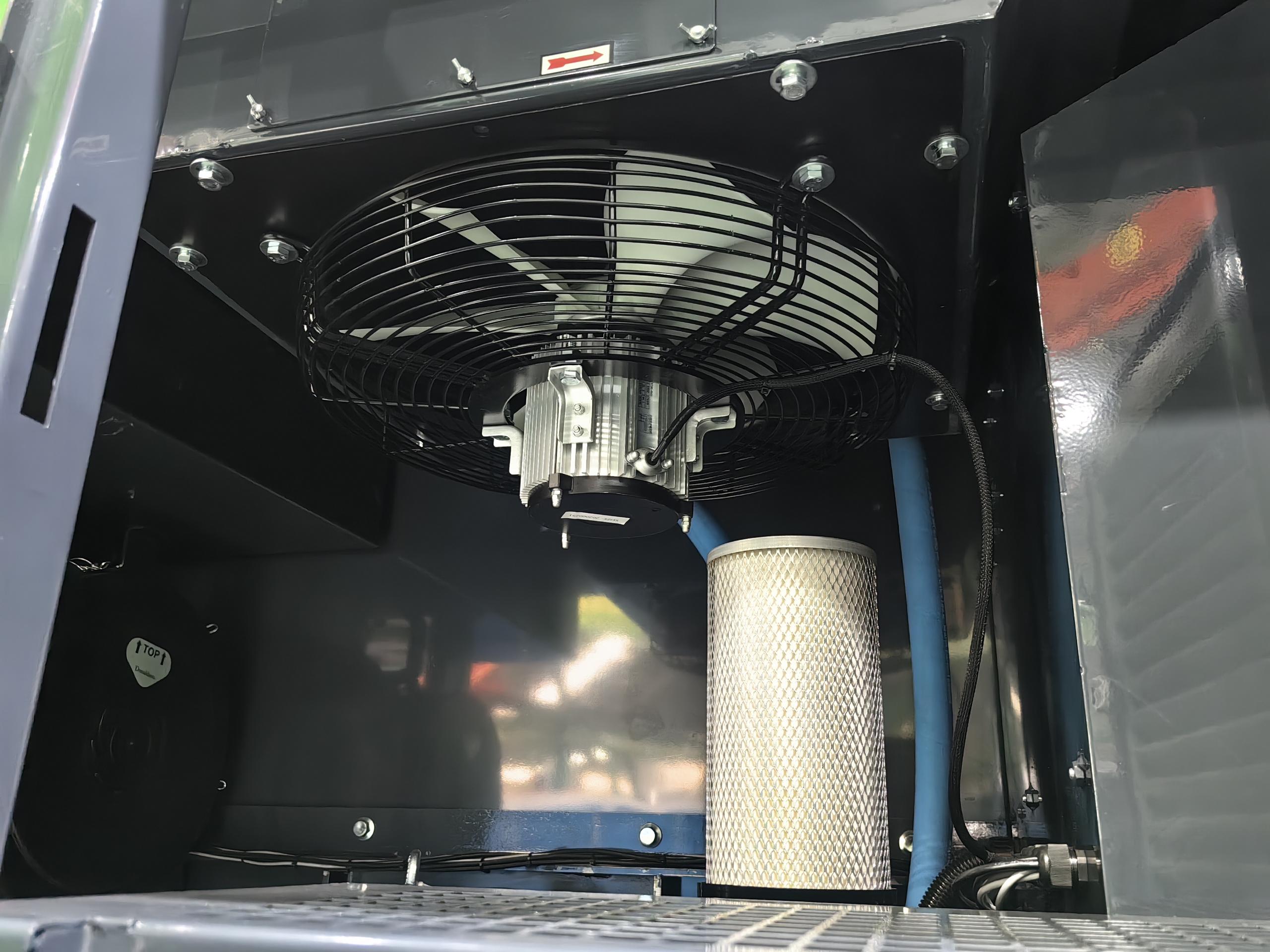 Maximize Your Savings: The Long-Term Cost Advantages of SEIZEAIR's Energy-Efficient Air Compressors
 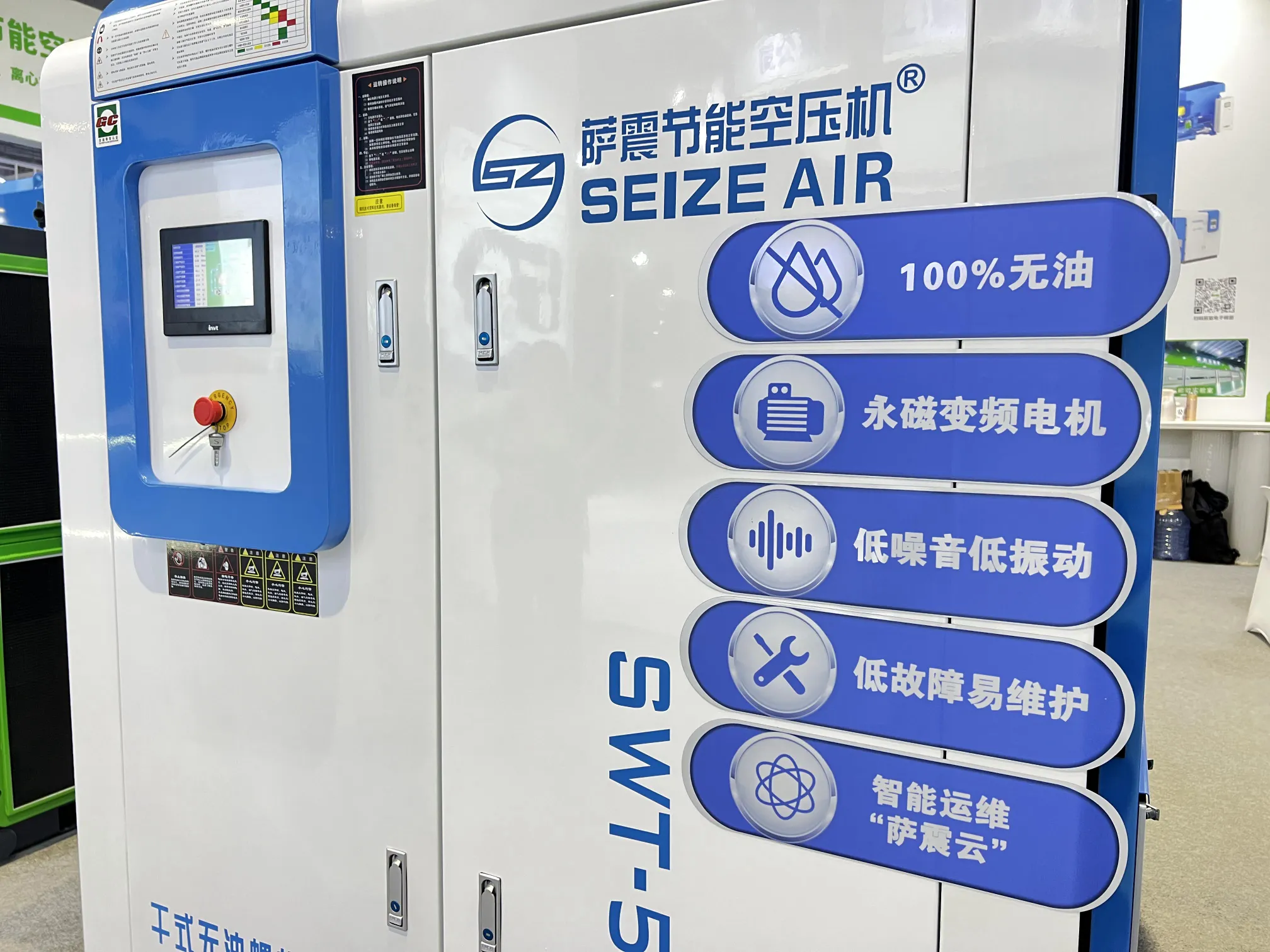 Energy Efficiency of Screw Compressors in Industrial Applications: Maximizing Savings and Sustainability
 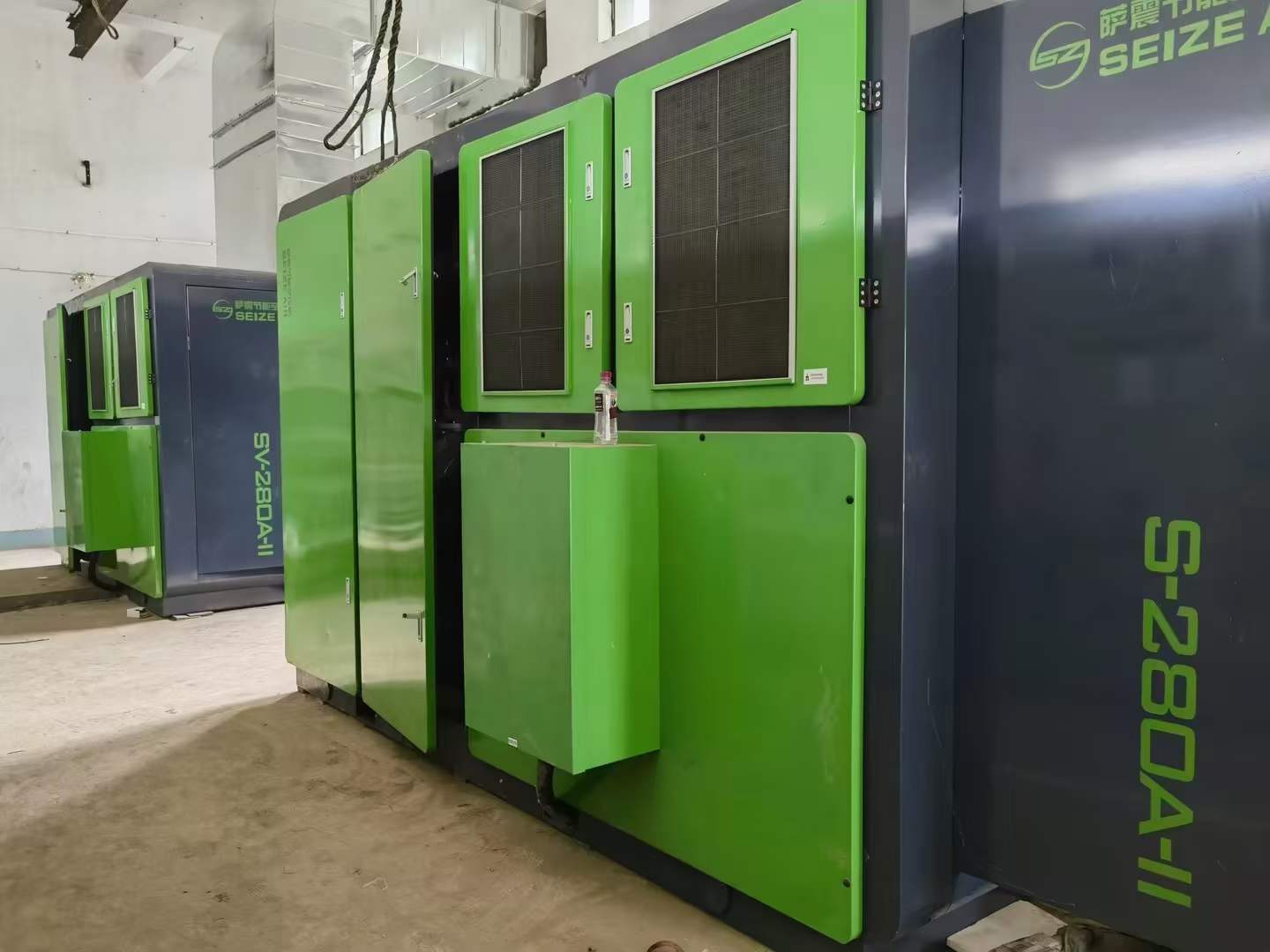 Piston vs. Screw Air Compressors: 5 Key Reasons to Choose Rotary Screw Technology
 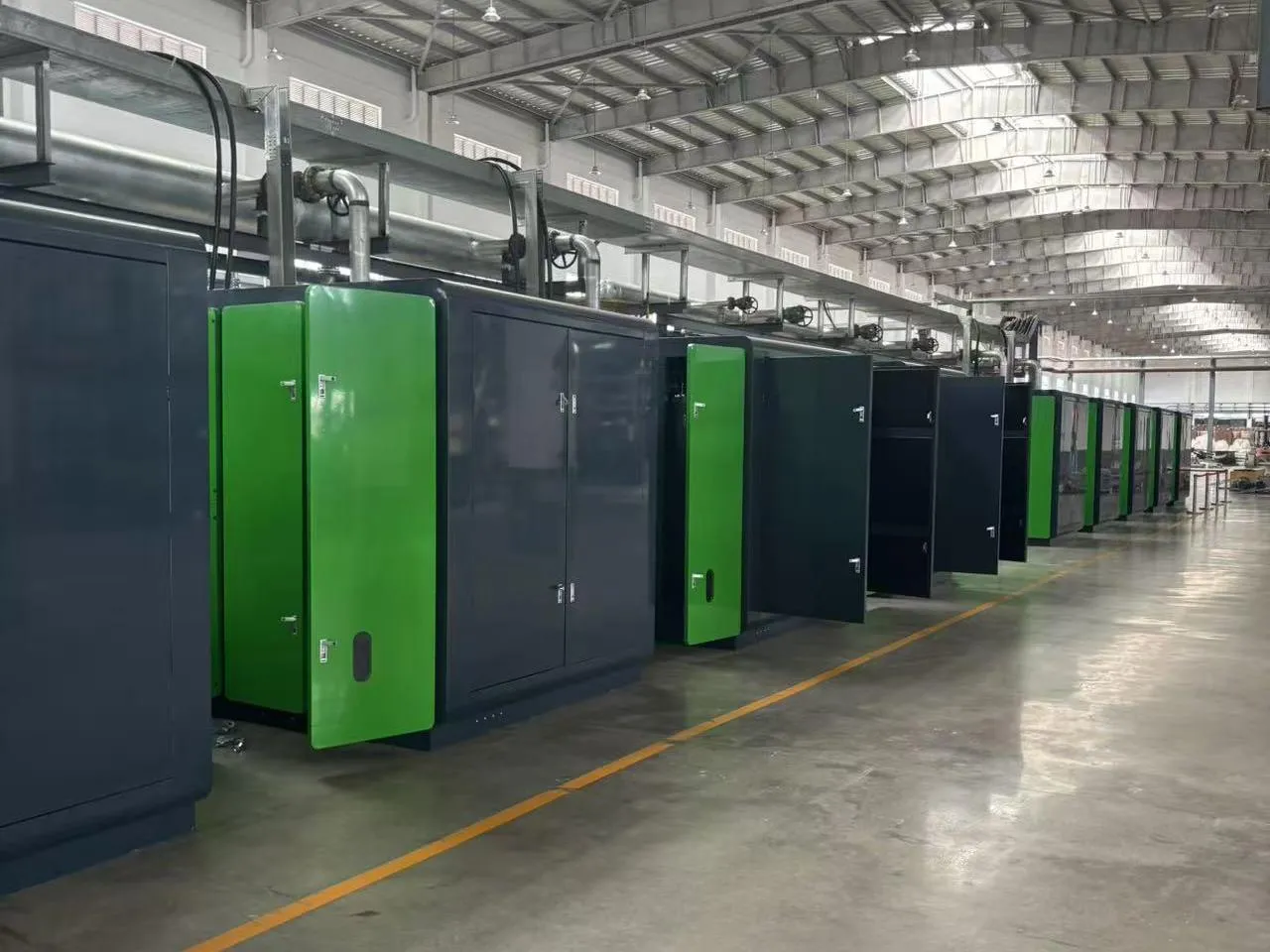 How Factories Slash Energy Costs with Energy-Efficient Air Compressors
  Why Piston Air Compressors Are Being Phased Out: A Consumer Perspective
  Permanent Magnet vs. Traditional Compressors: Which Saves More Money Long-Term?
  Technical Insights and Maintenance Tips for Water-Lubricated Compressors
  Why Oil-Free Screw Compressors Are the Future of Industrial Efficiency
  Industrial Air Compressor Solutions: Advanced Screw & Centrifugal Systems for Maximum ROI
  Energy-Efficient Compressors for Industrial Applications: Two-Stage Screw vs. Centrifugal Solutions
  Energy-Efficient Air Compressors Manufacturer in China | [Your Company Name] – Powering Sustainability Worldwide