
Winter Precautions for Refrigerated Air Dryers
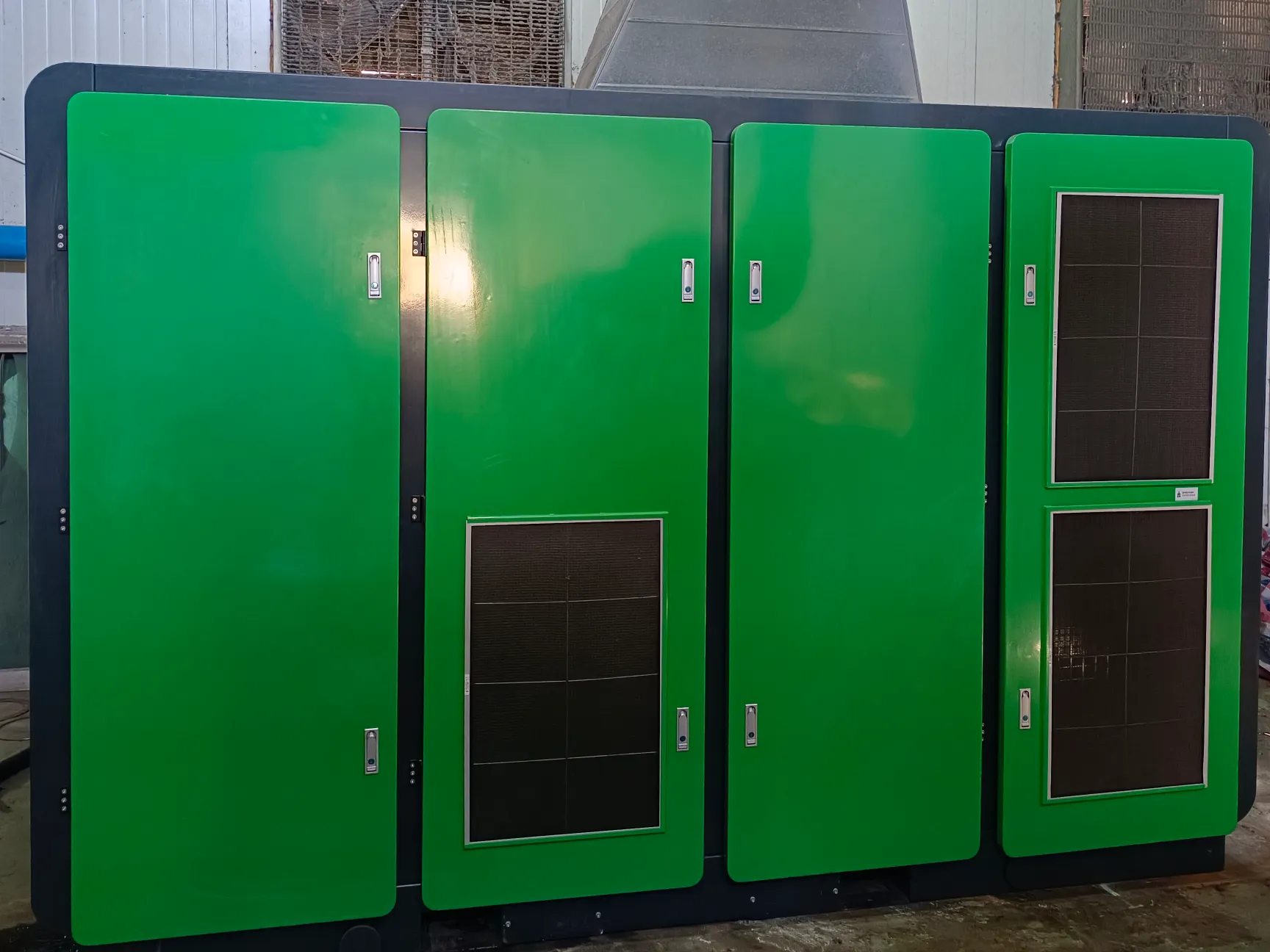
Refrigerated air dryers are essential devices that utilize refrigeration technology to dry compressed air. Their operation relies on the refrigerant’s cooling effect to condense moisture from the compressed air into water droplets, which are then removed through filtration. Key components involved in this process include the compressor, condenser, evaporator, and condensate separator.
Understanding Dew Point in Refrigerated Dryers
Most refrigerated dryers on the market are rated for pressure dew points between 2°C to 10°C. For instance, at a pressure of 0.7 MPa, the dew point temperature is 10°C; when this pressure drops to atmospheric levels, the corresponding dew point temperature can reach -16°C. Therefore, using refrigerated dryers during winter is feasible. However, it is crucial to pay attention to their operational status and efficiency to prevent failures that could lead to air supply interruptions and production downtime.
Preventing Ice Formation
Protection of Water Pipes, Valves, and Compressors:
In winter, low temperatures can cause moisture within the system to freeze, potentially damaging water pipes, valves, and compressors. To mitigate this risk, preheating the equipment is essential to ensure that the operating temperature remains above 0°C. Regular inspections for ice formation on these components should also be conducted, and any detected ice must be promptly addressed.
Indoor Temperature Control:
While using refrigerated dryers in winter, it is vital to manage the indoor temperature effectively. Avoid excessively low ambient temperatures that could negatively impact the equipment.
Selecting the Right Refrigerant
Temperature Impact on Performance:
The efficiency of the refrigerant can fluctuate with temperature changes. During winter, cooler temperatures may reduce the refrigerant's cooling effect, impacting the drying performance of the equipment. Thus, selecting the appropriate refrigerant based on environmental temperature and humidity conditions is necessary to ensure optimal operation.
Importance of Preheating
Necessity of Preheating:
Preheating is critical to maintaining an adequate internal temperature, preventing freezing of water pipes, valves, and compressors. Additionally, preheating allows for better circulation of the refrigerant, enhancing drying efficiency.
Preheating Procedure:
Prior to operation, the preheating system should be activated, or the equipment should be run for a period to warm up. The duration of preheating depends on the model of the equipment and the outdoor temperature; typically, a preheating time of 30 minutes before starting the equipment is recommended.
Regular Inspection and Maintenance
Inspection Checklist:
Regular checks on the water pipes, valves, compressors, and refrigerant status are essential to ensure all components are functioning properly. It is also important to monitor the condensate separator to ensure proper drainage.
Maintenance Practices:
Any identified issues or abnormalities should be addressed promptly. For instance, if ice is found in the water pipes, the system should be shut down and allowed to thaw. If refrigerant levels are low or its performance is diminished, it should be replenished or replaced as needed.
By following these winter precautions, users can ensure that their refrigerated air dryers operate efficiently and reliably throughout the colder months. Proper care, maintenance, and monitoring can help prevent costly breakdowns and ensure a continuous supply of dry compressed air.

 Seize Oil-Free Screw Blowers: The Ultimate Energy-Efficient Air Compressor Solution for Industry 4.0
  Maximize Energy Efficiency with Heat Recovery Systems for Energy-Saving Air Compressors
  Top 7 Advantages of Centrifugal Blowers for Industrial Applications
  The Revolutionary Benefits of Permanent Magnet Variable Frequency Air Compressors: A Game-Changer for Modern Industries
 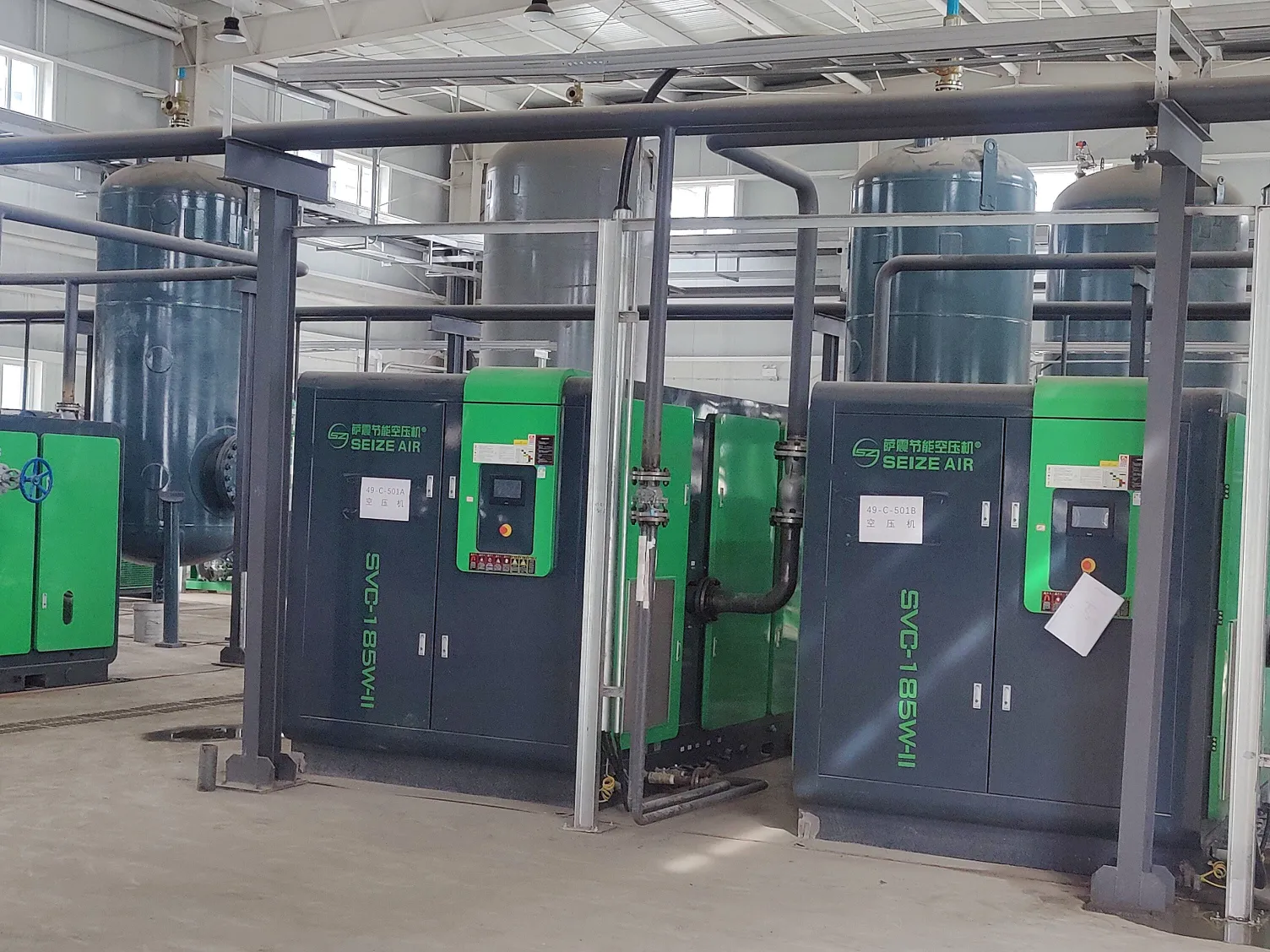 Variable Speed vs. Fixed Speed Air Compressors: Key Differences, Pros & Cons
 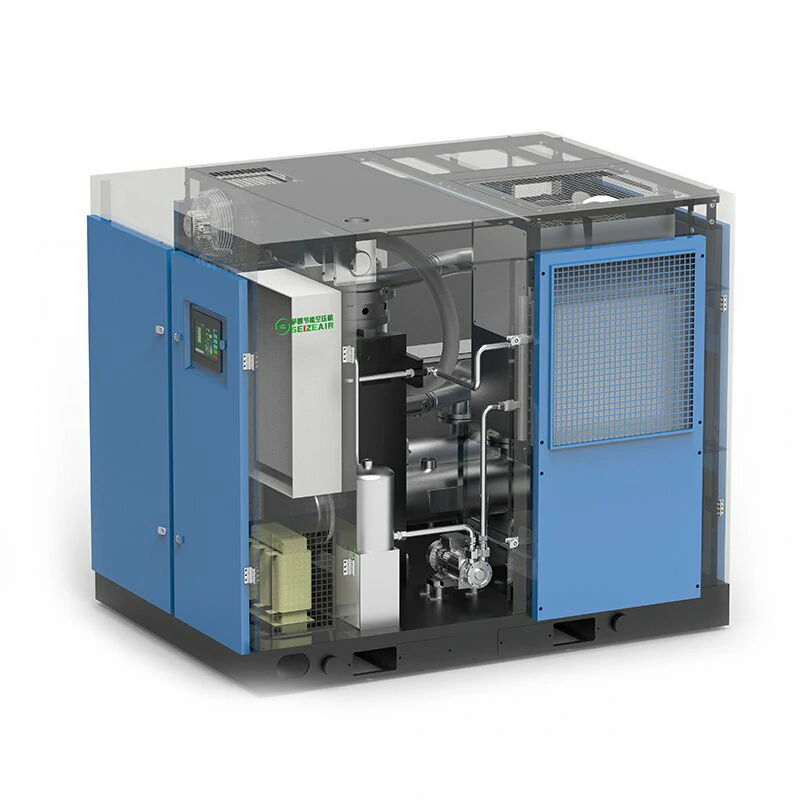 How to Choose Between Dry and Water-Lubricated Oil-Free Screw Compressors: A Comprehensive Comparison
 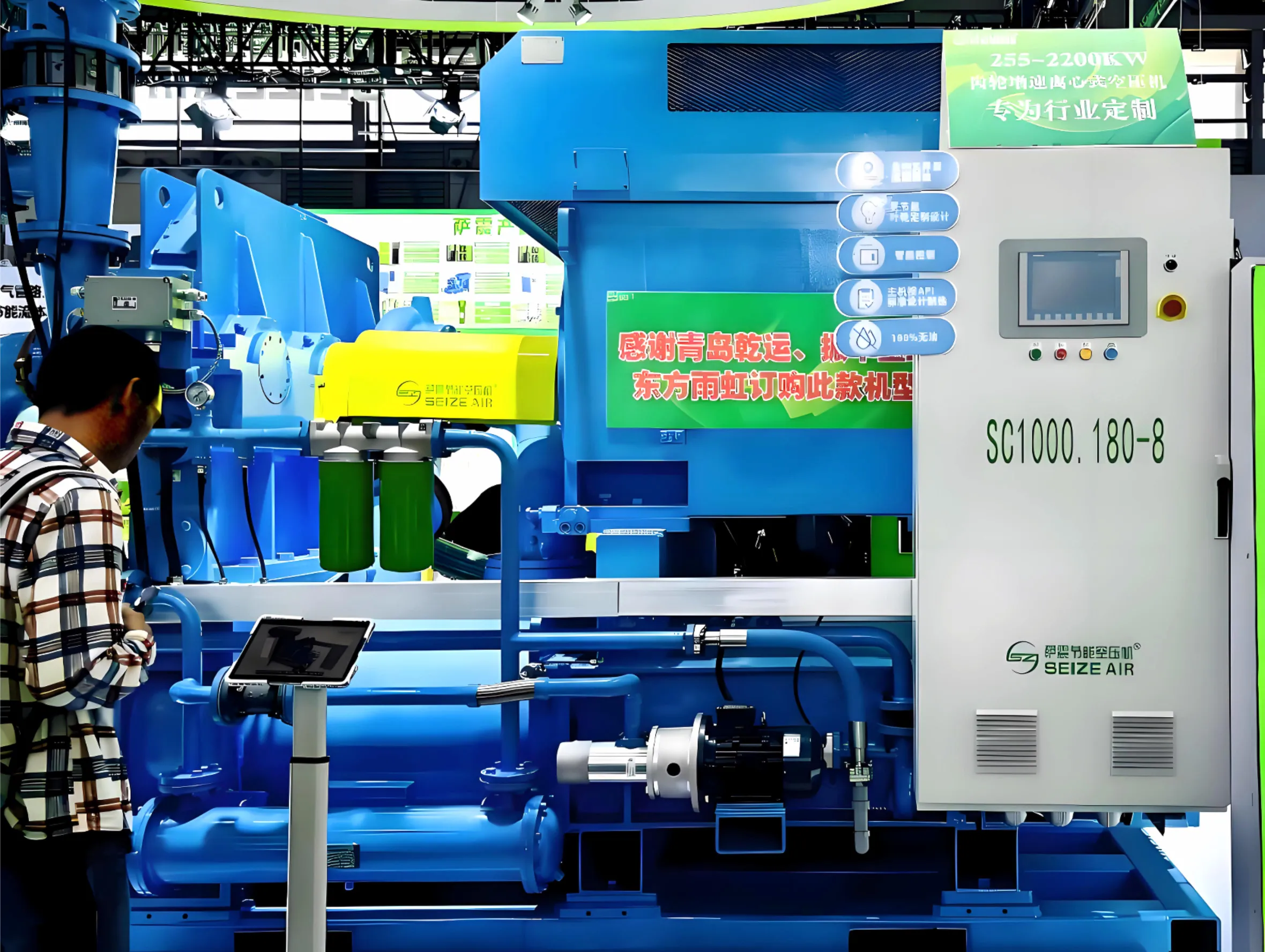 Centrifugal vs. Reciprocating Air Compressors: Why Centrifugal Wins for Industrial Applications
  How to Calculate Air Compressor Specific Energy Consumption (SEC) for Energy Savings: A Guide for Southeast Asia, Middle East, and Europe
  Single-Stage vs. Two-Stage Compression: Which Is Right for Your Needs?
  Maximize Your Savings: The Long-Term Cost Advantages of SEIZEAIR's Energy-Efficient Air Compressors
  Energy Efficiency of Screw Compressors in Industrial Applications: Maximizing Savings and Sustainability
  Piston vs. Screw Air Compressors: 5 Key Reasons to Choose Rotary Screw Technology
  How Factories Slash Energy Costs with Energy-Efficient Air Compressors
 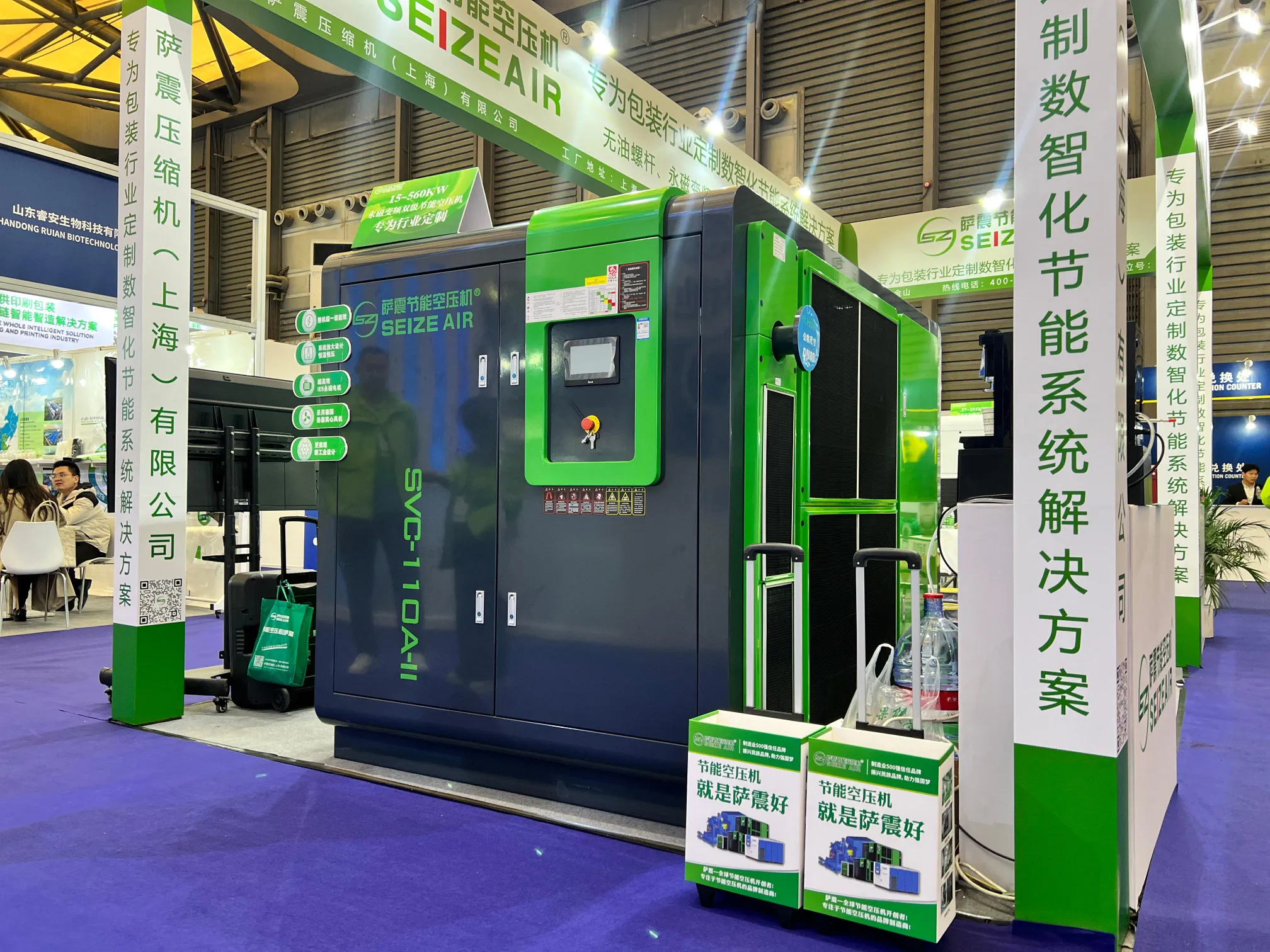 Why Piston Air Compressors Are Being Phased Out: A Consumer Perspective
 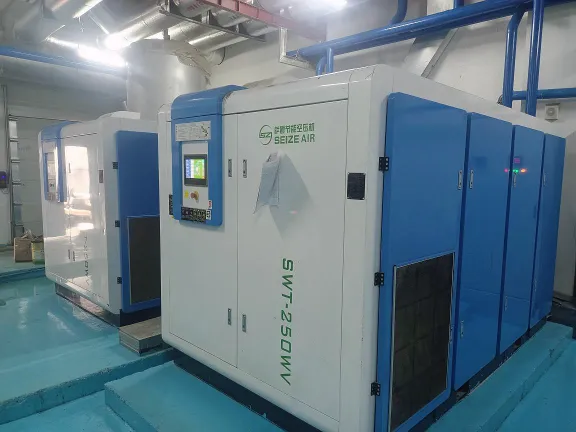 Permanent Magnet vs. Traditional Compressors: Which Saves More Money Long-Term?
  Technical Insights and Maintenance Tips for Water-Lubricated Compressors
 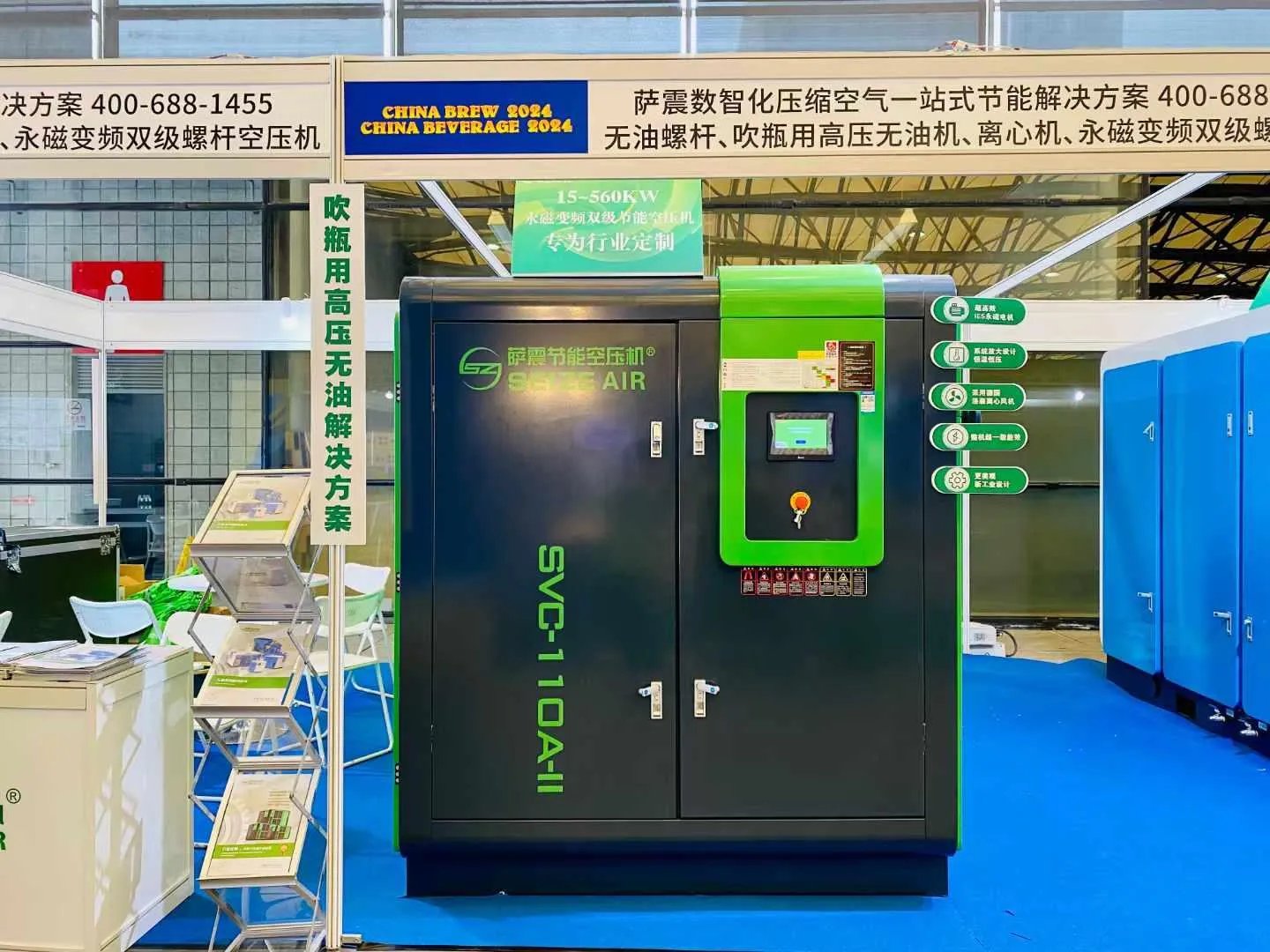 Why Oil-Free Screw Compressors Are the Future of Industrial Efficiency
 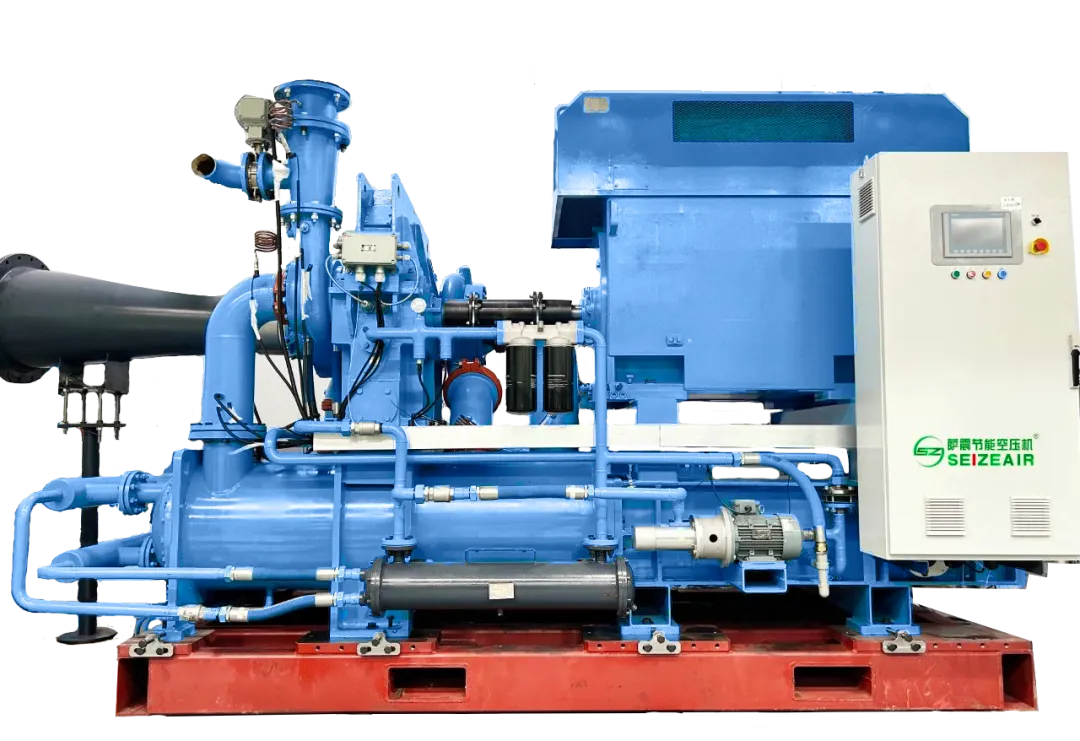 Industrial Air Compressor Solutions: Advanced Screw & Centrifugal Systems for Maximum ROI
 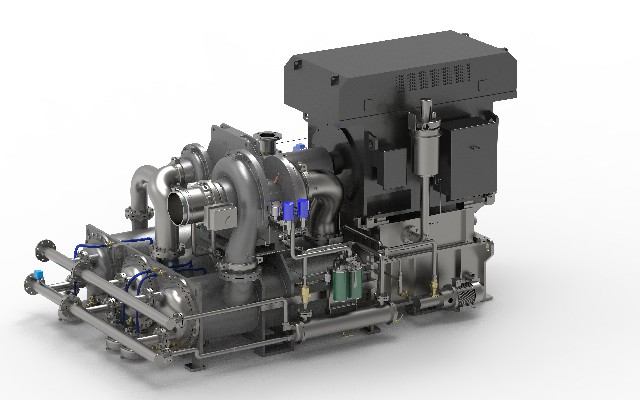 Energy-Efficient Compressors for Industrial Applications: Two-Stage Screw vs. Centrifugal Solutions
 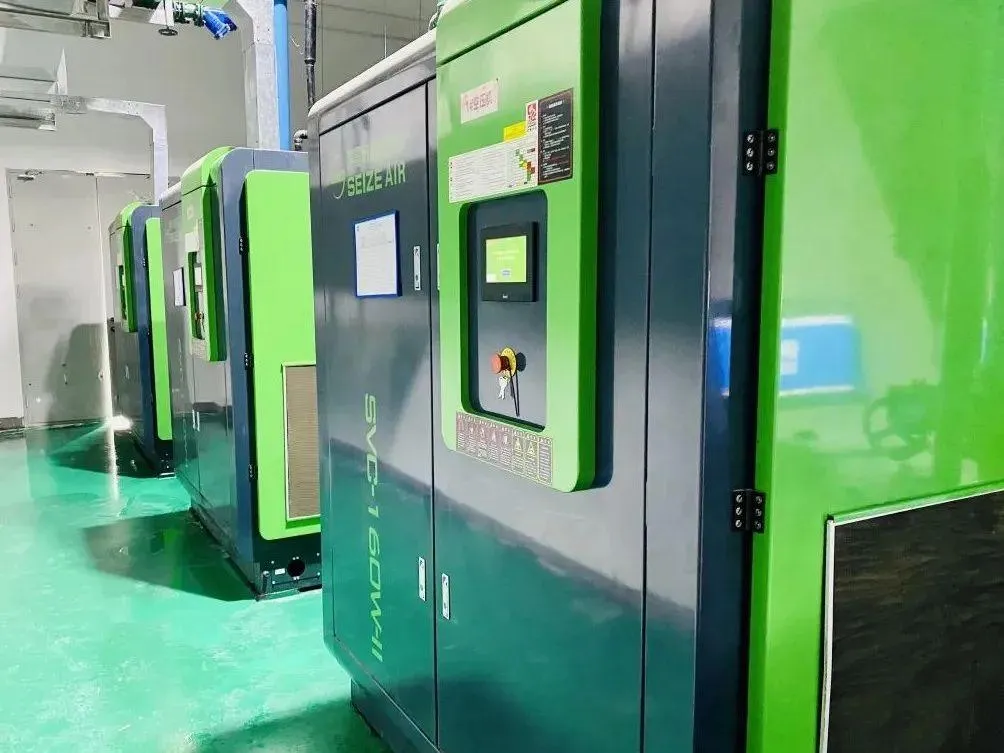 Energy-Efficient Air Compressors Manufacturer in China | [Your Company Name] – Powering Sustainability Worldwide